



Antique Clothes Closet
These antique clothes closet designs combine substantial storage with period character, offering generous hanging space and timeless timber craftsmanship for any bedroom.
Antique Clothes Closet
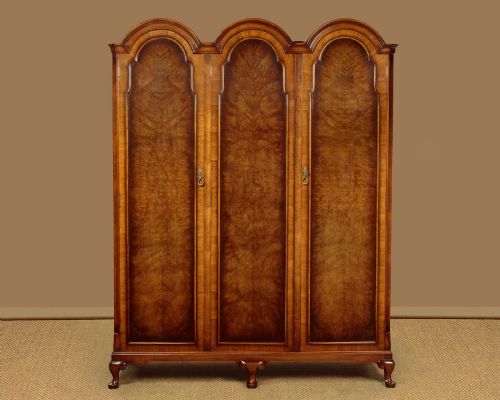
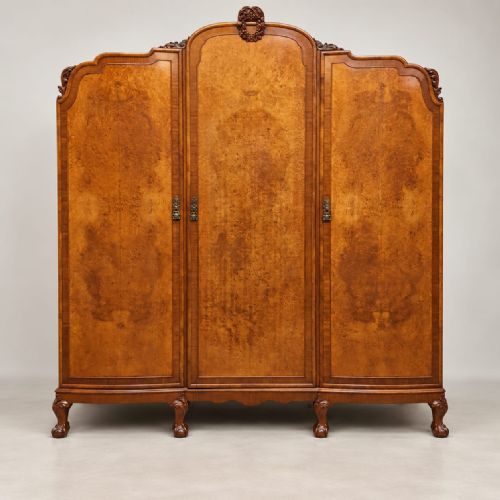
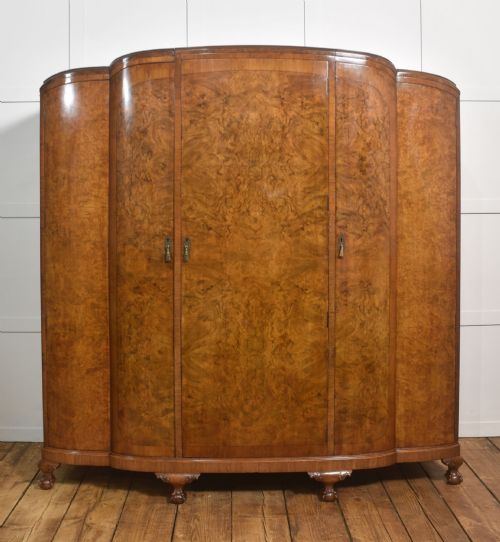
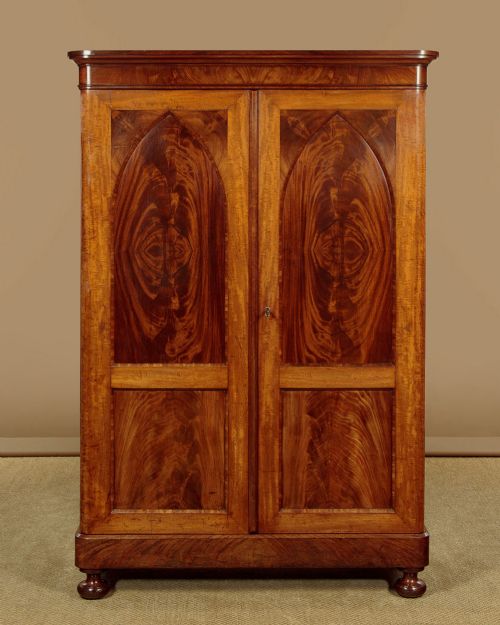
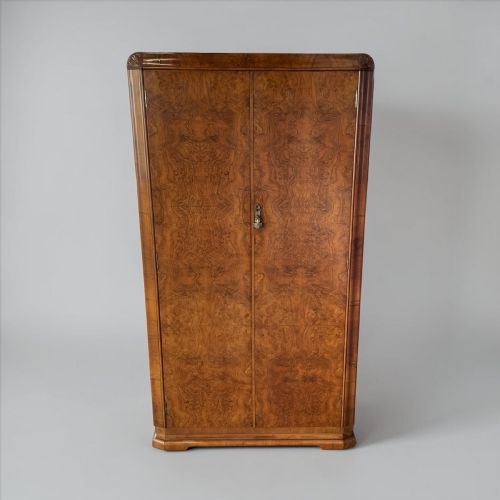
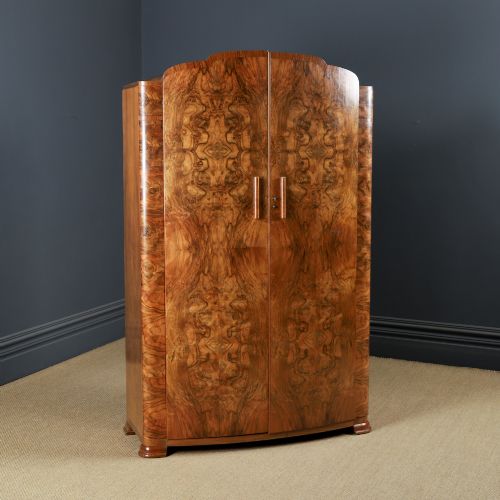
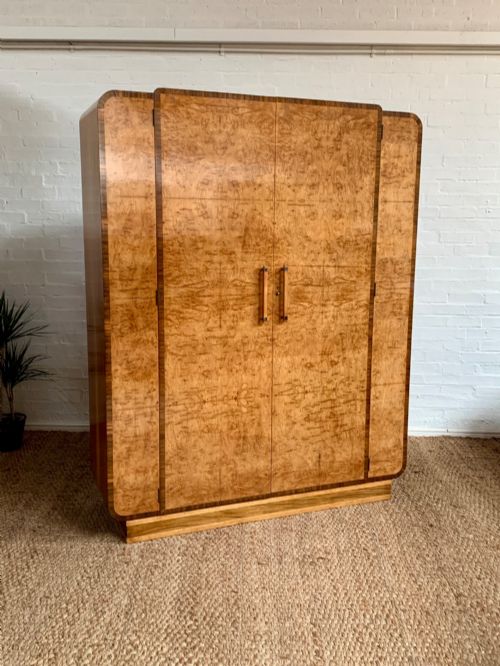
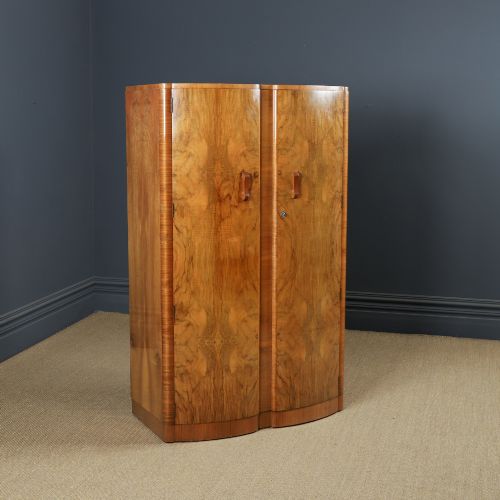
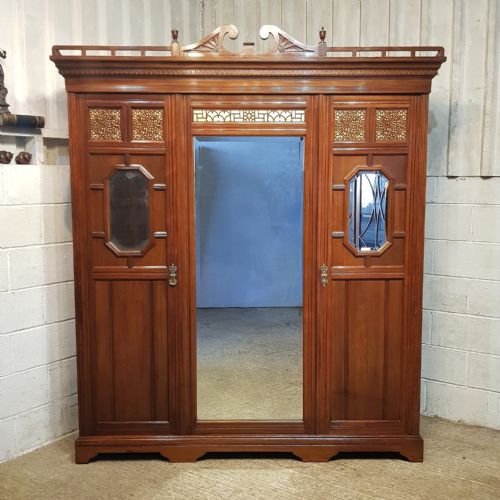
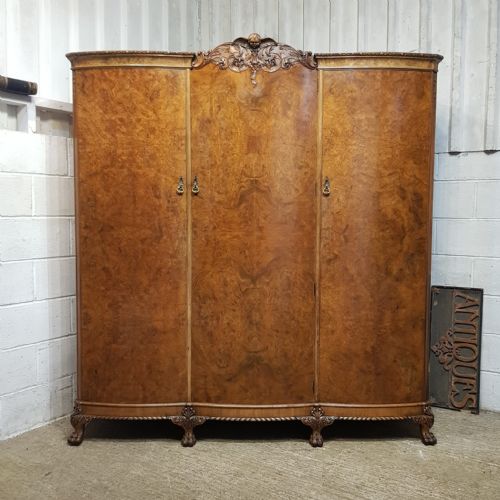
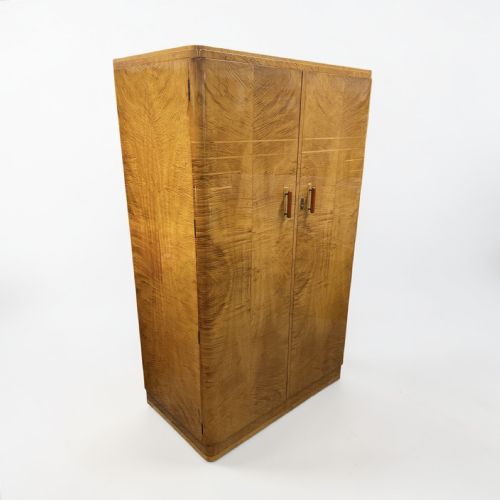
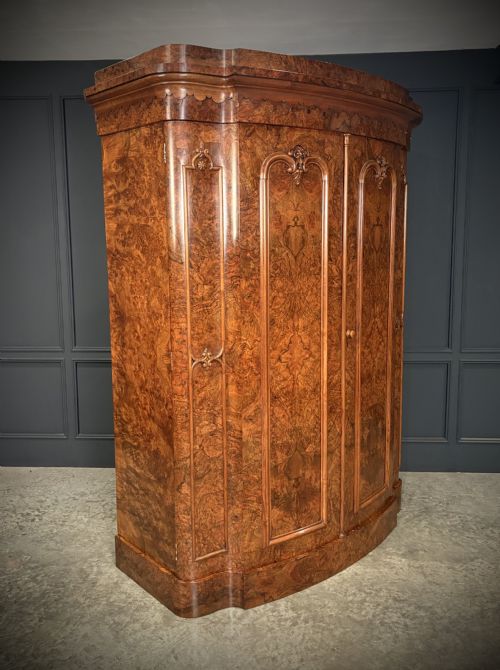
An antique clothes closet spans multiple centuries of craftsmanship, appearing in forms from Georgian mahogany double wardrobes to elaborate Art Deco burr walnut designs. Buyers seeking these large storage pieces encounter varied proportions, ranging from compact fitted wardrobes to expansive triple wardrobe configurations.
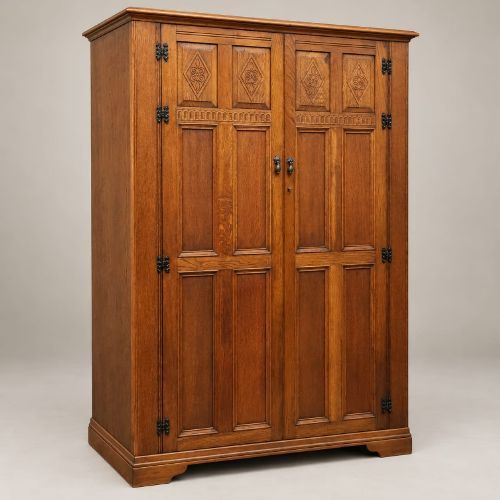
The selection includes regional interpretations such as carved oak French armoires, Dutch marquetry robes, and Edwardian Arts and Crafts oak cabinets. Many examples feature panelled doors, bow fronts, or serpentine fronted architecture designed to house garments efficiently while serving as a focal point in a room.
What varies in quality
Construction standards separate straightforward utility pieces from exceptional cabinet work, particularly in the selection of timber veneers and the precision of door alignment. The choice between solid mahogany, figured walnut, or standard oak directly influences the visual depth and weight of the furniture.
Internal sophistication also defines the tier of a piece, distinguishing basic hanging compartments from fully fitted interiors equipped with specialised shelving and drawers. Exterior embellishments, such as hand-carved oak motifs or intricate marquetry, signal higher execution levels by the maker.
Antique Clothes Closet Retail Price Guide 2026
Typical asking prices for clothes closet among the pieces listed under this phrase on Sellingantiques today, from the lower quarter to the upper quarter. They describe what is for sale here now, not the wider market.
One French armoire arrives ready for modern utility painted in downpipe grey, pairing historic carving with industrial paint.
Jean Faure·Harry and Lou Epstein
The Antique Clothes Closet Glossary
- Armoire
- A large cupboard or wardrobe, typically of French origin, used historically for storing garments. These pieces often feature deep proportions and double doors.
- Burr walnut
- A prized timber harvested from the wart-like growth on a walnut tree, yielding highly decorative and swirling grain patterns. Cabinet makers utilise veneers of this wood on prominent surfaces.
- Marquetry
- The art of applying small pieces of veneer to a structure to form decorative patterns or pictures. Dutch examples frequently employ this technique on floral motifs.
- Serpentine front
- A furniture front characterised by a wavy shape, curving outward in the centre and inward at the sides. This contour demands advanced woodworking skill to construct.
- Breakfront
- A piece of furniture where the central section projects forward from the flanking outer sections. This architectural arrangement creates varied depth and visual interest.
Antique Clothes Closet: Frequently Asked Questions
How do I clean the wood surface?
Dust regularly with a soft, dry cloth to prevent particulate accumulation on the timber grain.
Apply a quality beeswax periodically to nourish antique walnut, mahogany, or oak without leaving a heavy residue.
Can these wardrobes be dismantled for moving?
Many large period wardrobes and armoires were constructed to break down into sections for transport.
Check the internal construction and joints carefully before attempting disassembly to avoid damaging original wooden pegs or screws.
How do I identify an Art Deco piece?
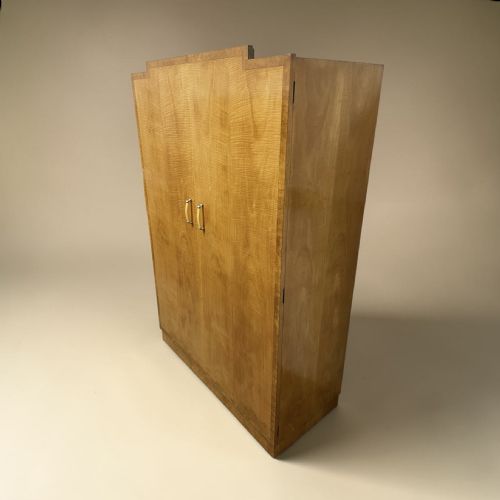
Art Deco pieces typically display streamlined geometric shapes, symmetrical layouts, and rich burr walnut or figured walnut veneers.
Clean lines take precedence over heavy carving, often complemented by minimalist brass handles or bow front profiles.
What is the difference between a wardrobe and an armoire?
Wardrobes generally refer to British and American standing closets designed specifically for hanging garments.
Armoires originate from continental Europe and often feature deeper shelving configurations alongside hanging space within heavy panelled doors.