
Antique Clothes Armoire
When you search for an antique clothes armoire, you enter a world of capacious timber storage designed for grand bedrooms and historic houses.
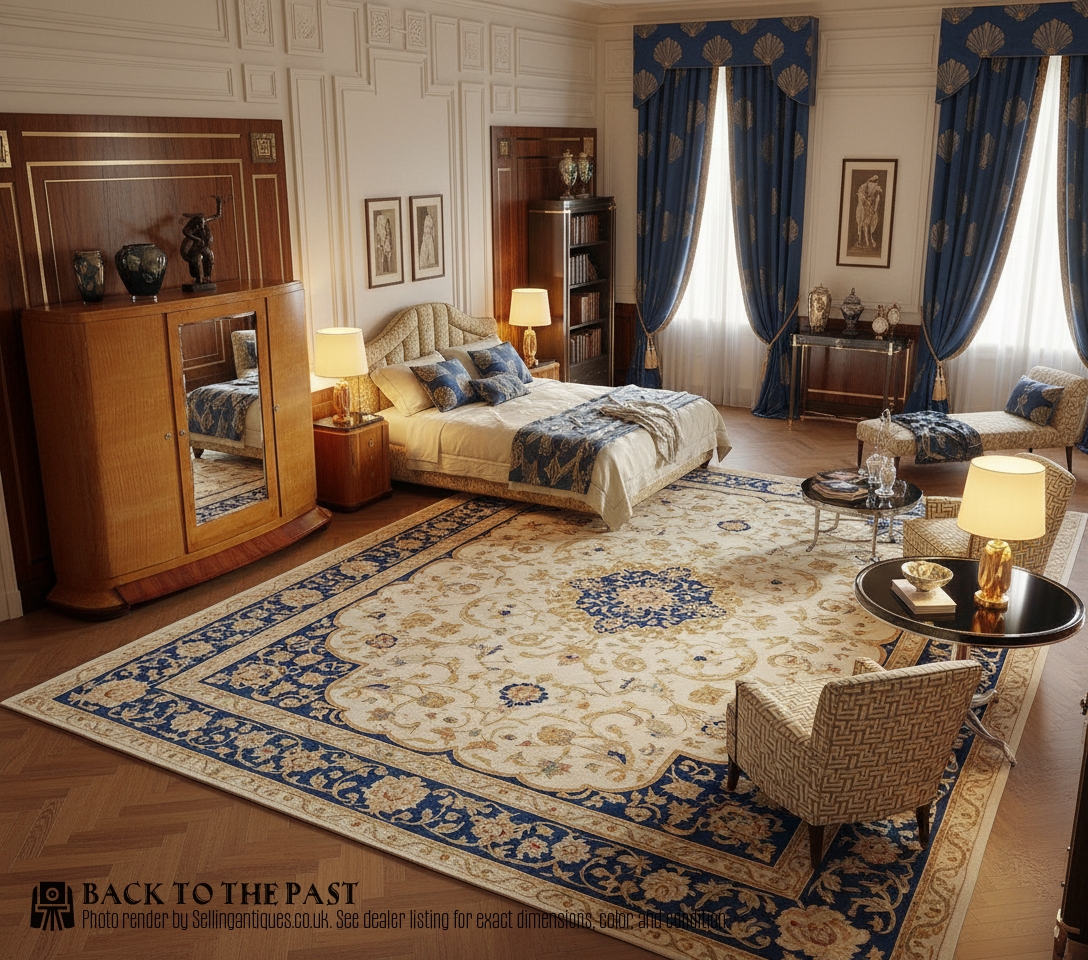
Antique Clothes Armoire
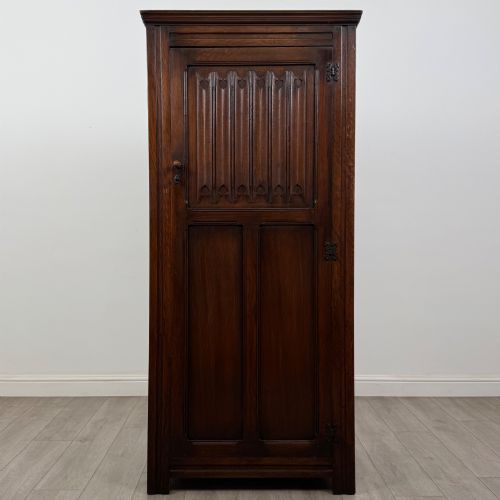
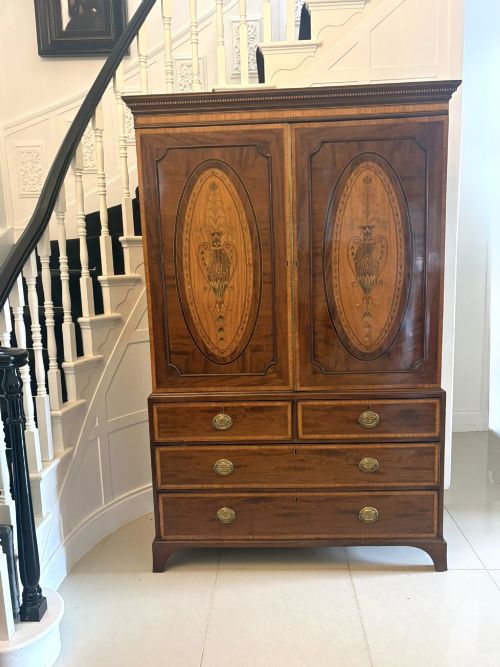
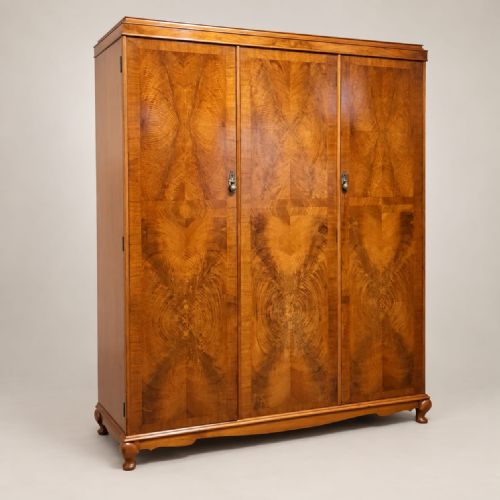
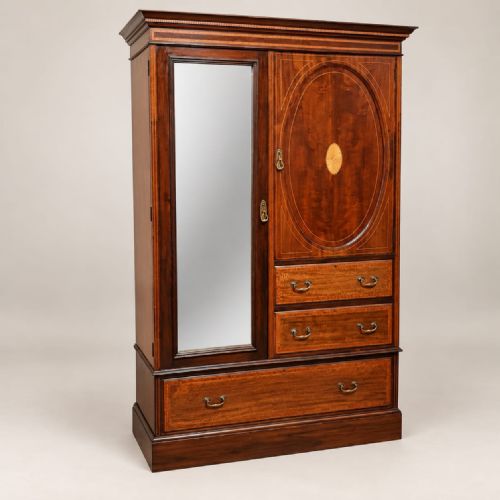
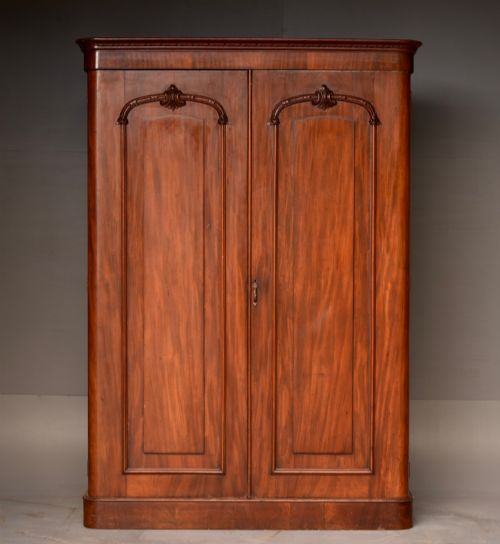
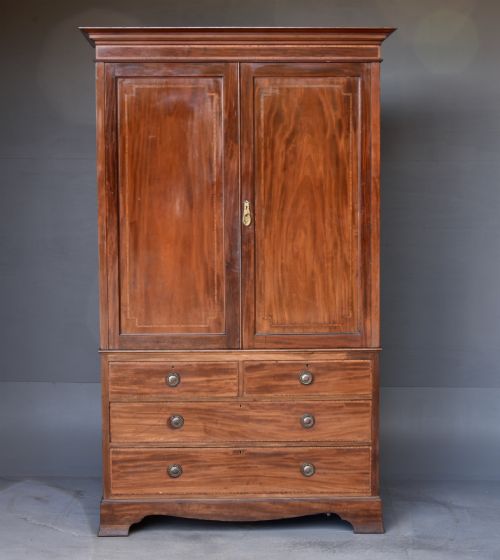
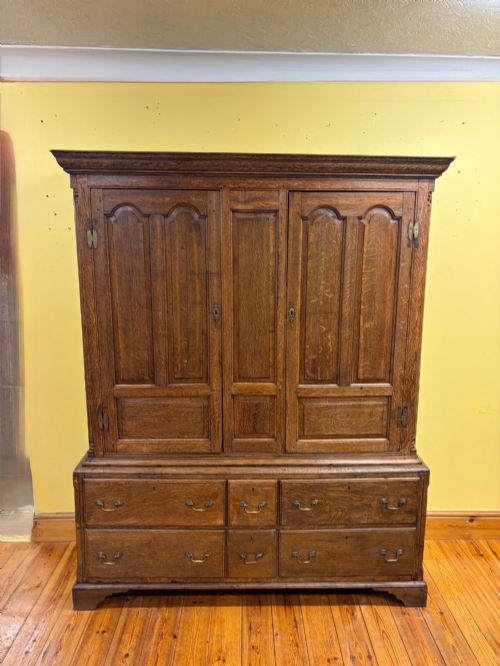
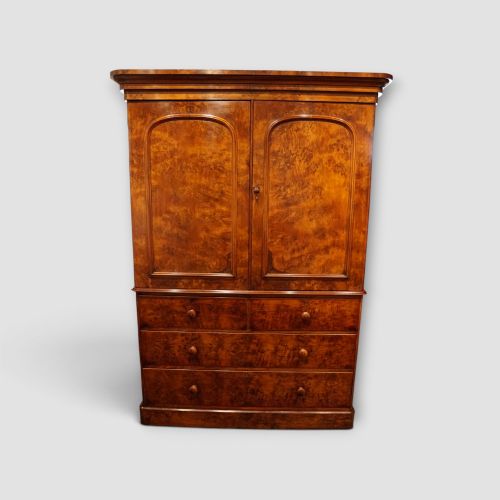
An antique clothes armoire encompasses substantial wardrobe designs, linen presses, press cupboards, and compactums originating from periods spanning the Georgian era through to the 1930s. Buyers searching for an antique clothes armoire typically encounter large statement pieces intended to anchor a bedroom with architectural presence and deep internal volume.
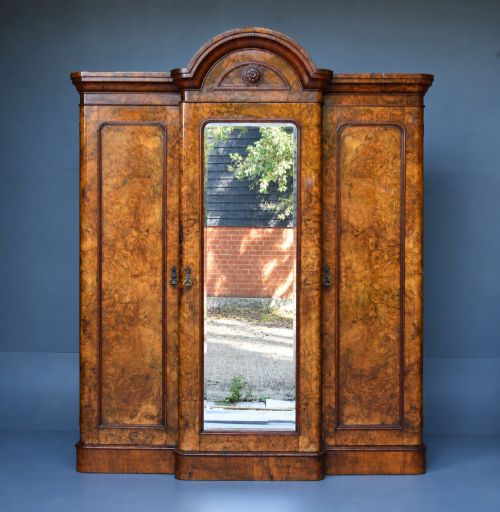
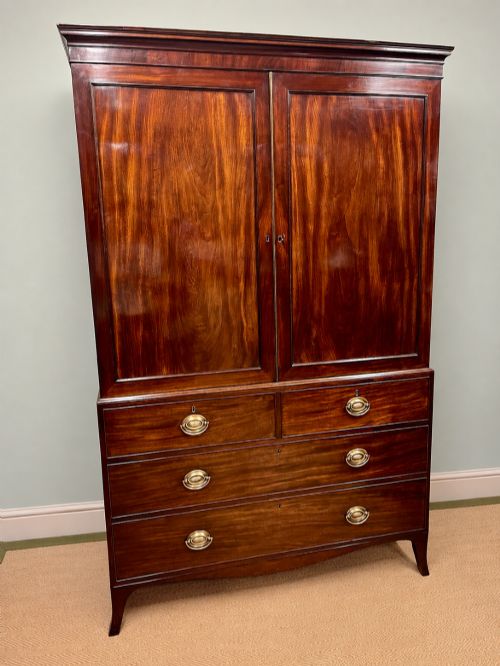
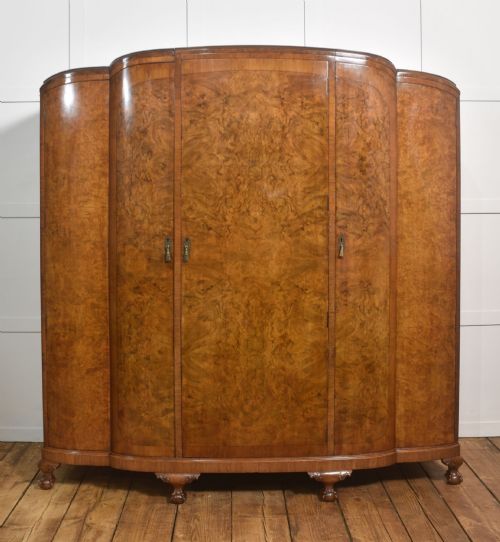
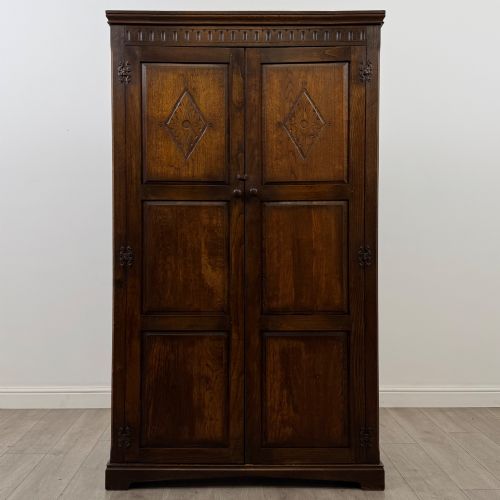
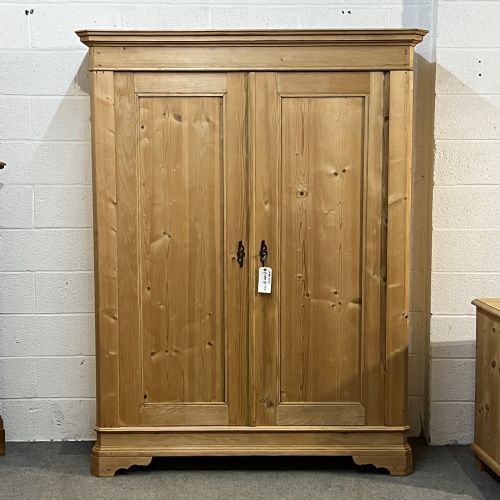
The selection ranges from Georgian and Regency mahogany linen presses with internal sliding trays to Victorian burr walnut triple wardrobes and Edwardian combination pieces in oak. French pine and walnut alternatives also appear alongside Art Deco breakfront designs and Arts and Crafts oak cabinets.
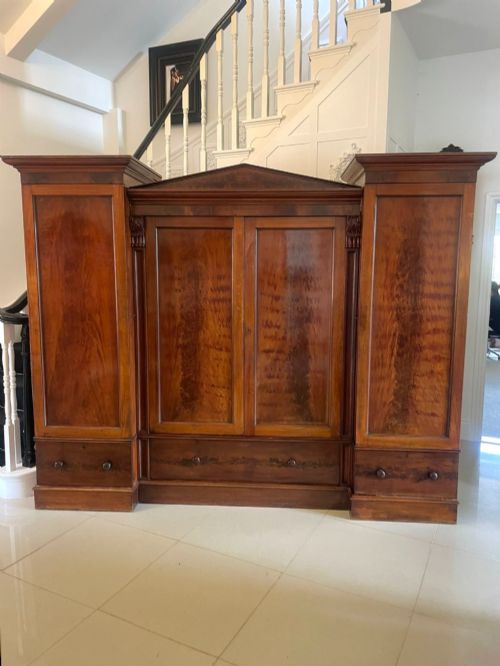
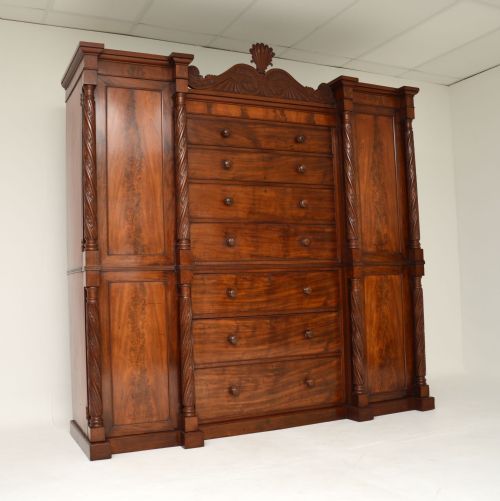
Forms vary from single mirrored doors and double configurations up to massive four-door wardrobes and breakfront layouts fitted with drawers, hanging space, and linen shelves. Pieces emerge from diverse aesthetic traditions including Louis Philippe, Art Nouveau, and regional British workshop styles.
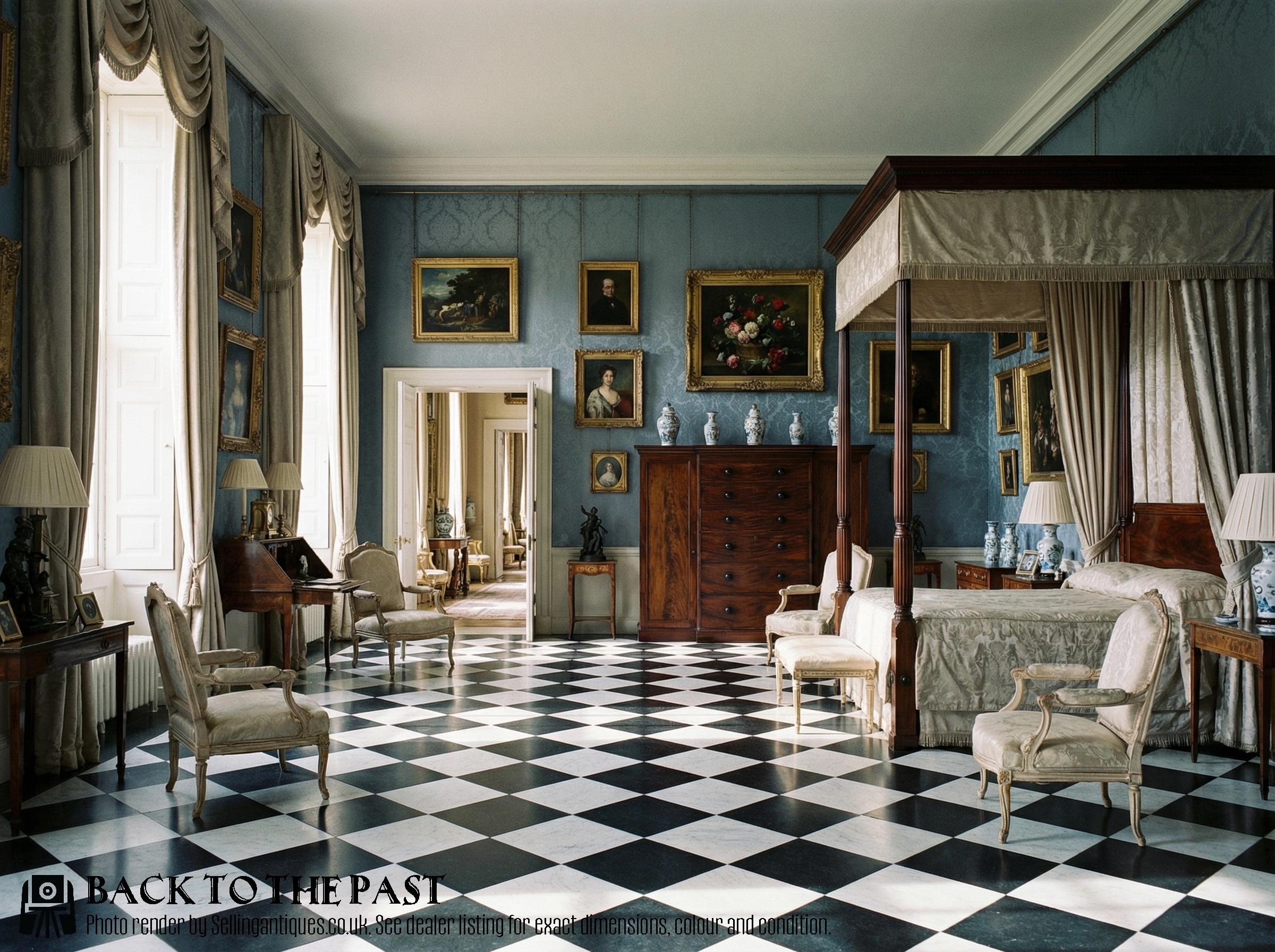
Materials and construction
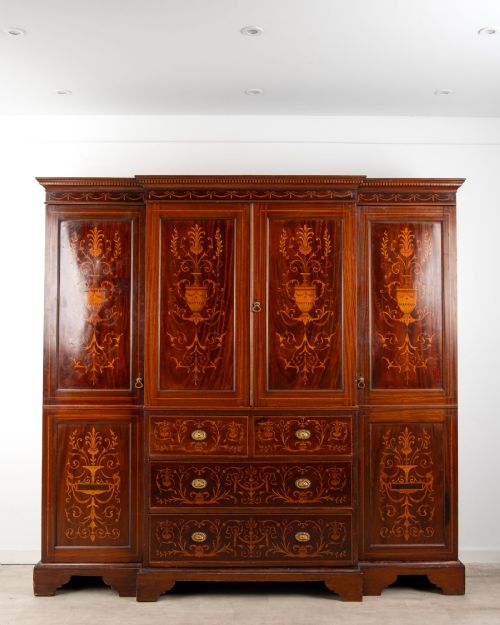
Cabinetmakers utilised robust native and imported timbers, predominantly employing mahogany, oak, walnut, and burr walnut alongside pine, ash, and cherry. Decorative surfaces often relied on figured veneers, satinwood inlay, brass hardware, glass panels, and occasional scumble faux paintwork.
Structural engineering prioritised practicality and transport, leading to knockdown formats in pine and large wardrobes built in modular sections that dismantle for positioning in rooms. Panel construction, hand-carved details, and integrated drawer sets define the heavy carpentry involved in building these capacious storage units.
Antique Clothes Armoire Retail Price Guide 2026
Typical asking prices for clothes armoire among the pieces listed under this phrase on Sellingantiques today, from the lower quarter to the upper quarter. They describe what is for sale here now, not the wider market.
Some nineteenth-century pine wardrobes carry scumble painted finishes designed to mimic more expensive oak timbers.
Distinctions in craftsmanship
Quality separates grand architectural statements from simpler utility furniture through the selection of timber figures, such as highly figured burr walnut and richly grained mahogany. The refinement of satinwood inlay, carved ornamentation, and the integration of breakfront symmetry elevate certain pieces above standard multi-door wardrobes.
Internal configuration and joinery complexity dictate the tier of a piece, with fitted compactums, multiple internal drawers, and original bevelled glass mirrors representing higher levels of period craftsmanship. The retention of original hardware, working locks, and stable knockdown mechanisms also distinguishes superior examples.
maples & co·MAPLES & SON
The Antique Clothes Armoire Glossary
- Compactum
- A multi-functional wardrobe featuring a combination of hanging space, shelves, and internal drawers within a single unified cabinet. These pieces maximise storage efficiency in domestic chambers.
- Linen Press
- A tall storage cabinet comprising upper sliding trays or shelves enclosed by doors, positioned above a base section of operational drawers. Originally designed for storing household linens flat.
- Breakfront
- A cabinet design where the central section projects forward from the flanking wings, creating visual depth and architectural rhythm. This format frequently appears on larger mahogany and burr walnut wardrobes.
- Scumble
- A decorative paint technique applied to create simulated wood grain effects, often seen on nineteenth-century pine furniture. It provided an economical alternative to solid hardwood finishes.
- Knockdown
- A piece of furniture engineered with pegged or bolted joints that allow the main carcass to dismantle into panels and sections for easier transport and installation.
Antique Clothes Armoire: Frequently Asked Questions
How do I fit a large wardrobe?
Many large nineteenth-century wardrobes and pine armoires are knockdown pieces designed to dismantle into manageable panels, cornices, and base sections for transport.
Buyers should verify whether a specific piece separates into parts to ensure it navigates staircases and fits securely into the intended bedroom space.
What is a compactum wardrobe?
A compactum combines multiple storage functions, integrating hanging space, shelving, and internal drawers into one comprehensive cabinet.
This form evolved to provide gentlemen and ladies with dedicated compartments for suits, folded garments, and accessories without needing separate chests of drawers.
How do I tell linen presses apart?
Traditional linen presses feature shallow sliding trays behind the upper doors for storing textiles flat, positioned above a chest of drawers base.
Standard wardrobes focus primarily on vertical hanging space for garments, though many Victorian and Edwardian examples merge both formats into a single combination unit.
What woods were used for armoires?
Cabinetmakers constructed these pieces using dense hardwoods like mahogany, oak, walnut, and cherry, alongside decorative veneers such as burr walnut and satinwood inlay.
Softer timbers like pine and ash also served for regional pieces, French provincial designs, and functional utility wardrobes.