

Antique Clock with Brass Dial
An antique clock with brass dial brings warmth and mechanical precision to a room through traditional craftsmanship.
Antique Clock with Brass Dial
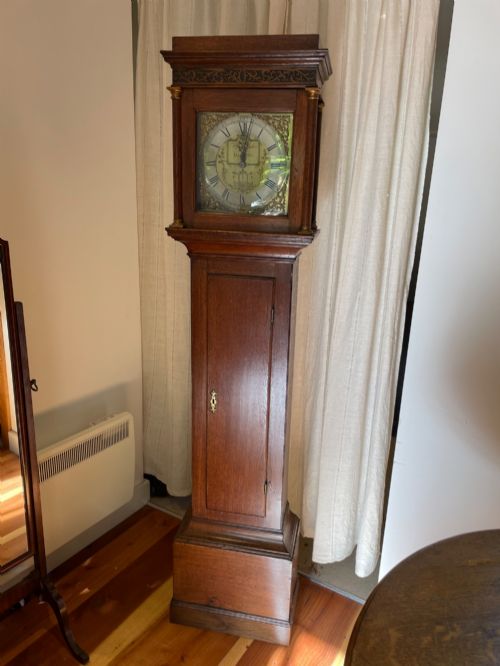
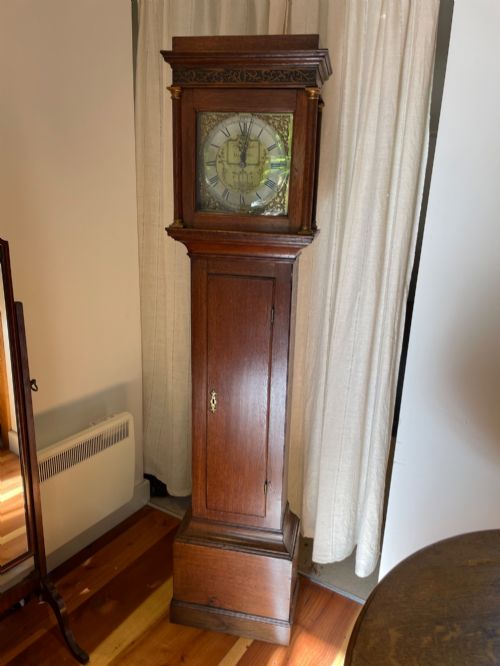
An antique clock with brass dial encompasses a range of timepieces spanning the Georgian, Victorian and Edwardian eras. Buyers encounter wall clocks, carriage clocks, mantel pieces and tall grandfather clocks housed in wood or metal.
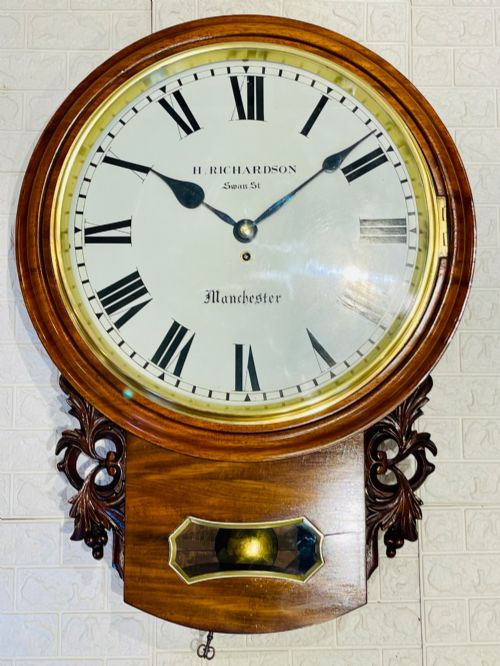
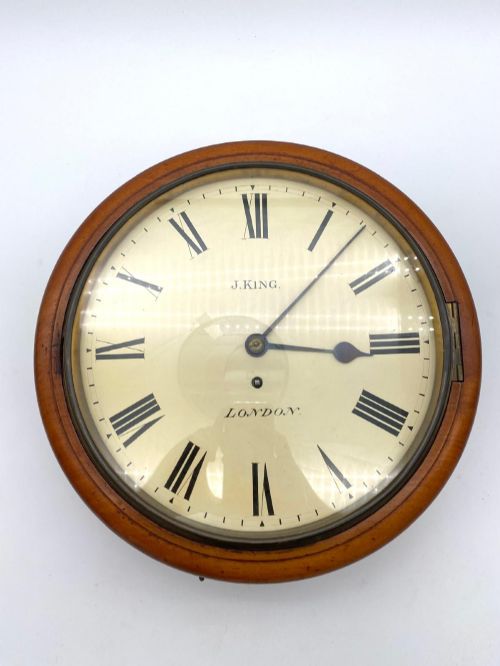
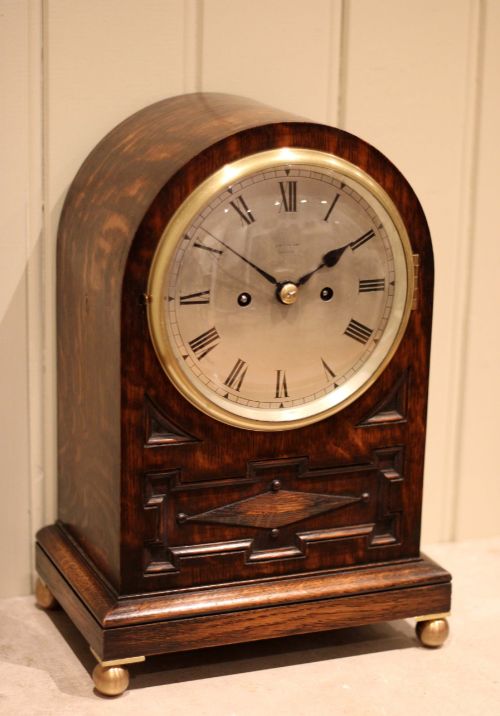
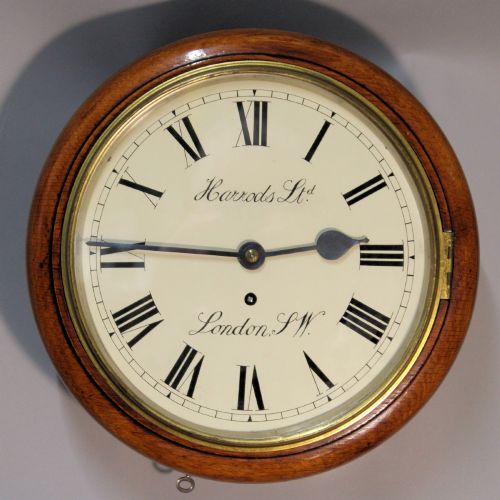
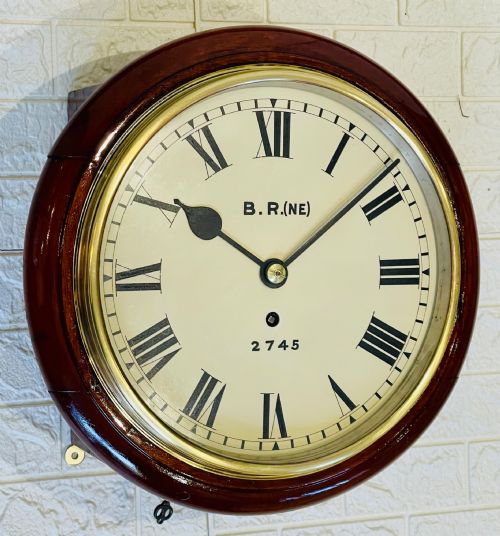
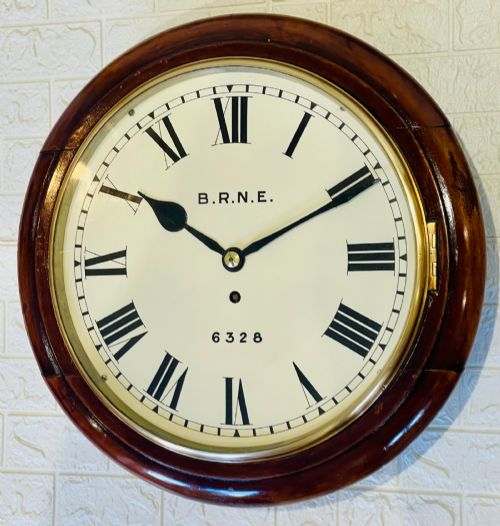
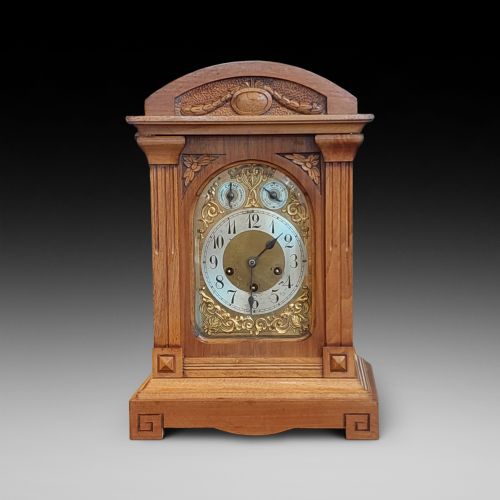
The selection on this page leans heavily toward wall clocks and mantel clocks from the nineteenth and early twentieth centuries. These domestic pieces reflect both British and continental European workshop traditions.
Materials and construction
Cases combine timbers such as mahogany, oak, walnut and ebonised wood with brass bezels and fittings. Movement plates and dials utilise cast or hammered brass, often paired with silvered chapters or enamel rings.
Makers housed mechanisms within fitted wooden boxes, securing glass lenses in hinged frames. Fusee movements, lever escapements and pendulum systems govern the internal mechanics.
Antique Clock with Brass Dial Retail Price Guide 2026
Typical asking prices for clock with brass dial among the pieces listed under this phrase on Sellingantiques today, from the lower quarter to the upper quarter. They describe what is for sale here now, not the wider market.
Listings feature movements spanning the 18th Century through the Victorian and Edwardian periods, utilising mahogany, oak, walnut and brass.
Assessing the standards
Superior pieces display crisp hand-chased engraving on the metal face and precision-cut teeth within the gear train. Cabinetry demonstrates careful timber selection, such as burr oak or figured mahogany veneers matched to the case proportions.
Lesser examples rely on standard stamped components and simpler box construction without secondary decorative inlay. The integration of specialised complications like moonphase displays or repeat striking mechanisms separates workshop tiers.
Zenith·Elliott·Lenzkirch·Henri Jacot·Friedrich Adler for Osiris·John Walker·Junghans
The Antique Clock with Brass Dial Glossary
- Fusee
- A conical pulley used in spring-driven clocks to equalize the diminishing power of the mainspring as it unwinds. This mechanism ensures consistent torque is delivered to the gear train.
- Escapement
- The mechanical linkage that controls the release of power from the gear train to the pendulum or balance wheel. It delivers impulses to keep the regulator swinging.
- Carriage clock
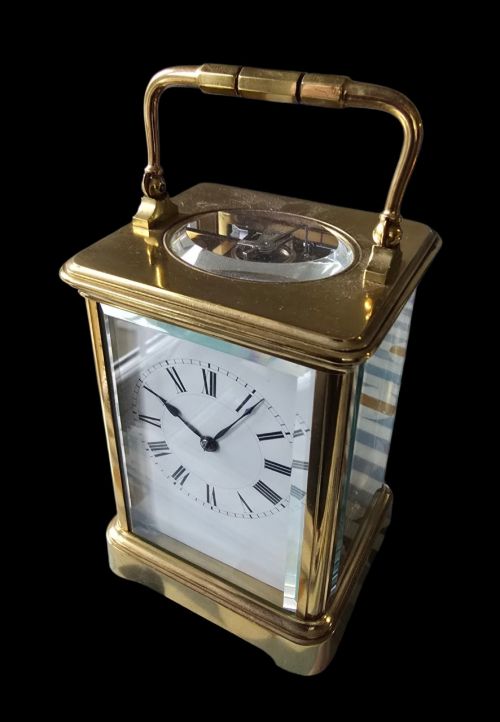
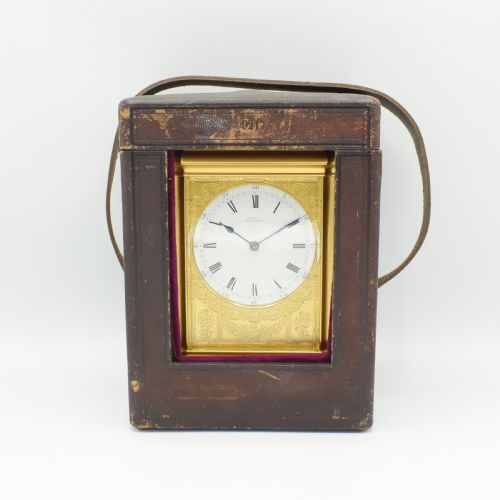
- A portable spring-driven timepiece designed for travel, typically fitted with a carrying handle and a glass-panelled brass case. They often feature platform escapements visible through the top or front.
- Longcase clock
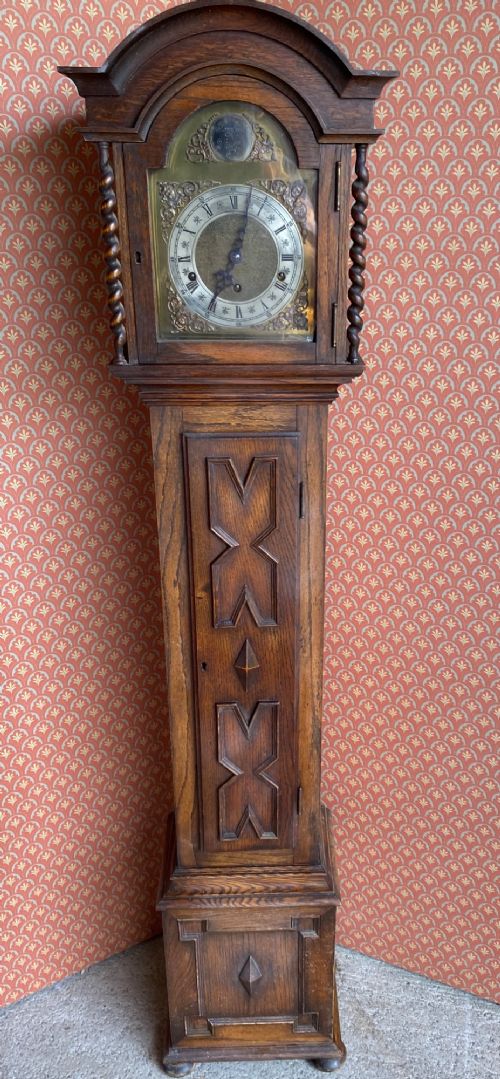
- A tall floor-standing timekeeper enclosed in a wooden case that houses a pendulum and weights. Also known as a grandfather clock.
- Bracket clock
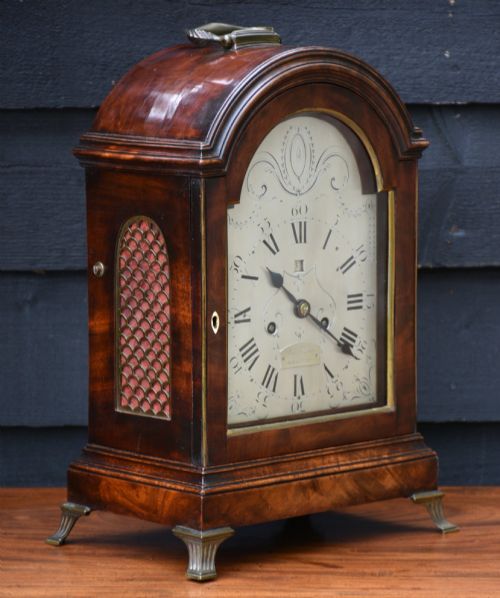
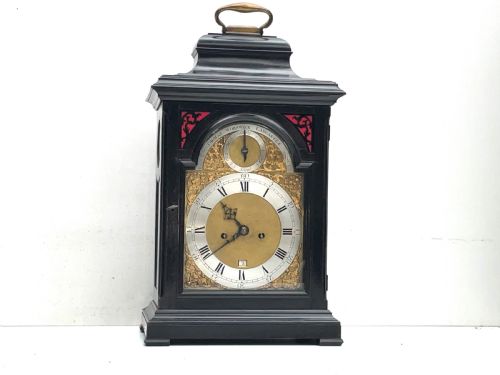
- A portable spring-driven clock originally designed to sit on a architectural wall bracket or shelf. These pieces frequently feature arched wooden cases with brass carrying handles.
Antique Clock with Brass Dial: Frequently Asked Questions
How do fusee clocks work?
A fusee clock uses a cone-shaped pulley connected to the mainspring by a cord or chain. As the spring loses tension, the chain moves to a wider part of the cone to maintain steady power.
This clever mechanical arrangement ensures the timekeeper maintains consistent accuracy throughout its running cycle.
Where should I place a wall clock?
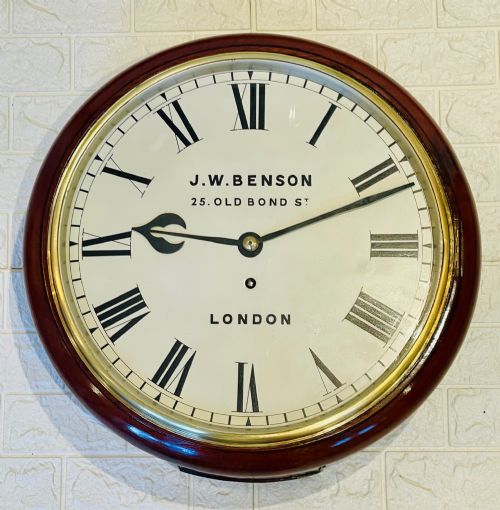
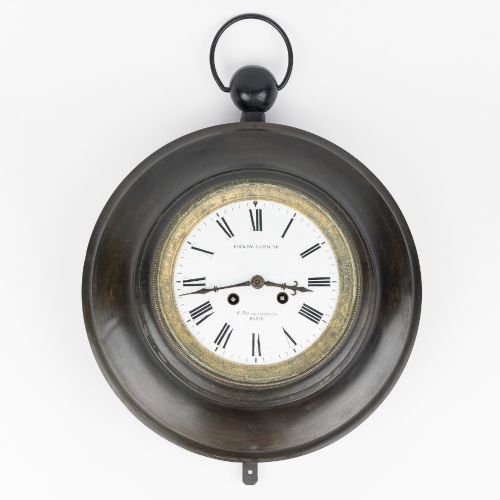
Wall timepieces require a sturdy internal wall away from damp areas and direct sunlight. Secure mounting ensures the pendulum hangs straight and swings freely.
Placing the piece at eye level allows easy viewing of the dial and convenient access for weekly winding.
How do I wind a carriage clock?
Carriage clocks generally utilise a key inserted into arbors located on the underside or backplate. Turn the key gently until you feel firm resistance, avoiding overwinding.
Most models run for eight days on a full wind, requiring a weekly maintenance routine.
What is a bracket clock?
Bracket clocks are portable spring-driven timepieces housed in wooden or metal cases with carrying handles. They earned their name from the wall shelves originally built to support them.
Over time, these versatile pieces moved from brackets to mantelpieces and tabletops while retaining their traditional name.