
Antique Clear Goblet
An antique clear goblet brings tactile weight and historic craftsmanship to the table, offering drinking vessels shaped by centuries of glassmaking skill.
Antique Clear Goblet
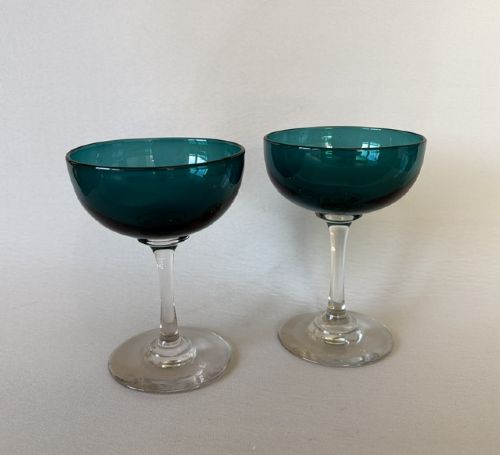
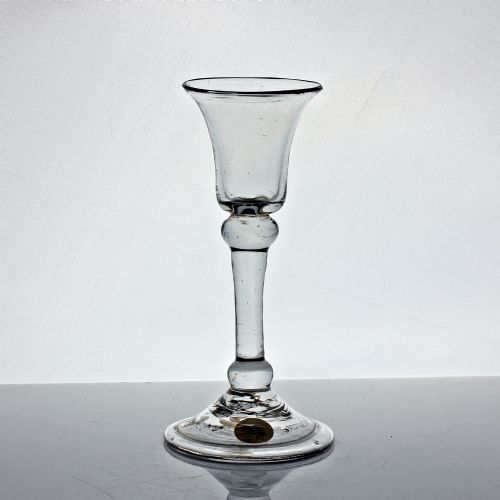
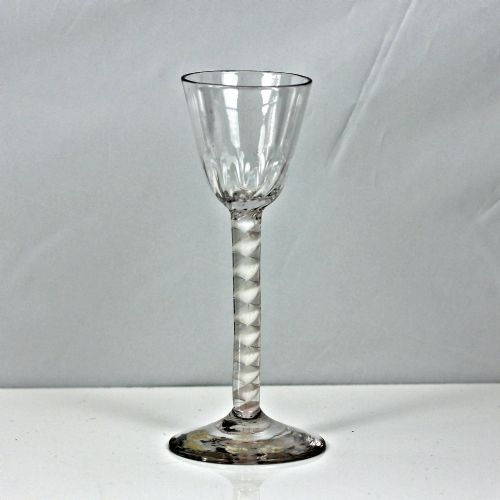
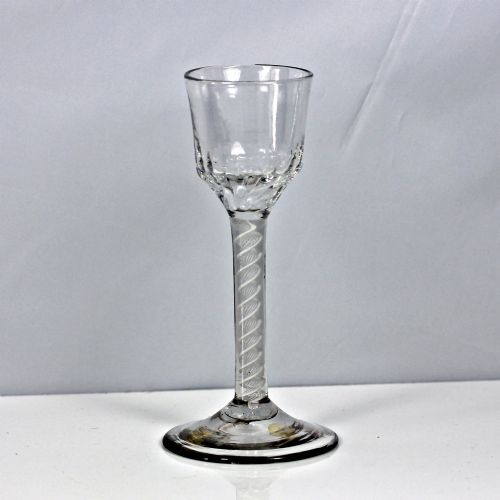
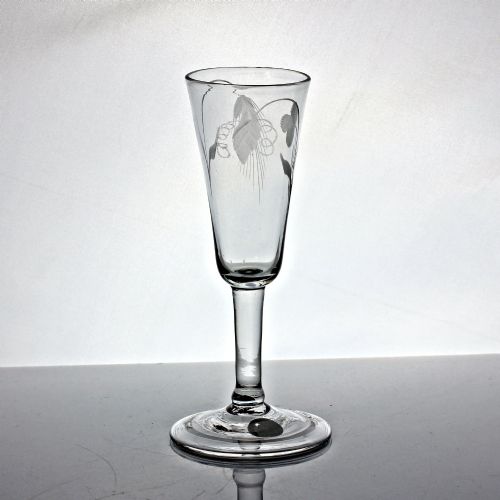
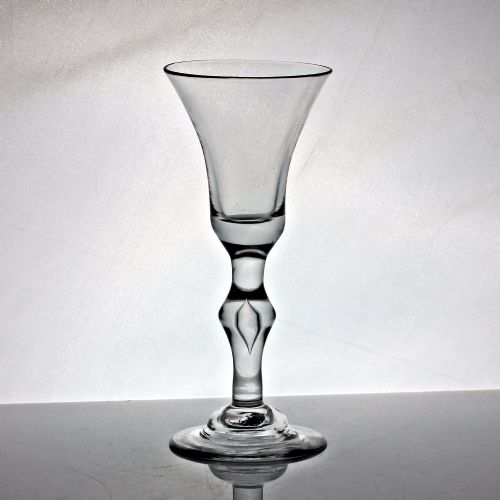
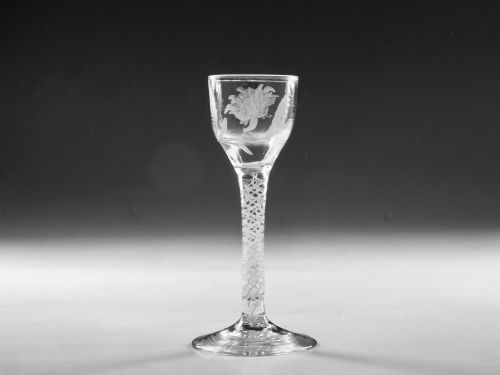
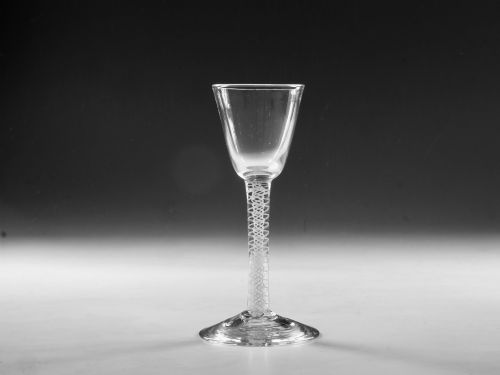
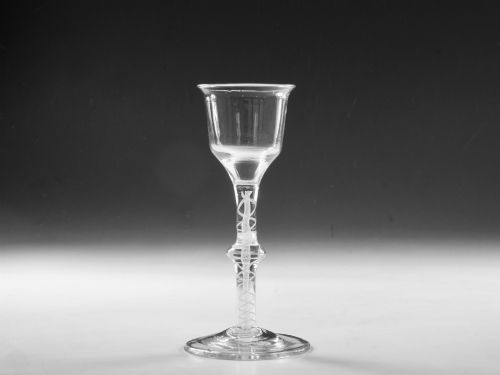
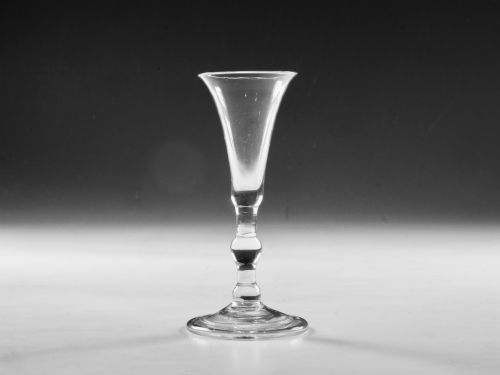
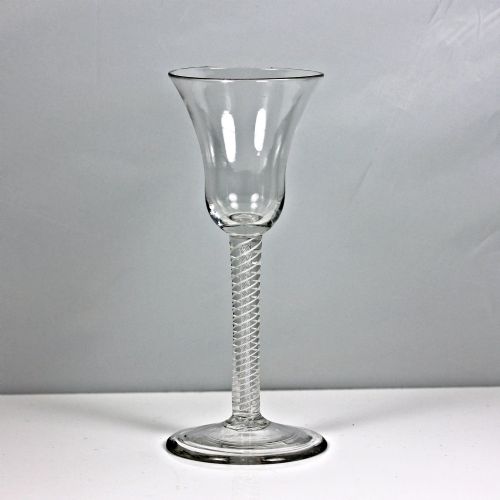
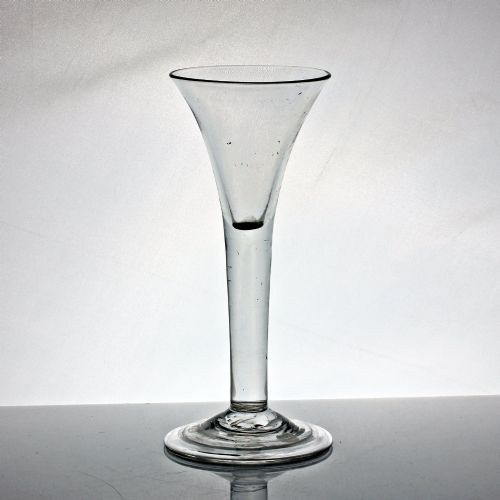
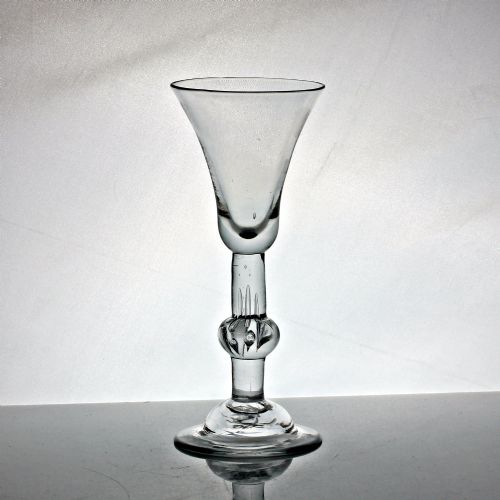
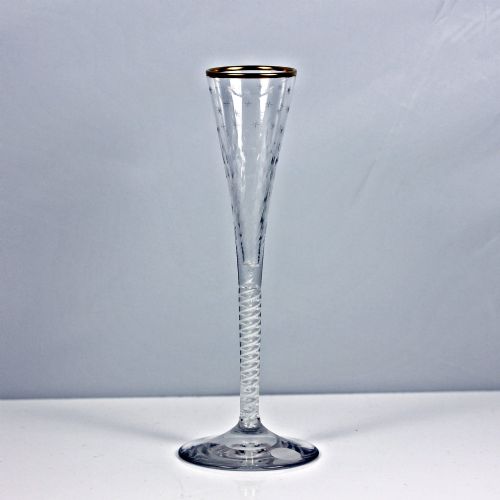
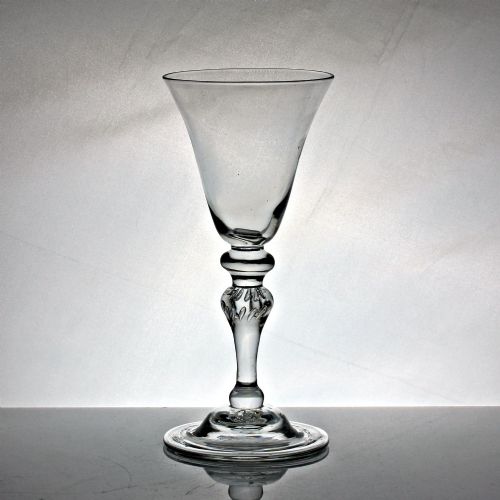
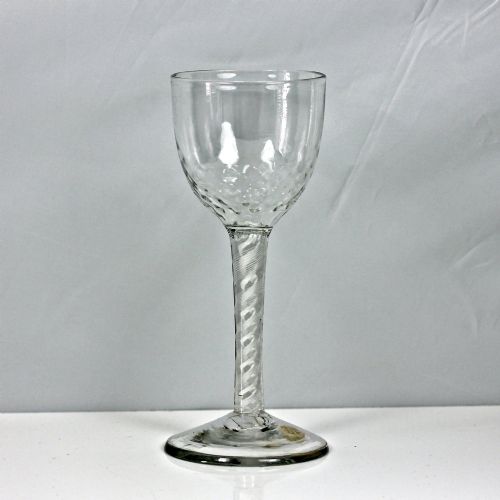
The search for an antique clear goblet encompasses a variety of heavy drinking vessels, rummers, and wine glasses spanning the eighteenth and nineteenth centuries. Examples on this page range from early Georgian balustroid and air twist glasses to Victorian rummers, celery vases, and Continental crystal pieces.
Forms vary from slender trumpet bowls and ogee shapes to substantial ceremonial beakers and faceted serving rummers. Many pieces reflect specific domestic uses of their era, including ale glasses, sweetmeat dishes, and wine goblets produced in England and across Europe.
Originating predominantly from eighteenth-century English workshops and nineteenth-century Bohemian factories, these objects display the shifting decorative preferences of the Georgian and Victorian periods.
Distinctions in quality
The distinction between ordinary production and superior work lies in the purity of the metal and the precision of the stem formation. Early lead glass clarity and the absence of heavy internal clouding mark out better examples.
Fineness of hand-engraving, whether depicting hops and barley or heraldic motifs, demonstrates the skill of the glass cutter. Well-balanced proportions between bowl, stem, and foot distinguish superior vessels from utilitarian wares.
Listings span the eighteenth and nineteenth centuries, featuring Georgian, Victorian, and Regency styles made from lead glass, crystal, and enamel.
Moser·Theresienthal
The Antique Clear Goblet Glossary
- Air twist
- A stem containing spiral threads of trapped air created by drawing and twisting the glass while hot. This technique was popular in mid-eighteenth-century English drinking vessels.
- Opaque twist
- A stem formation enclosing white or coloured enamel rods twisted into threads within the clear glass. It defines a distinct group of Georgian drinking glasses.
- Rummer
- A large, sturdy goblet popular in the late eighteenth and nineteenth centuries, typically used for ale, beer, or punch. They often feature generous bowls on thick, short stems.
- Baluster
- A heavy, turned stem style resembling architectural supports, characteristic of early eighteenth-century English glass. Knops and swelling profiles provide a tactile grip.
- Wrythen
- A decorative pattern of spiral ribs or flutes moulded into the body of a glass. It gives a textured, optical effect to the bowl or foot.
Antique Clear Goblet: Frequently Asked Questions
How do I date an antique goblet?
Dating relies on stylistic clues such as stem construction, bowl shape, and foot formation. Eighteenth-century pieces often display air or opaque twists, while nineteenth-century rummers tend to be heavier and feature faceted cutting or engraving.
Material composition also assists attribution. Early lead glass and flint glass differ in weight and refractive index from later Victorian and Bohemian crystal formulations.
Were these goblets used for wine?
While many were designed for wine, others served for ale, beer, punch, or celery presentation. Smaller bowls generally held wine or spirits, whereas massive rummers suited hearty ales.
Engravings often hint at the intended beverage or social context, such as hop and barley motifs for brewing vessels or Jacobite symbols for political toasts.
What is the difference between lead glass and crystal?
Lead glass contains a significant percentage of lead oxide, which increases density, weight, and light dispersion. The term crystal often denotes high-clarity lead glass capable of sharp facet cutting.
Georgian and Victorian makers relied on these heavy formulations to achieve the resonance and brilliance prized in fine tableware.