

Antique Clear Glass Decanters
These antique clear glass decanters, including claret jugs and carafes, bring craftsmanship and weight to the dining table.
Antique Clear Glass Decanters
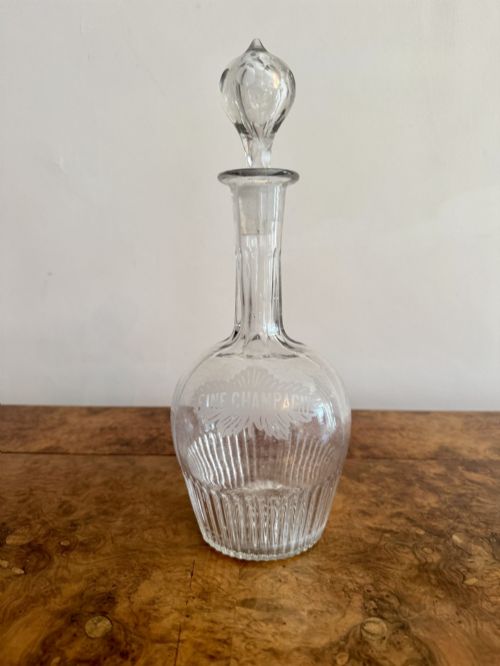
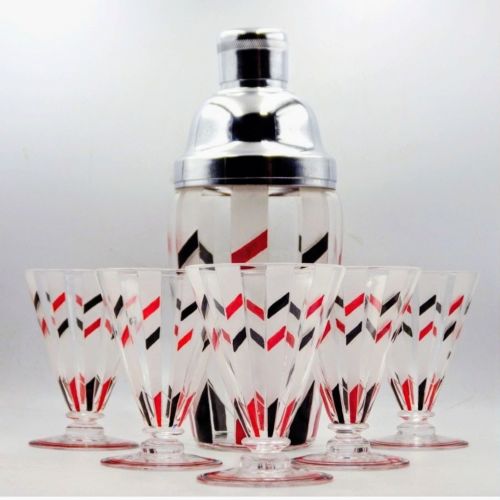
When you search for antique clear glass decanters, you encounter vessel forms that span from the Georgian era through to the Art Deco period of the 1930s.
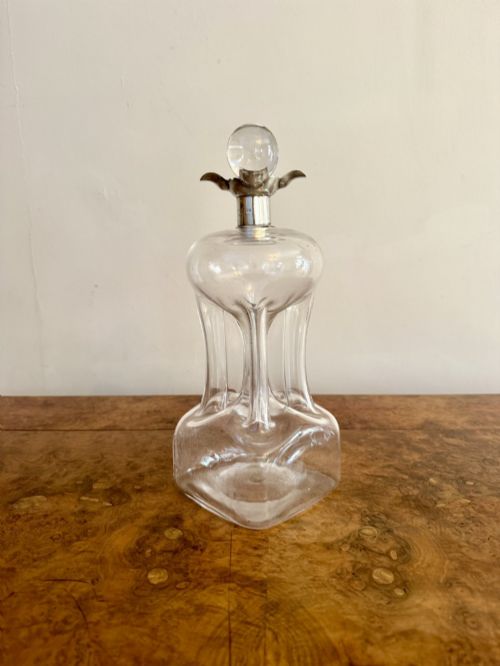
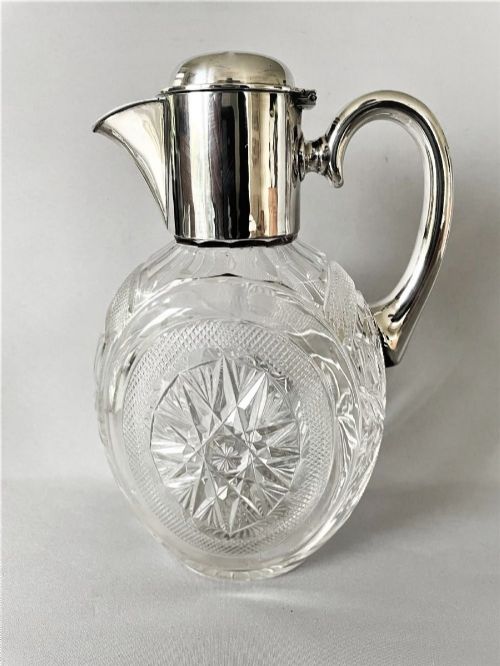
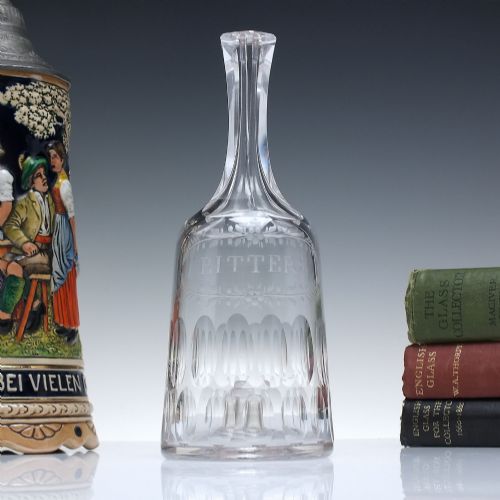
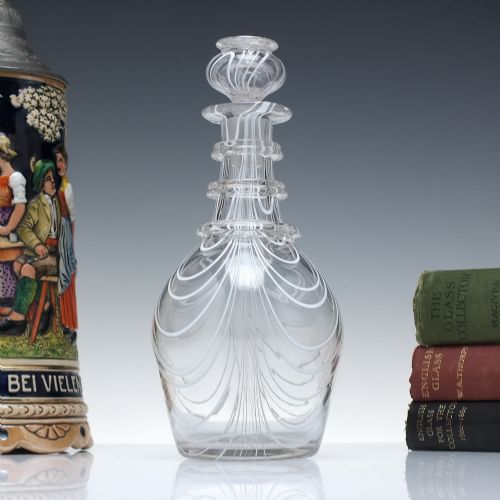
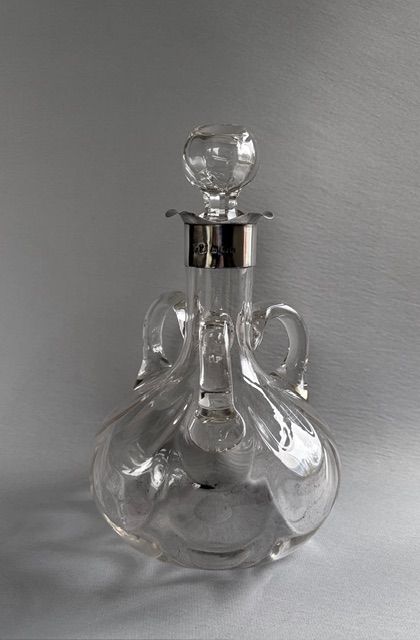
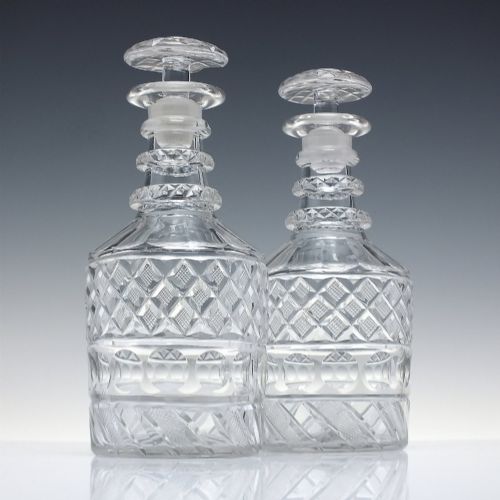
The selections most frequently met on this page include Victorian cut glass pieces and Edwardian silver-collared examples, alongside Georgian wine vessels and carafes.
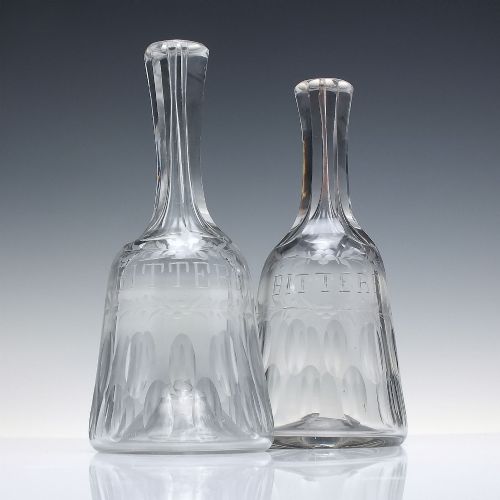
These items serve practical functions as containers for wine, spirits, bitters, and oils, while displaying the distinct design idioms of their respective eras.
Glass, crystal and metal mounts
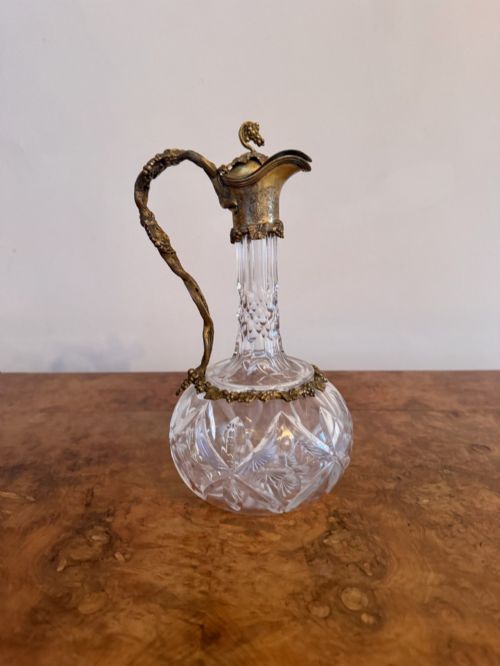
The objects combine blown and lead glass bodies with mounts of sterling silver, silver plate, white metal, and gilt metal.
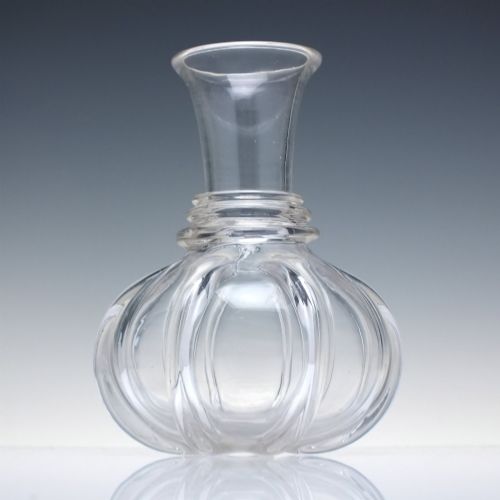
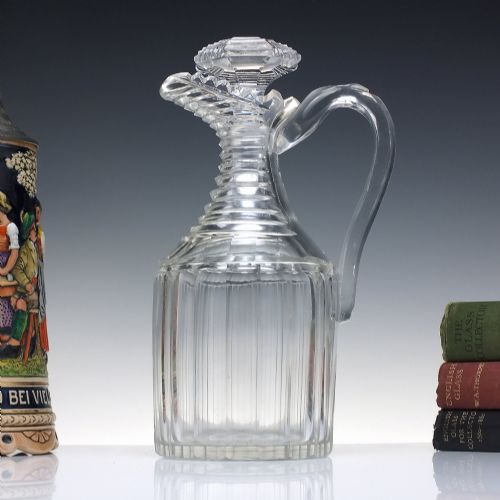
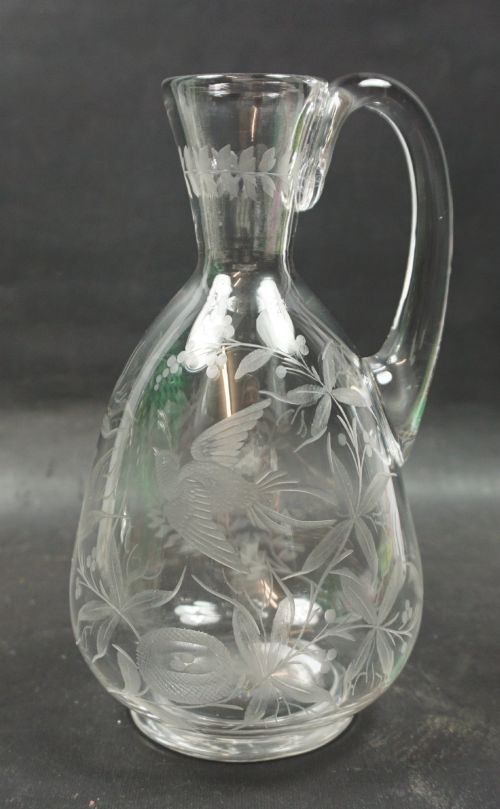
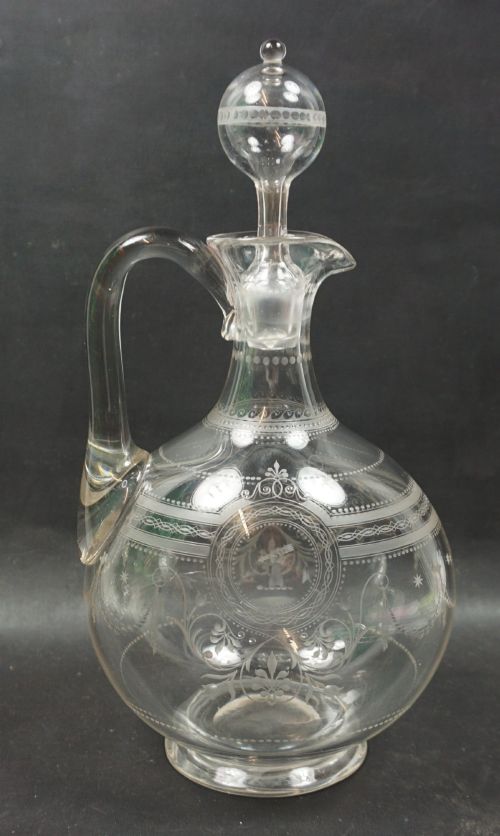
Makers utilised techniques such as deep wheel cutting, pillar moulding, overshot glass application, and detailed engraving depicting birds, flowers, and armorial crests.
Antique Clear Glass Decanters Retail Price Guide 2026
Typical asking prices for clear glass decanters among the pieces listed under this phrase on Sellingantiques today, from the lower quarter to the upper quarter. They describe what is for sale here now, not the wider market.
The listings encompass vessels produced across the Georgian, Victorian, Edwardian, and Art Deco periods, utilising lead glass, crystal, and sterling silver.
Distinctions in craftsmanship and material
Quality rests upon the clarity and weight of the lead crystal, the crispness of the wheel-cut facets, and the precision of the engraving.
The presence of hallmarked sterling silver collars, internal ice chambers, or specialised fittings such as silver-mounted bitters jiggers elevates the execution of the piece.
Hukin & Heath·James Powell·Walsh & Walsh·Levi & Salaman·James Giles
The Antique Clear Glass Decanters Glossary
- Claret jug
- A vessel specifically designed for serving red wine, usually fitted with a handle, hinged metal lid, and pourer.
- Lead crystal
- Glass containing lead oxide, which increases the weight, refractive index, and clarity of the material.
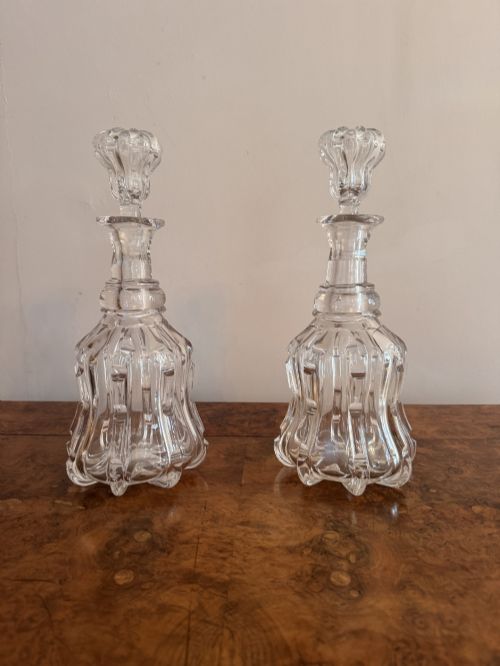
- Prussian decanter
- A form featuring a short neck, broad body, and heavy rib or pillar moulding originating in the late eighteenth and early nineteenth centuries.
- Sugar loaf bitters bottle
- A container with a tapering, domed profile utilised for dispensing aromatic bitters.
Antique Clear Glass Decanters: Frequently Asked Questions
How do I date an old decanter?
Dating relies upon observing the silhouette, the presence of pontil marks on the base, and the style of any silver mounts or hallmarks.
Changes in glass chemistry and cutting techniques across the Georgian, Victorian, and Edwardian periods further clarify the decade of production.
Were these vessels used only for wine?
While many held claret, port, or whisky, others served specialised contents including bitters, oils, vinegars, and liqueurs.
Smaller bottles functioned as scent or cologne containers on dressing tables.
How do I clean an antique decanter safely?
Gentle washing with warm water and specialised cleaning beads removes internal residue without scratching the aged glass.
Harsh detergents and sudden temperature changes should be avoided to protect both the lead crystal and any metal mounts.
What is the difference between a decanter and a carafe?
Decanters generally feature fitted stoppers and heavier cut glass bodies intended for sealing and serving spirits or aged wines.
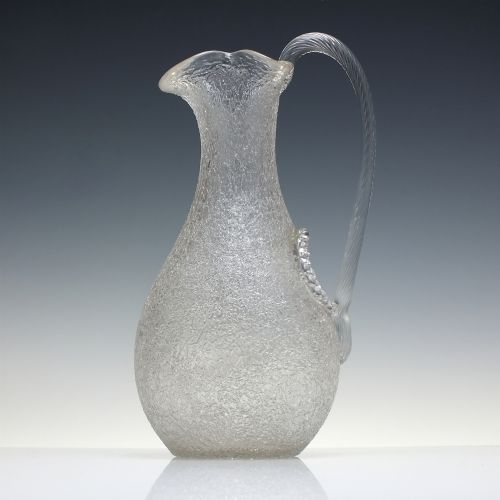
Carafes typically lack stoppers and often incorporate handles or spouts suited for immediate table service.