


Antique Clay Sculpture
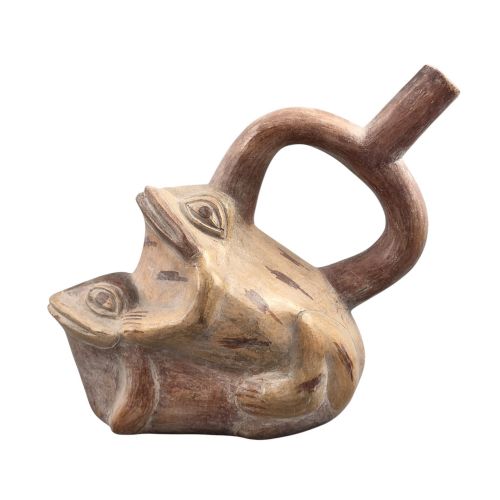
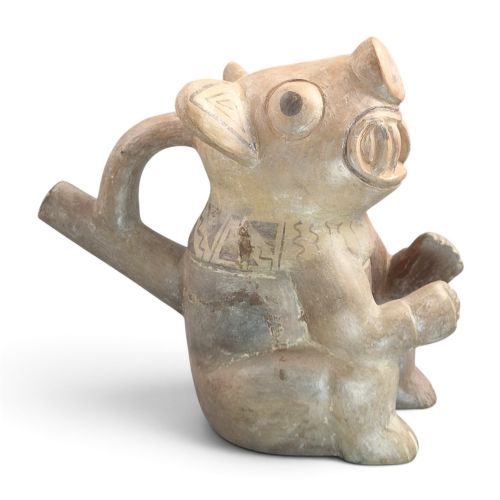
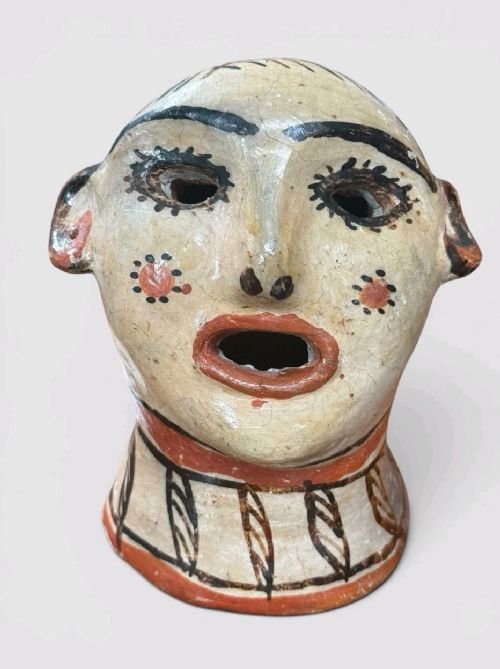
These antique clay sculpture pieces range from classical busts and garden animals to ancient tomb figures, shaped by hand from terracotta and earthenware.
Antique Clay Sculpture
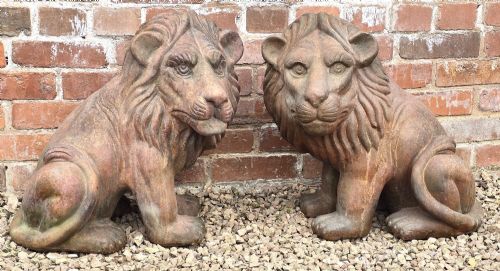
Every antique clay sculpture piece on this page demonstrates the versatility of fired earth across centuries of international artistry. Buyers encounter everything from large Italian garden lions and decorative busts to Pre-Columbian seated figures and Chinese tomb pottery.
Nineteenth century works dominate the selection, heavily influenced by Neoclassical tastes, Grand Tour souvenirs, and European studio output. Figures span diverse cultural origins including Khmer, Indian, French, and British traditions.
Functional objects also appear alongside pure display pieces, notably architectural tent pole tops and heavy bookends. The sheer variety of forms reflects how makers utilised clay for both domestic adornment and monumental display.
Materials and methods
Makers utilised terracotta, earthenware, and bisque pottery, frequently finishing surfaces with pigment, paint, or lime wash. Sculptors modelled the clay by hand or cast it into moulds before firing the material to achieve a hard, durable body.
Certain pieces incorporate secondary elements such as wood mounts, while others rely on surface treatments like bronzing to simulate heavier metal casts. The interaction between the porous clay body and applied colour defines the visual character of each piece.
Object forms range from portrait busts and bookends to architectural tent pole tops and large animal statues.
Judging quality in clay sculpture
The integrity of the fired body and the preservation of original surface finishes, such as early pigments or lime wash, separate exceptional survivals from heavily restored or weathered examples.
Compton Potters Art Guild·Georges Morin·Joseph Gott·B Rezl·Richard Avrilli
The Antique Clay Sculpture Glossary
- Terracotta
- A porous, brownish-red earthenware clay that is fired in a kiln and used extensively for sculptural figures and architectural ornaments. It serves as the primary medium for the majority of works on this page.
- Bisque
- Unglazed fired pottery that presents a matte, porous white or cream surface. This technique highlights fine modelling without the distraction of a shiny glaze.
- Mingqi
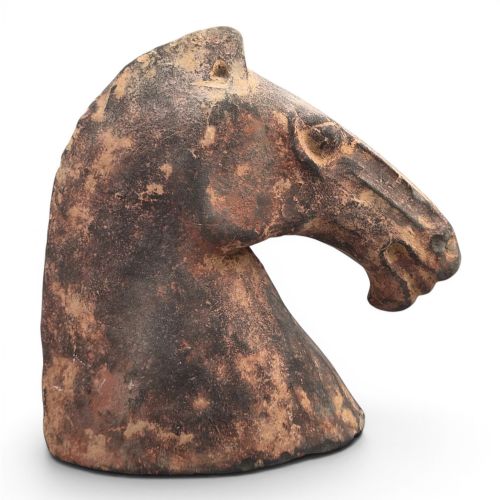
- Chinese burial pottery and figures placed in tombs for the afterlife, including terracotta horse heads. These objects reflect ancient mortuary customs.
- Neoclassical
- A style spanning the 18th and 19th centuries inspired by the art and culture of classical antiquity. Sculptors working in this mode frequently depicted mythological subjects and historical busts.
- Grand Tour
- A cultural journey undertaken by wealthy Europeans through France and Italy to collect classical antiquities and souvenirs. Many terracotta reductions of famous statues date from this period of travel.
Antique Clay Sculpture: Frequently Asked Questions
Are these sculptures suitable for the garden?
Only pieces specifically designated as garden statues or garden sculptures are intended for outdoor placement. Frost can easily crack traditional earthenware if left exposed during winter months.
Indoor sculptures should remain away from damp environments to preserve original pigments and lime wash finishes.
What is the difference between terracotta and bisque?
Terracotta is a reddish-brown iron-rich clay fired to a porous state, valued for its warm earthy tones and extensive history in Mediterranean sculpture. Bisque refers to unglazed pottery fired to a white or pale cream finish.
Both materials lack surface glaze, but their contrasting natural colours produce entirely different visual effects.
How can I tell the age of a clay sculpture?
Examine the surface wear, tool marks, and the condition of any applied pigments or paint layers. The style of the modelling often corresponds directly to periods like the Victorian era or Art Deco.
Maker signatures and registration marks also help narrow down the date of creation.