


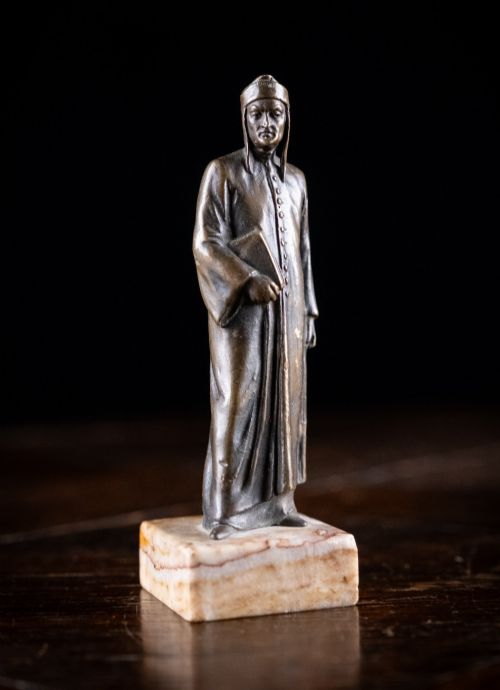
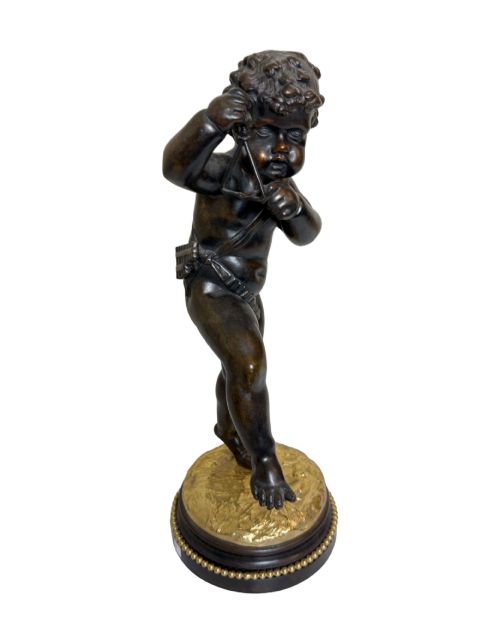
Antique Classical Sculpture
These antique classical sculpture pieces capture centuries of mythological and historical ideals in enduring bronze and marble.
Antique Classical Sculpture
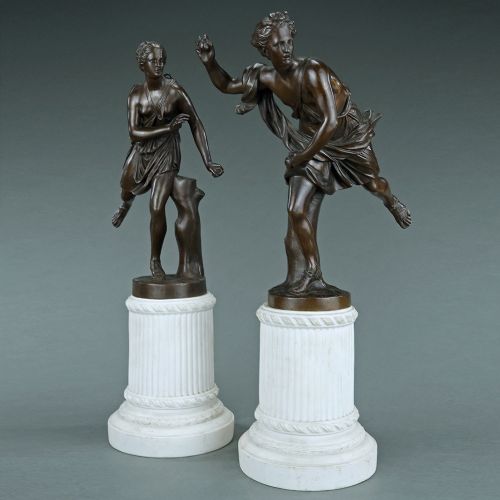
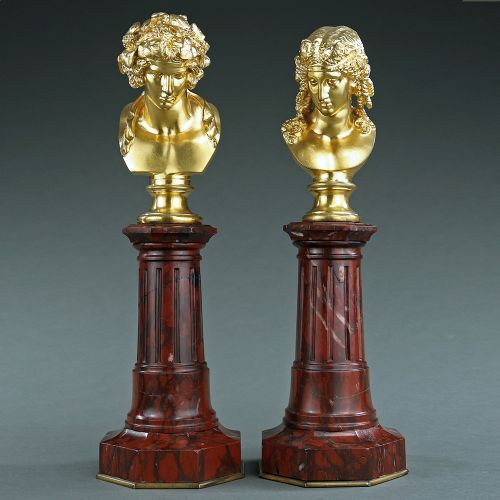
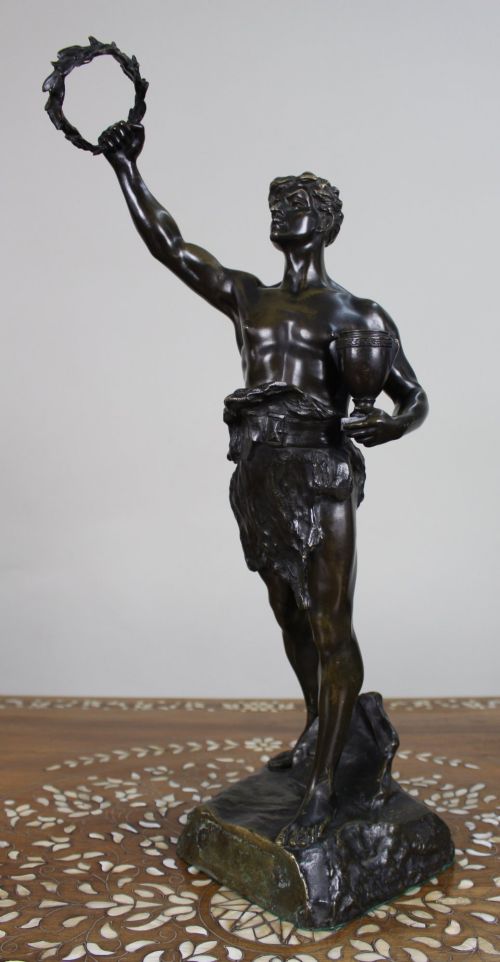
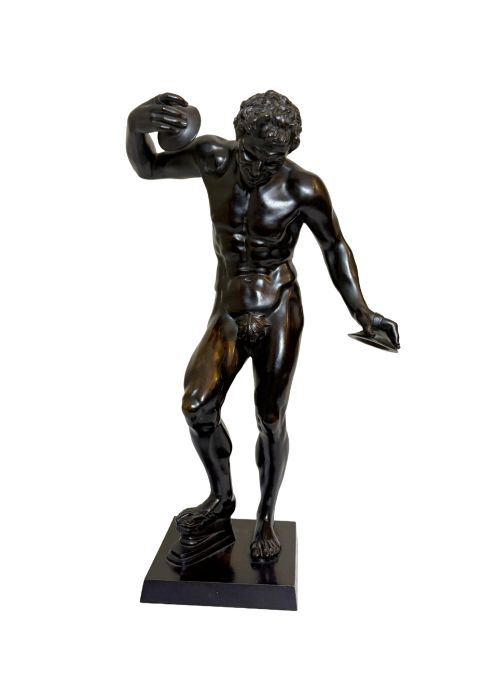
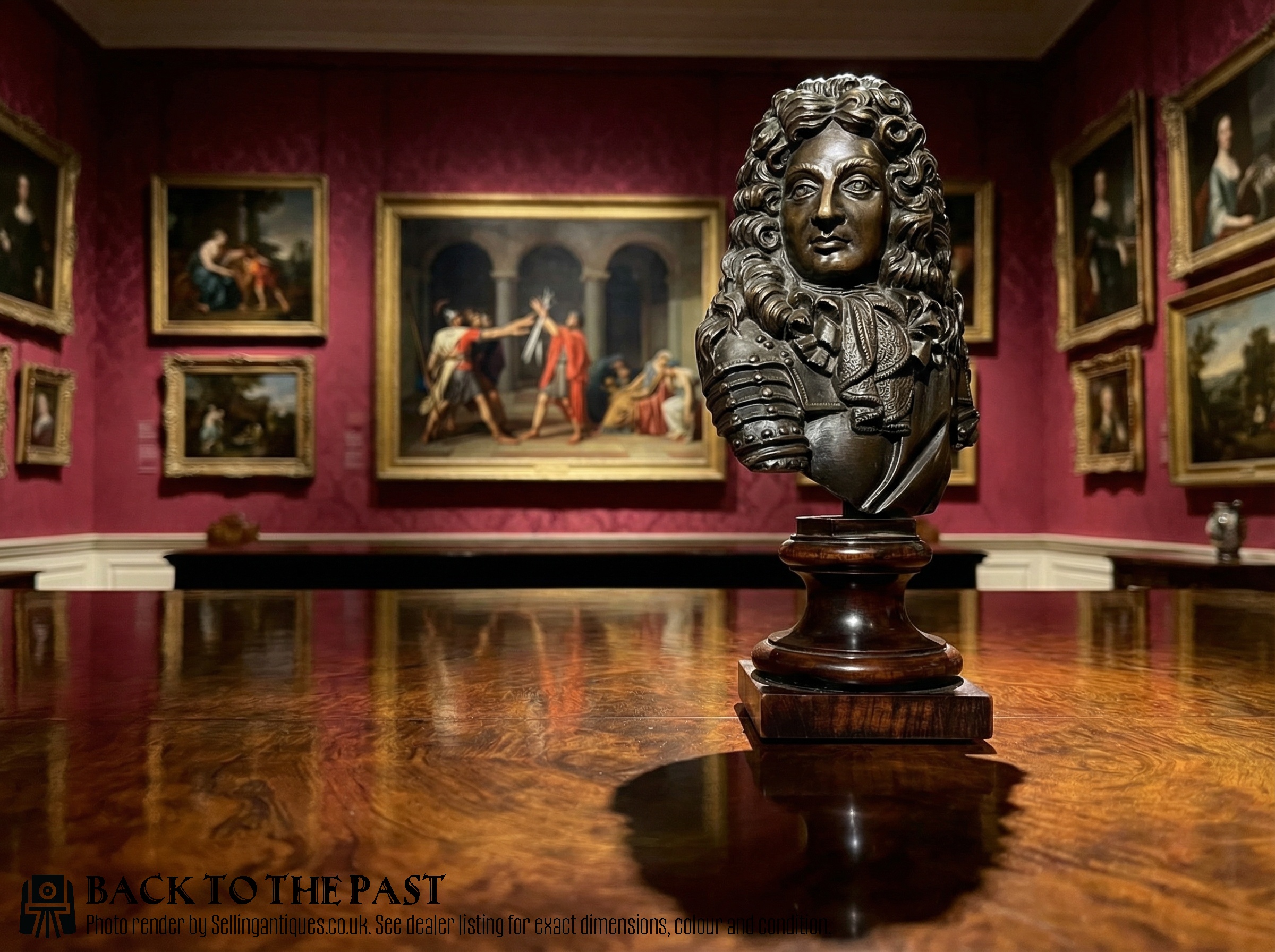
When you search for antique classical sculpture, you encounter enduring representations of mythological figures, literary heroes, and historical personages drawn from antiquity. These pieces manifest primarily as bronze reductions of celebrated museum statues, carved marble busts, and decorative architectural ornaments.
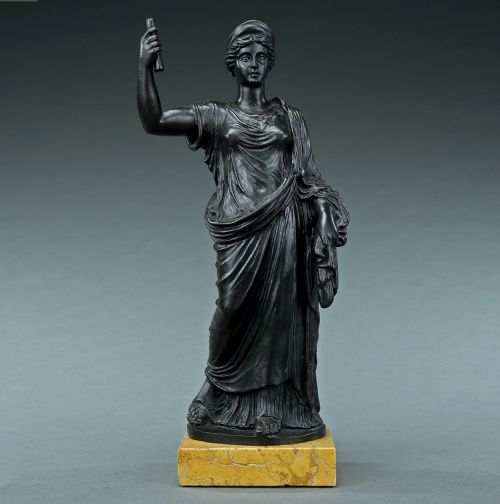
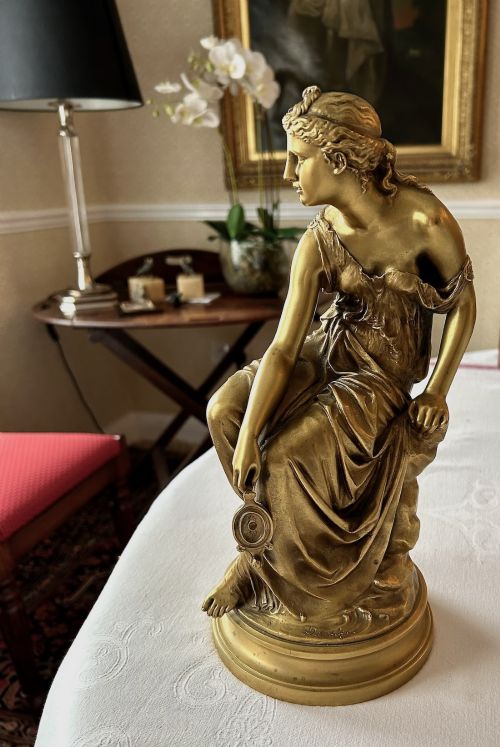
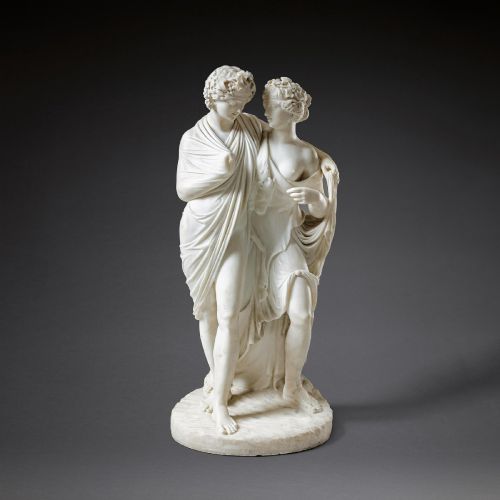
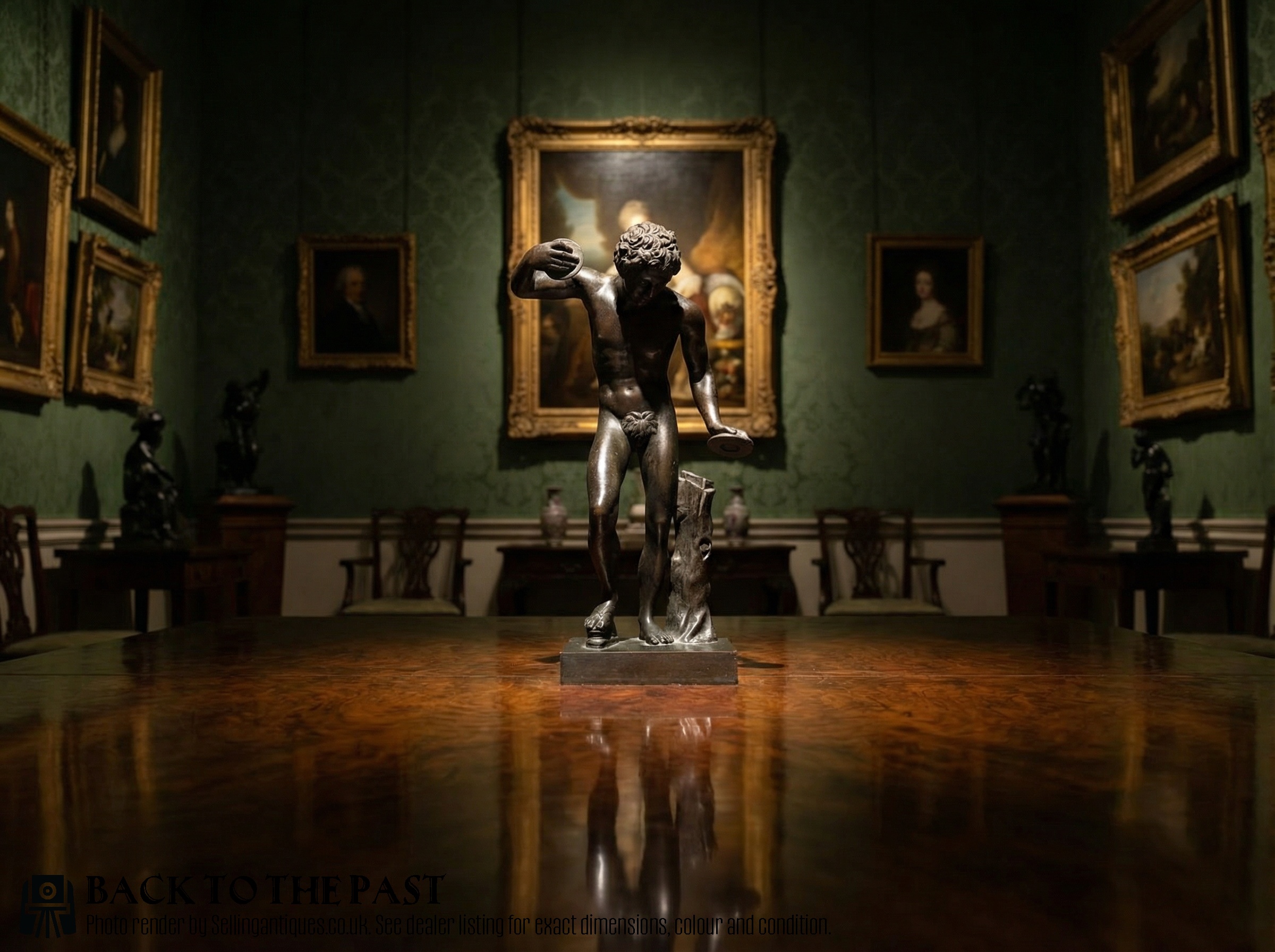
The objects on this page lean heavily towards nineteenth-century European production, particularly French foundry work and Italian Grand Tour souvenirs. Collectors frequently meet patinated and gilt bronze figures, along with white marble carvings that replicate canonical classical forms for domestic display.
Materials and methods
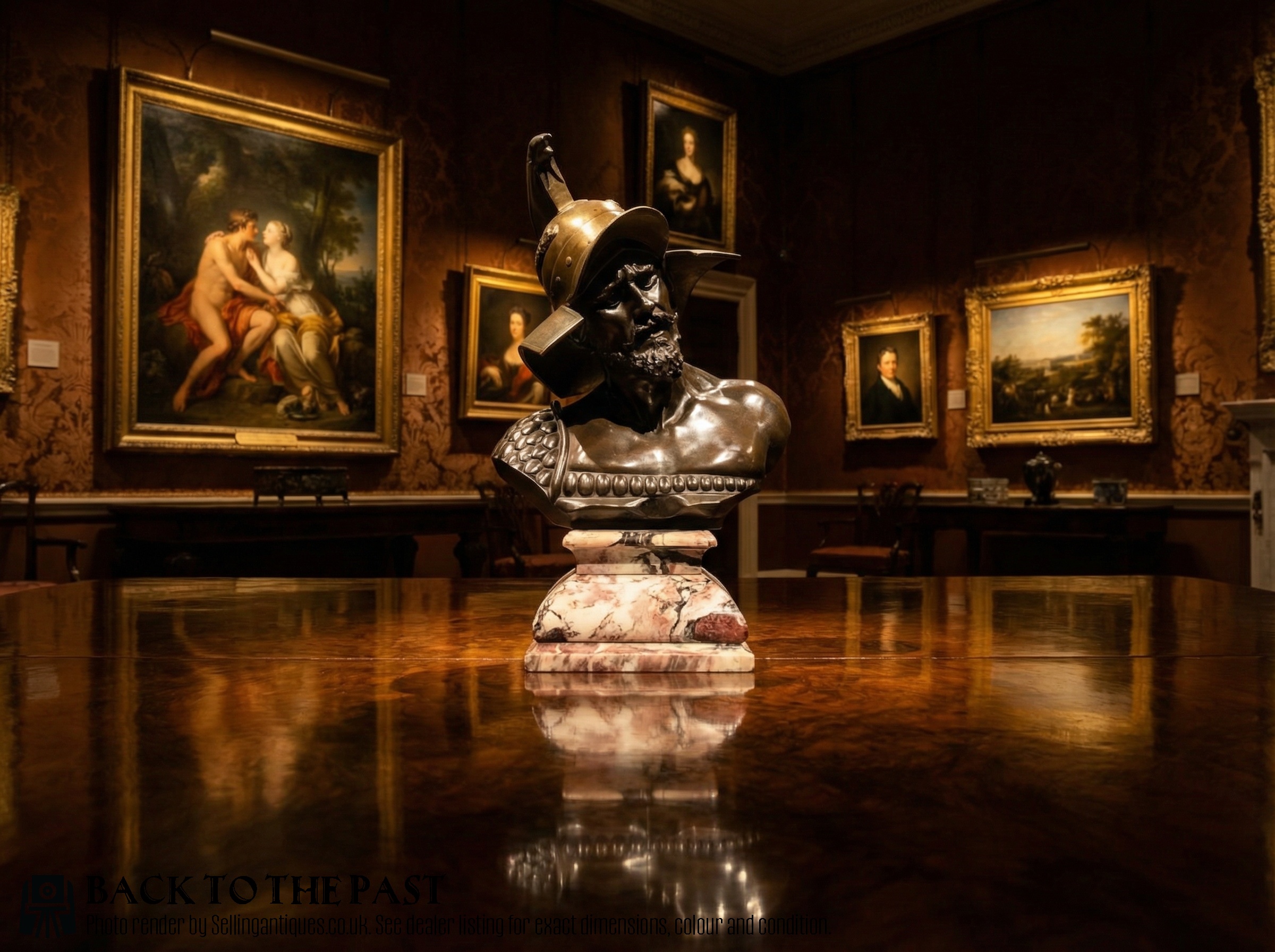
Foundries utilised the lost-wax casting method or sand casting to produce detailed patinated and gilt bronzes, allowing makers to capture intricate musculature and drapery. Skilled artisans then chased the metal surfaces by hand, refining textures and applying chemical patinas to simulate ancient finishes.
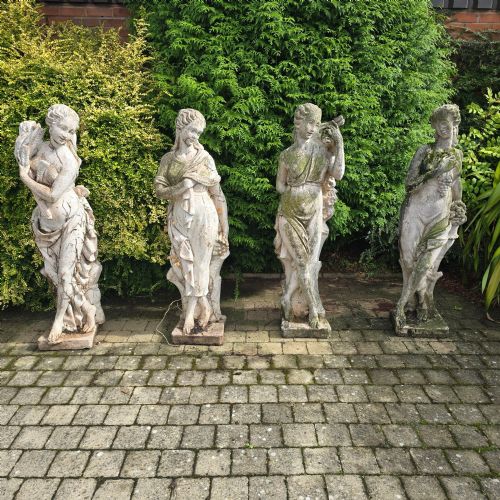
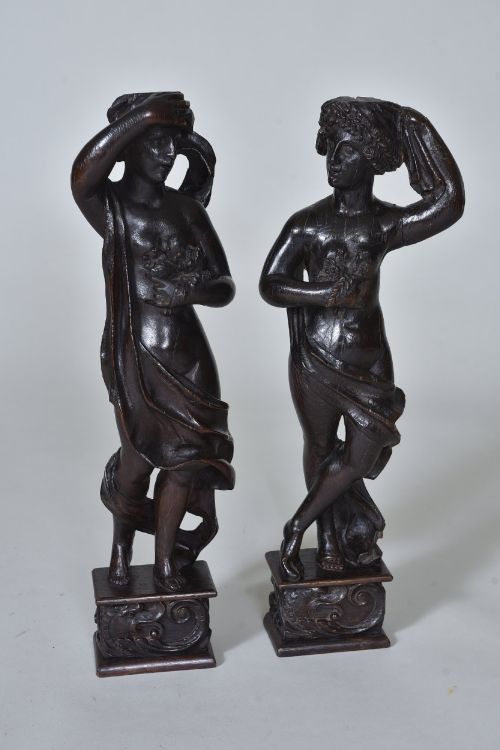
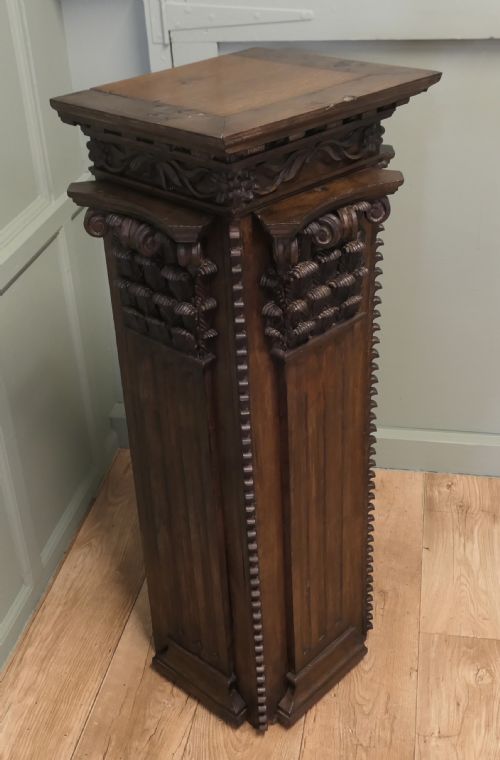
Carvers shaped white Carrara, verdo prato, and fossil marbles using traditional chisels and drills, often working in Italian studios to supply foreign travellers. Wood carvers also produced large-scale Continental figures and architectural display columns from seasoned oak.
Antique Classical Sculpture Retail Price Guide 2026
Typical asking prices for classical sculpture among the pieces listed under this phrase on Sellingantiques today, from the lower quarter to the upper quarter. They describe what is for sale here now, not the wider market.
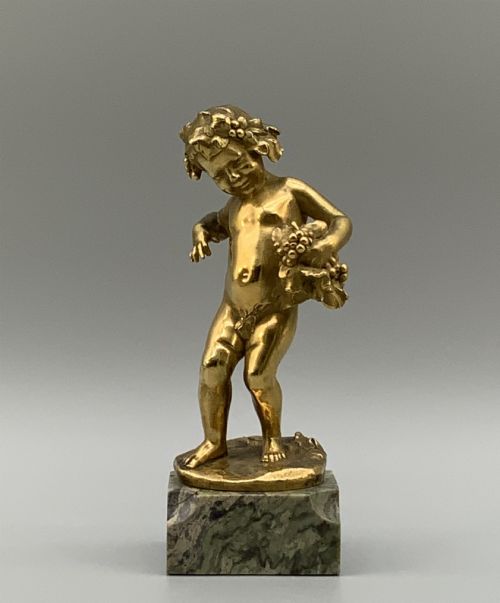
Several makers focused their foundry skills on capturing the precise anatomy of a child's hand.
Assessing craftsmanship and execution
In carved stone, excellence shows in the anatomical proportion and the depth of undercut details, particularly in hair and fabric. The selection of the marble block itself, from unblemished white stone to richly figured varieties, further distinguishes high-status examples.
Etienne-Henri Dumaige·Susse Freres·Barbedienne·Pierre le Faguays·Moreau Family
The Antique Classical Sculpture Glossary
- Grand Tour
- A nineteenth-century educational journey through Europe undertaken by wealthy young men, who acquired bronzes and marbles as souvenirs. These reduction sculptures replicated famous antiquities housed in Italian museums.
- Lost-wax casting
- A metal-casting method where a wax model is melted from a mould and replaced with molten bronze. This technique permits intricate detail and undercuts in figural sculpture.
- Ormolu
- Gilt bronze ornamentation applied to furniture, bases, or decorative mounts. The technique involves fusing a mercury and gold amalgam onto the bronze surface.
- Parian
- A fine-grained, unglazed porcelain developed in the nineteenth century to imitate marble. Makers utilised this ceramic material for sculptural groups and portrait busts.
Antique Classical Sculpture: Frequently Asked Questions
How do I care for antique bronze?
Antique bronze requires minimal intervention, needing only an occasional gentle dusting with a soft, dry cloth to protect the patinated surface. Avoid chemical cleaners, polishes, or damp cloths, which can strip away the historical patina built up over centuries.
What is the difference between bronze and brass?
Bronze is an alloy composed primarily of copper combined with tin, yielding a deeper, warmer tone and superior tensile strength suitable for detailed casting. Brass relies on copper and zinc, resulting in a brighter, more golden appearance that was sometimes used for utilitarian or decorative objects.
Where were these sculptures displayed?
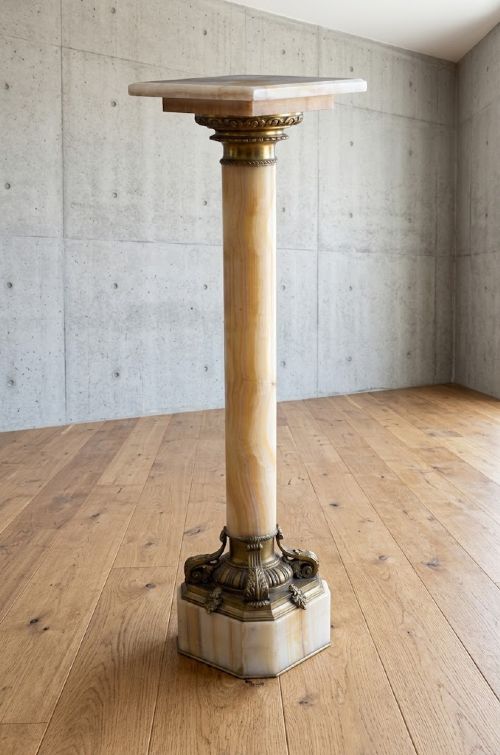
Nineteenth-century collectors typically displayed these figures on library tables, mantelpieces, or dedicated marble columns and pedestals throughout the domestic interior. Their scale was chosen to fit domestic rooms while echoing the grandeur of public sculpture collections.