

Antique Classical Reliefs
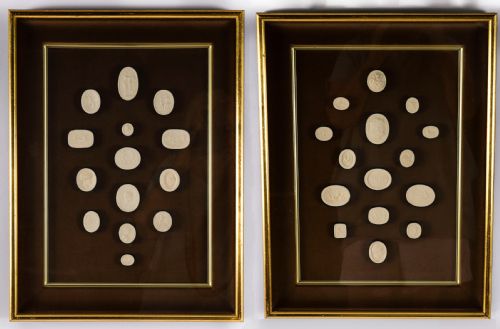
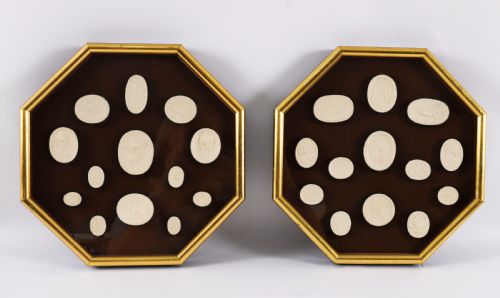
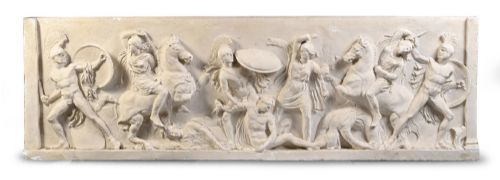
These antique classical reliefs capture mythological scenes and portraits in framed plaster, carved wood and cast bronze from the nineteenth century.
Antique Classical Reliefs
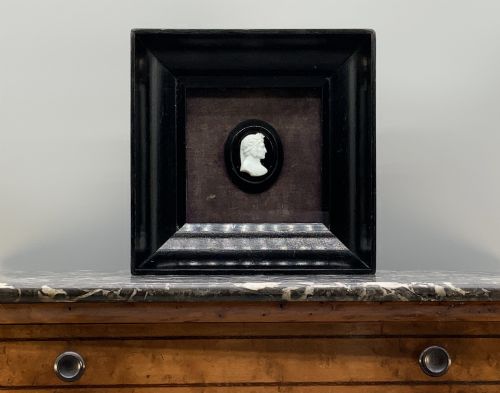
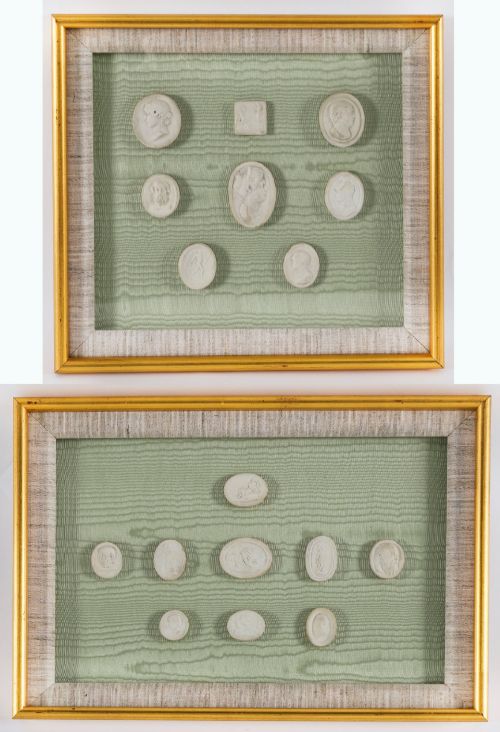
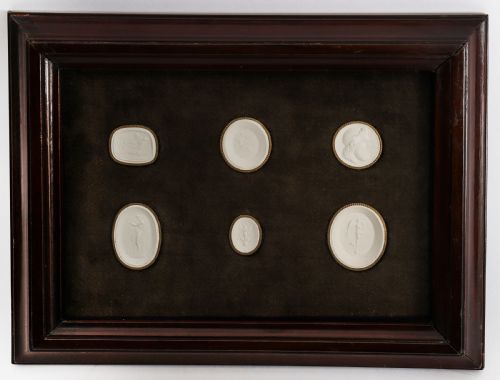
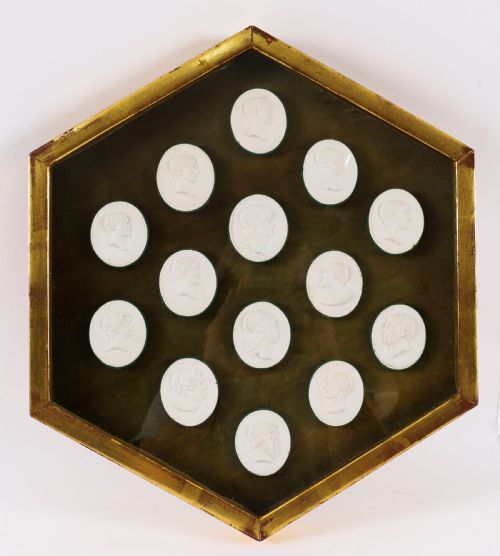
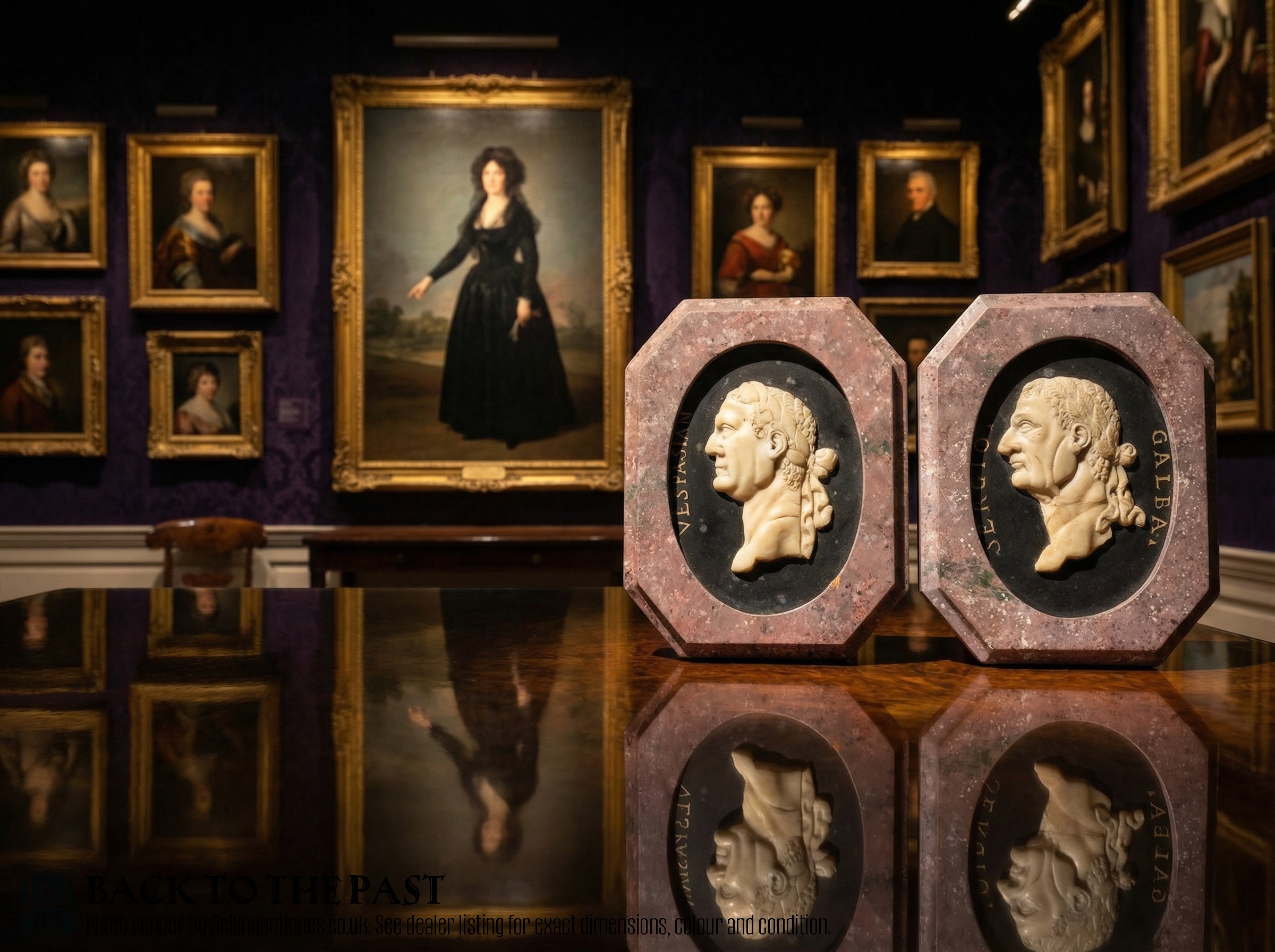
When searching for antique classical reliefs, collectors encounter framed plaster intaglios, carved wooden panels and bronze portrait plaques originating primarily from the nineteenth century. These objects reflect a widespread fascination with antiquity, often taking the form of Grand Tour souvenirs collected by travellers visiting Italy.
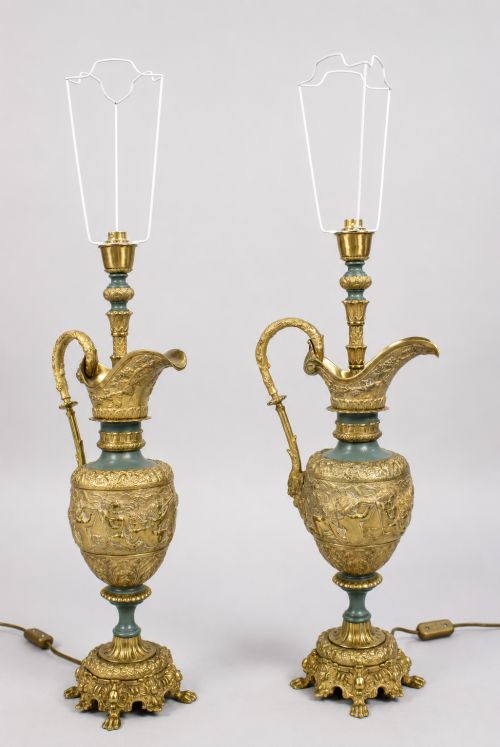
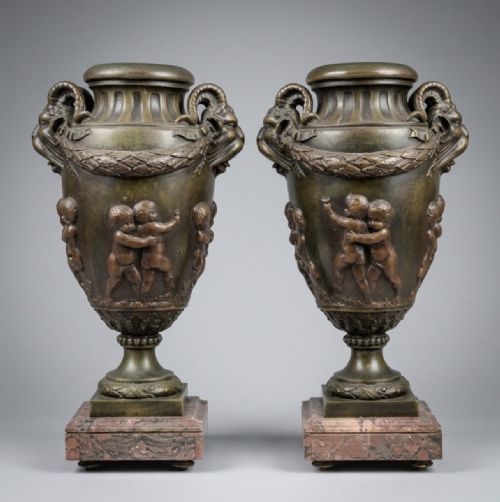
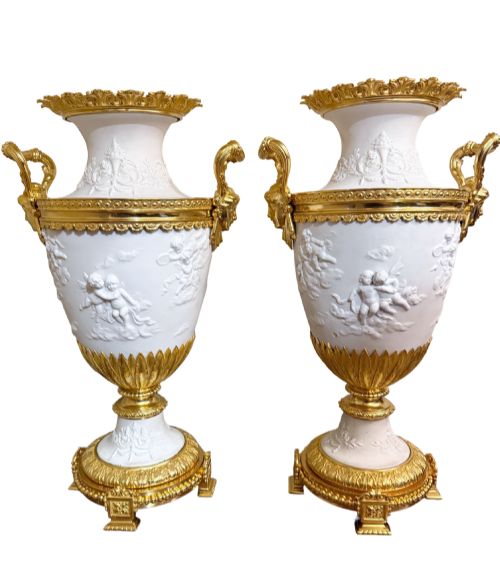
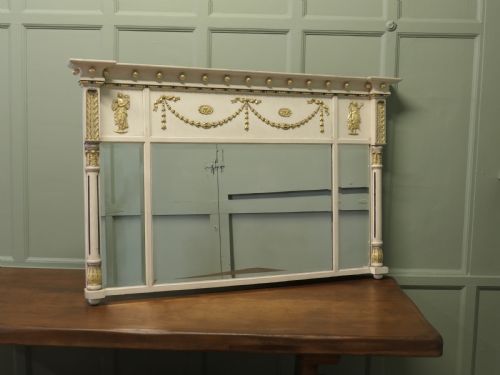
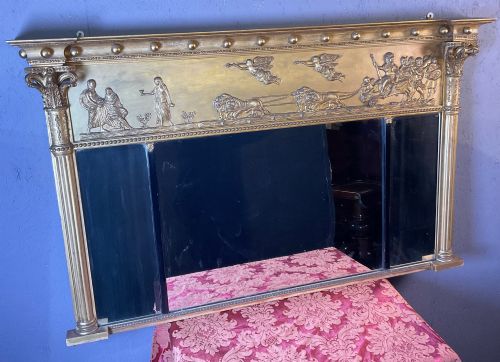
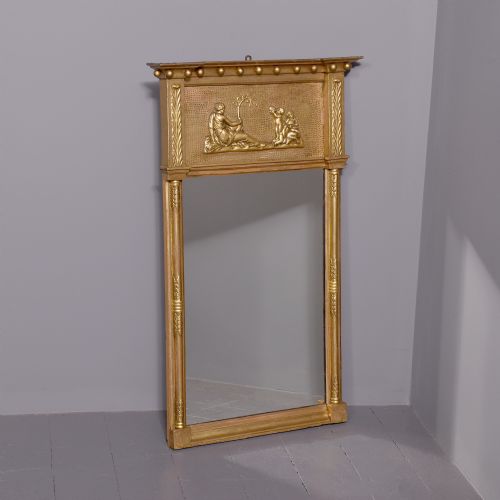
The selections on this page lean heavily toward framed wall art and wall plaques, alongside larger decorative items such as giltwood overmantel mirrors and bronze urns. These pieces draw on neoclassical, Regency and Victorian styles, translating ancient mythology and profile portraits into domestic ornamentation.
How they were made
Plaster and gesso dominate the construction of framed intaglios and wall mirrors, providing a crisp medium for capturing minute sculptural details. Artisans poured or pressed these compositions before applying surface gilding or mounting them within specialised display boxes.
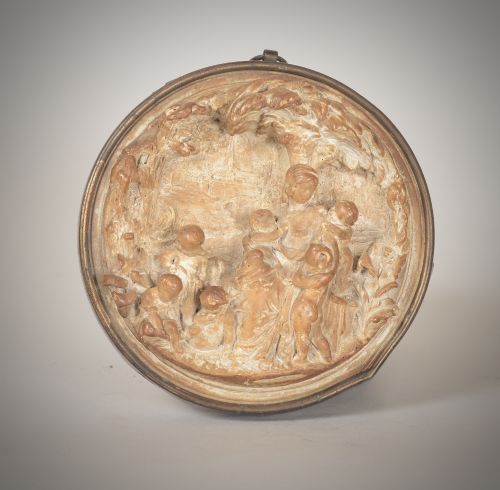
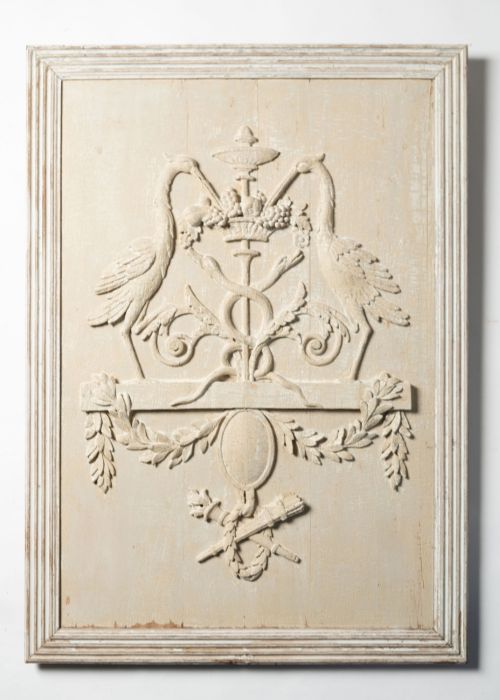
Carved wood and cast bronze represent the heavier sculptural forms, utilising traditional joinery and metalcasting techniques. Craftsmen shaped wooden panels by hand to depict mythological figures, while bronze and spelter were cast to form durable relief plaques and decorative vases.
Materials span glass, plaster, wood, gesso, giltwood, porcelain, gold leaf and brass across these listings.
What varies in quality
The refinement of the sculptural modelling determines the distinction between ordinary and exceptional pieces. Superior intaglios and plaques exhibit sharp, deliberate contours in the faces and drapery, whereas lesser examples suffer from softened edges and a loss of fine narrative detail.
The integrity of the framing and mounting plays a role in overall execution. Original boxes, period giltwood frames and well-preserved bronze patination elevate the visual coherence of the object, whereas mismatched or later replacements alter the historical presentation.
Giovanni Liberotti·Henry Bourne·Smith, Beck And Beck·Mainfroy
The Antique Classical Reliefs Glossary
- Intaglio
- A design carved into a material so that the impression sinks below the surface, commonly seen in Grand Tour plaster collections. These small-scale works replicate ancient carved gemstones.
- Gesso
- A plaster mixture applied to wood surfaces as a base for moulding and gilding, frequently utilised in Victorian and Regency overmantel mirrors. It allows craftsmen to build up ornate relief decorations.
- Grand Tour
- A cultural journey undertaken by wealthy young Europeans through France and Italy to study classical art. Souvenirs from these travels included framed plaster reliefs and carved portrait plaques.
- Giltwood
- Wood that has been coated with gold leaf or gold paint, characteristic of nineteenth-century frames and pier mirrors. This finish adds a reflective warmth that highlights classical carvings.
- Overmantel
- A large mirror or panel designed to hang directly above a fireplace mantel, often incorporating neoclassical motifs. These pieces serve as prominent architectural focal points in period interiors.
Antique Classical Reliefs: Frequently Asked Questions
What are antique classical reliefs?
These pieces comprise framed plaster intaglios, carved wooden panels and bronze plaques depicting mythological scenes and profile portraits.
They reflect historical enthusiasm for antiquity, frequently created as decorative wall art or portable souvenirs during the nineteenth century.
How were Grand Tour intaglios displayed?
Intaglios were typically arranged inside custom wooden boxes or specialised wall frames to showcase collections of classical subjects.
Travellers assembled these sets as miniature galleries representing the sculpture and architecture seen during their European journeys.
Where should I hang a relief?
Framed wall plaques and intaglios suit principal reception rooms, studies or hallways where lighting can catch the fine sculptural details.
Larger items like giltwood overmantel mirrors naturally anchor the space above a fireplace or console table.
How do I identify a nineteenth-century piece?
Examination of the materials, backing papers, frame construction and casting methods reveals the manufacturing period.
Nineteenth-century works utilise specific plaster formulations, hand-carved wooden supports and traditional gilding techniques distinct from modern reproductions.