




Classical Profile Portraits
Classical profile portraits capture historical or mythological figures in silhouette, offering collectors enduring depictions shaped by antiquity.
Classical Profile Portraits
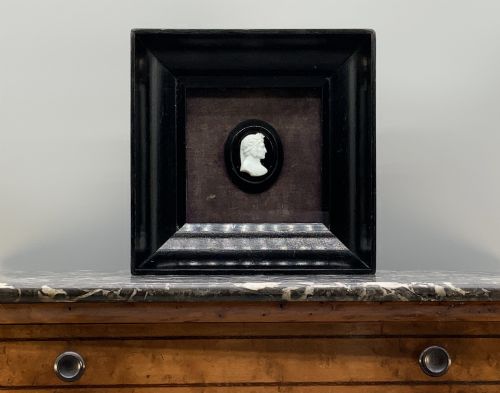
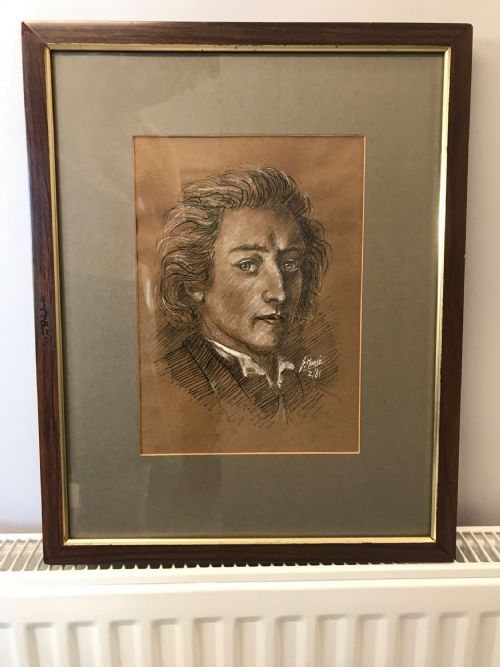
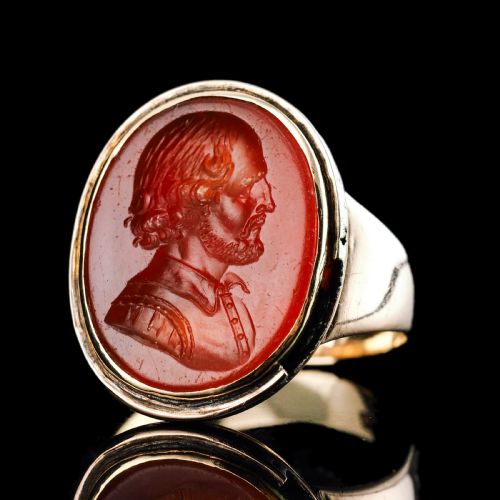
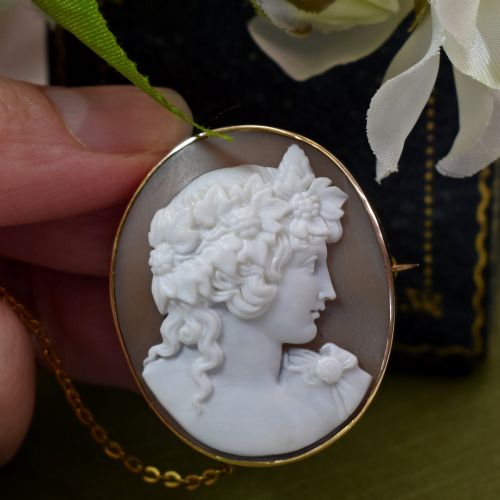
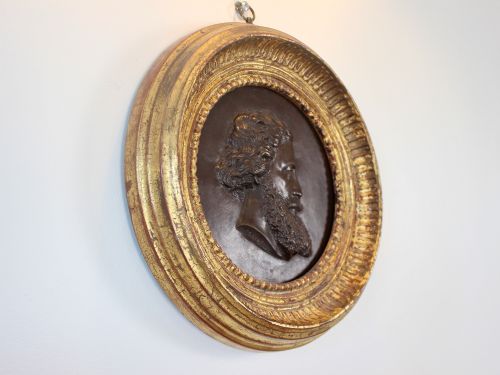
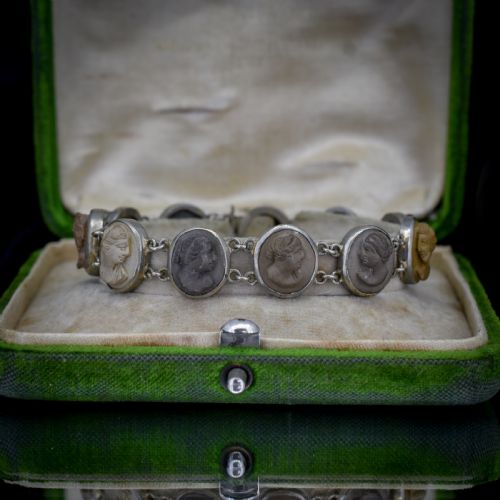
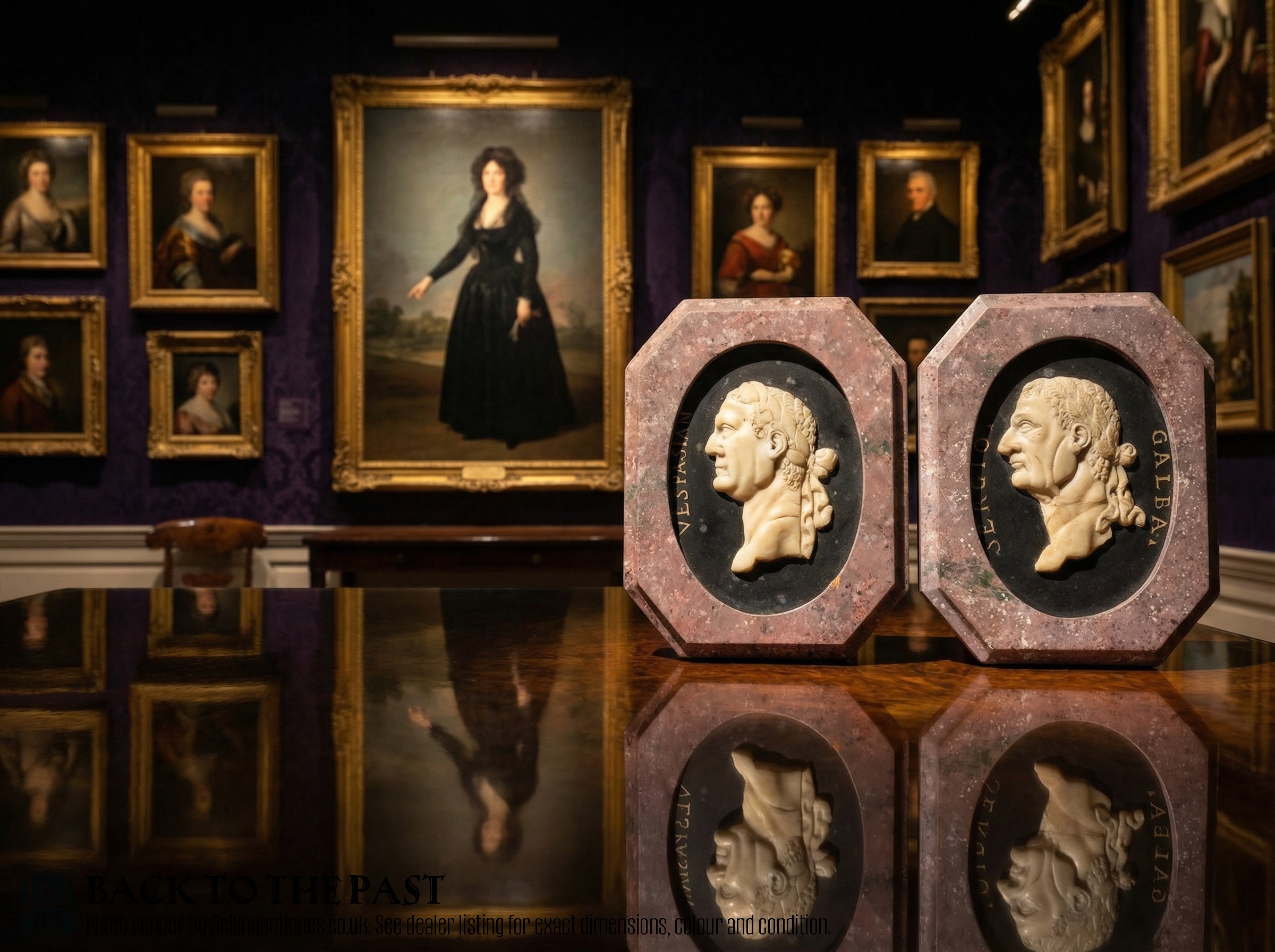
Classical profile portraits present the human face from the side, drawing heavily on ancient Greek and Roman traditions. When looking for classical profile portraits, buyers encounter diverse forms ranging from carved rings and brooches to framed wall art and marble plaques. The pieces span multiple centuries, with Victorian interpretations and Georgian examples appearing frequently alongside Grand Tour souvenirs.
The subjects depicted include mythological deities, Roman emperors, and literary figures rendered in miniature or monumental scale. Jewellery items such as cameos and intaglio rings dominate the selection, whilst larger wall pieces utilise carved marble, mahogany, and bronze. This variety allows collectors to choose between wearable items and decorative objects for display.
Materials and Construction
Carvers shaped shell, hardstone, agate, and carnelian to create relief cameos and recessed intaglios, often mounted in gold settings ranging from nine to eighteen carats. Sculptors also utilised marble, bronze, and carved ivory to produce detailed profile plaques and relief sculptures. These varied mediums required precise hand-chiselling and polishing to achieve sharp contrast between the subject and the background layer.
Framed works rely on traditional drawing and painting techniques using pen, ink, wash, gouache, watercolours, and pastel on paper or canvas. Artisans housed these works in turned wooden frames or metal pendants to protect the delicate surfaces. Each technique dictated the final depth and texture of the profile likeness.
Some travellers hauled heavy marble Roman emperors home in their luggage just to prove they reached Rome.
Assessing Standard and Execution
The grade of the surrounding metalwork and the integrity of the mount contribute significantly to the overall merit of wearable items. Master carvers achieved subtle depth transitions that lesser artisans missed, resulting in lifelike silhouettes rather than flat representations.
John Miers·Thorvalsen Workshop·MAINFROY
The Classical Profile Portraits Glossary
- Cameo
- A method of carving an object such as an engraved gem, item of jewellery, or vessel, where a raised image stands out from a background of a different colour. This technique exploits the natural colour banding found in shells and agates.
- Intaglio
- A gem or other material carved with a design that is recessed beneath the surface, intended primarily for use as a seal or stamp. These pieces often reveal the image clearly when viewed as a transparent impression.
- Grand Tour
- A cultural trip of Europe formerly undertaken by wealthy young men of high standing to flourish their education and gather art souvenirs. Many marble and lava profile plaques originate from these excursions.
- Hardstone
- A term used in jewellery and sculpture to describe semi-precious stones such as carnelian, onyx, and jasper. Artisans carved these durable materials to produce long-lasting portraits.
- Roundel
- A circular work of art, such as a painting, drawing, or bas-relief plaque. These round compositions frequently housed profile portraits of historical leaders.
Classical Profile Portraits: Frequently Asked Questions
What are classical profile portraits?
Classical profile portraits are artistic representations of human heads viewed from the side, inspired by ancient Greek and Roman coins, sculptures, and intaglios. They depict historical rulers, literary figures, and mythological deities across various mediums.
These pieces serve as wearable jewellery, decorative table items, and wall art. They reflect enduring European fascination with classical antiquity.
How were intaglio rings used?
Intaglio rings functioned primarily as signet rings to press a personal seal into hot wax for securing documents and correspondence. The recessed carving created a raised impression on the wax.
Over time, owners transitioned from utilitarian sealing to wearing them purely as decorative jewellery. The intricate reverse carving allowed the wearer to display detailed portraits close to the skin.
What is a Grand Tour souvenir?
Grand Tour souvenirs are artworks and antiquities purchased by travellers touring cultural centres in Italy and France during the eighteenth and nineteenth centuries. These items included carved lava cameos, marble plaques, and bronzes.
Travellers collected them to demonstrate education, taste, and worldly experience upon returning home. Today, these pieces provide a tangible link to historical travel traditions.
How do I care for shell cameos?
Shell cameos require gentle handling because shell is an organic material susceptible to scratching and moisture damage. Clean them softly with a dry cloth and avoid harsh chemical dips or prolonged water submersion.
Store them away from direct sunlight and extreme temperature fluctuations to prevent the shell from drying out or fading. Proper storage ensures the delicate carved layers remain intact.
How are periods told apart?
Periods are identified by examining the mounting styles, metal purity marks, and carving techniques characteristic of specific eras. Georgian and Victorian pieces often feature distinct gold frameworks and subject choices tied to revival movements.
Later twentieth-century examples display different fastener designs and machine assistance in manufacturing. Comparing the material preparation helps narrow down the decade of creation.