
Antique Classic Table Lamps
These antique classic table lamps bring period character and warm illumination to a room, ranging from converted candlesticks to monumental bronze urns.
Antique Classic Table Lamps
When buyers search for antique classic table lamps, they look for lighting solutions that ground a room in historical design. The selection draws heavily on nineteenth-century and early twentieth-century production, spanning Victorian, Edwardian, and Art Deco periods.
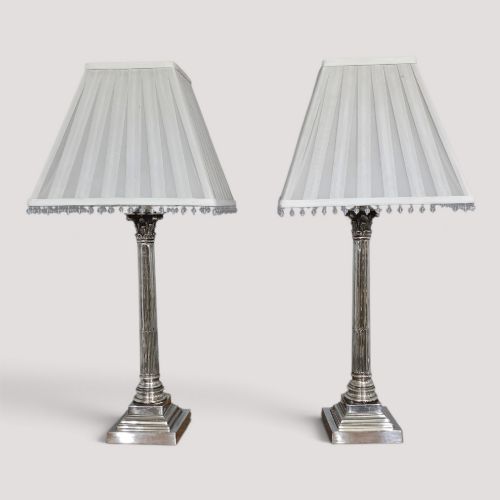
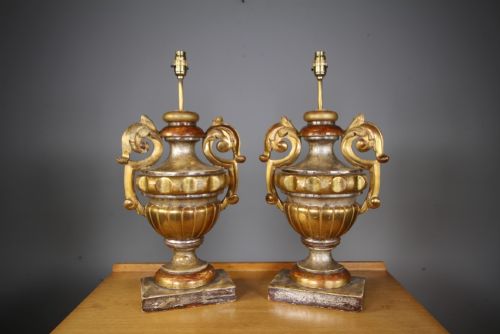
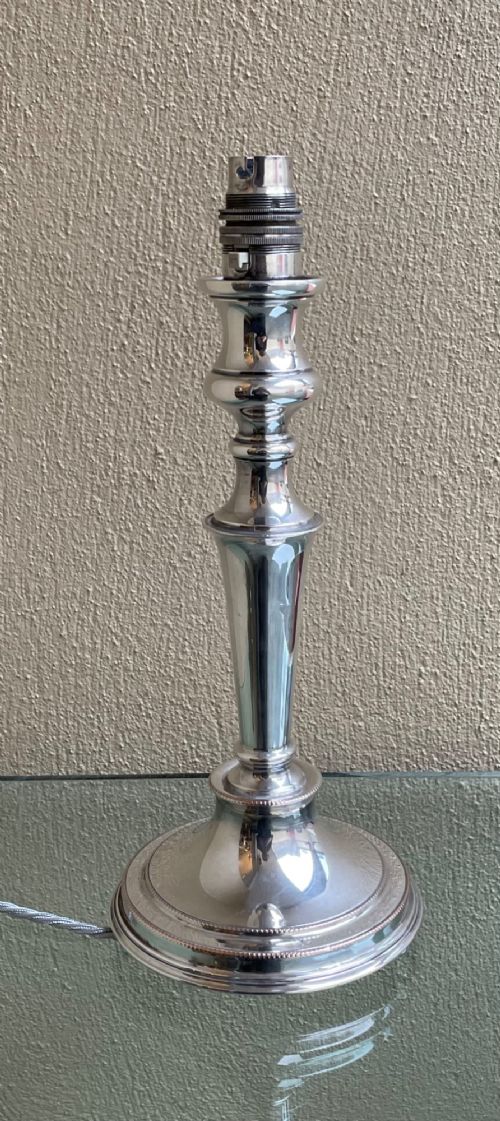
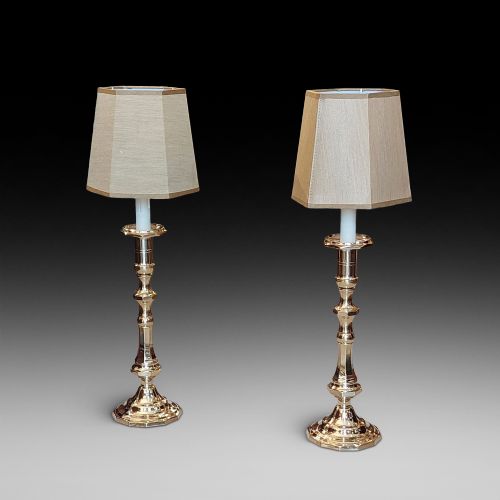
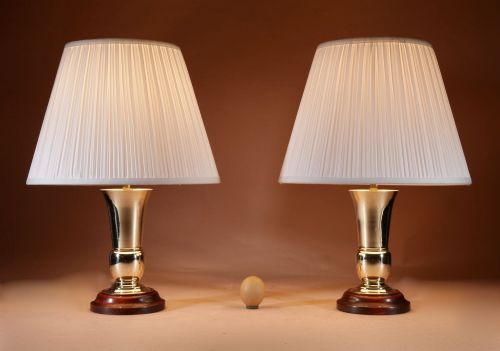
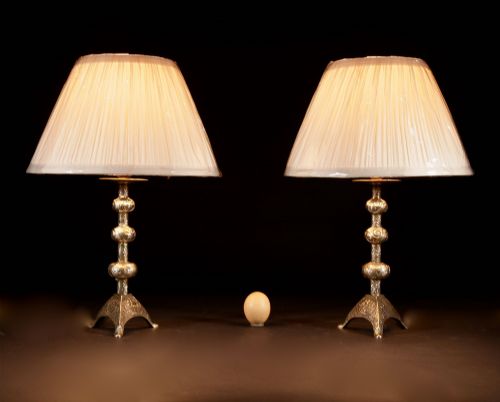
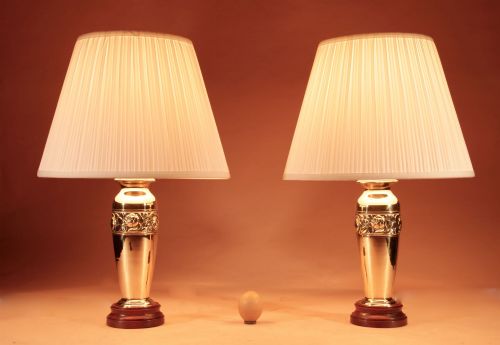
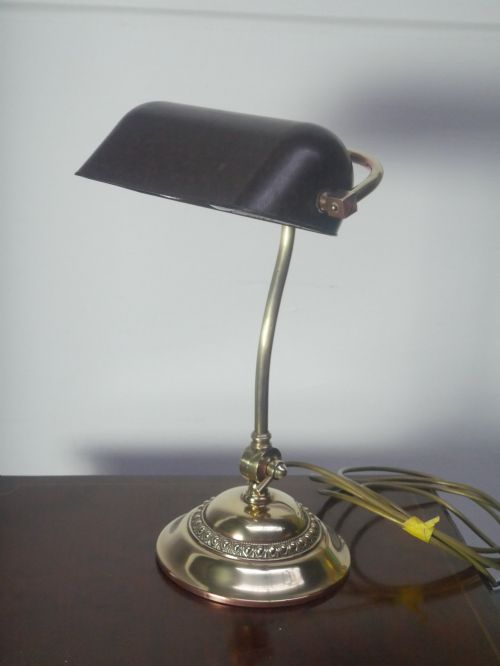
The forms originate from diverse domestic and decorative contexts, including converted oil lamps, classical candlesticks, and urns adapted for electric illumination. Brass and bronze dominate the architectural and columnar shapes, often paired with fabric shades.
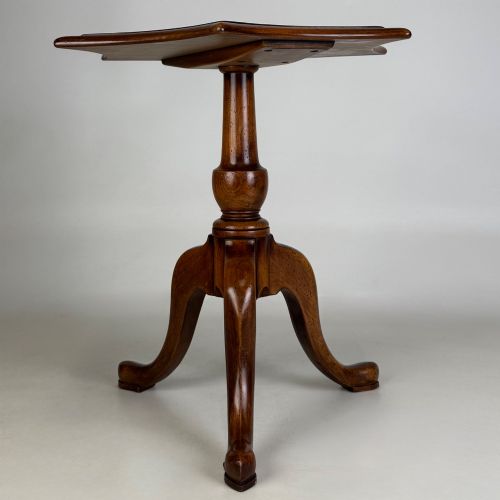
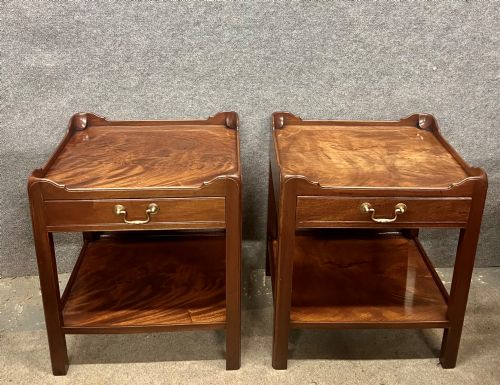
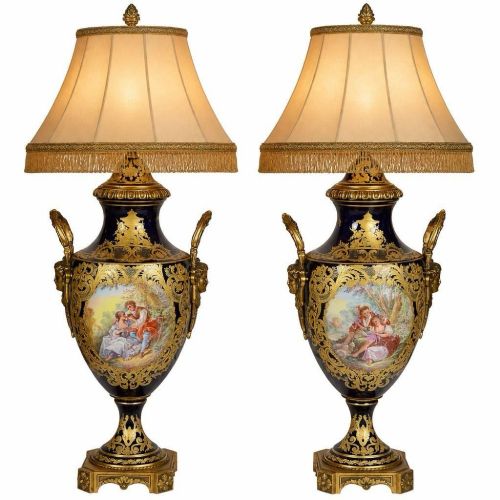
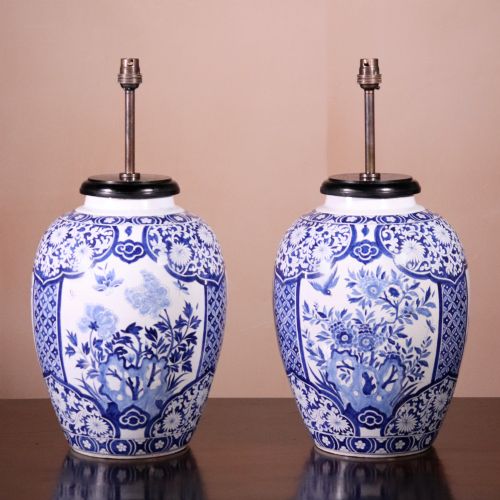
French neoclassical and ormolu styles sit alongside simpler mahogany bedside tables and occasional stands that double as lamp supports. Pairs appear frequently, offering symmetry for sideboards, desks, and sitting room tables.
How they were made
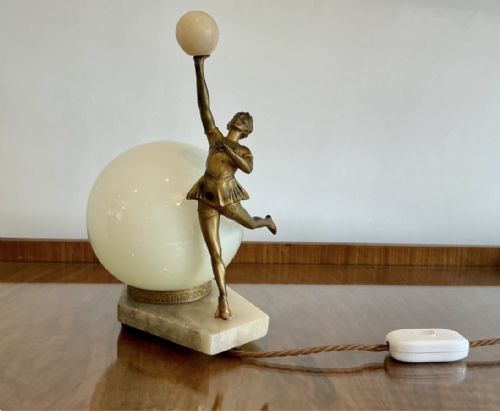
Metals form the structural core of these pieces, with cast brass, gilt bronze, and silver plate shaped into Corinthian columns, bouillotte frames, and stylized figures. Artisans utilised turning, chasing, and metal spinning to achieve crisp architectural detail on candlesticks and urn bodies.
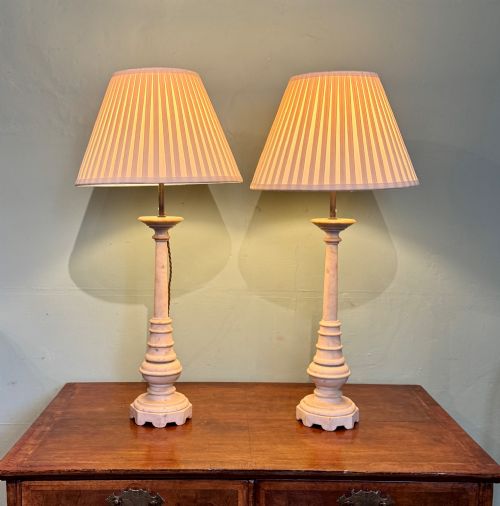
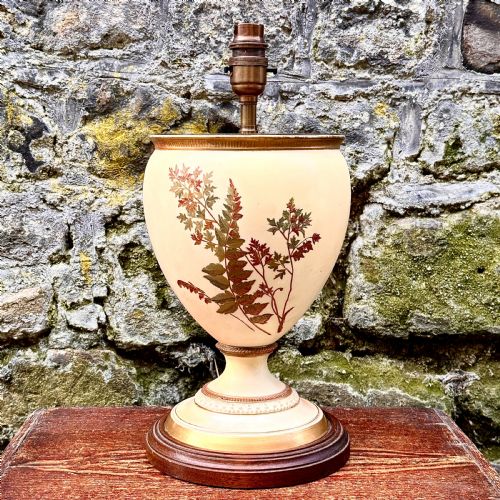
Ceramics and stone introduce colour and weight, utilising white marble, pink marble, alabaster, and porcelain bodies painted in blue and white or Sevres styles. Wooden supports utilise mahogany, walnut, and carved pine, often finished with gilt or polished surfaces to complement the metalwork.
Periods represented span from the early nineteenth century through the Edwardian era and into Art Deco designs.
What varies in quality
The standard of a piece rests upon the crispness of the metal casting and the depth of the chasing on bronze and brass components. Finer examples retain sharp architectural mouldings and heavy gauge metals rather than thin, pressed sheet construction.
Proportion and material integrity dictate value, particularly where natural stone, marble, or porcelain merge with metal mounts. Superior pieces display seamless joins, authentic period wiring adaptations, and well-balanced forms that stand firmly without wobble.
Faraday and Sons·Royal Worcester
The Antique Classic Table Lamps Glossary
- Ormolu
- Gilt bronze, where a finely ground high-carat gold mercury amalgam is applied to a bronze base. This technique creates a rich, durable golden surface seen on French neoclassical mounts.
- Bouillotte
- A type of adjustable metal table lamp featuring a central column, a saucer base to catch wax, and a Tole shade. They were originally designed for the card game bouillotte.
- Corinthian column
- An architectural order featuring an ornate capital decorated with acanthus leaves. Many Victorian and Edwardian brass lamps emulate this classical column design.
- Tole
- Painted or lacquered sheet metal, commonly used for lamp shades to direct light downwards. It frequently appears in green or black finishes paired with brass bodies.
- Sevres style
- Porcelain decoration inspired by the famous French royal manufactory, often featuring hand-painted pastoral scenes or rich coloured grounds framed in gilt.
Antique Classic Table Lamps: Frequently Asked Questions
Are these lamps safe to use today?
Most antique lamps originate from an era before modern electrical standards, meaning many have been rewired at some point in their history. Buyers should have a qualified electrician inspect the internal wiring and components before regular domestic use.
Older brass and bronze bodies often retain their original lampholders, but modern safety regulations may require updating the plug and cord while preserving the exterior antique structure.
How do I choose the right shade?
Selecting a shade depends on the proportion and style of the base, whether it is a slender brass candlestick or a heavy marble urn. Fabric shades in neutral tones or traditional pleated designs complement historical forms without overpowering the metalwork.
Consider the height of the lamp to ensure the bottom of the shade sits at eye level when seated, hiding the bulb while casting balanced light across the room.
How do I clean antique brass bases?
Dusting with a soft, dry cloth is the safest way to maintain the surface of antique brass and bronze. Avoid harsh chemical polishes that strip away the aged patina accumulated over decades.
Gentle cleaning preserves the subtle tonal variations that distinguish genuine nineteenth-century metalwork from modern reproductions.
How can I tell the period?
Dating relies on stylistic clues, manufacturing techniques, and material choices associated with periods like the Victorian era or Art Deco. Heavy cast brass columns and silver plating point toward nineteenth-century production, while geometric lines suggest the 1920s and 1930s.
Maker stamps, registry marks, and construction fasteners underneath the base offer further physical evidence to confirm the date of origin.