


Blue Porcelain Urn Lamps
Blue porcelain urn lamps bring rich colour and classic form to a room, turning antique vases into practical lighting.
Blue Porcelain Urn Lamps
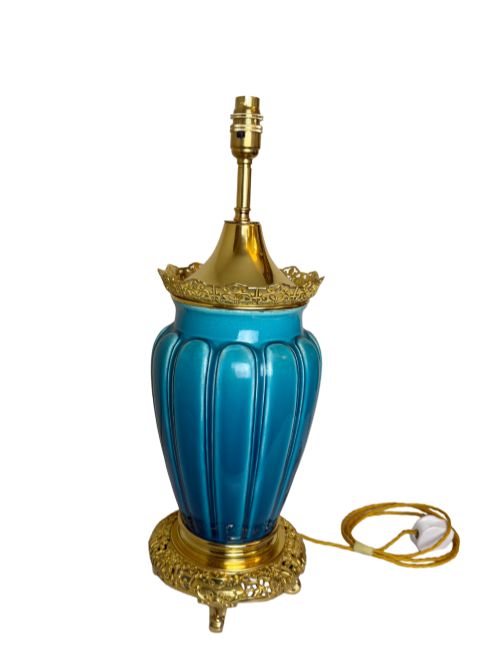
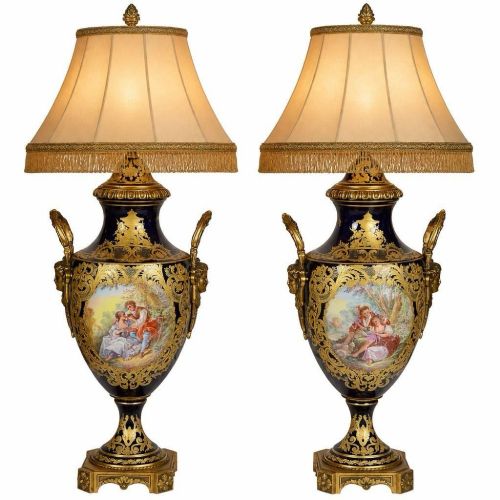
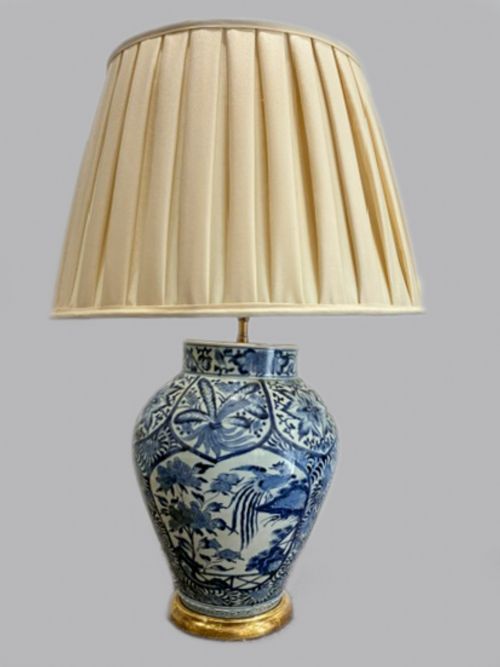
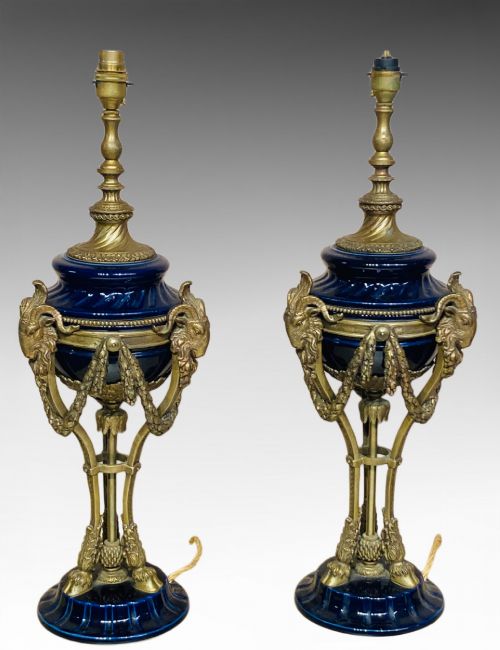
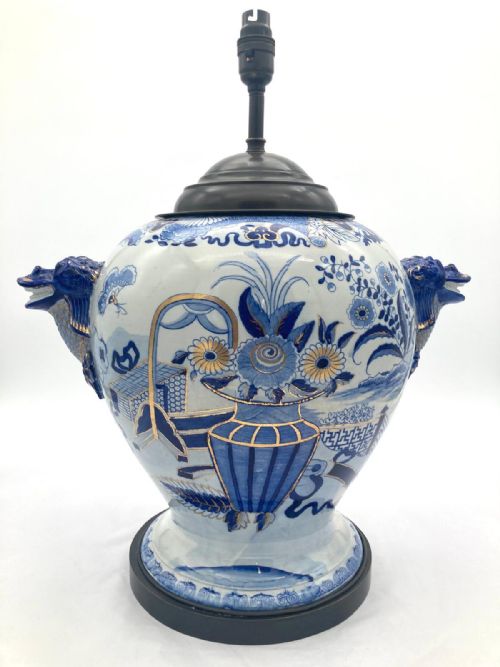
These pieces are lighting adaptations created from antique ceramic vessels, ranging from Chinese ginger jars and Japanese Arita Imari vases to French Sevres style porcelain and English Delft pottery. When searching for blue porcelain urn lamps, a buyer encounters significant variety in shape, from slender baluster bodies to traditional twin-handled urns mounted on bases. Most examples stem from the nineteenth century, though the underlying vessels often date back much earlier, including late seventeenth-century Japanese origins.
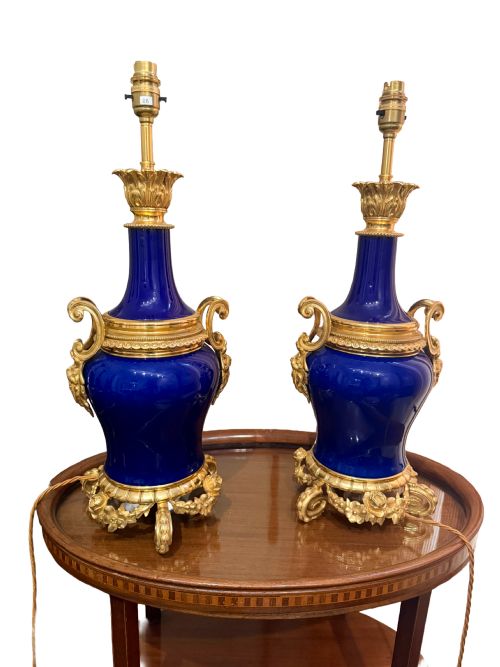
The objects typically function as table lamps, pairing glazed ceramic bodies with silk or fabric shades. Makers frequently integrated metalwork mounts, turning decorative export porcelain and European earthenware into functional domestic items without losing their original character. Pairs appear often alongside single statement vessels, spanning styles from Chinoiserie and French Rococo Revival to Louis XVI Neoclassical.
How they were made
Makers utilised fired porcelain, ceramic and ironstone for the body of each lamp, applying cobalt blue glazes, hand-painted cobalt decoration and crackle ware effects before firing. Many vessels originated as decorative vases or ginger jars before conversion into lighting fixtures.
Metalwork played a structural and decorative role, with artisans mounting the ceramic bodies in brass, ormolu and gilt bronze. Hand-tied fabric or silk shades completed the assembly, often supported on custom gilt bases.
Some nineteenth-century decorators took priceless seventeenth-century jars and promptly wired them for electricity, creating conversations that last centuries.
What varies in quality
Quality rests in the harmony between the ceramic vessel and its metal mounts, where precision in ormolu chasing and gilt bronze work elevates the piece. The depth and clarity of the cobalt blue glaze or hand-painted detail also distinguish superior examples.
The conversion method affects overall integrity, distinguishing expert professional adaptations from simpler alterations. Well-executed mounts respect the original antique porcelain without damaging the body.
Hicks and Meigh·Sevres
The Blue Porcelain Urn Lamps Glossary
- Ormolu
- Gilded bronze mounts applied to furniture and ceramics. This technique adds decorative weight and a rich metallic finish to the base and collar of a lamp.
- Baluster
- A vase or lamp body with a rounded lower portion tapering to a narrow neck. This traditional form offers stability and balanced proportions on a table.
- Imari
- Japanese porcelain decorated in underglaze blue and iron red with gilding. It provides intense colour and pattern to early converted vessels.
- Sevres style
- European porcelain decorated in imitation of the French royal factory. These pieces often feature rich blue grounds like bleu celeste or bleu royale.
- Ginger jar
- A wide-shouldered ceramic vessel originally used for spices. Converted ginger jars form sturdy, curvaceous bodies for modern table lighting.
Blue Porcelain Urn Lamps: Frequently Asked Questions
How do I clean my lamp?
Dust the fabric shade gently with a soft brush and wipe the porcelain body with a dry cloth. Avoid harsh chemical cleaners that might damage the glaze or gilt mounts.
Keep moisture away from the metal fittings and electrical components during maintenance.
Can I replace the lampshade?
Shades can be replaced provided the fitting matches the existing harp or bulb holder. Choose a neutral fabric or silk shade that complements the scale of the porcelain urn.
Ensure the new shade does not overwhelm the delicate hand-painted details on the ceramic body.
Were these lamps made originally?
Most antique examples began life as decorative vases, ginger jars or urns before being converted into lamps at a later date. Metal mounts and electrical wiring were added to adapt the antique vessels for domestic lighting.
This conversion process preserves the historic ceramic while giving it a functional purpose in a modern interior.
How do I date the ceramic body?
Dating relies on examining the potting style, glaze characteristics, crackle patterns and any cobalt blue underglaze markings. Japanese and Chinese pieces often align with specific periods like the Meiji era or eighteenth-century dynasties.
European Sevres style items look to nineteenth-century revival aesthetics and ormolu mount styles for chronological clues.