
Antique Church Seating
Antique church seating encompasses pews, benches, and chapel chairs built for ecclesiastical and domestic interiors during the nineteenth and early twentieth centuries.
Antique Church Seating
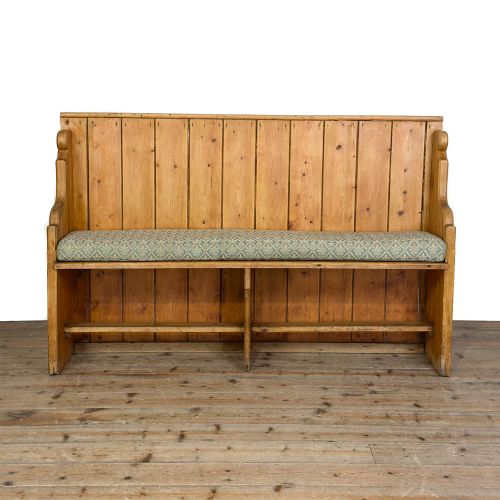
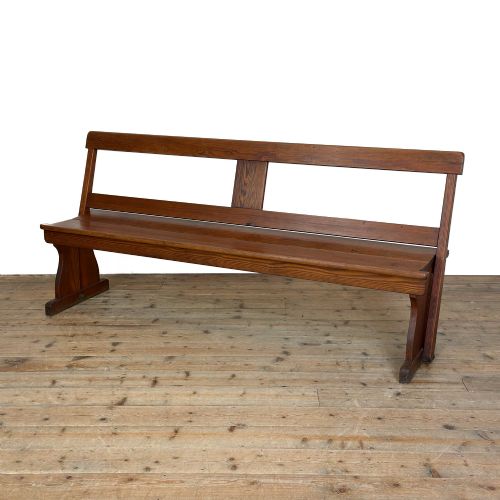
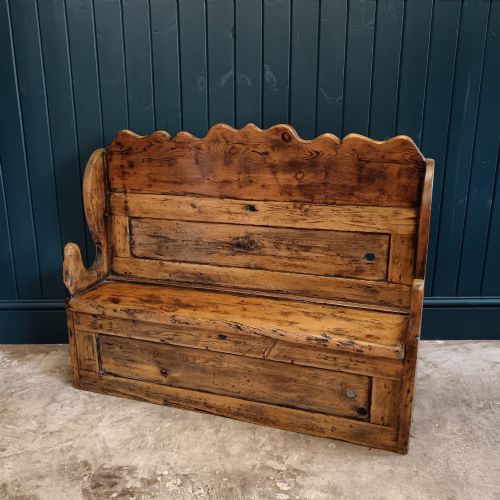
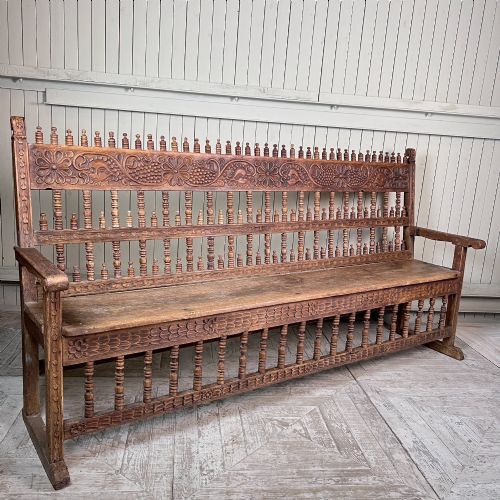
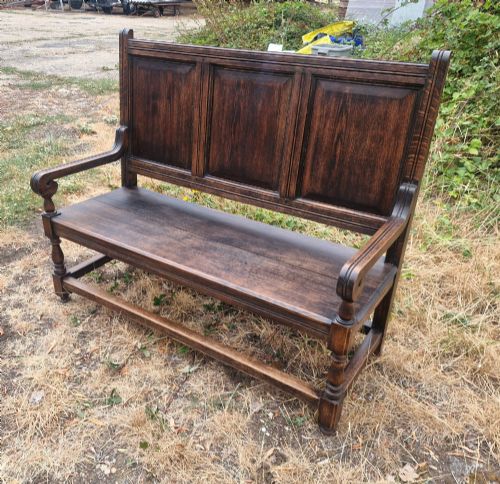
When you search for antique church seating, you encounter robust wooden forms created for communal spaces and places of worship. The selection relies heavily on nineteenth-century pieces, including Victorian pews, chapel benches, and Gothic Revival seating.
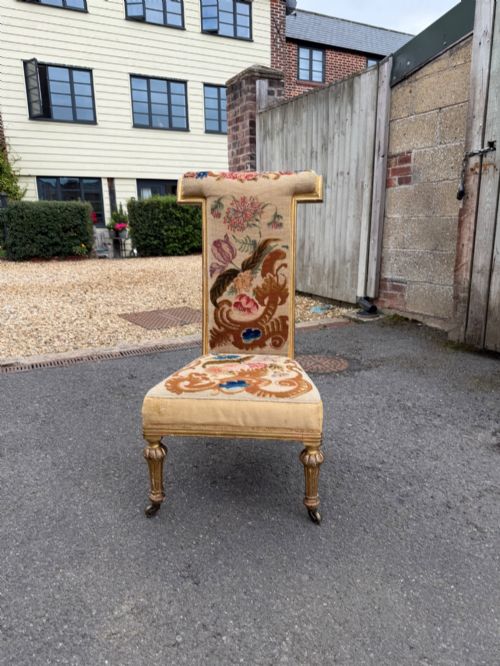
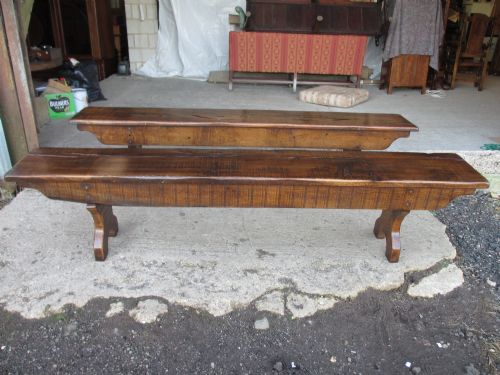
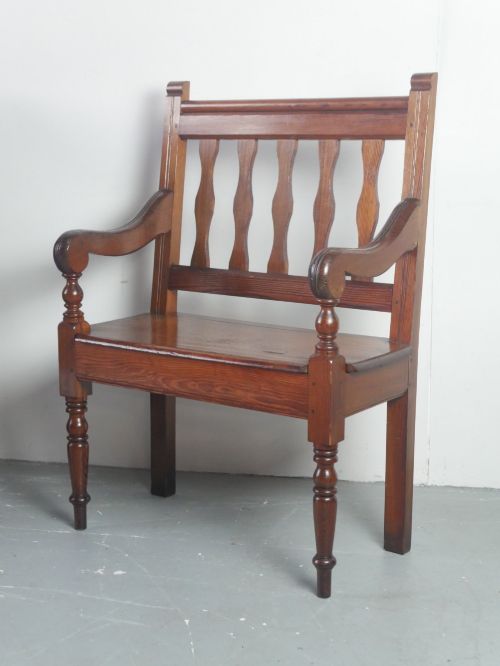
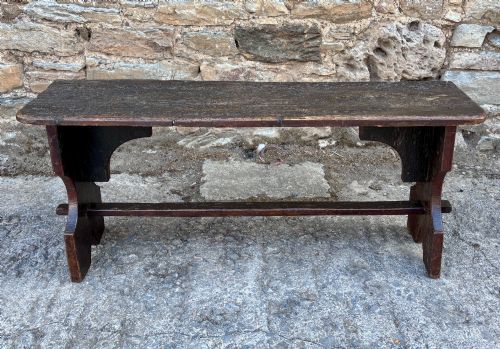
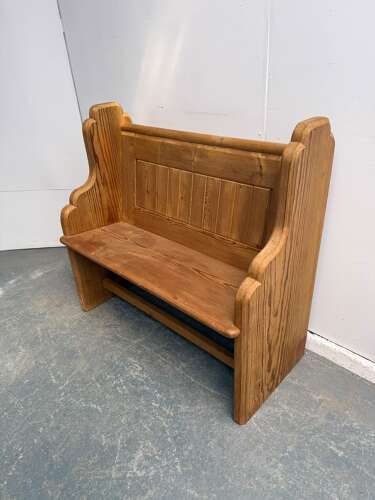
Most examples found on this page consist of long pine or oak pews, alongside smaller chapel chairs, prie-dieu prayer kneelers, and hall benches. These items transition easily from ecclesiastical architecture into domestic hallways, kitchens, and living rooms.
Makers utilised durable timbers to withstand heavy daily use by congregations. Consequently, surviving items maintain their structural integrity while displaying the honest patination of decades of service.
Materials and construction methods
Construction relies upon solid timbers such as oak, pitch pine, and standard pine, joined using traditional methods suited to heavy utility. Craftsmen shaped thick planks into benches, settling panels into frames to resist warping.
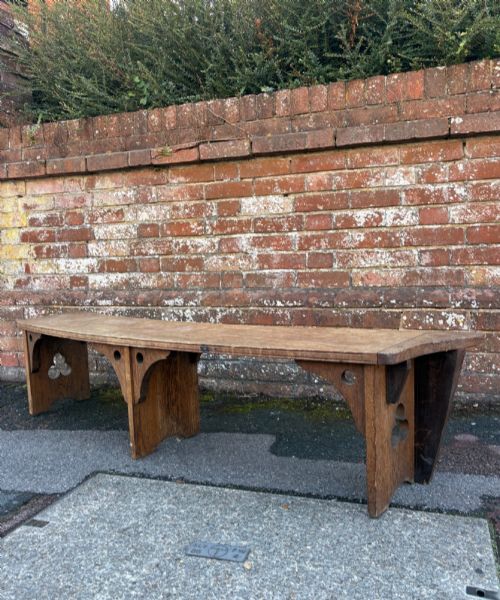
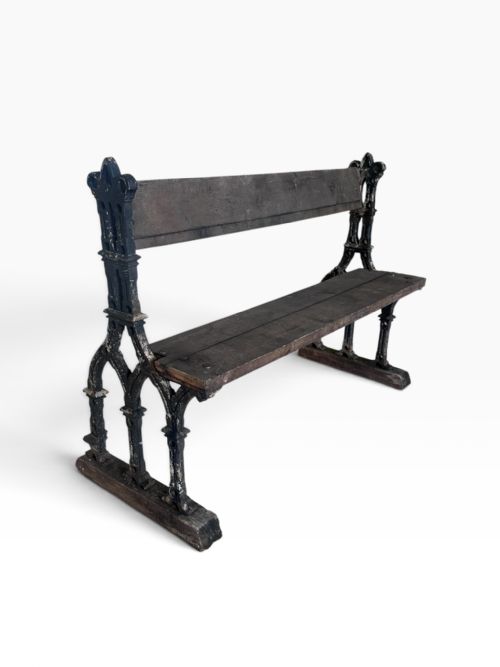
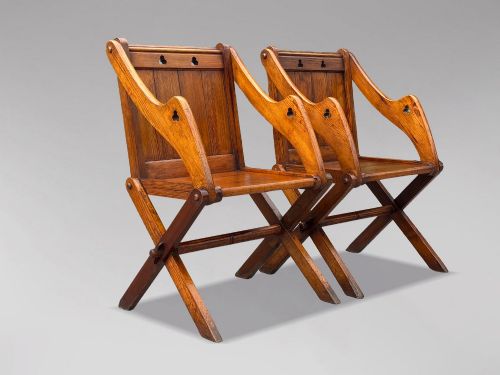
Styles lean toward Gothic Revival and Victorian designs, featuring trefoil carved supports, architectural trestle ends, and occasional brass fixtures or fabric upholstery. Surfaces often carry wax finishes, natural patination, or historic paint.
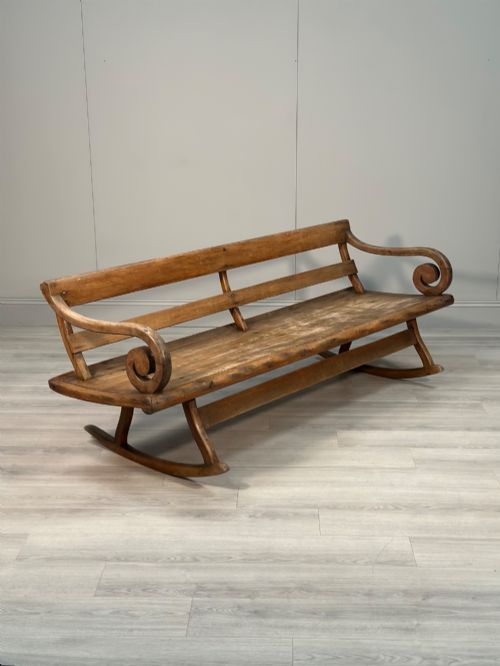
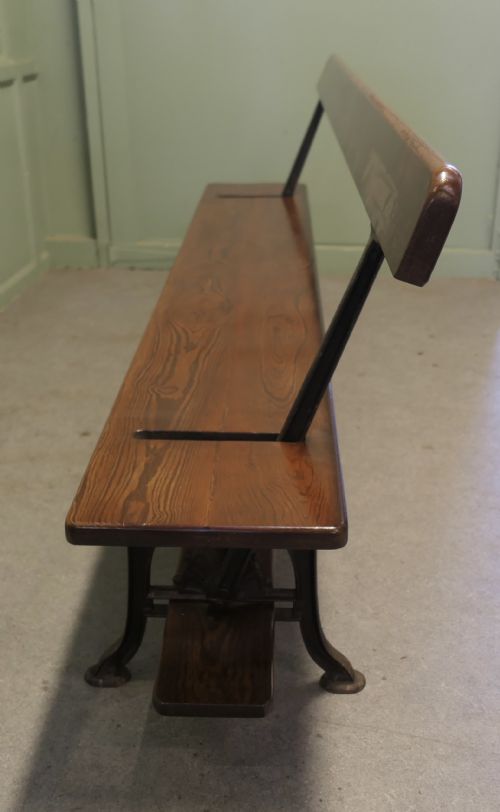
Several items retain their original transit marks, including a tram bench and seating pulled straight from St Paul's Cathedral.
Factors that define quality
Quality rests upon the selection of timber, the integrity of the joinery, and the retention of original surfaces. Pieces fashioned from solid oak or pitch pine with substantial thickness command greater interest than lighter domestic adaptations.
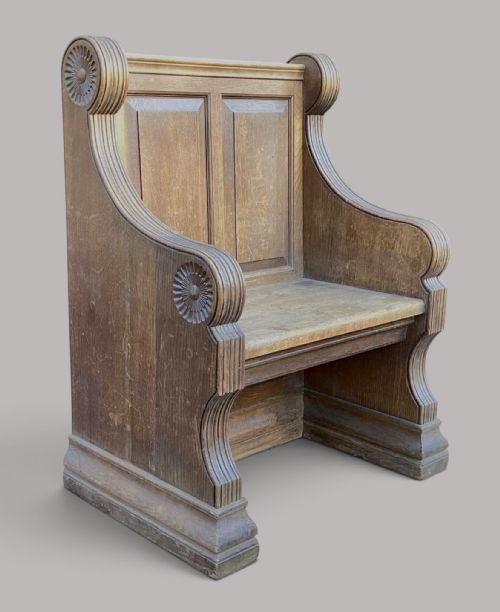
Proportion and architectural detail separate standard utility items from finer examples. Pieces bearing specific ecclesiastical markings, complex tracery, or carved supports demonstrate superior workshop origin.
The Antique Church Seating Glossary
- Pew
- A long wooden bench with a back and sometimes integrated bookrests, designed for congregational seating in churches and chapels. These typically form the backbone of ecclesiastical furniture categories.
- Settle
- A wooden bench with a high solid back and enclosed arms, often featuring a box seat for storage. This form kept drafts away from occupants in medieval and nineteenth-century interiors.
- Prie-dieu
- A devotional chair or kneeling desk designed for private prayer, featuring a padded shelf for the elbows and a lower platform for kneeling. Examples often incorporate velvet upholstery.
- Gothic Revival
- An architectural and decorative style popular during the nineteenth century that mimics medieval pointed arches, trefoils, and structural tracery. This aesthetic dominates ecclesiastical seating of the Victorian period.
- Pitch pine
- A resinous North American pine species utilised extensively in nineteenth-century church interiors for its durability and prominent grain pattern. It ages to a rich, deep honey tone.
Antique Church Seating: Frequently Asked Questions
How do I clean an antique pine pew?
Maintain the surface using a soft brush to remove dust from crevices and carved details. Apply a quality beeswax sparingly to nourish the dry timber without altering the historic patina.
Avoid modern liquid polishes or aggressive chemical cleaners that strip the aged finish. Gentle care preserves the underlying grain and the marks left by generations of use.
Will a church pew fit in a hallway?
Many pews and chapel benches were built in relatively narrow dimensions to fit between rows, making them suitable for corridors and boot rooms. Measure the available floor space and check the overall length of the bench before placement.
Consider the clearance needed for doorways and stairs when maneuvering long solid wood items. Slimmer hall benches and shorter chapel seats offer flexible alternatives for compact areas.
How do I date a Victorian church bench?
Examine the construction methods, tool marks on the underside, and the specific timber species used in the frame. Machine-sawn lumber generally points toward the mid-to-late nineteenth century, while style clues like Gothic revival tracery refine the era.
Look for hardware such as early brass screws or hand-forged brackets that indicate manufacturing periods. Ecclesiastical seating often lacks maker marks, relying instead on stylistic attributes for dating.