




Antique Chinoiserie Platter
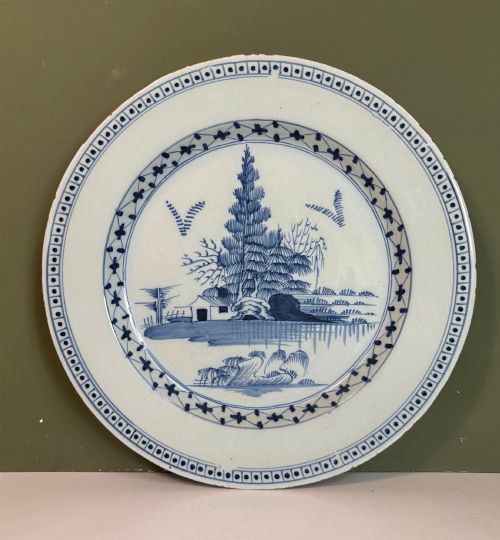
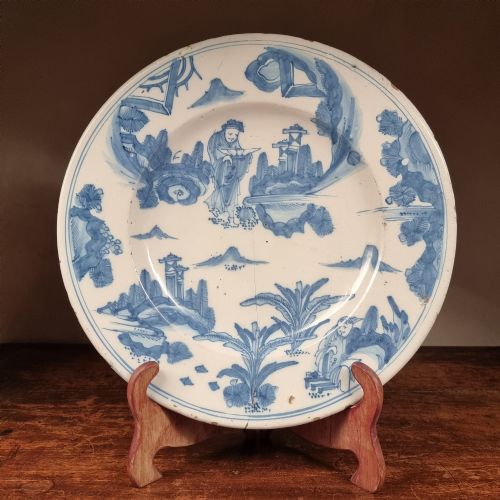
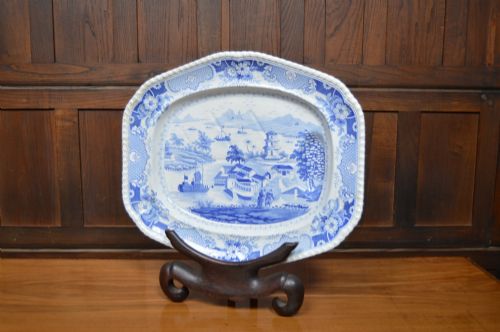
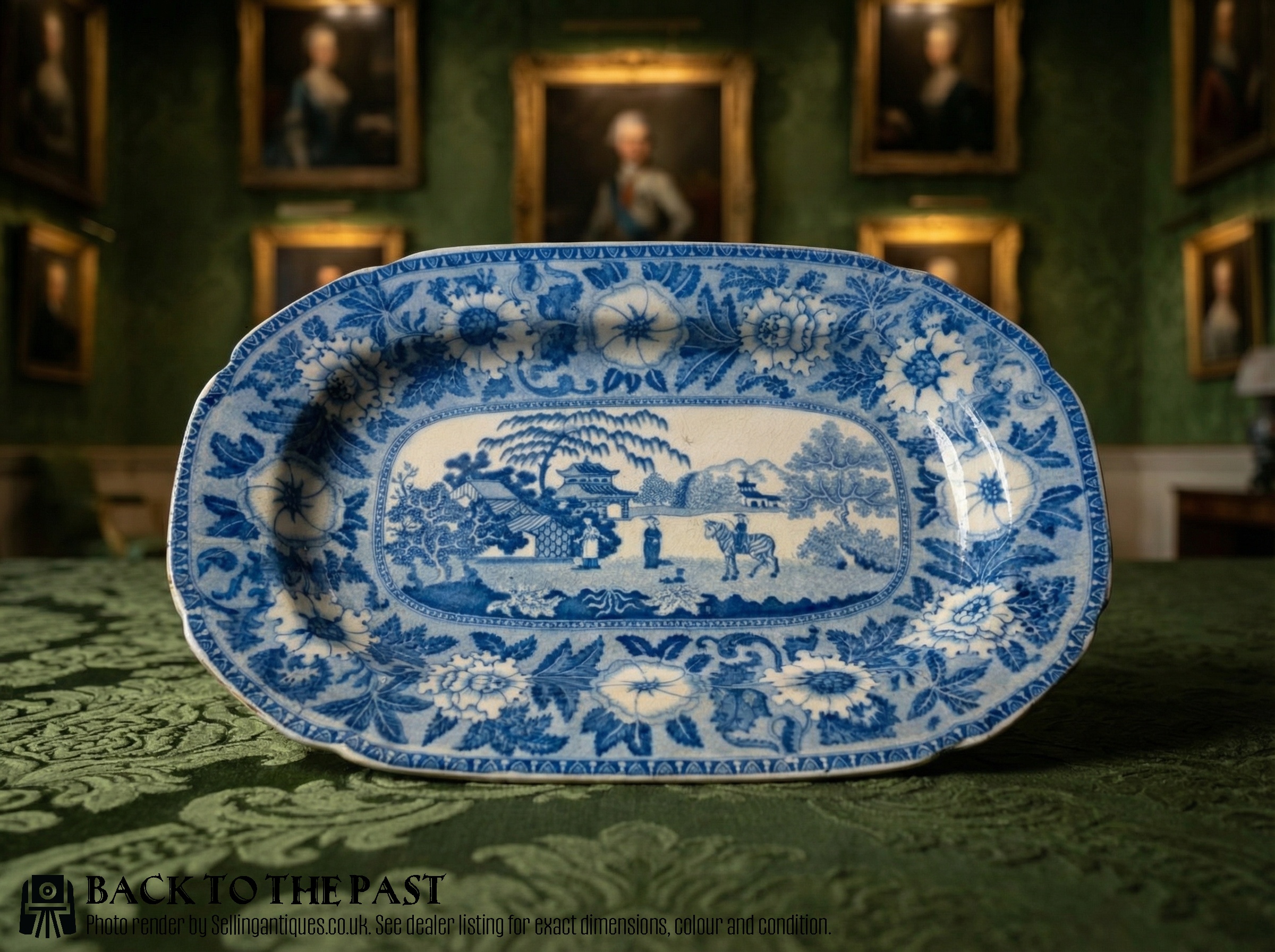
An antique chinoiserie platter brings painted scenes of pavilions and exotic birds to the table, offering a decorative surface that grounds a room in history.
Antique Chinoiserie Platter
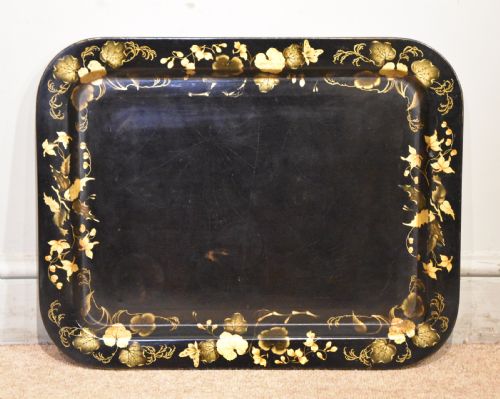
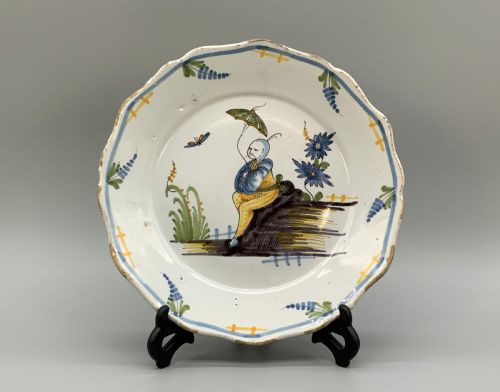
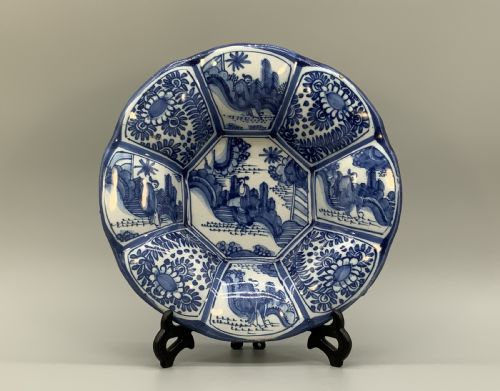
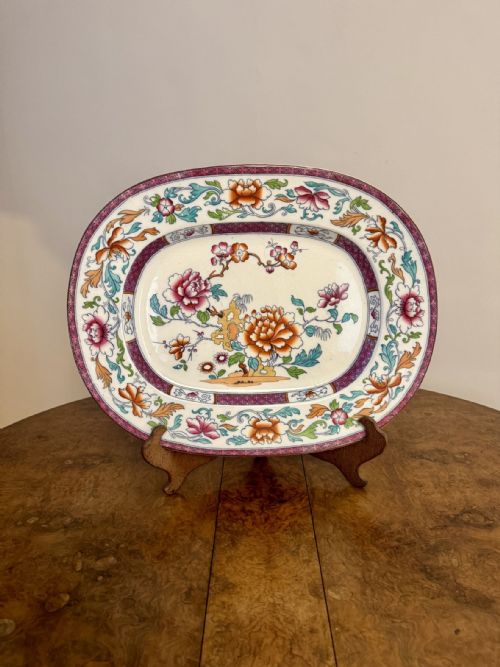
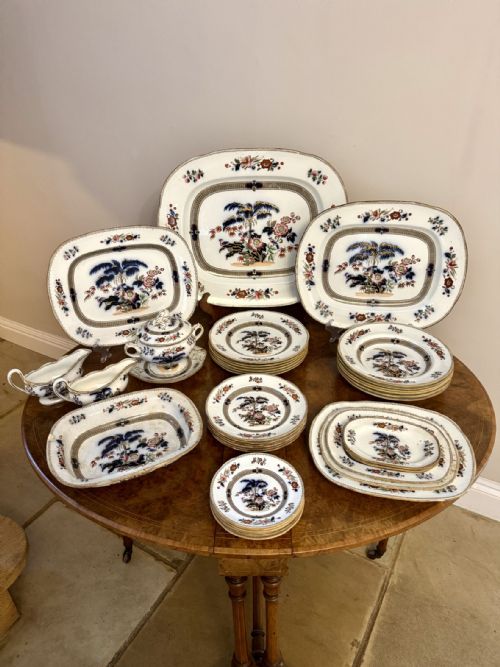
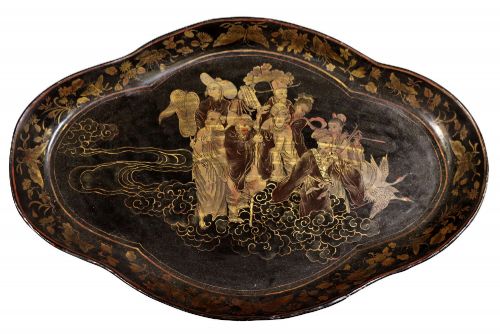
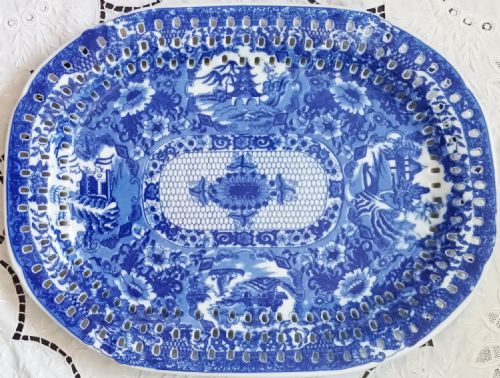
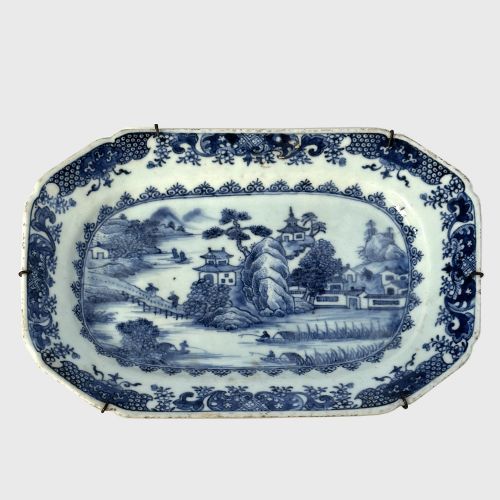
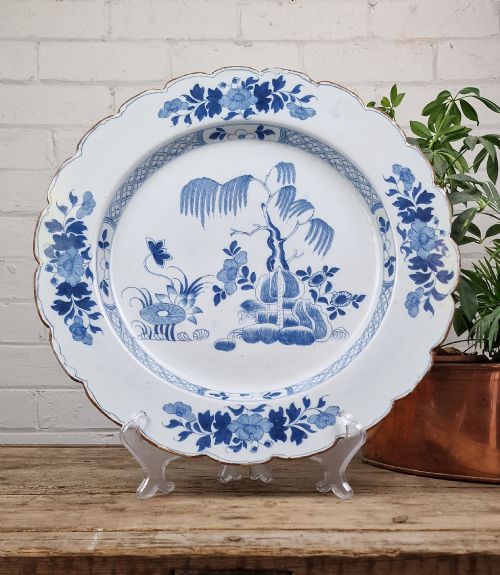
An antique chinoiserie platter takes many forms across this selection, appearing as large earthenware chargers, transferware serving dishes, and papier-mâché trays from the eighteenth, nineteenth, and early twentieth centuries. Buyers encounter English pottery, tin-glazed delftware, and Chinese export porcelain alongside papier-mâché examples originating from the Georgian and Victorian eras.
The aesthetic relies on European interpretations of East Asian motifs, depicting landscapes, figures, and botanical scenes in cobalt pigment, enamel, and gold leaf. These pieces served practical functions at dining tables or hung on walls as decorative chargers, bridging utility and ornament in period interiors.
How they were made
Potters shaped these serving vessels from earthenware, ironstone, pearlware, and porcelain, applying glazes and cobalt pigment before firing. Transfer printing allowed factories to transfer complex blue and white patterns onto earthenware plates, while delftware makers relied on tin glazes painted by hand.
Papier-mâché trays utilised layered paper pulp compressed and varnished, then finished with gold leaf and hand-painted chinoiserie decoration. Ironstone provided a durable, heavy body suitable for large meat platters, while porcelain supported finer, translucent Chinese export and English wares.
Antique Chinoiserie Platter Retail Price Guide 2026
Typical asking prices for chinoiserie platter among the pieces listed under this phrase on Sellingantiques today, from the lower quarter to the upper quarter. They describe what is for sale here now, not the wider market.
Elkington pattern meat dishes share table space with nineteenth-century willow patterns and exotic birds perched on orange ground chargers.
What varies in quality
The distinction between standard domestic wares and superior examples rests upon the precision of the hand-painted brushwork or the clarity of the transfer print. Master potters and painters achieved greater depth in landscape details, whereas lesser items display rushed outlines and muted glazes.
Subtleties in the ceramic body and the richness of the enamel or gold leaf application separate everyday service items from exhibition-quality chargers. Pierced rims, shaped edges like lobes or octagonal forms, and well-and-tree drainage systems also indicate higher ambition in design.
John Ridgway·Mason·Caughley·Bow·Copeland and Garrett·Minton·Elkington·Wedgwood
The Antique Chinoiserie Platter Glossary
- Chinoiserie
- European decorative style reflecting Chinese artistic influences, characterised by imaginative scenes of pavilions, figures, and exotic flora. It flourished across the eighteenth and nineteenth centuries on ceramics and trays.
- Transferware
- Pottery decorated by applying a printed design from an engraved copper plate onto a tissue paper and then onto the ceramic body. This technique revolutionised blue and white production in the Georgian era.
- Delftware
- Earthenware covered with an opaque white tin glaze, painted with metallic oxides before firing. It frequently mimics Chinese blue and white porcelain.
- Ironstone
- A heavy, durable ceramic patented in the nineteenth century to imitate porcelain. It withstands heavy use while accepting vibrant enamels.
- Charger
- A large decorative plate or platter used primarily for display on sideboards or walls during feasts. They often feature prominent painted or printed scenes.
- Pearlware
- A refined earthenware developed in the late eighteenth century featuring a subtle bluish glaze that pooled in recesses. It provided a whiter ground for blue and white patterns than creamware.
Antique Chinoiserie Platter: Frequently Asked Questions
How were antique platters used originally?
These large dishes served roasted meats, bread, and communal courses at formal dining tables, often assisted by drainers placed within the well to catch juices. Papier-mâché trays carried tea services and glassware across drawing rooms.
Over time, many of the larger chargers transitioned to decorative wall hangings or sideboard ornaments, valued as much for their painted scenes as for their utility.
Are these platters safe for modern dining?
While many ironstone and earthenware platters remain physically robust, antique glazes from the eighteenth and nineteenth centuries can contain lead or other substances not recommended for modern food contact. Historic ceramics are also susceptible to thermal shock and crazing from hot foods.
Most collectors choose to display these pieces or utilise them strictly for dry presentation rather than everyday culinary service.
How do I date a blue and white platter?
Dating relies on examining the ceramic body, the shade of the cobalt pigment, and the registration marks or factory stamps on the reverse. Early pieces on soft earthenware or tin glaze lack backstamps, whereas nineteenth-century ironstone often bears impressed or printed maker details.
The style of the border patterns and the crispness of the transfer print further help narrow the decade of production.
What is the difference between porcelain and ironstone?
Porcelain is a vitrified, translucent ceramic fired at high temperatures, common in fine Chinese export and early English teawares. Ironstone is a dense, opaque earthenware developed to resist chipping and heavy wear in daily service.
Ironstone platters feel heavier and thicker in the hand, lacking the delicate light transmission found in true porcelain.