


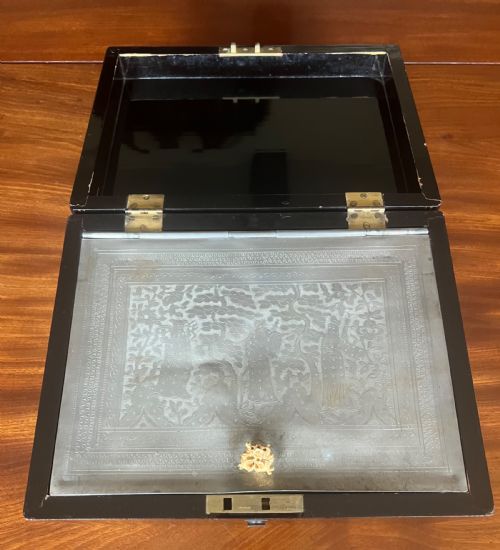

Antique Chinoiserie Box
An antique chinoiserie box brings orientalist scenes and rich lacquer into a room, offering a tactile piece of global trade history.
Antique Chinoiserie Box
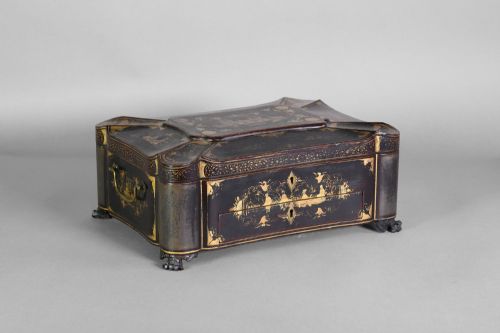
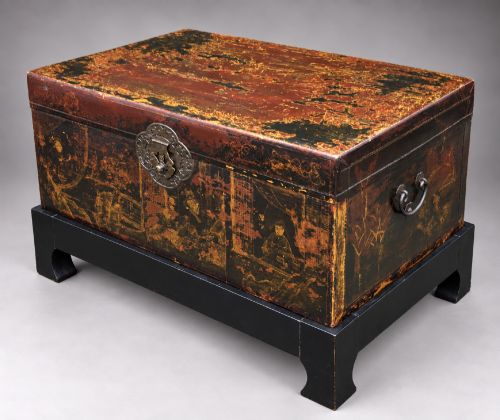
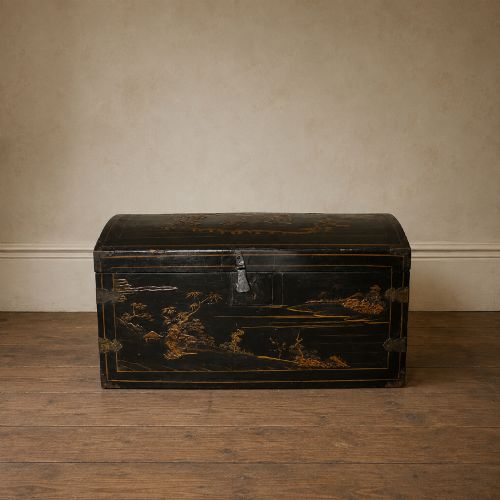
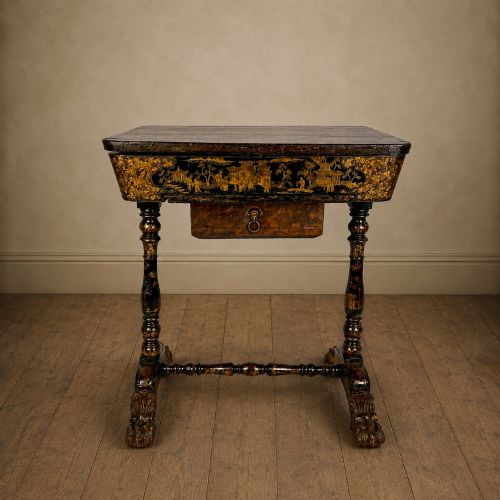
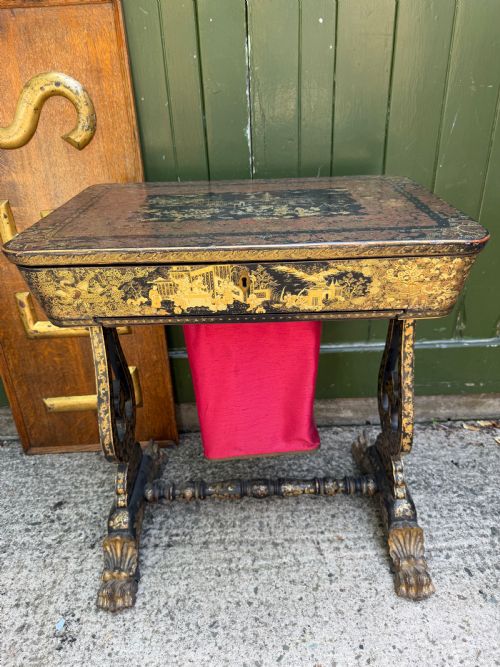
When you search for an antique chinoiserie box, you enter a field spanning tea caddies, sewing tables, blanket chests, and small desk cabinets. The examples met on this page originate from Georgian, Regency, and Victorian periods, alongside Chinese Export and Japanese production.
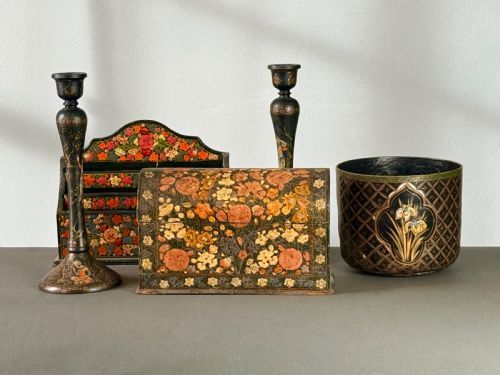
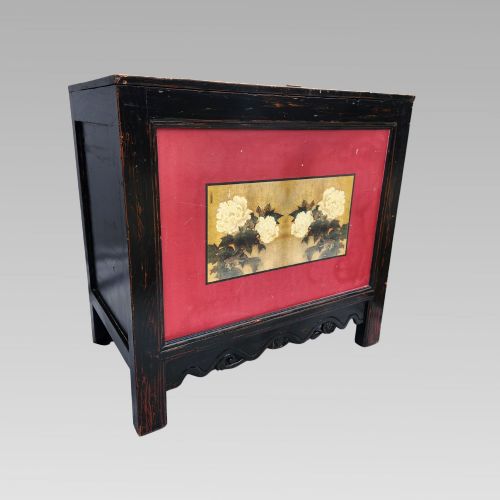
Forms range from tiny trinket containers and jewellery boxes to large floor coffers and work tables. Many pieces combine European furniture shapes with imported decorative schemes or native craftsmanship tailored for Western tastes.
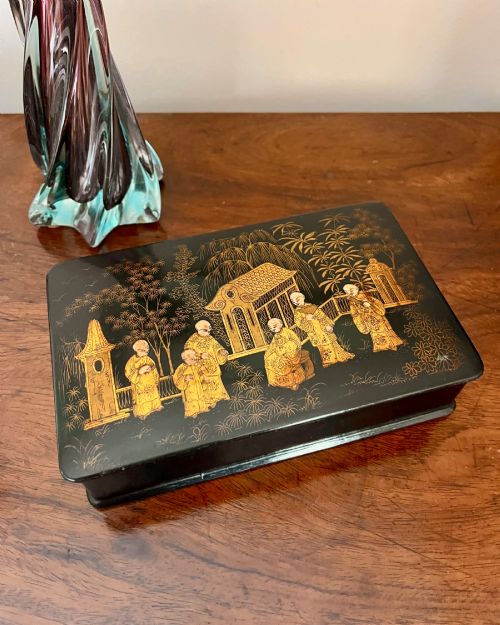
Buyers encounter items finished in black, red, or yellow lacquer, often augmented by gilt details, penwork, or painted motifs. Some pieces rest on stands, while others function as tabletop storage units for tea, letters, or sewing implements.
How they were made
Construction relies heavily on woods such as camphor, oak, and general lacquered timber, sometimes joined with brass hardware or bone accents. Makers applied multiple layers of lacquer to build a smooth base before adding pictorial designs.
Decoration typically involves gold leaf and paint to create intricate figures, pagodas, and landscapes in the East Asian taste. Penwork techniques on Regency items substitute ink for lacquer, achieving fine line drawings reminiscent of engravings.
Listings feature items from the eighteenth, nineteenth, and early twentieth centuries, utilising materials like brass, bone, and gold leaf alongside lacquer and wood.
What varies in quality
The sophistication of the painted or gilt motifs dictates much of the visual success, separating hurried trade items from masterwork creations. Crispness in penwork and the depth of the lacquer finish indicate the original maker's skill and time investment.
Structural integrity of the underlying wood, particularly with camphor chests and heavy cabinets on stands, affects everyday utility. Preservation of the original surface without heavy modern intervention maintains historical integrity.
The Antique Chinoiserie Box Glossary
- Chinoiserie
- European interpretation and imitation of Chinese and East Asian artistic traditions. This style dominated various periods of decorative arts through painted scenes and decorative motifs.
- Lacquer
- A durable finish applied in thin coats to wood objects, creating a glossy surface. It derives from natural plant resins or specialised varnishes.
- Penwork
- A decoration technique using fine ink lines on wood to simulate engraved ornament. Regency boxes frequently employ this method for detailed geometric and pictorial panels.
- Caddy
- A small container or box designed for storing tea leaves. These often featured internal compartments and locking lids.
- Japanned
- European-made furniture and objects finished in imitation of Asian lacquerwork. The term references Japanese export goods that inspired the style.
Antique Chinoiserie Box: Frequently Asked Questions
What were antique chinoiserie boxes used for?
These vessels served practical domestic purposes, primarily storing precious dry goods like tea, writing implements, sewing gear, and jewellery. Wealthy households kept them in reception rooms or bedrooms to safeguard small valuables.
Over time, their decorative appeal surpassed mere utility, leading owners to display them on tables and cabinets as conversation pieces reflecting global trade tastes.
How do I date a chinoiserie box?
Dating relies on the structural joinery, the wood species used, and the characteristic style of the decoration. Georgian and Regency pieces often feature precise penwork or specific cabinet shapes, whereas Victorian items frequently incorporate bamboo or distinct hardware.
Examining the interior linings, hinges, and lock mechanisms provides further clues to the decade of manufacture.
How do I care for lacquer surfaces?
Lacquer requires gentle handling, avoiding direct sunlight, high humidity, and extreme temperature fluctuations that can cause cracking. Dusting with a soft, dry cloth is sufficient for routine maintenance.
Keep moisture and harsh cleaning products away from the surface to preserve the original gilt decoration and delicate finish.