



Antique Chinese Wall Decor
Antique chinese wall decor brings texture and history to a room through traditional watercolours, carved wood, and delicate textiles.
Antique Chinese Wall Decor
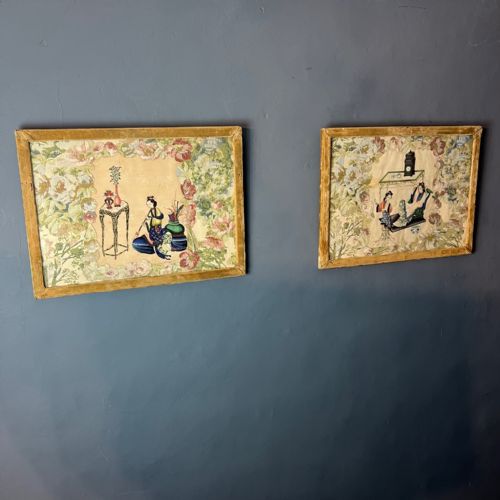
When you search for antique chinese wall decor, you encounter a varied selection of hanging art, plaques, and decorative panels spanning from the eighteenth century to the mid twentieth century. The pieces range from intricate reverse paintings on glass and pith paper studies to substantial lacquered wood platters and carved architectural elements.
You are most likely to meet nineteenth century works on this page, alongside specific examples of embroidered garden birds and mandarin ducks. Formats vary from framed silk watercolours to heavy brass plates and painted cart doors repurposed for display.
How these pieces were made
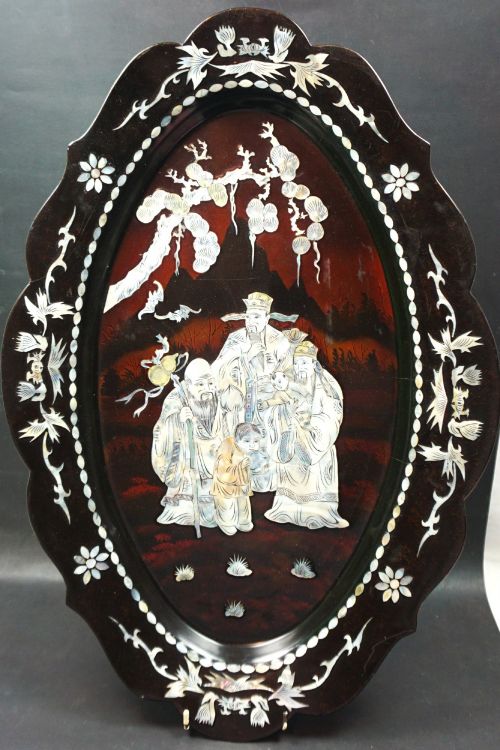
Makers utilised organic materials including wood, silk, paper, card, and pith, often combining them with glass, brass, and lacquer. Watercolour and oil pigments bring colour to the surfaces, whilst mother of pearl inlay adds depth to lacquered wooden platters and panels.
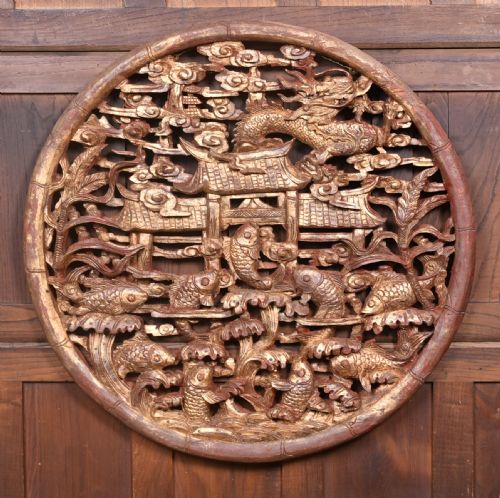
Techniques range from delicate needlework embroidery depicting birds and ducks to reverse painting on glass and embossed card construction. Architectural pieces like painted cart doors demonstrate structural carpentry adapted for visual impact on walls.
Antique Chinese Wall Decor Retail Price Guide 2026
Typical asking prices for chinese wall decor among the pieces listed under this phrase on Sellingantiques today, from the lower quarter to the upper quarter. They describe what is for sale here now, not the wider market.
Listings feature items spanning from the eighteenth century to the mid twentieth century, utilising media such as silk, pith, glass, and lacquer.
What varies in quality
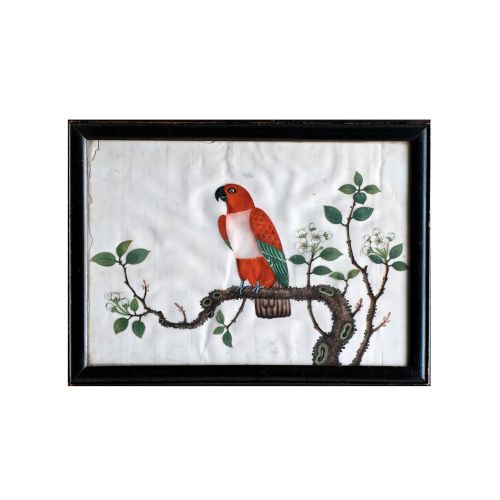
Quality rests in the finesse of the brushwork on silk, pith, and paper, where finer pieces display precise detail in subjects like parrots and phoenixes. The complexity of material combination, such as intricate mother of pearl inlay set into lacquered wood, also distinguishes superior examples.
The preservation of fragile media like silk and unglazed paper separates better preserved items from those with heavy degradation. Structural integrity in wooden plaques and carved architectural elements further defines the upper tier of the range.
The Antique Chinese Wall Decor Glossary
- Pith painting
- A watercolour created on a fragile paper-like material made from the pith of the Tetrapanax papyrifer plant. These works often depict birds or figures with vibrant pigments.
- Reverse painting on glass
- An image painted directly onto the back of a glass pane so that the final composition is viewed through the transparent front. This technique requires the artist to paint fine details first.
- Lacquer
- A durable finish applied to wood using processed tree sap, often built up in multiple layers. It provides a smooth surface suitable for carving and inlay work.
- Chinese Export
- Objects manufactured in China specifically for Western markets and trade during the Qing dynasty and later periods. These items often blend traditional Eastern motifs with Western aesthetic preferences.
Antique Chinese Wall Decor: Frequently Asked Questions
What is pith painting?
A pith painting is a delicate watercolour created on a spongy botanical material native to southern China. Artists utilised this medium during the nineteenth century to capture brightly coloured birds and local scenes for export.
The material has a unique velvety texture that absorbs watercolour pigments deeply, giving the artwork a luminous quality. These pieces require careful framing behind glass to protect the fragile substrate from damage.
How do I hang heavy wooden plaques?
Heavy wooden wall plaques and architectural elements require secure wall anchors and appropriate mounting brackets rated for the weight of the timber. Professional installation ensures the piece remains stable without stressing the antique material.
Position the hardware into wall studs where possible, particularly when hanging substantial items like lacquered platters or carved cart doors. Check the hanging points on the reverse of the piece to ensure the structural fixings are sound.
Are silk embroideries delicate?
Silk embroideries are sensitive to direct sunlight and high humidity, which can cause the threads to fade or weaken over time. Proper conservation framing with UV-filtering glass helps protect the textiles from environmental degradation.
Keep these pieces away from heat sources and damp areas to preserve the integrity of the silk ground and the colourful embroidery threads. Gentle dusting with a soft, dry brush is sufficient for maintenance.
What is reverse glass painting?
Reverse glass painting involves applying oil or watercolour pigments directly onto the rear surface of a glass plate. The viewer looks through the clear glass to see the finished image, which protects the paint layer from atmospheric dust.
This technique demands that the artist paints fine foreground details and outlines first, finishing with the background layers last. The resulting surface has a glossy sheen that distinguishes it from works on paper or canvas.