




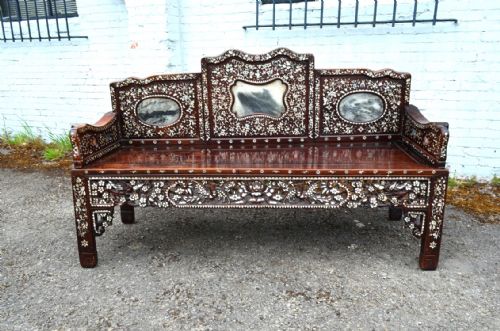


Antique Chinese Sofa
An antique chinese sofa brings carved timber and traditional seating forms from the nineteenth and early twentieth centuries into a modern interior.
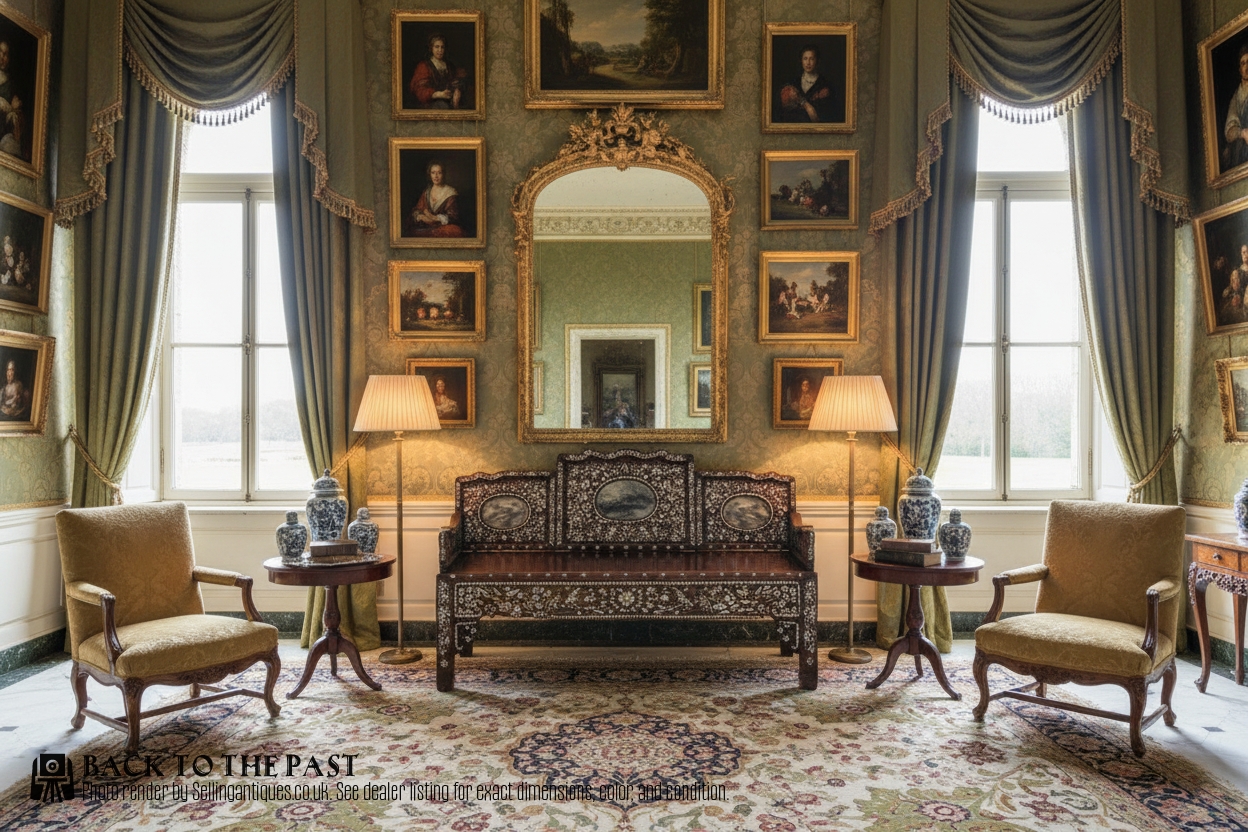
Antique Chinese Sofa
An antique chinese sofa comprises hardwood, elm, mahogany, and rosewood seating pieces originating from nineteenth-century periods up through the nineteen-thirties. Buyers searching for an antique chinese sofa encounter carved benches, settles, and settee suites reflecting Qing Dynasty, Chinese Export, and Chinese Chippendale styles.
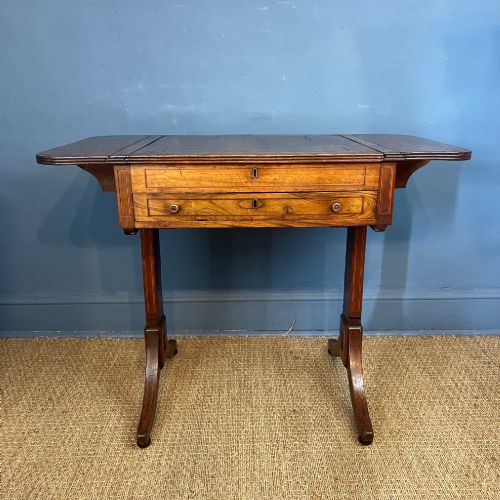
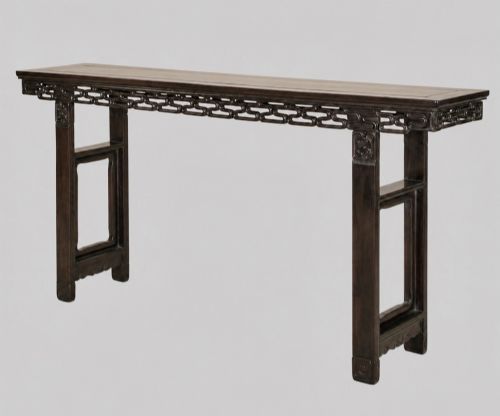
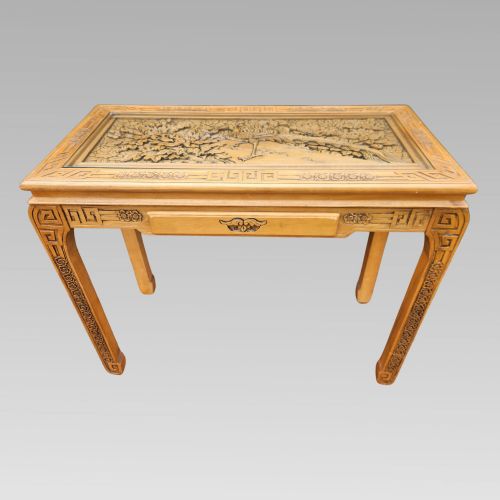
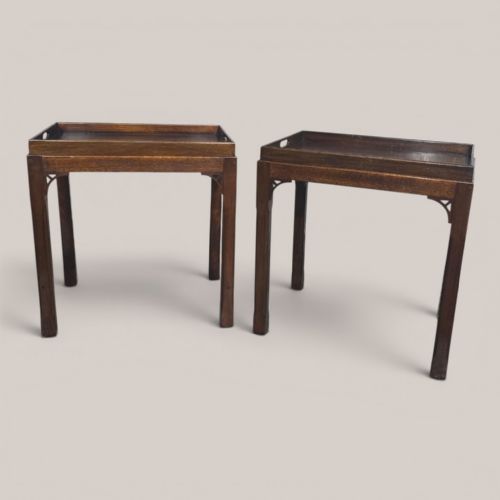
The selection ranges from large carved hall benches and low seat benches to early twentieth-century camelback sofas and lacquered seating. Alongside formal sofas, related forms such as altar tables, console tables, and work tables appear within these listings.
Originating from Chinese workshops and export production centres, these pieces demonstrate traditional joinery and decorative carving. The materials include dense hardwoods, elm, and huanghuali wood, often accented with mother of pearl inlay.
How they were made
The construction relies on dense timbers such as hardwood, rosewood, elm, mahogany, and huanghuali wood, shaped by traditional joinery methods. Artisans utilised these structural woods to build stable frames for benches, sofas, and console tables.
Surface ornamentation involved intricate hand-carving of figurative and dragon motifs alongside applied lacquer finishes. Master craftsmen also inlaid mother of pearl directly into the wood surfaces of export benches and tables.
Antique Chinese Sofa Retail Price Guide 2026
Typical asking prices for chinese sofa among the pieces listed under this phrase on Sellingantiques today, from the lower quarter to the upper quarter. They describe what is for sale here now, not the wider market.
Dragons peer out from the carved backs of nineteenth-century rosewood benches, keeping a watchful eye on the modern living room.
What varies in quality
The standard of carving and the density of the timber determine the calibre of a piece, distinguishing standard output from masterwork production. Pieces featuring detailed dragon motifs and precise mother of pearl inlay demonstrate superior workshop execution.
The choice of material creates a distinct hierarchy, with dense rosewood and huanghuali wood representing the upper tier compared to standard elm or mahogany. The complexity of the structural form, from simple console tables to elaborate seating suites, reflects the original commission level.
The Antique Chinese Sofa Glossary
- Altar table
- A long, narrow rectangular table with upturned flanges at the short ends, traditionally placed against a wall in domestic halls. These tables often feature carved aprons and sturdy hardwood construction.
- Mother of pearl
- An iridescent inner layer of mollusc shell cut into thin pieces and embedded into wood surfaces to form decorative motifs. This technique frequently appears on nineteenth-century export benches.
- Qing Dynasty
- The final imperial dynasty of China, lasting from sixteen-forty-four to nineteen-twelve, known for sophisticated hardwood furniture production and intricate carving styles.
- Settle
- A wooden bench with a high back, solid arms, and often a storage compartment beneath the seat, adapted in various regional forms across Chinese and European traditions.
Antique Chinese Sofa: Frequently Asked Questions
What is an antique chinese sofa?
An antique chinese sofa is a traditional seating piece, bench, or settee made from hardwoods, elm, or mahogany during the nineteenth or early twentieth centuries.
These items encompass carved hall benches, export settees with mother of pearl inlay, and Edwardian mahogany pieces influenced by Chinese Chippendale design.
How were antique chinese benches used?
These benches served primarily as formal seating in domestic interiors, reception halls, and domestic spaces.
Larger versions accommodated multiple sitters during gatherings, while altar tables and console tables fulfilled display and ritual functions against the walls.
What woods are used in these pieces?
Maker workshops utilised dense hardwoods, rosewood, huanghuali wood, and elm for structural frames and decorative surfaces.
Mahogany and lacquered finishes also appear, particularly in pieces produced for the export market or influenced by European revival styles.
How do I identify the period?
Dating relies on stylistic markers such as Qing Dynasty carving conventions, Chinese Export characteristics, and early twentieth-century Edwardian Chippendale revivals.
Material choices like huanghuali wood or specific inlay techniques help narrow down the production era to the nineteenth century or nineteen-hundreds.
How do I care for hardwood furniture?
Hardwood and lacquered surfaces require stable indoor humidity and protection from direct sunlight to prevent timber movement.
Regular dusting with a dry, soft cloth preserves the polished finish without introducing moisture to the carved details or mother of pearl inlay.