




Chinese Opium Bench
A chinese opium bench brings low-slung proportion and rich hardwood texture into a modern interior.
Chinese Opium Bench
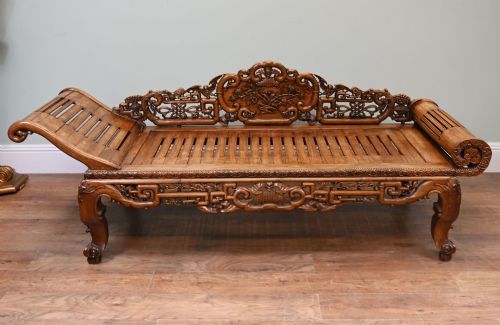
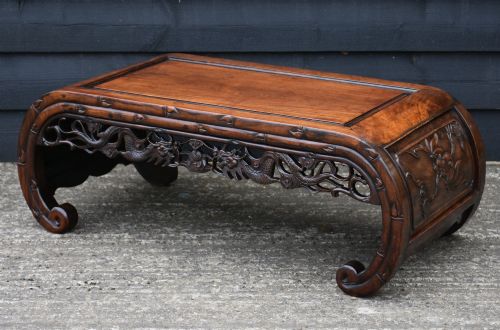
A chinese opium bench typically takes the form of a low table, kang table, daybed, or low coffee table designed for sitting or resting. These pieces emerge from the nineteenth century and the early twentieth century, spanning periods like the late Qing dynasty and Chinese export production.
The buyer meets forms ranging from small-scale low tables to larger scroll-end kang tables and low coffee tables. Hardwoods, elm, and hongmu dominate the offerings, often accompanied by benches and sofas.
Originating within Chinese traditional craftsmanship, these low tables function naturally today as coffee tables or decorative seating. The form provides a distinct horizontal emphasis that suits contemporary living spaces.
How they were made
Carved hardwood and ebonised hardwood form the backbone of these pieces, alongside elm, rosewood, and dense hongmu. Artisans shaped these heavy materials using traditional joinery methods suited to low furniture and daybeds.
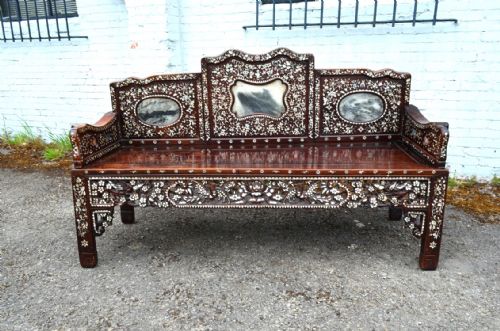
Decoration relies on carved dragon details, scroll ends, and intricate mother of pearl inlay work set into the wood surfaces. Some examples also incorporate marble inserts or red lacquer and gilding finishes.
Construction scale varies from smaller kang tables to larger export benches, each utilising the natural grain and strength of the timber.
Some nineteenth-century tables feature dragons carved with such enthusiasm they appear to be guarding your afternoon teacup.
What varies in quality
The standard of carving determines much of the distinction across these pieces, ranging from simple plain surfaces to deep, crisp dragon motifs and scroll ends. Crispness and depth in the carved hardwood indicate the hand of a more accomplished workshop.
Material choice dictates the baseline quality, with dense timbers like rosewood and hongmu holding a higher regard than general wood or basic elm. The integration of mother of pearl inlay work and marble panels adds another layer of refinement.
Proportion and scale also separate everyday items from exceptional examples, particularly where larger kang tables or export benches maintain balance and structural integrity.
The Chinese Opium Bench Glossary
- Kang table
- A low platform table traditionally used on a heated brick bed in northern China for dining, writing, or resting. These pieces sit low to the ground and often feature carved details or scroll ends.
- Hongmu
- A translation meaning red wood, used to describe various dense and heavy tropical hardwoods prized in traditional Chinese furniture. This material takes a fine polish and shows deep natural colouration.
- Qing Dynasty
- The final imperial dynasty of China, lasting from the seventeenth century until nineteen twelve. Pieces from the late nineteenth and early twenty-first centuries often carry stylistic elements from this era.
- Mother of pearl
- An iridescent inner layer of shell used for inlay decoration in furniture surfaces. Artisans cut thin sections to form geometric or pictorial patterns against dark wood.
- Scroll end
- A table or bench end shaped into an outward-curving scroll form. This traditional Chinese joinery detail softens the silhouette of low tables.
Chinese Opium Bench: Frequently Asked Questions
What is a Chinese opium bench used for today?
These pieces serve primarily as low coffee tables or decorative display platforms in modern rooms. Their horizontal proportions suit placement in front of low seating.
They also function as daybeds or low benches when selected in larger scales. The sturdy hardwood construction handles everyday placement easily.
How do I date a Chinese opium bench?
Dating relies on observing construction methods, timber types, and stylistic details associated with the late nineteenth and early twentieth centuries. Qing dynasty influences often appear in the carved motifs and scroll-end forms.
Changes in finish, such as ebonised hardwood or red lacquer with gilding, also help place an object within its period. Archive examples and comparative pieces provide further reference.
Are these pieces made of solid hardwood?
Many examples utilise dense timbers such as rosewood, hongmu, and ebonised hardwood throughout their construction. Elm and general wood also appear across the selection of low tables and benches.
The weight and grain of the timber indicate the specific material used by the maker.
How do I style a low opium table?
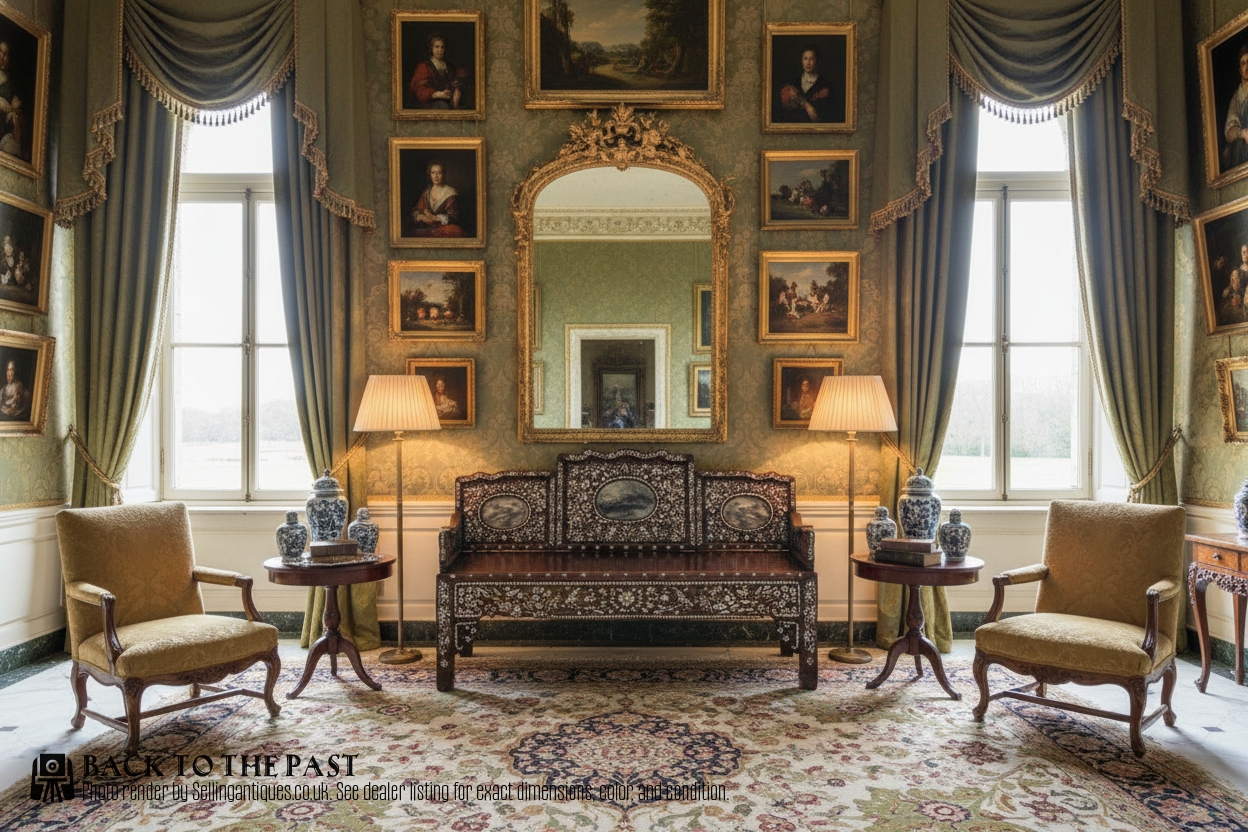
The low profile of these tables makes them ideal for anchoring a seating arrangement without blocking sightlines. Pairing them with contemporary upholstery creates a balanced mix of periods.
Keeping the surface uncluttered allows carved dragon details or mother of pearl inlay work to remain visible. They also sit well against plain walls that highlight their scroll ends.