




Vintage Chinese Bench
A vintage chinese bench brings solid timber and centuries of regional design straight into a modern interior.
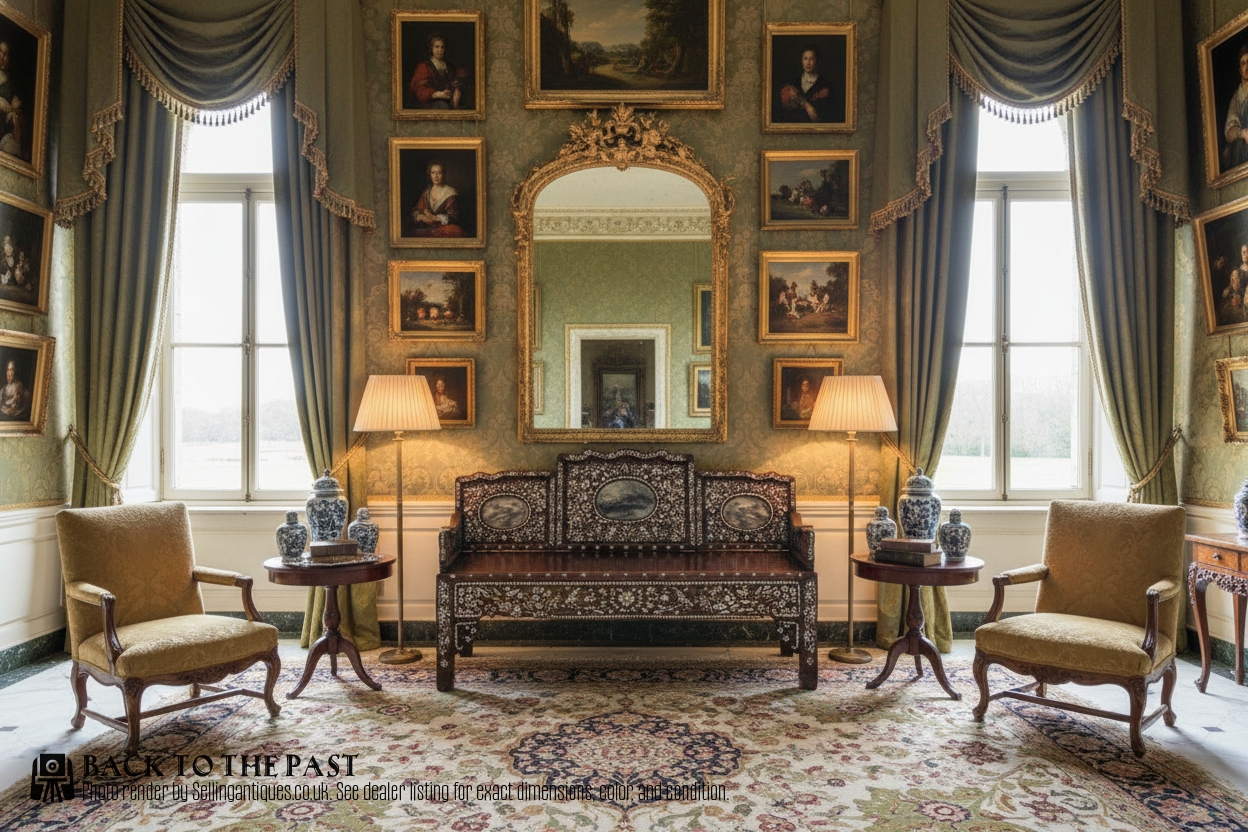
Vintage Chinese Bench
A vintage chinese bench encompasses seating and low tables made from elm, hardwood, rosewood, hongmu, and mahogany across the nineteenth and early twentieth centuries. These pieces reflect traditional, provincial, and export aesthetics ranging from rustic vernacular forms to intricately carved daybeds.
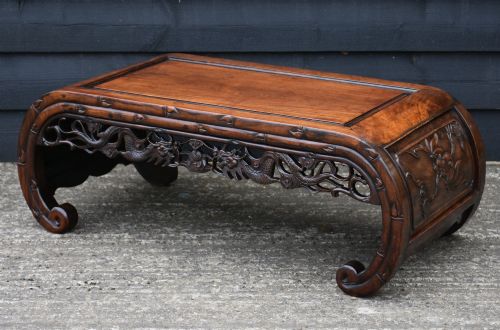
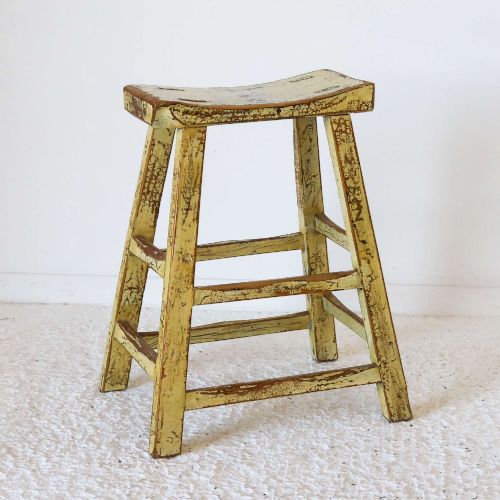
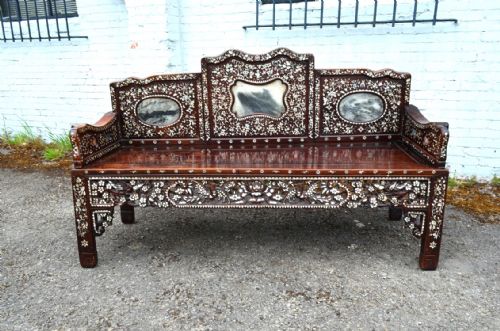
Buyers frequently encounter low tables, stools, and daybeds alongside traditional benches. The selection includes examples featuring mother of pearl inlay, original lacquer finishes, and dragon details spanning the Qing Dynasty to the Edwardian era.
Materials and construction methods
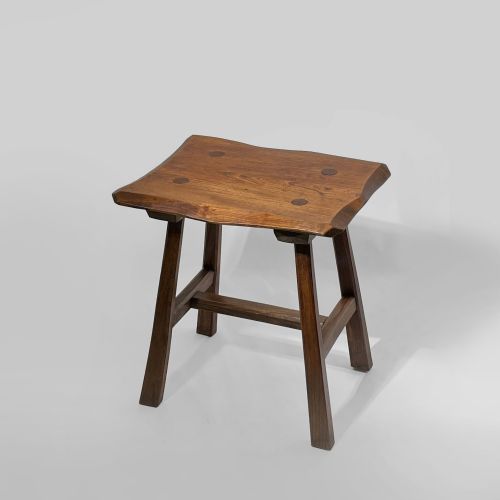
Construction relies heavily on dense timbers such as elm, rosewood, hongmu, and mahogany, often paired with blonde wood and marble inserts. Artisans shaped these sturdy materials into benches, low tables, and daybeds using traditional joinery methods suited to regional workshops.
Decoration involves hand-applied lacquer finishes and delicate mother of pearl inlays. Carved dragon details and export styling appear across specific pieces from the late nineteenth and early twentieth centuries.
One workshop stool comes paired with opium tables and dragon details, proving that furniture multitasking is centuries old.
Assessing quality in regional seating
Quality rests upon the selection of timber and the preservation of original finishes, such as early lacquer or uncompromised blonde wood. Dense hardwoods like hongmu and rosewood command attention for their weight and grain clarity.
The sophistication of surface ornament, including mother of pearl inlay and carved dragon motifs, distinguishes standard utility items from finer export and regional pieces.
Whytock and Reid
The Vintage Chinese Bench Glossary
- Elm
- A durable hardwood commonly used in rustic provincial furniture and vernacular seating. It provides a strong structural foundation with a distinct grain pattern.
- Hongmu
- A category of dense, heavy Chinese hardwoods often translated as red wood. Craftsmen utilised it for formal tables and seating.
- Mother of pearl
- An iridescent inner shell layer used for intricate inlay work on export furniture. It creates striking decorative contrast against dark hardwoods.
- Daybed
- A dual-purpose piece of furniture designed for sitting and reclining. Examples in this category feature hardwood frames and traditional Chinese proportions.
- Opium table
- A low wooden table traditionally used for seating at floor level or on platforms. These low forms frequently showcase carved details and dense timber construction.
Vintage Chinese Bench: Frequently Asked Questions
What is a chinese day bed?
A chinese day bed is a substantial wooden platform piece designed for lounging and sleeping, constructed from hardwoods like elm and mahogany.
These versatile items often feature detailed woodwork and serve as striking focal points in contemporary living spaces.
How do I use a low kang table?
A low kang table is traditionally placed on a raised platform or floor for serving tea and dining, but works well today as a coffee table.
Its low profile complements modern minimalist seating arrangements while offering a rich historical texture.
How do I date a piece?
Dating relies on identifying material choices, construction techniques, and stylistic markers such as export inlay or Qing Dynasty influences.
Examining the wear on original lacquer and timber patination also helps determine whether a piece originates from the nineteenth or early twentieth century.