




Antique Chinese Serving Platter
An antique chinese serving platter brings centuries of East Asian craftsmanship and trade history straight to the dining table.
Antique Chinese Serving Platter
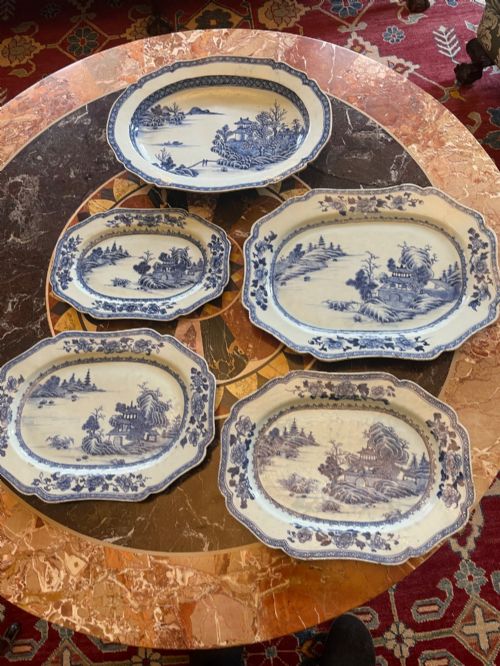
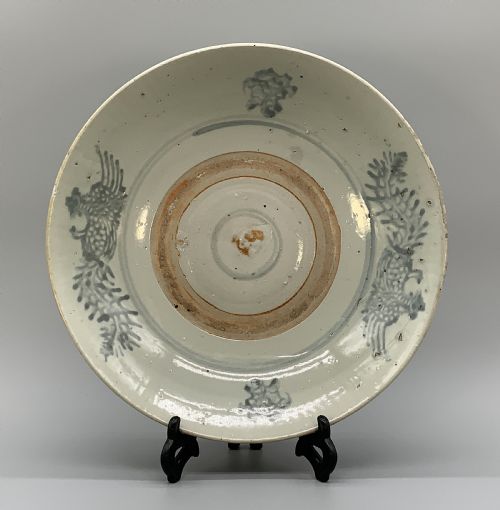
When you search for an antique chinese serving platter, you encounter a diverse range of large format ceramic and wooden dishes designed for food presentation. The examples appearing here span multiple centuries, ranging from early Ming Dynasty Swatow ware to extensive Victorian interpretations and traditional export porcelains.
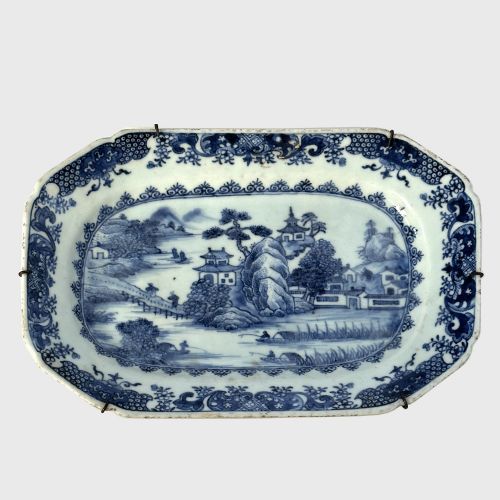
Most items you are likely to meet on this page originate from the eighteenth and nineteenth centuries, encompassing Nanking blue and white wares alongside vibrant Canton famille rose and famille verte enamel designs. Alongside genuine imports, the selection includes British interpretations such as Minton transfer-printed pieces created in distinct Chinese patterns.
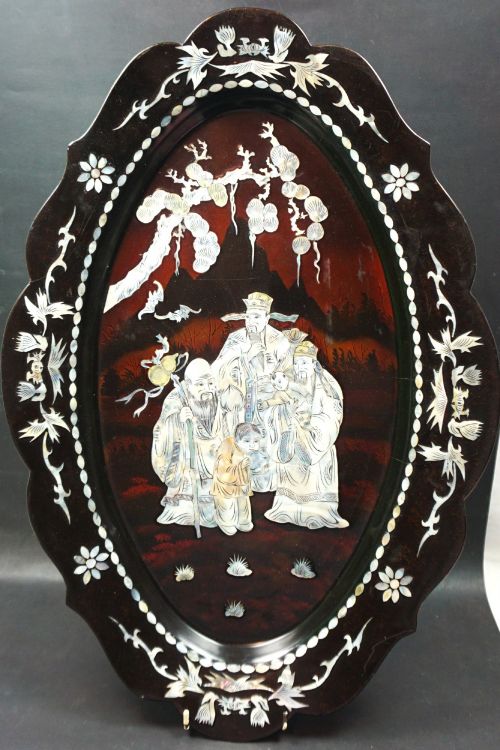
Forms vary from heavy octagonal platters and chargers to specialised trefoil trays and lacquered wood serving dishes inlaid with mother of pearl. These large dishes functioned primarily for substantial table service before transitioning into decorative wall plates and cabinet centerpieces.
Materials and production
Potters utilised hard-paste porcelain and earthenware as the primary ceramic bodies, shaping them into large platters that required immense skill to fire without warping. Cobalt pigment provided the deep blue tones under the glaze, while enriched palettes relied on overglaze enamels and occasional gold leaf highlights.
Alternative media also appear in the record, notably carved wood treated with dark lacquer and detailed with natural mother of pearl inlay. British manufacturers later employed transfer printing techniques on earthenware bodies to recreate intricate oriental garden scenes for domestic households.
Antique Chinese Serving Platter Retail Price Guide 2026
Typical asking prices for chinese serving platter among the pieces listed under this phrase on Sellingantiques today, from the lower quarter to the upper quarter. They describe what is for sale here now, not the wider market.
Materials across these listings span traditional hard-paste porcelain, earthenware, and lacquered wood enhanced with mother of pearl inlay.
Evaluating the craftsmanship
Quality rests heavily on the crispness of the hand-painted brushwork or the precision of the transfer print, where finer lines and richer pigment depth elevate a dish above standard commercial output. The complexity of the painted scene, particularly in multi-figure famille rose or intricate Canton patterns, indicates the artisan's level of training.
The physical condition of the ceramic glaze and the stability of any applied enamel or gilding dictate desirability among collectors. For wooden or inlaid pieces, the secure retention of mother of pearl elements within the lacquered surface remains a primary indicator of superior preservation.
The Antique Chinese Serving Platter Glossary
- Canton
- A major Chinese port city that produced distinct colourful porcelain wares for Western export during the nineteenth century. These items frequently feature crowded panels of figures, birds, and flowers.
- Famille Rose
- A prominent palette of opaque pink and rose enamel colours introduced to Chinese ceramics during the Qing Dynasty. This technique allowed artists to achieve subtle tonal gradations in floral and figural motifs.
- Nanking Cargo
- Blue and white porcelain wares traditionally associated with trade shipments originating from the port of Nanking around the turn of the nineteenth century. They are celebrated for classic landscape and river scenes painted in cobalt.
- Swatow Ware
- A category of robust, heavily potted ceramic chargers and dishes manufactured in southern China during the late Ming Dynasty. These pieces typically display freely rendered designs in slip, iron brown, or underglaze blue.
- Chinese Imari
- A hybrid decorative style where Chinese kilns replicated the distinctive blue, iron-red, and gilt colour schemes originally developed by Japanese potters in the town of Arita.
Antique Chinese Serving Platter: Frequently Asked Questions
How do I date an antique Chinese platter?
Dating relies on combining stylistic evidence such as reign marks, palette characteristics, and body composition with historical shipping records. Early pieces often show characteristic potting flaws and hand-mixed cobalt hues.
Later nineteenth-century examples display tighter, more mechanical brushwork or standardised transfer printing techniques. Comparing the foot ring and glaze pooling helps confirm the manufacturing era.
What is the difference between export and domestic wares?
Export wares were specifically manufactured in China to cater to European and American aesthetic tastes, often incorporating Western heraldry or familiar floral layouts. Domestic wares adhered strictly to traditional local preferences.
Platters found on this market typically represent the export trade designed to satisfy foreign demand.
Why do some English plates feature Chinese designs?
European factories heavily imitated oriental aesthetics during the eighteenth and nineteenth centuries as trade opened up wide markets for Asian goods. Potters in Staffordshire and Stoke-on-Trent adopted these motifs using transfer printing.
This created accessible domestic alternatives that captured the widespread fascination with Eastern design.