

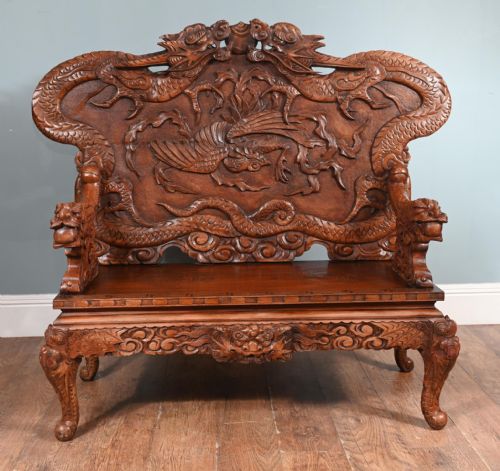


Antique Chinese Seat
An antique chinese seat brings structural presence and refined craftsmanship to an interior through traditional joinery and carved timber.
Antique Chinese Seat
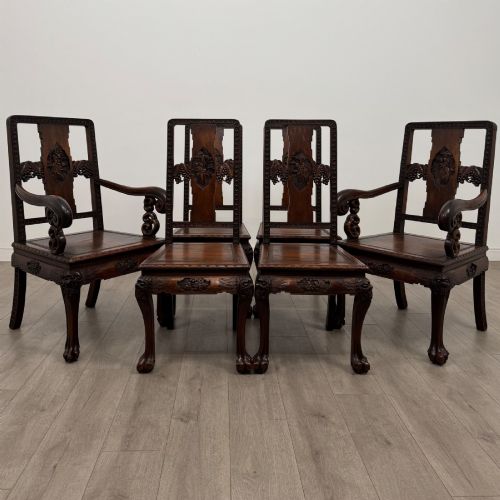
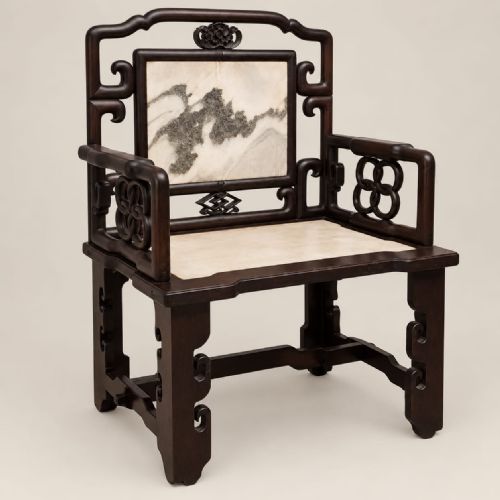
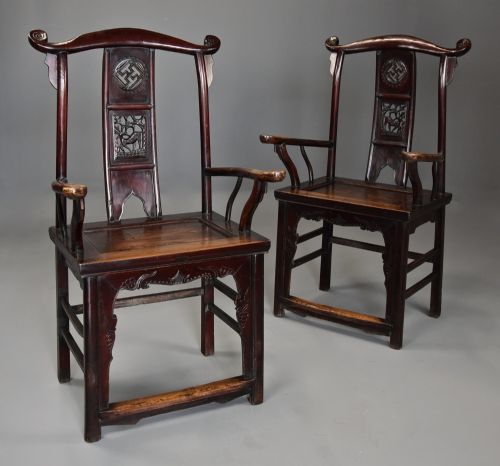
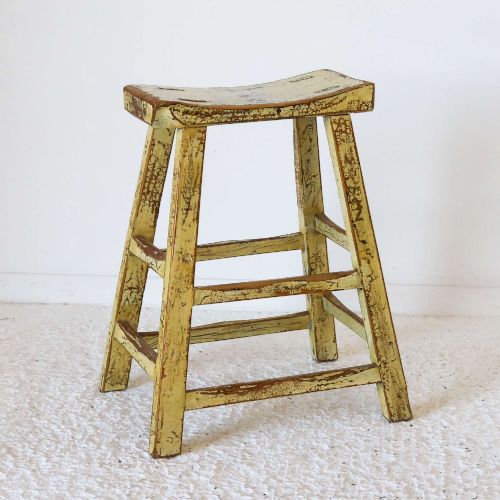
When searching for an antique chinese seat, you encounter a diverse array of domestic and garden forms spanning from the nineteenth century into the early decades of the twentieth century. The selection typically comprises elm yokeback armchairs, hardwood altar benches, rosewood dragon settees, and ceramic barrel garden seats.
You are most likely to meet elm and hardwood examples originating from the Qing Dynasty or later periods, often retaining original red or black lacquer finishes. These pieces range from simple window stools and folding chairs to substantial hall benches and throne chairs.
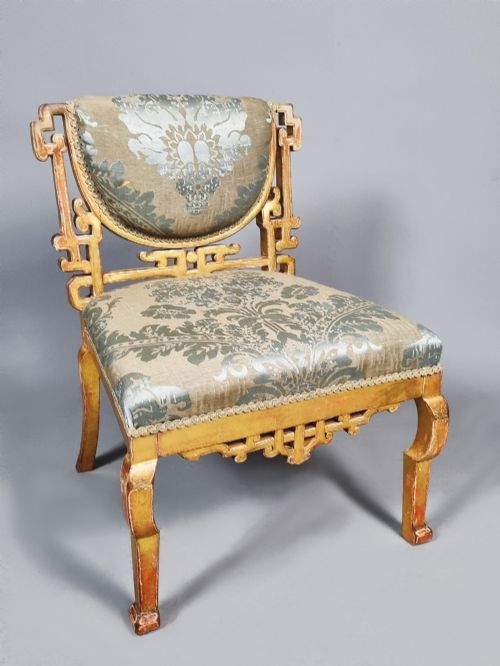
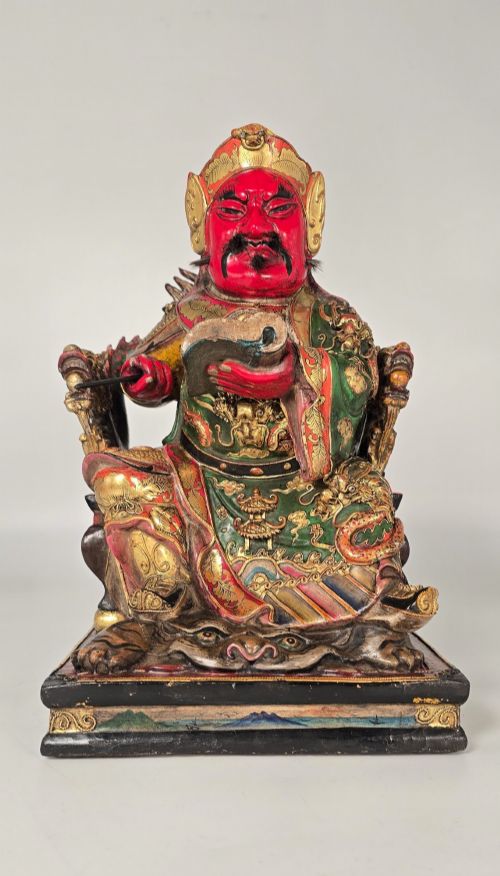
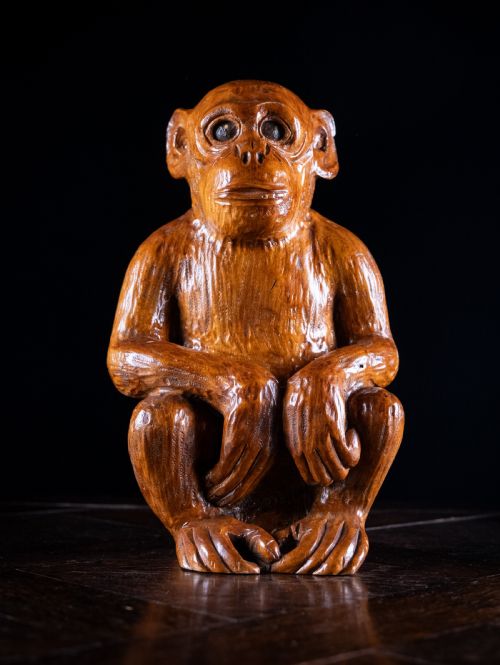
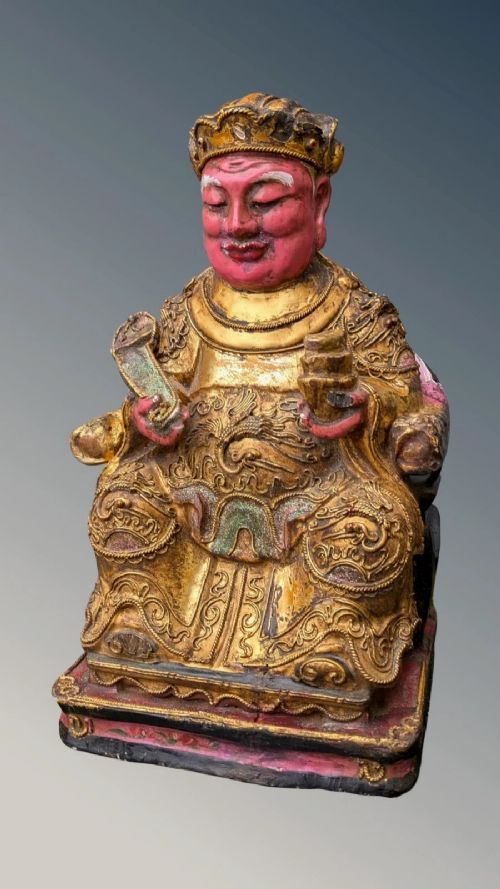
The material palette extends beyond timber to include porcelain garden seats, enamel, and bronze figures that function as sculptural seating or decorative supports. Regional variations encompass traditional Chinese forms alongside British interpretations such as Chinese Chippendale and Cockpen chairs.
Materials and construction
Makers utilised dense timbers such as elm, hardwood, rosewood, and huali to construct these seats, employing traditional joinery methods that often bypassed metal nails entirely. Carved ornamentation, high relief panels, and mother-of-pearl inlay frequently decorate the structural frames.
Surface treatments play a primary role in the manufacture of these pieces, involving multiple applications of red or black lacquer, giltwood embellishments, and hand-painted polychrome details. Ceramic and porcelain garden seats were shaped and fired with blue and white glazes or enamel decorations.
Listings feature elm, hardwood, and porcelain materials across nineteenth and early twentieth century periods.
Assessing craftsmanship
Quality rests upon the crispness of the hand-carved dragon or floral motifs and the integrity of the timber frame. Pieces retaining their original lacquer finishes and authentic patination command greater attention than those with compromised surfaces.
The sophistication of the joinery and the balance of proportions distinguish standard domestic items from superior throne chairs and export benches. Intricate detailing, such as precise mother-of-pearl inlay or complex folding mechanisms, indicates higher workshop execution.
Waugh And Son·Zhu Mao Ji
The Antique Chinese Seat Glossary
- Yokeback armchair
- A traditional chair design featuring a crestrail that curves upwards at the ends like the yoke of an ox. This form provides ergonomic support while maintaining clean structural lines.
- Cinnabar lacquer
- A decorative surface treatment created by applying numerous layers of red lacquer to a wooden core before carving intricate patterns into the buildup. This technique requires considerable time and skill.
- Garden seat
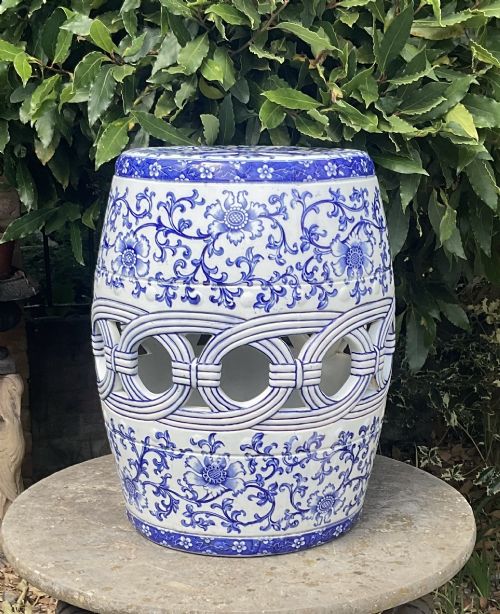
- A barrel-shaped ceramic or porcelain support traditionally utilised in courtyards and gardens. These items often feature pierced coin motifs and blue and white glaze work.
- Cockpen chair
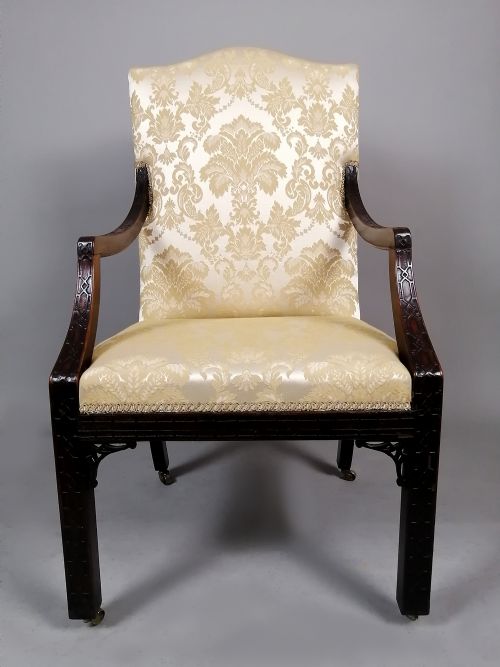
- A British furniture form inspired by Chinese lattice designs featuring geometric fretwork splats. The style gained popularity during the eighteenth and early nineteenth centuries.
- Altar bench
- A long, narrow wooden table or seating platform historically positioned against interior walls. These forms utilise sturdy hardwood construction and understated architectural proportions.
Antique Chinese Seat: Frequently Asked Questions
How do I use an antique bench indoors?
An antique bench functions effectively as a window seat, hallway perch, or dining arrangement when paired with a suitable table. Their substantial wooden frames provide both practical seating and architectural weight.
Position them away from direct heat sources to protect the underlying timber and any historic lacquer surfaces from drying out or splitting over time.
Where were ceramic garden seats placed?
Ceramic and porcelain garden seats were originally designed for outdoor courtyards and verandas to serve as movable resting places. Their glazed stoneware bodies resisted moisture and weathering.
In modern settings, collectors frequently utilise these barrels indoors as side tables, plant stands, or occasional seats in living spaces and conservatories.
How do I care for lacquered wood?
Lacquered wooden surfaces require gentle treatment using a soft, dry cloth to remove dust without abrading the finish. Avoid commercial chemical polishes that can degrade historic lacquer coats.
Maintain stable room humidity to prevent the timber substrate from expanding or contracting, which can cause the lacquer layers to craze or lift.
What defines a yokeback chair?
A yokeback chair is characterised by its distinctive curved top rail and often incorporates a subtle S-curved splat down the centre of the backrest. This construction supports an upright posture.
Originating in classical Chinese furniture design, these elm or hardwood chairs rely on precise mortise and tenon joints rather than metal fastenings.