


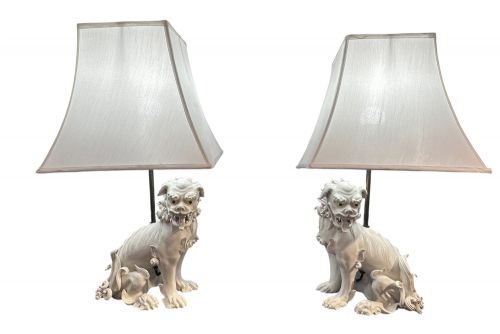


Antique Chinese Porcelain Lighting
Antique chinese porcelain lighting brings together historic ceramic vessels and period mounts, offering interiors a distinct decorative focal point through converted vases and jars.
Antique Chinese Porcelain Lighting
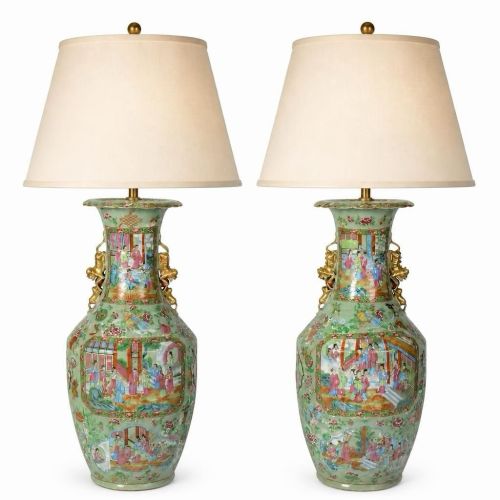
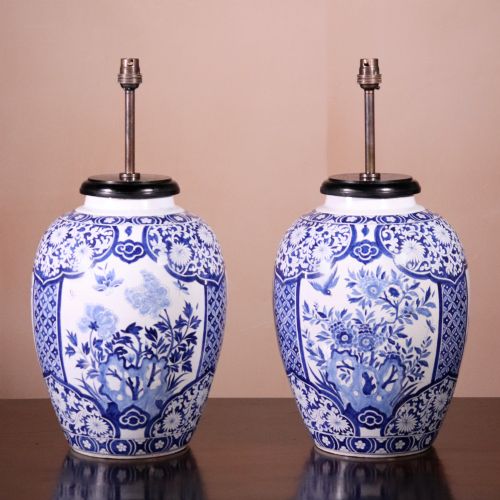
When buyers search for antique chinese porcelain lighting, they encounter historic vessels adapted into illumination devices, most frequently table lamps fashioned from 19th-century vases. These pieces incorporate forms such as ginger jars, lidded vessels, and figurative subjects mounted for electrical use.
The selection spans various centuries, featuring blue and white porcelain, celadon glazes, and polychrome palettes like Famille Rose and Rose Medallion. Many of these items appear in pairs, utilised symmetrically on sideboards or console tables within traditional and eclectic interiors.
Origins trace through nineteenth-century production and earlier dynasties, reflecting export trade and European taste for Asian ceramics. The adaptation process typically preserves the original ceramic body while integrating modern wiring and hardware.
Materials and construction methods
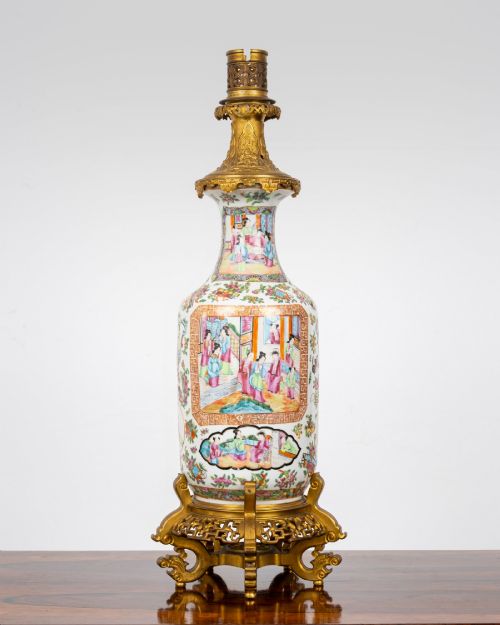
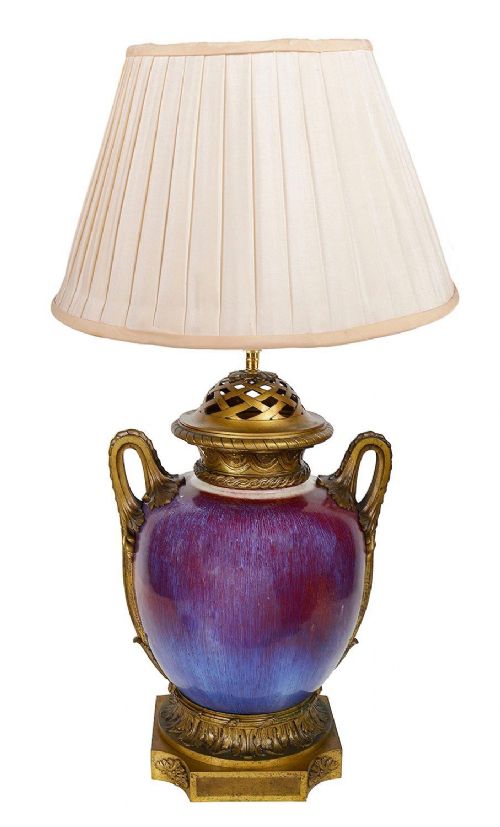
The foundation of antique chinese porcelain lighting rests on high-fired ceramic bodies paired with metal mounts, notably brass, gilt bronze, and ormolu. Artisans combined delicate porcelain glazes with sturdy metal fittings to secure lamp hardware and provide structural stability.
Fabric shades in silk and standard textiles often accompany the ceramic bases, complementing the surface decoration of the porcelain. Metal components were frequently cast and chased in European workshops to house electrical fittings or earlier oil lantern mechanisms.
Current listings feature porcelain, brass, fabric, wood, silk, gilt bronze, enamel, and metal across the eighteenth and nineteenth centuries.
Distinctions in quality and execution
Quality in antique chinese porcelain lighting depends on the fineness of the ceramic painting, the crispness of the glaze, and the integration of metal mounts. Superior pieces display hand-painted detail with precise enamelling and harmonious proportions between the vessel and its hardware.
The integration of ormolu or gilt bronze mounts also dictates distinction, where custom-cast mounts designed specifically for the ceramic body elevate the piece above standard conversions. The preservation of the original porcelain glaze without extensive restoration maintains the integrity of the object.
The Antique Chinese Porcelain Lighting Glossary
- Famille Rose
- A palette of opaque enamel colours dominated by pink or rose, introduced during the Qing dynasty and widely used on export porcelain.
- Celadon
- A ceramic glaze denoting a range of transparent green shades over a pale body, prized for its subtle jade-like appearance.
- Ormolu
- Gilded bronze mounts applied to furniture, ceramics, and lighting fixtures, popular in French Rococo Revival and nineteenth-century decorative schemes.
- Rose Medallion
- A distinct style of Canton porcelain featuring panels filled with figures, birds, and flowers enclosed within gilt borders.
- Ginger Jar
- A wide-mouthed storage jar with a rounded body, frequently converted into a table lamp base in later periods.
Antique Chinese Porcelain Lighting: Frequently Asked Questions
How do I clean antique chinese porcelain lighting?
Dust the porcelain surface gently with a soft, dry cloth to prevent accumulation without disturbing the glaze or enamel work. Avoid using harsh chemical cleaners or submerging wired components in water.
For metal mounts, use a dry microfibre cloth and take care not to let cleaning substances touch the ceramic body. Professional rewiring checks should be undertaken periodically to ensure electrical safety.
Are these lamps converted from original vases?
Many examples begin life as historic vessels, including ginger jars, lidded vases, and urns from the eighteenth and nineteenth centuries. These ceramic pieces are subsequently adapted to function as lamps.
The conversion process often involves drilling the base for wiring or securing fittings through the top opening. This practice of adaptation has a long history in interior decoration.
How do I match shades to these lamps?
Selecting a shade involves balancing the visual weight and height of the ceramic base with appropriate proportions in fabric and form. Silk and neutral textiles complement intricate polychrome designs without competing with the painted decoration.
Consider the colour palette of the glaze when choosing shade tones to ensure a cohesive look in the room. The scale of the shade should provide stable proportions relative to the vase height.
How can I tell the period of the porcelain?
Dating relies on examining the characteristics of the ceramic body, glaze consistency, and the style of the hand-painted decoration. Nineteenth-century pieces often exhibit specific export styles like Canton Famille Rose or blue and white crackleware.
Mounts and hardware also offer chronological clues, with brass and gilt bronze fittings reflecting Victorian or Edwardian manufacturing techniques. Comparing these elements with documented examples helps establish the era of creation.