
Antique Chinese Export Bowl
An antique chinese export bowl brings centuries of artisan skill into your home, offering vibrant enamel scenes and robust porcelain forms designed for display.
Antique Chinese Export Bowl
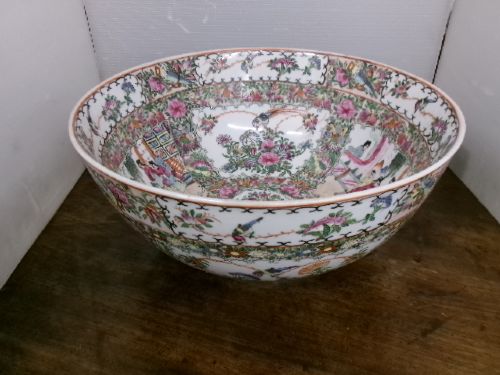
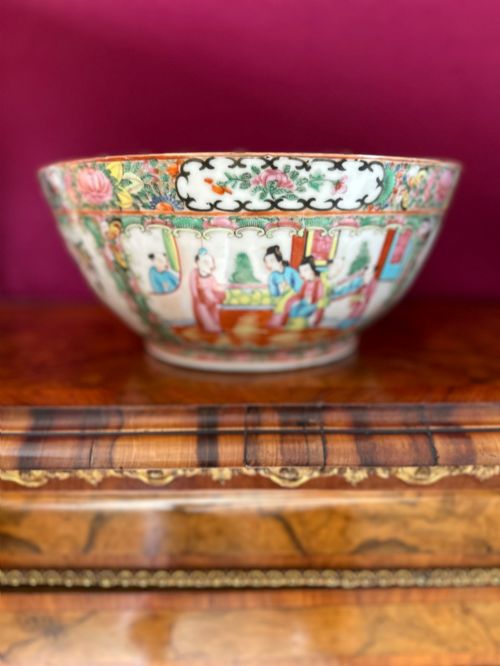
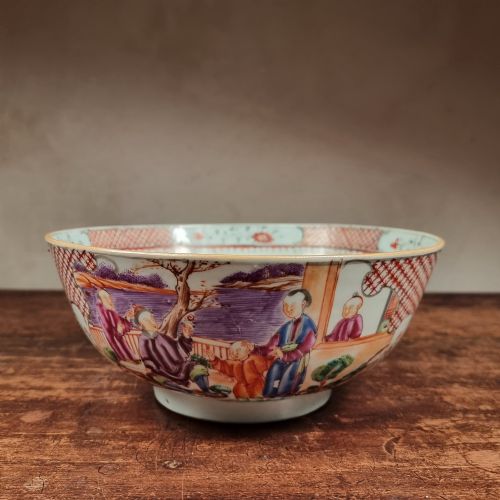
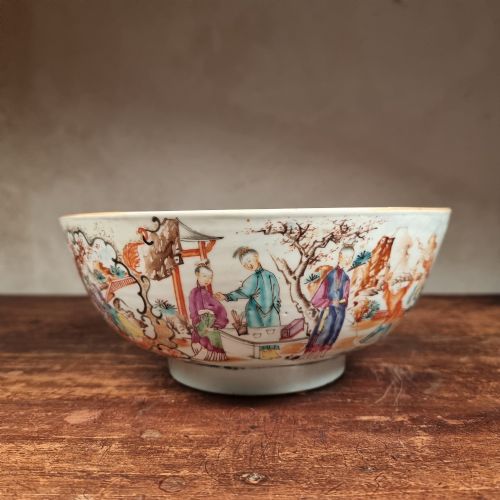
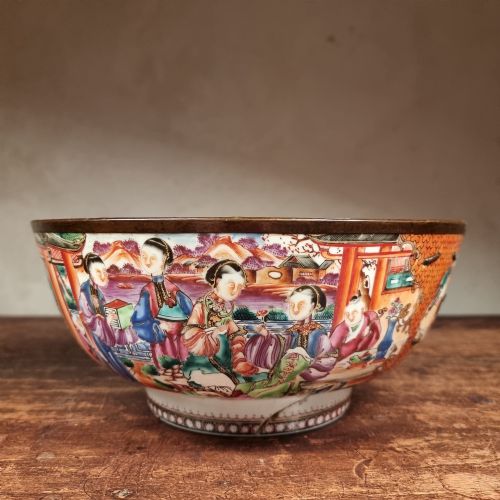
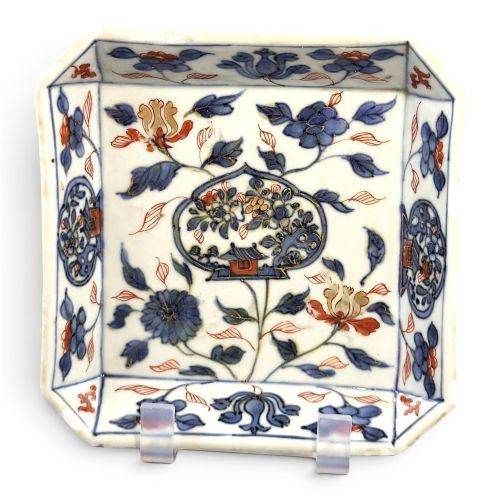
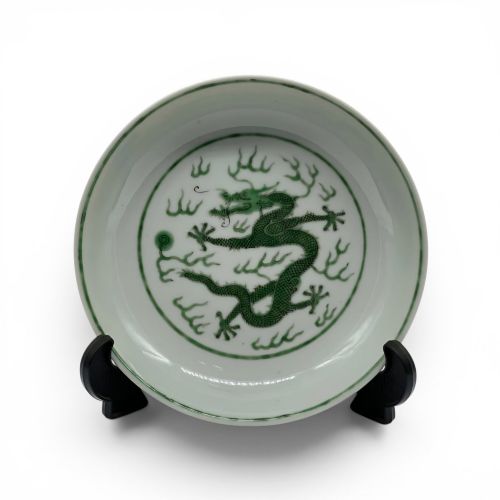
When searching for an antique chinese export bowl, collectors encounter vessels fashioned for overseas trade across several historical periods, most notably the eighteenth and nineteenth centuries. These items range from large punch bowls and deep vessels to provincial porcelain pieces and elaborate Canton services.
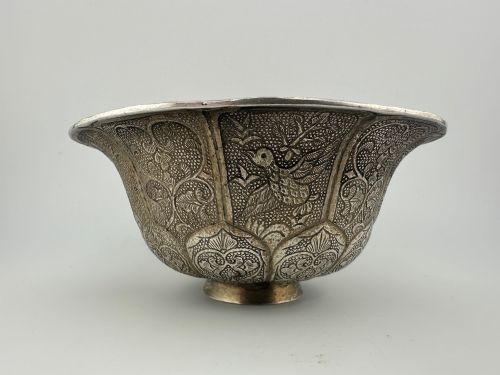
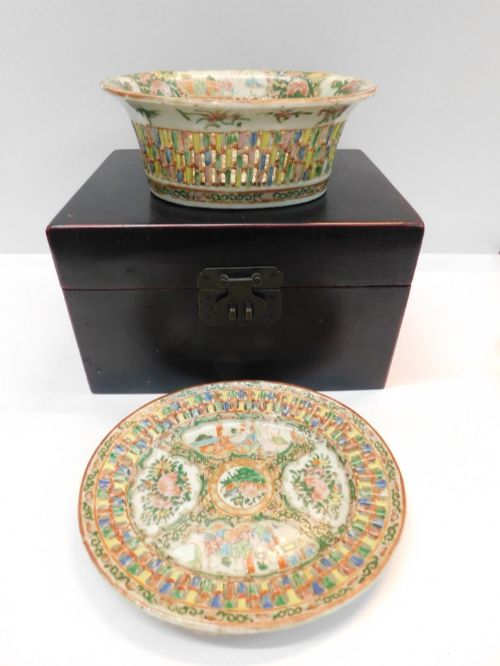
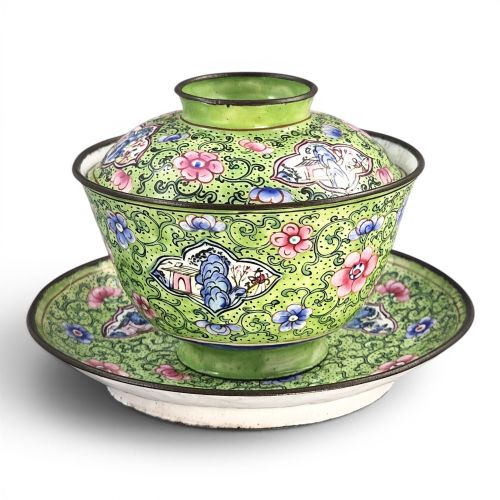
The specimens seen here span dynasties and reigns, including the Kangxi period and the Qing dynasty, reflecting diverse forms such as lobed bowls, pedestals, and chestnut baskets. Buyers frequently meet colourful Canton or famille rose examples that display intricate hand-painted motifs intended originally for Western markets.
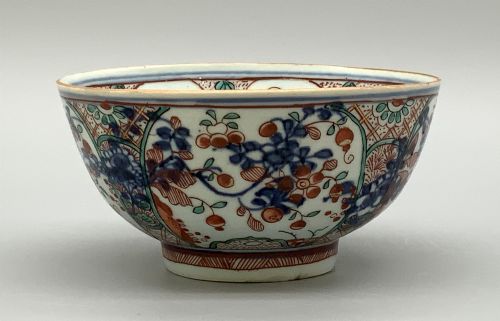
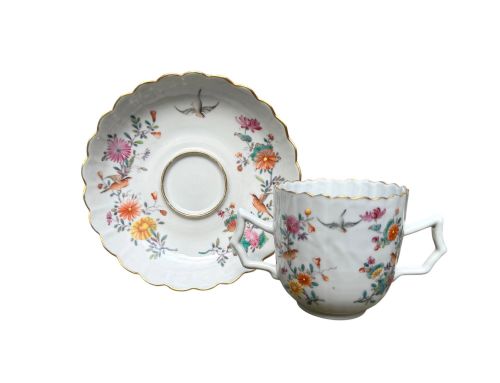
Beyond standard domestic ware, the selection encompasses specialised objects like Imari wares, chocolate-glazed reserve vessels, and silver mounts. Each iteration tells a distinct story of cross-cultural exchange between Chinese potters and international buyers.
Materials and production methods
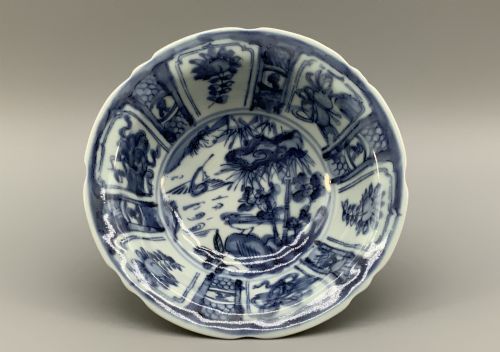
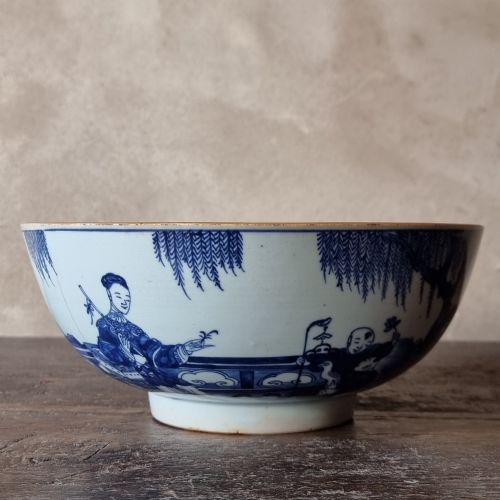
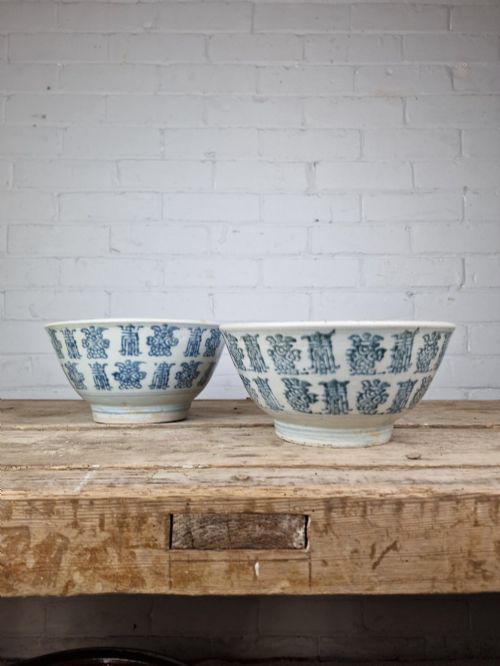
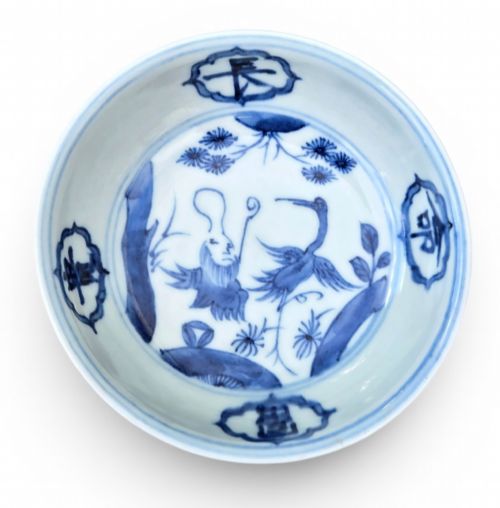
The foundation of these vessels relies on high-fired porcelain and delicate white metal or silver, shaped into robust bowls and delicate eggshell forms. Artisans applied cobalt underglaze for deep blue motifs before firing the clay at high temperatures.
Overglaze enamel, gold leaf, and gilt provide the vibrant polychrome palettes seen on famille rose and Canton pieces. Hand painting dominates the decorative process, utilising fine brushes to render birds, flowers, figures, and intricate borders.
Specialist techniques such as reticulation, ormolu mounting, and chocolate glazing demonstrate the versatility of the workshops. Potters utilised precise kiln controls to achieve translucent bodies and durable finishes that survive through the centuries.
Assessing craftsmanship and execution
Quality rests upon the precision of the hand-painted brushwork and the vibrancy of the enamel palette. Superior pieces display crisp details in figures and floral motifs, whereas lesser examples show hurried execution and muted pigments.
The purity of the porcelain body and the evenness of the glaze dictate overall refinement. Thinner, more translucent eggshell bowls demand greater technical mastery than heavier provincial items.
The integrity of applied elements like gilt highlights and silver mounts further separates standard production from exceptional imperial-style commissions.
The Antique Chinese Export Bowl Glossary
- Famille rose
- A prominent palette of opaque pink and rose enamels introduced during the Qing dynasty. It allowed artists to achieve subtle tonal gradations in floral and figural scenes.
- Canton
- A style of Chinese porcelain decorated in the southern port city for export, typically featuring crowded panels of birds, butterflies, and figures.
- Imari
- A decorative scheme utilising cobalt blue, iron red, and gilt, inspired by Japanese styles but produced extensively in China for Western export.
- Underglaze
- Pigment applied directly to the raw clay body before glazing and firing, sealing the colour beneath a glossy protective layer.
- Reticulation
- An openwork pattern pierced through the clay wall of a basket or bowl before firing, creating an intricate lace-like effect.
Antique Chinese Export Bowl: Frequently Asked Questions
How were these bowls used historically?
Historically, large vessels served as punch bowls for communal dining and entertaining in wealthy households. Smaller items functioned as tea bowls, chocolate cups, or decorative receptacles for fruit and sweetmeats.
Many examples were prized as status symbols, displayed prominently on sideboards and tables rather than used for daily dining. Their robust construction allowed them to withstand long sea voyages from eastern kilns to Western homes.
How do I care for my bowl?
Living with these porcelain vessels requires gentle handling and placement away from areas prone to accidental knocks or heavy vibrations. Dust them softly with a dry, lint-free cloth rather than submerging them in water, especially if they feature delicate overglaze enamels or silver mounts.
Avoid harsh chemical cleaners that can degrade the gilt highlights or vintage pigments. Display them on stable surfaces or dedicated stands to ensure their long-term preservation.
How can I tell different periods apart?
Differentiating periods relies on observing stylistic shifts in the painted motifs, colour palettes, and potting characteristics. Pieces marked from the Kangxi period often feature deep cobalt blue underglaze, while nineteenth-century Canton items frequently showcase dense famille rose enamelling.
Examining the foot ring, glaze texture, and base markings provides further clues regarding the era of production. Comparing pieces against documented examples helps confirm their chronological placement.