





Antique Chinese Earthenware
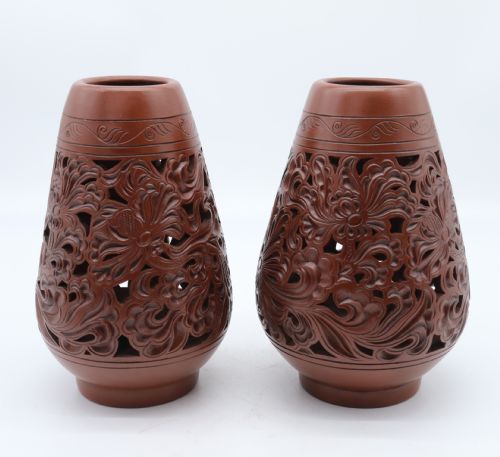
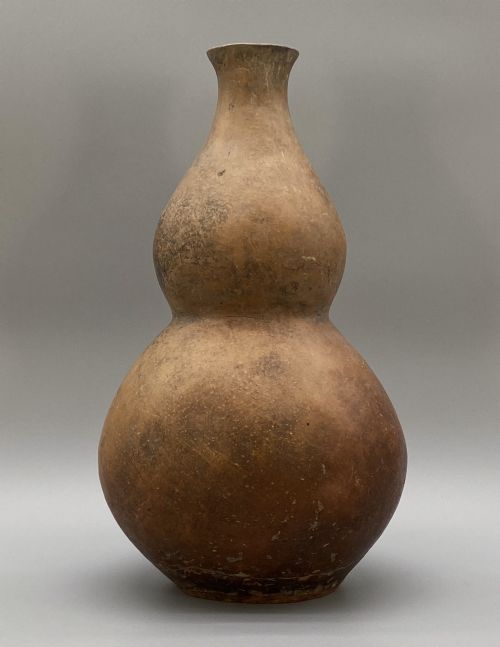
These antique chinese earthenware pieces range from ancient terracotta tomb figures to later nineteenth century decorative vessels, bringing centuries of ceramic history directly to a collection.
Antique Chinese Earthenware
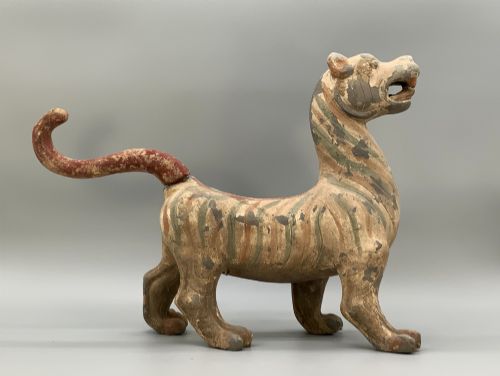
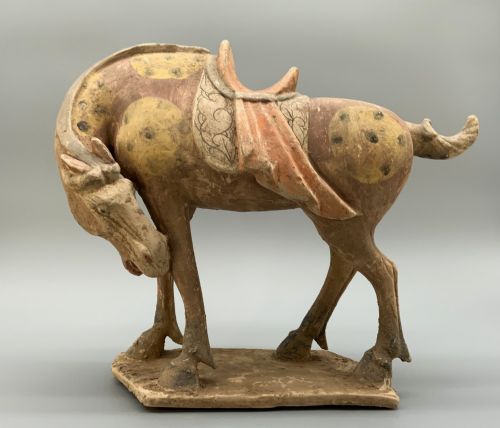
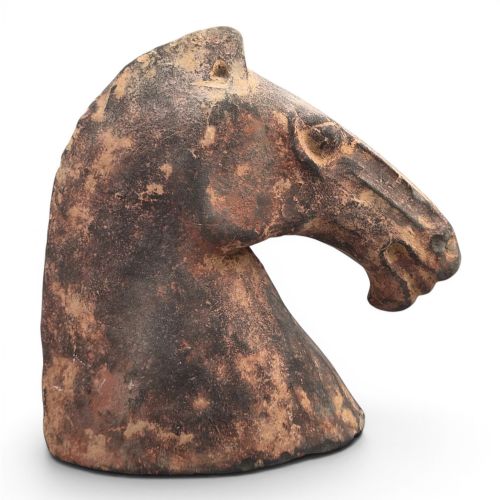
When you search for antique chinese earthenware, you encounter objects spanning millennia, from pre-sixteenth century dynastic pieces to nineteenth century interpretations. The selection contains sculpted guardian figures, painted pottery horses, dancer figures, bowls, and large vases originating from early periods such as the Han and Tang dynasties.
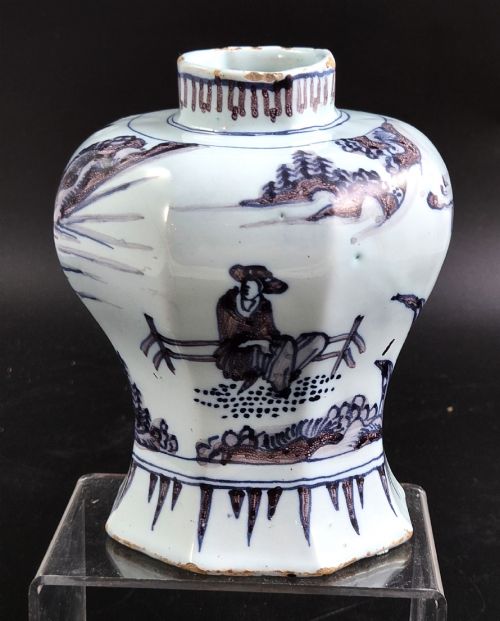
Alongside ancient funerary items, the category encompasses later nineteenth century pieces, garden seats, and items showing Chinoiserie influence or Chinese export styles. These varied forms provide collectors with both ancient archaeological examples and subsequent decorative ceramics.
Materials and construction methods
Makers utilised earthenware, terracotta, and grey pottery as the primary body materials for forming vessels, figures, and architectural objects. Potters shaped these clay bodies by hand or on the wheel before applying surface treatments.
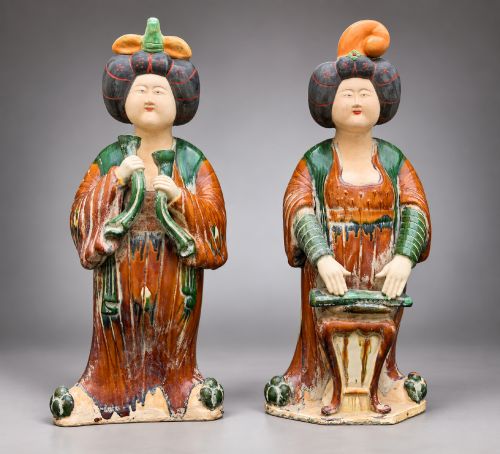
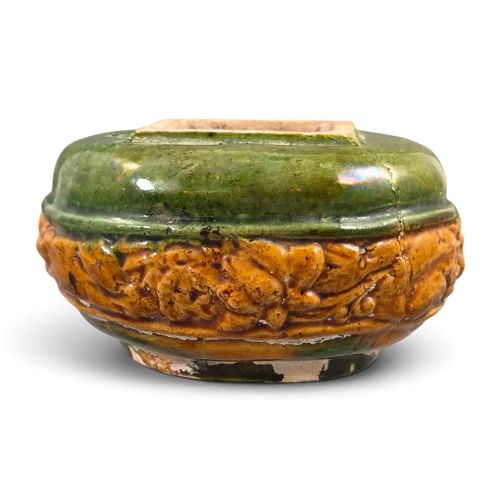
Surface decoration relied on lead glazes, polychrome enamel pigments, and sancai multi-coloured glazing techniques to achieve the characteristic finishes seen on figures and vessels.
Listings feature earthenware, terracotta, and ceramic bodies decorated with lead glaze, enamel, and pigment.
Judging quality and character
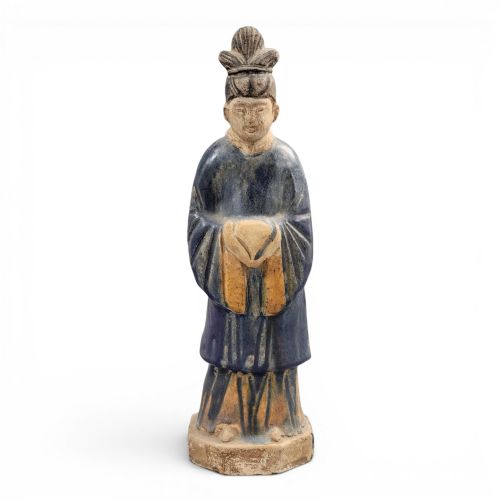
Quality rests in the crispness of the modelled form, whether viewing the musculature of a Tang horse or the facial expression of an attendant figure. Superior examples retain intact pigments, detailed carving, and even glaze application without obscuring the underlying clay work.
The historical integrity of the piece, the preservation of early surface decoration, and the complexity of the form distinguish standard utility items from museum-quality sculptures.
C.J. Mason·Minton·Joseph Holdcroft·Elkington
The Antique Chinese Earthenware Glossary
- Sancai
- A three-colour lead glaze technique common in Tang dynasty pottery, typically combining amber, green, and creamy white tones. This glaze runs slightly during firing, creating characteristic pooling effects on figures and vessels.
- Terracotta
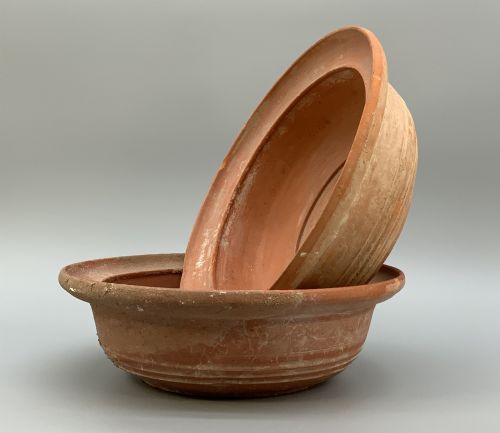
- Fired unglazed clay ranging in colour from pale buff to deep red. It serves as the primary structural material for ancient tomb figures and architectural sculptures.
- Mingqi
- Spirit objects or burial goods placed in tombs to accompany the deceased into the afterlife. These figures include attendants, animals, and guardians made from moulded or modelled earthenware.
- Chinoiserie
- European decorative style reflecting Chinese artistic influences, popular during the eighteenth and nineteenth centuries. It appears on plates, garden seats, and decorative wares inspired by imported ceramics.
Antique Chinese Earthenware: Frequently Asked Questions
How old are these earthenware pieces?
The pieces span a vast chronological range, starting from ancient examples associated with early dynasties through to nineteenth century productions.
Specific dating relies on stylistic evidence, firing characteristics, and historical context linked to periods like the Han or Tang dynasties.
What were mingqi figures used for?
Mingqi figures served as funerary objects placed inside tombs during early Chinese dynasties to provide service, protection, and companionship for the deceased.
Over time, these ceramic representations of attendants, animals, and mythical beasts became sophisticated sculptural works reflecting the culture of their period.
How do I care for antique earthenware?
Keep earthenware pieces away from direct sunlight and areas subject to sudden temperature fluctuations, which can stress fragile glazes and ancient clay bodies.
Dust gently with a dry, soft brush and avoid using liquid cleaners, particularly on unglazed terracotta or painted surfaces.
What is sancai glaze?
Sancai is a traditional three-colour lead glaze system utilised extensively during the Tang dynasty to decorate pottery vessels and figures.
The overlapping amber, green, and straw-coloured glazes interact during the firing process to create vibrant, variegated surfaces.