

Antique Children Seating
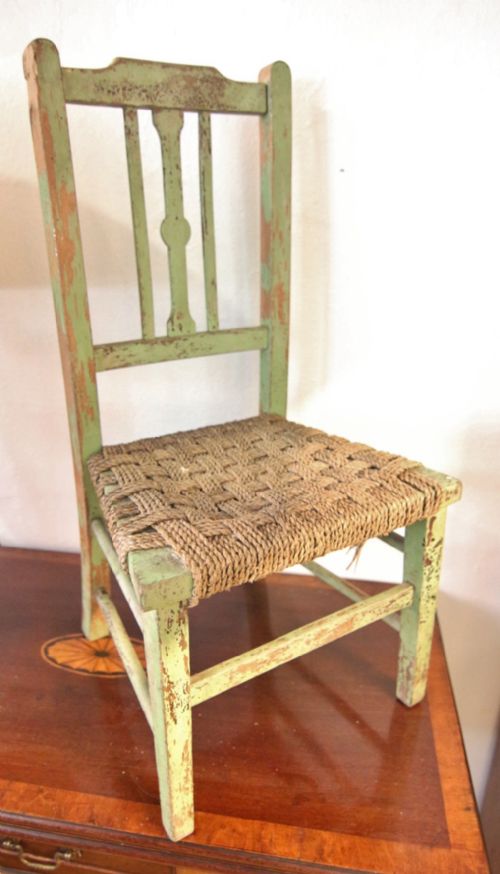
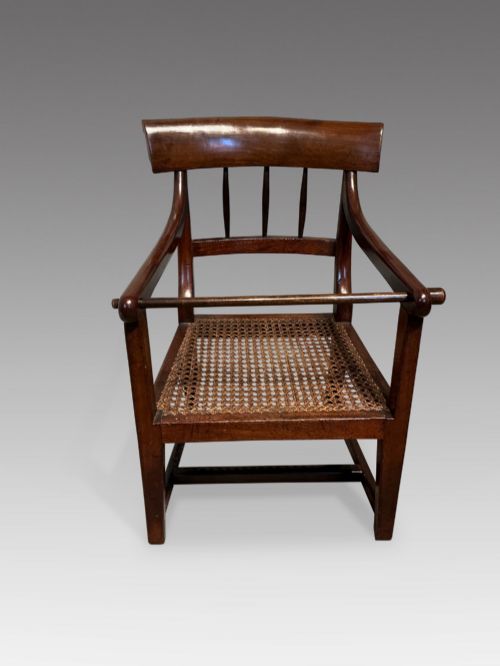
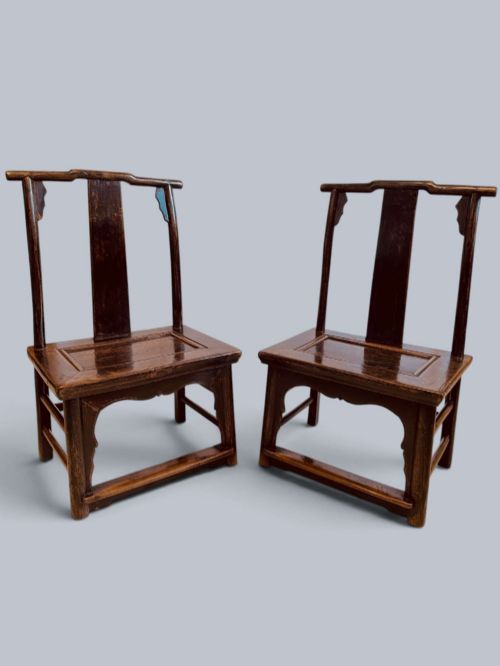
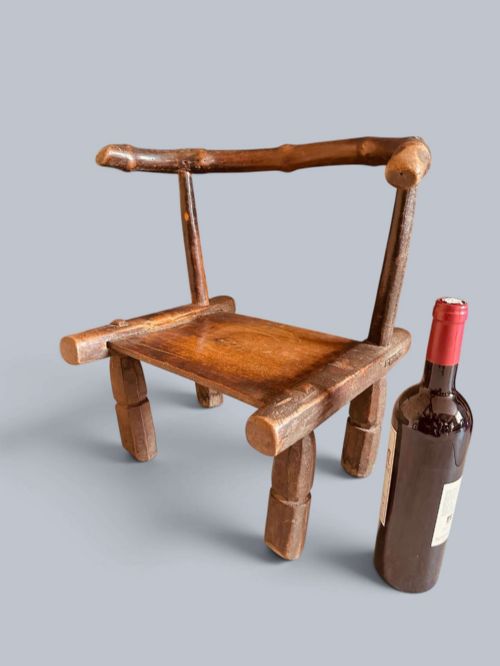
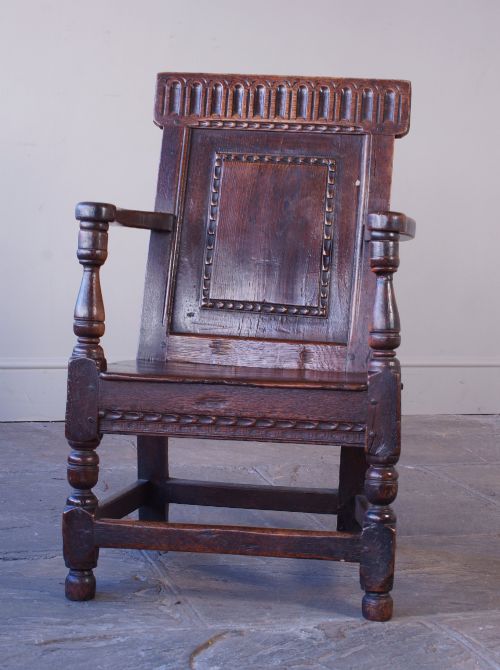
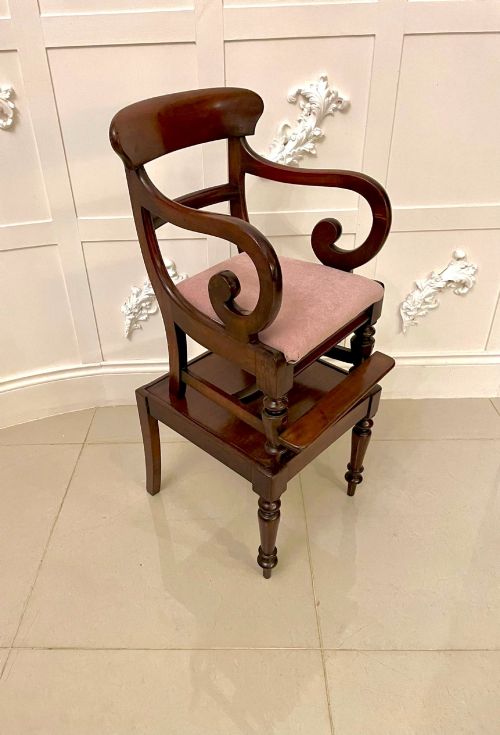
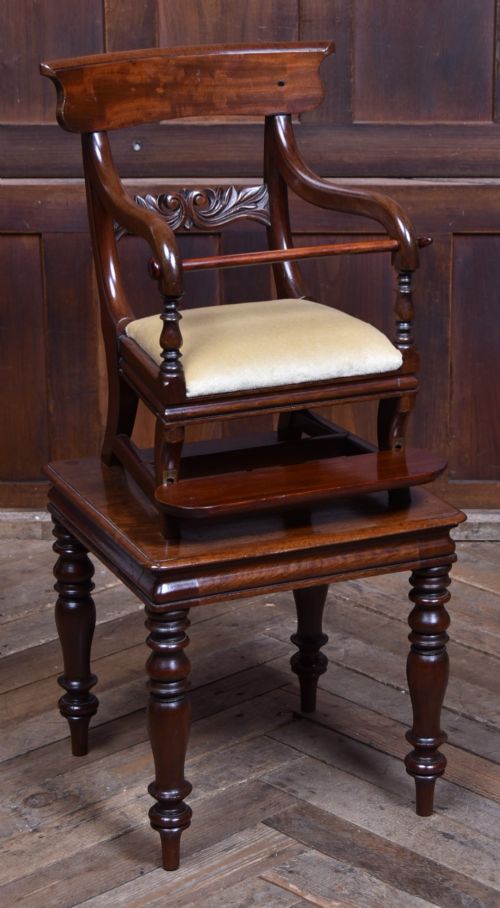
Antique children seating comprises miniature chairs and highchairs made in domestic woods and walnut for younger family members over centuries.
Antique Children Seating
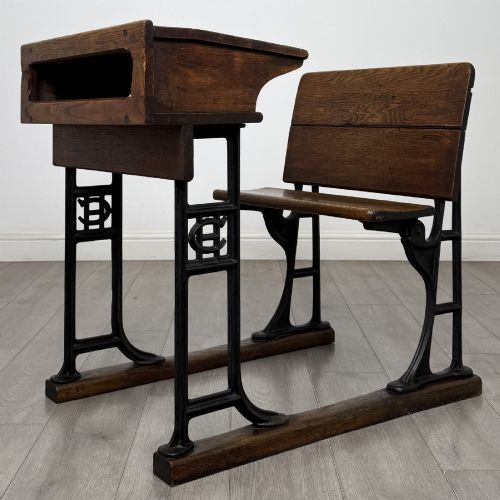
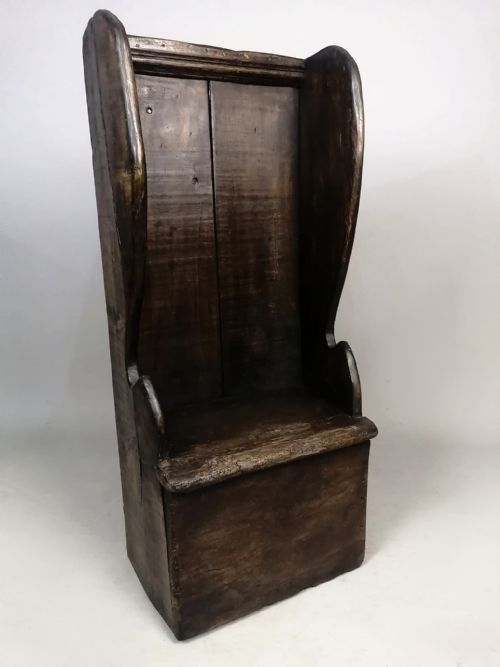
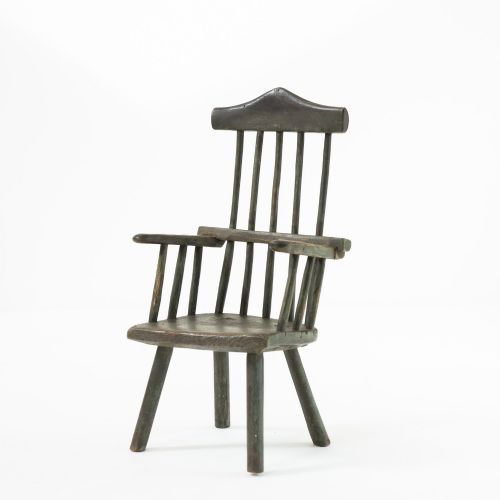
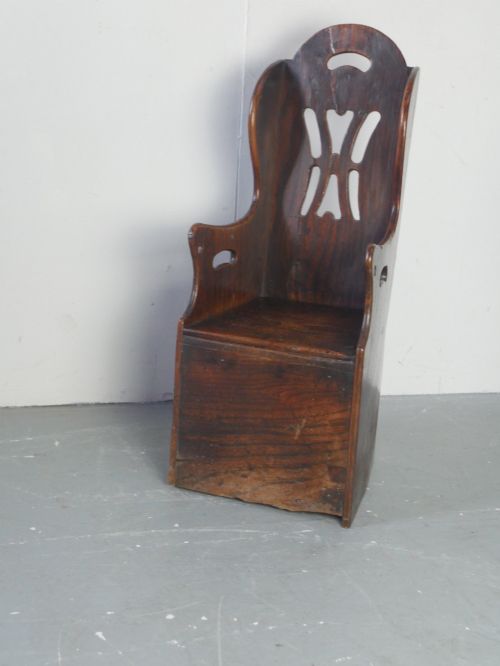
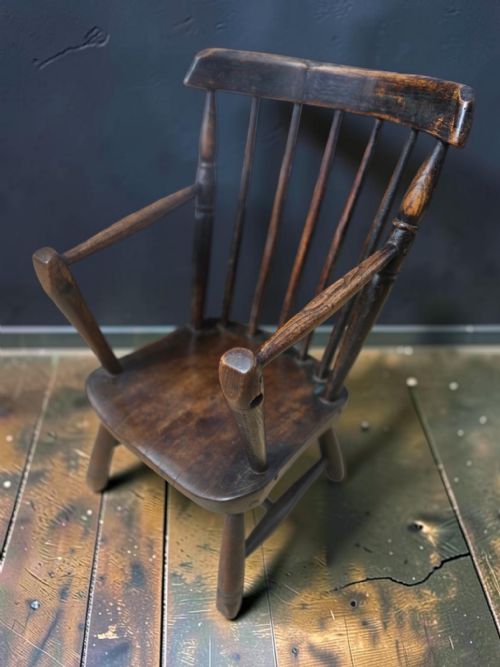
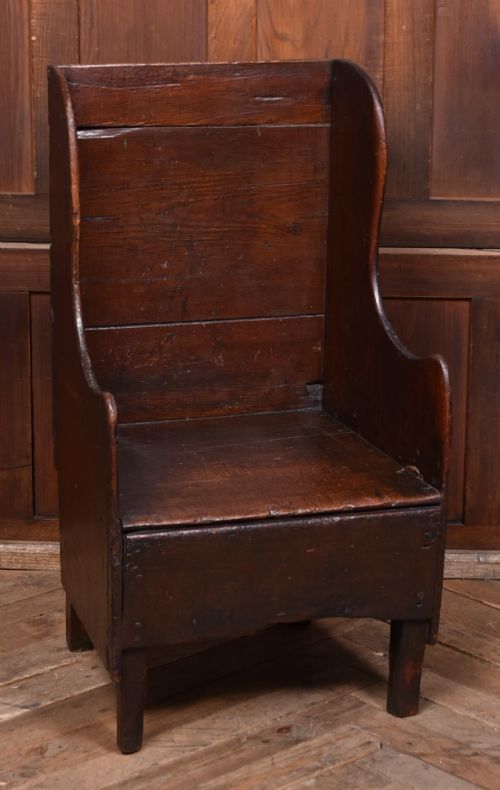
Antique children seating encompasses a diverse range of smaller-scale forms designed for youngsters, spanning simple vernacular stools to formal miniature armchairs. Buyers exploring antique children seating frequently encounter nineteenth-century stick-back windsors and oak lambing chairs shaped for domestic use.
Highchairs and metamorphic pieces designed to transform into play tables also appear frequently within the category. These utilitarian domestic objects reflect the changing domestic arrangements of Georgian and Victorian households.
Materials and construction
Cabinetmakers and country joiners utilised native hardwoods including elm, ash, oak, and mahogany for frames and spindles. Turned components and steam-bent parts provided structural strength for everyday juvenile use.
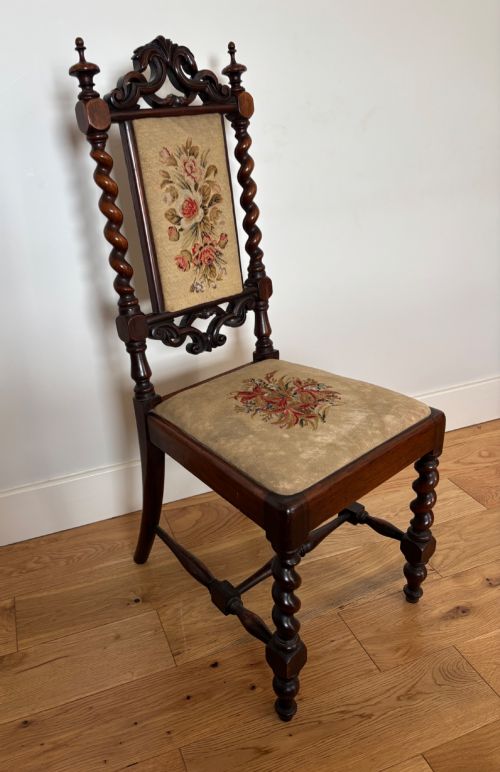
Seats often incorporate woven cane, rush, or solid timber planks fixed with traditional pegging and mortise joints. Secondary materials like leather and brass appear on more formal nineteenth-century salon pieces and highchairs.
Antique Children Seating Retail Price Guide 2026
Typical asking prices for children seating among the pieces listed under this phrase on Sellingantiques today, from the lower quarter to the upper quarter. They describe what is for sale here now, not the wider market.
Listings feature eighteenth-century and nineteenth-century pieces built from elm, mahogany, oak, and ash.
Assessing quality and proportion
Quality rests upon the fidelity of the miniature scale and the integrity of the original construction rather than decorative embellishment alone. Superior examples maintain balanced proportions that mimic full-size adult furniture accurately.
The preservation of original surface patination and untouched timber finishes distinguishes exceptional vernacular pieces from heavily restored items. Fine turning on spindles and well-executed joinery indicate skilled workshop production.
James Shoolbred
The Antique Children Seating Glossary
- Windsor
- A chair built with a solid wooden seat into which the legs and back spindles are direct-tenoned. These feature bowed backrests and often incorporate carved arm supports.
- Lambing chair
- A low-backed vernacular armchair featuring solid wooden wings designed to shield the occupant from drafts. They are typically constructed from native timbers like oak and elm.
- Bergere
- An upholstered armchair featuring woven cane panels on the back and sides. The style originates in France and appears on refined nineteenth-century seating.
- Metamorphic
- Furniture engineered to convert from one functional form into another, such as a highchair transforming into a low play table. This mechanism required precise mechanical joints.
- Ladderback
- A chair back constructed from horizontal wooden slats positioned between two upright posts. These traditional frames frequently hold woven rush seats.
Antique Children Seating: Frequently Asked Questions
Were antique highchairs used daily?
Domestic seating of this scale served practical daily functions in nurseries and dining rooms for feeding and containing young children.
Heavy construction in ash, elm, and oak allowed these pieces to withstand robust treatment from generations of infants.
How do I date a child chair?
Dating relies on examining construction methods, tool marks, timber selection, and stylistic details shared with full-sized furniture of the same era.
Changes in turning styles and hardware help narrow down whether a piece belongs to the Georgian or Victorian period.
Are miniature chairs just toys?
Most examples functioned as genuine utilitarian furniture for children rather than playthings for dolls.
Scale was reduced specifically to suit younger family members at dining tables and firesides.
How should I clean rush seats?
Woven rush and cane require gentle dusting with a soft brush and minimal moisture to prevent the natural fibres from becoming brittle.
Avoid harsh cleaning agents that strip natural oils from the timber frames and seating materials.