



Antique Child Statue
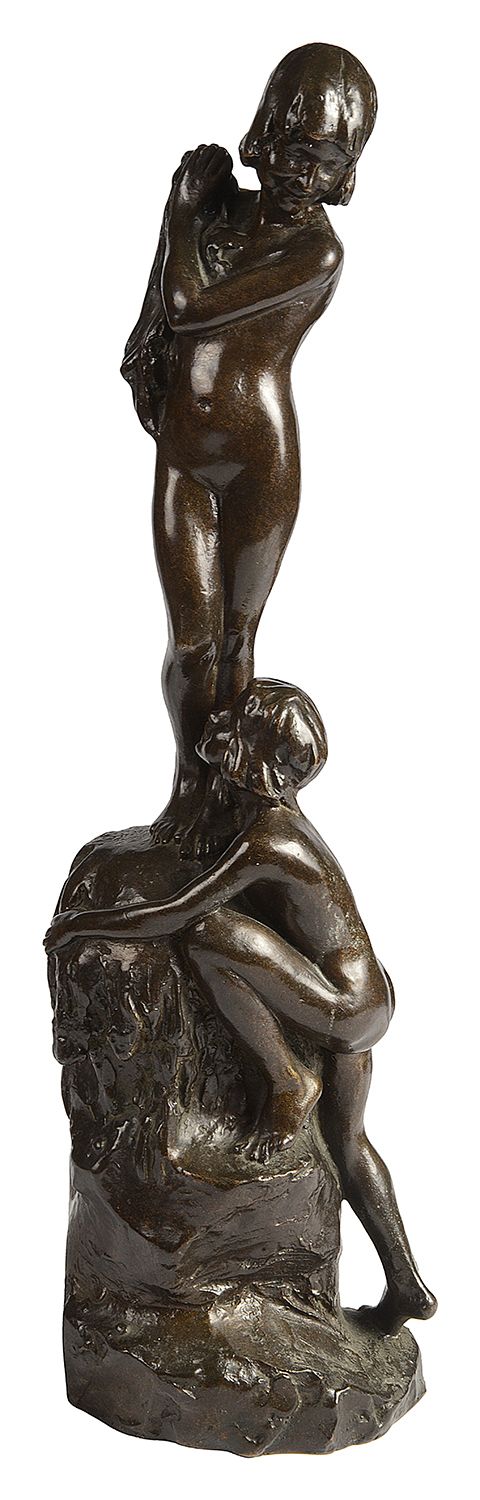
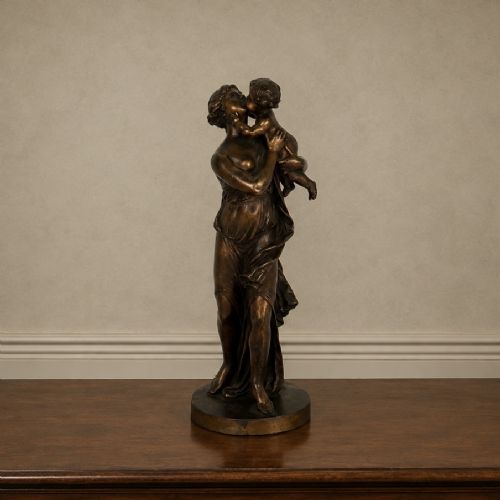
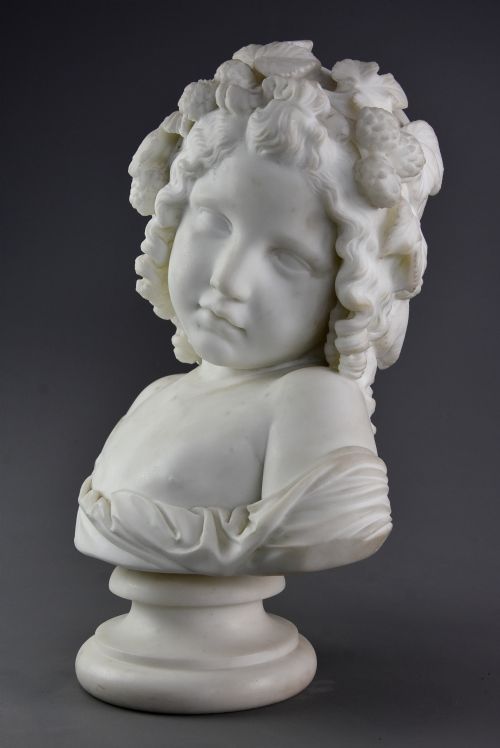
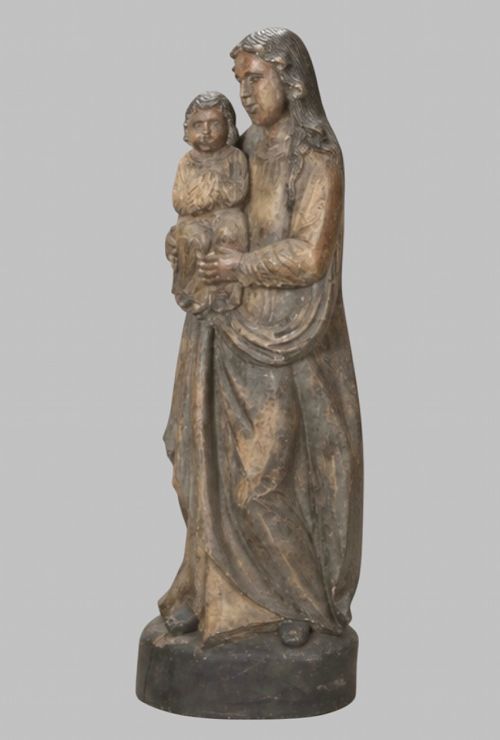
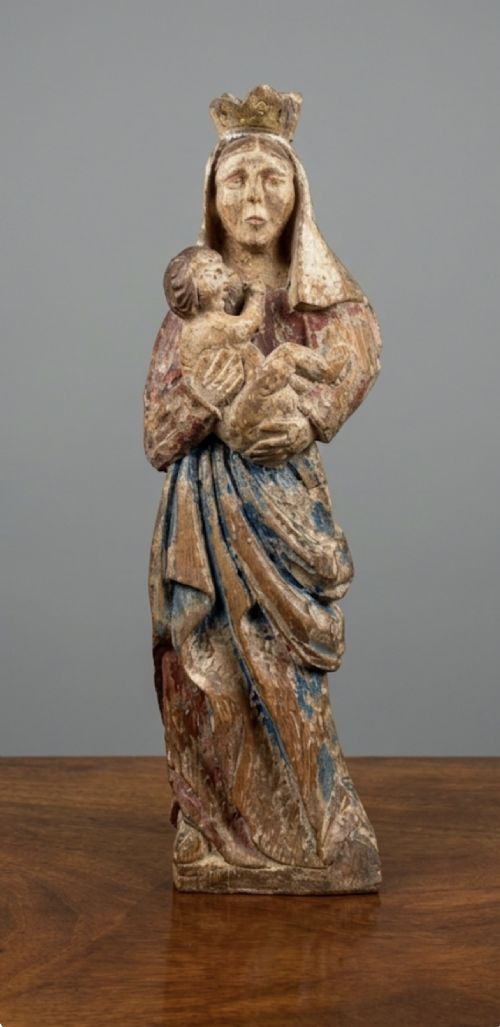
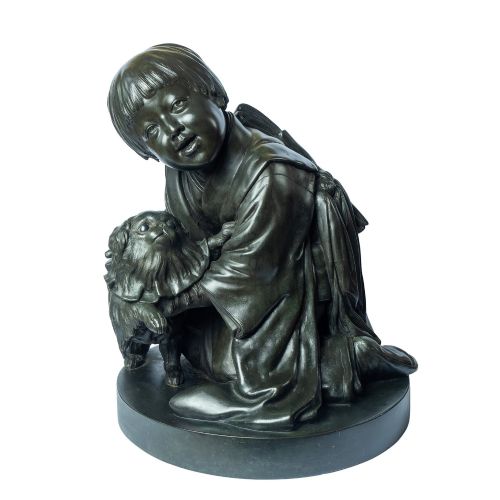
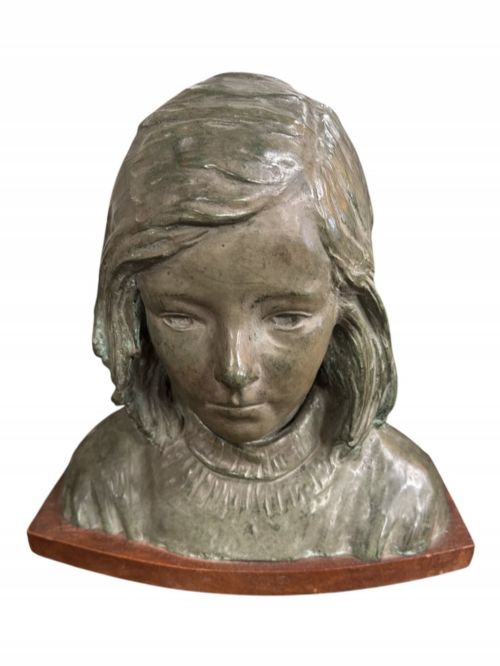
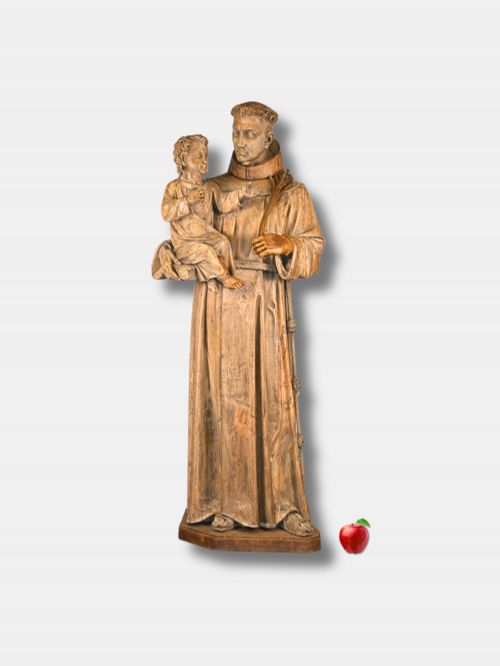
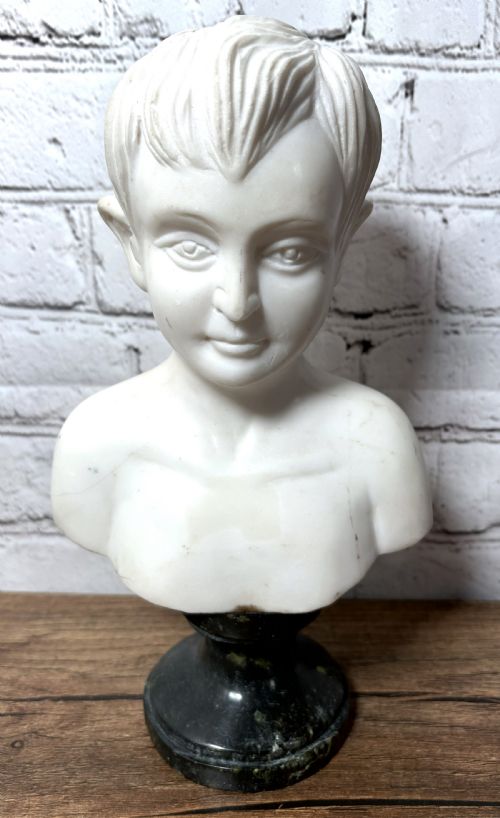
When you search for an antique child statue, you encounter bronze figures, carved wood devotional pieces, and marble busts spanning several centuries.
Antique Child Statue
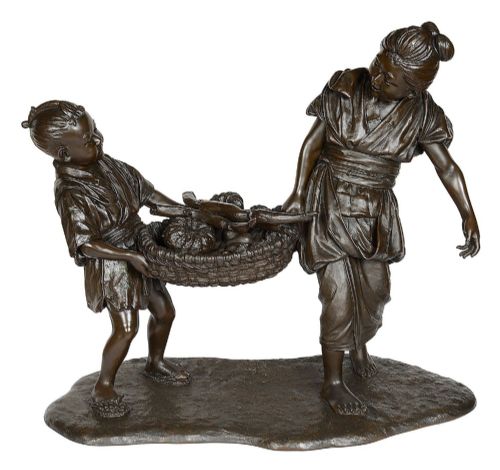
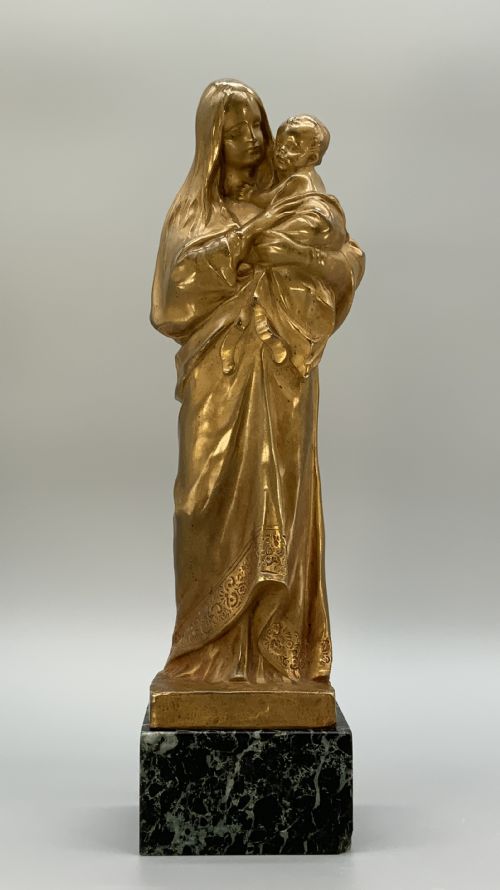
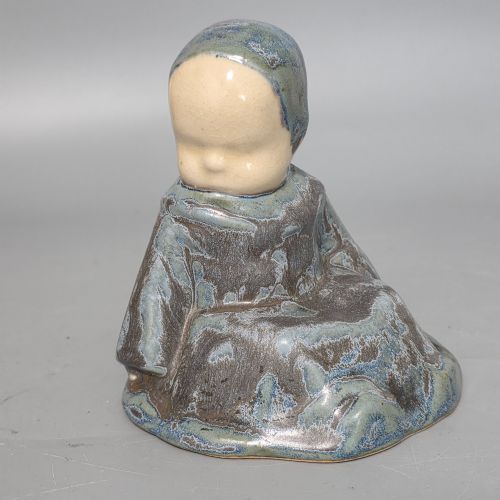
An antique child statue encompasses figurative works rendered in materials such as bronze, marble, porcelain, and carved wood. The versions most commonly met on this page range from nineteenth-century grand tour bronzes and devotional depictions of the Madonna and child to early twentieth-century art deco figures.
Makers and sculptors from various European traditions produced these sculptures to capture youth, motherhood, and classical or religious themes. They appear as standing figures, library busts, and detailed group sculptures depicting children with animals or family members.
How they were made
Casting and carving form the primary methods behind these works, with sculptors utilising bronze, terracotta, and various types of wood including lime and oak. Metal pieces often employ traditional lost-wax casting, followed by patination or gilding with gold leaf.
Stone and ceramic examples rely on hand-carving in carrara marble or shaping in fine porcelain, bisque, and stoneware. Detail is then refined through manual chiselling, painting with polychrome pigments, or firing in specialist kilns.
Listings feature works spanning the eighteenth, nineteenth, and twentieth centuries, executed in bronze, marble, porcelain, wood, and terracotta.
What varies in quality
The degree of anatomical precision and the sensitivity of the modelling separate simpler works from master-executed sculptures. Finer pieces demonstrate careful attention to facial expression, fabric drape, and the natural posture of the subject.
Material selection and surface finishing also dictate the standing of a piece, from the crispness of a bronze cast's chase work to the subtlety of hand-painted polychrome details on wood or porcelain.
Hans Müller·Berthe Savigny·Luca Madrassi·Carl Kauba·Alexandre Kelety
The Antique Child Statue Glossary
- Patinated bronze
- A copper alloy sculpture treated with chemicals to produce a specific surface colour or tone. This finish protects the metal and highlights sculptural contours.
- Carrara marble
- A type of white or blue-grey marble quarried in the city of Carrara in Italy. Sculptors prize this stone for its fine grain and luminous quality.
- Bisque
- Unglazed white porcelain fired at a high temperature to create a matte, marble-like texture. It was frequently utilised for nineteenth-century portrait busts and figures.
- Terracotta
- Baked red clay moulded or modelled into figures and architectural ornaments. The material ranges in colour from pale buff to deep reddish-brown.
- Okimono
- A Japanese term for a freestanding decorative ornament or sculpture. These items were typically displayed in a domestic interior tokonoma alcove.
Antique Child Statue: Frequently Asked Questions
What materials were antique child statues made from?
These sculptures utilise materials such as cast bronze, carved wood, carrara marble, and porcelain. Artisans also worked with terracotta, stoneware, and lime wood.
Some pieces feature surface treatments including gold leaf gilding and polychrome painted finishes. Each material imparts a distinct texture and weight to the finished figure.
How do I identify the period of a statue?
Dating relies on stylistic clues, sculptural signatures, and the manufacturing technique used on the metal or stone. Pieces reflect movements like nineteenth-century revival styles, art nouveau, and art deco.
Examining the base, casting marks, and material preparation helps determine the era of origin. Records often link specific artists to active working dates between the eighteenth and twentieth centuries.
Where were these statues originally displayed?
Many figures served as domestic ornaments in nineteenth-century libraries, drawing rooms, and hallways. Marble busts and bronze studies often commemorated the grand tour.
Devotional sculptures were created for domestic shrines, private chapels, and churches. Other works, such as okimono, originated in Japan for interior display.
Are these sculptures signed by the artist?
Certain pieces bear signature engravings, foundry stamps, or artist ciphers on the base or reverse. Sculptors like Hans Müller, Carl Kauba, and Berthe Savigny signed their modelled works.
Unsigned pieces remain common, particularly older wood carvings and anonymous grand tour bronzes. Maker marks on porcelain items often point to specific factories and periods of production.