



Antique Chiffonier Drawers
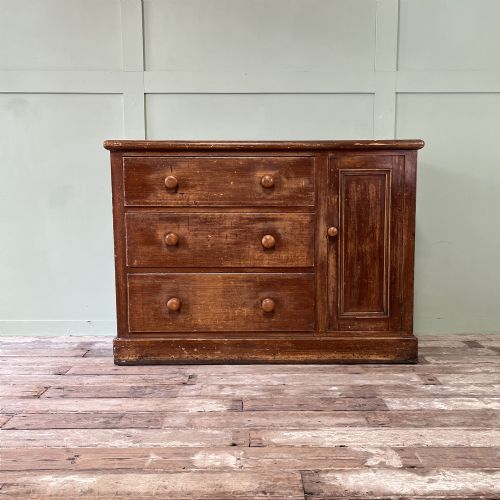
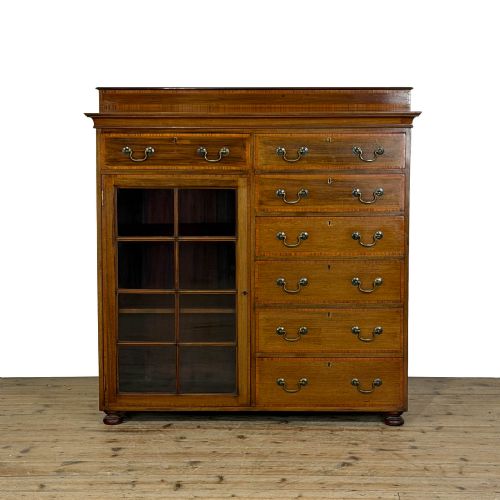
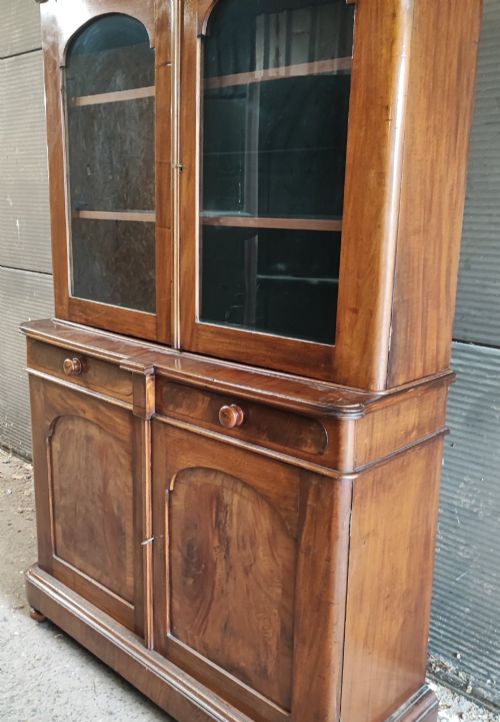
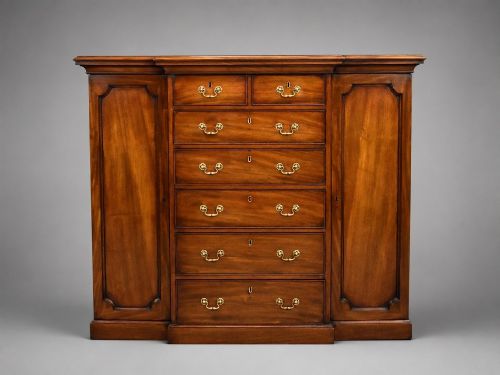
These antique chiffonier drawers and associated side pieces combine display shelves, enclosed cupboards, and practical storage from the Georgian, Regency, and Victorian eras.
Antique Chiffonier Drawers
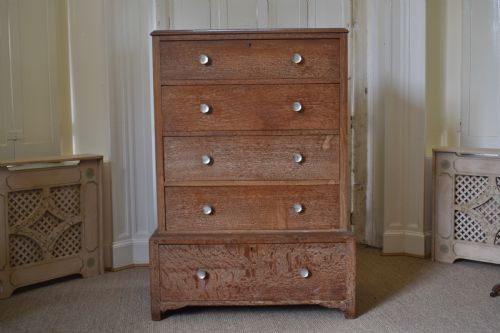
When you search for antique chiffonier drawers, you encounter a crossover of forms including chiffoniers with shelf backs, sideboards, cabinets, and tall chests of drawers. The pieces originate from periods spanning the Georgian, Regency, and Victorian eras, alongside later Art Deco and mid-century examples.
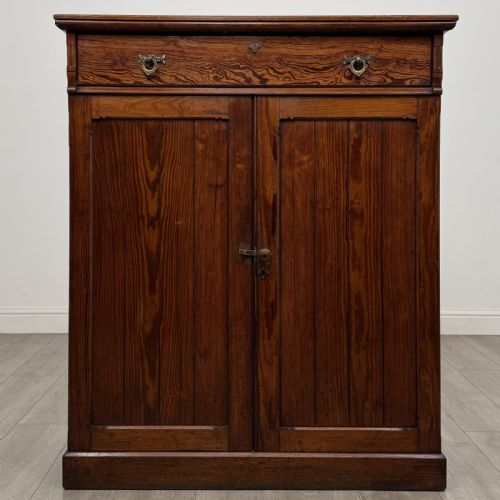
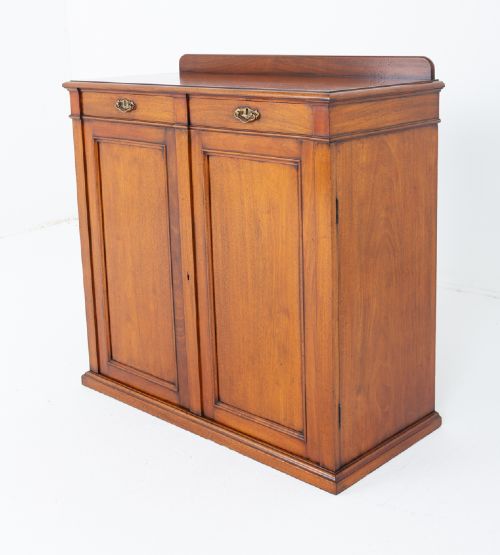
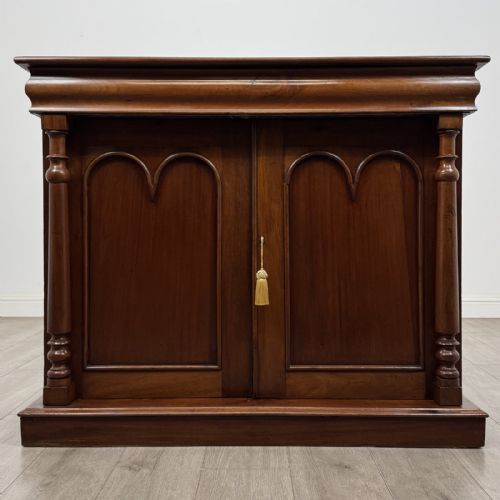
The most common variations on this page include Regency rosewood and mahogany chiffoniers featuring tier shelf backs and writing drawers, alongside Victorian mahogany sideboards and 19th-century pine or walnut upright chests. These hybrid furniture pieces served dining rooms, libraries, and drawing rooms as adaptable storage and display units.
Makers and cabinetmakers constructed these items to function simultaneously as serving surfaces, enclosed shelf spaces, and drawer units. The inclusion of brass inlays, glazed doors, or marble tops distinguishes the more formal reception room pieces from utilitarian storage cupboards.
Materials and construction
Cabinetmakers relied heavily on dense hardwoods such as mahogany, rosewood, and oak for structural integrity and refined exterior surfaces. Veneers of walnut, satinwood, and gonçalo-alvez appeared across Regency and Victorian pieces to create figured grain patterns on drawer fronts and cabinet doors.
Secondary timbers like pine and cedar formed internal carcases and drawer linings, while brass provided structural mounts, handles, and intricate marquetry inlay. French polishing and hand-finishing sealed the timber surfaces, accentuating the natural grain variations across George III and 19th-century examples.
Antique Chiffonier Drawers Retail Price Guide 2026
Typical asking prices for chiffonier drawers among the pieces listed under this phrase on Sellingantiques today, from the lower quarter to the upper quarter. They describe what is for sale here now, not the wider market.
Design influences range from George III and French Empire styles to Arts and Crafts, Art Nouveau, and Art Deco movements.
Distinctions in quality
The sophistication of the timber selection and the precision of decorative inlays separate standard storage furniture from high-status reception pieces. Pieces utilising solid rosewood, figured mahogany, or detailed brass marquetry reflect greater workshop investment than utility items built from plain pine or oak.
Integration of secondary functions, such as drop-front writing drawers, tiered open shelf backs, and matched marble tops, elevates the execution. Cohesion in proportion, balanced bookmatching on walnut and maple veneers, and original brass hardware indicate superior regional or metropolitan craftsmanship.
The Antique Chiffonier Drawers Glossary
- Chiffonier
- A low sideboard or cabinet, typically featuring a combination of enclosed shelves below and open display tiers above, originating as a versatile dining room or parlour piece.
- Semainier
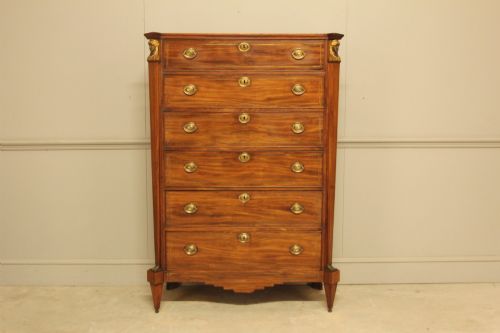
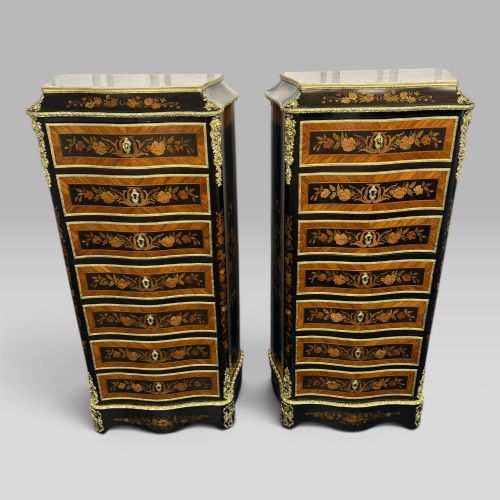
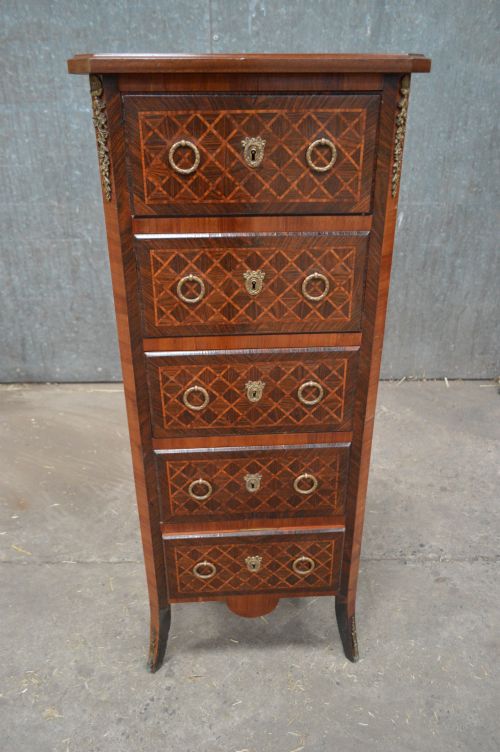
- A tall, slender seven-drawer chest traditionally designed to hold a week's worth of linen or garments, frequently encountered in French 19th-century walnut or mahogany.
- Wellington chest
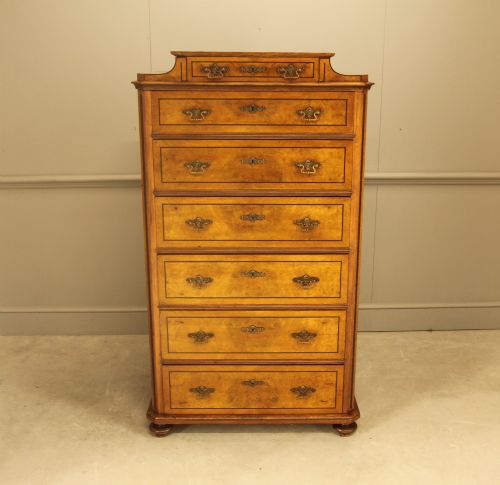
- A vertically proportioned chest of seven drawers secured by a hinged locking stile that fastens with a key down the right side.
- Marquetry
- Decorative patterns formed by fitting together thin veneers of various coloured woods, ivories, or metals onto a structural carcase.
- Gonçalo-Alvez
- A dense exotic hardwood with striking contrasting dark brown and golden stripes, utilised in Regency cabinetmaking for high-status sideboards and cabinets.
Antique Chiffonier Drawers: Frequently Asked Questions
What is a chiffonier?
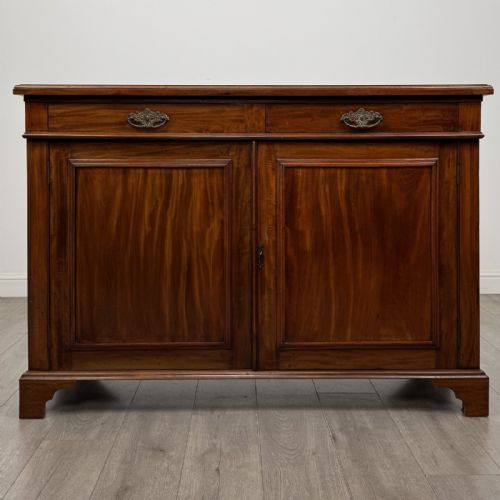
A chiffonier is a low cabinet or sideboard developed during the Regency and Victorian periods, combining cupboard storage with surface display space.
Many examples include tiered shelving on the back or integrated writing drawers, making them adaptable furniture for both living rooms and studies.
How do I date an antique chiffonier?
Dating relies on identifying stylistic markers, timber choices, and construction methods associated with specific design periods like Georgian, Regency, or Victorian.
For instance, brass inlay and rosewood veneers point strongly toward the Regency era, while heavy mahogany and specific moulding profiles indicate mid to late Victorian manufacture.
Where were chiffoniers used?
These pieces served primarily in dining rooms and drawing rooms to store silverware, linens, and writing materials while displaying decorative items on top.
Versions with open shelves functioned well in libraries and parlours for holding books and small ornaments close to hand.
Are tallboys different from chiffoniers?
Tallboys and semainiers are vertical stacks of numerous drawers designed strictly for garment storage rather than serving or display.
Chiffoniers are low to medium height, prioritising surface utility, enclosed cupboards, and upper display shelves over vertical drawer stacks.