
Antique Chest Box
An antique chest box brings enduring utility and tactile warmth to an interior, whether in the form of a rugged oak coffer or a brass-bound campaign trunk.
Antique Chest Box
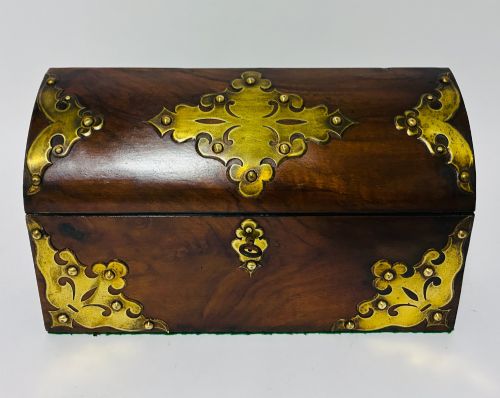
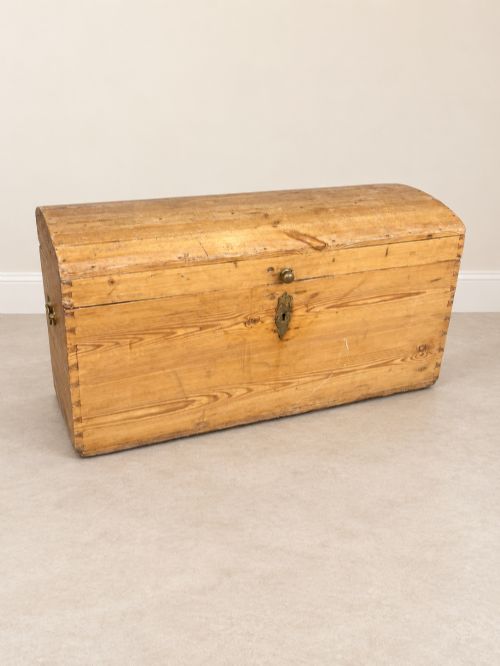
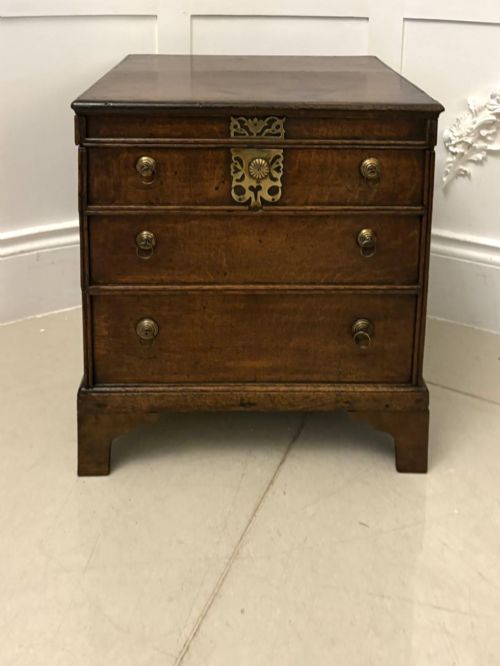
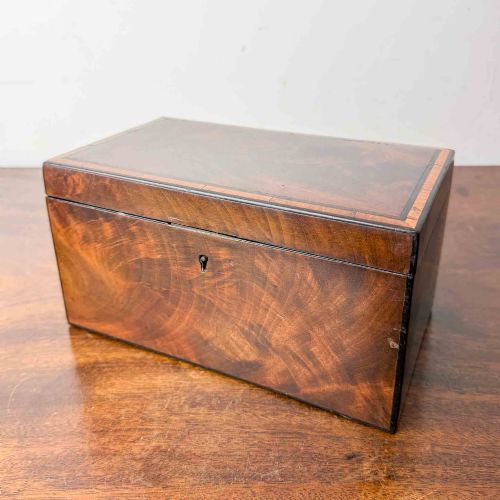
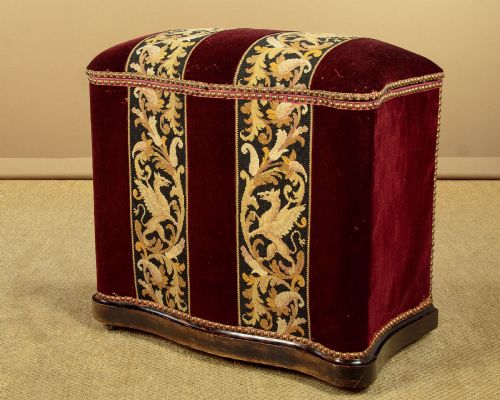
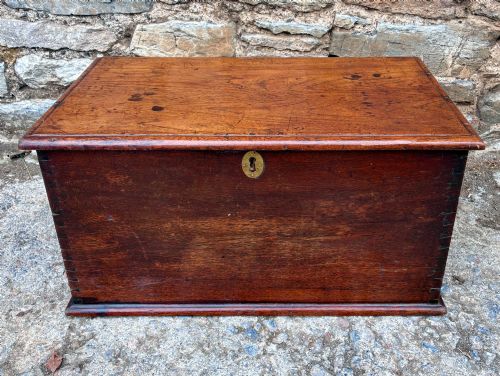
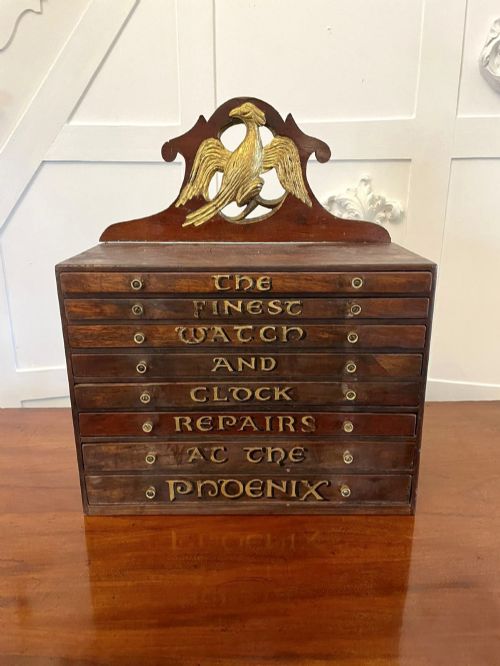
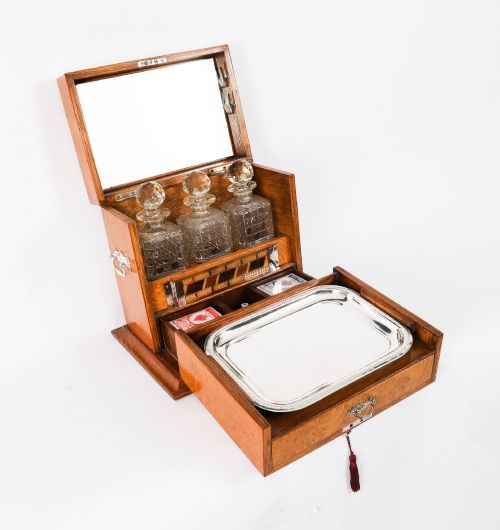
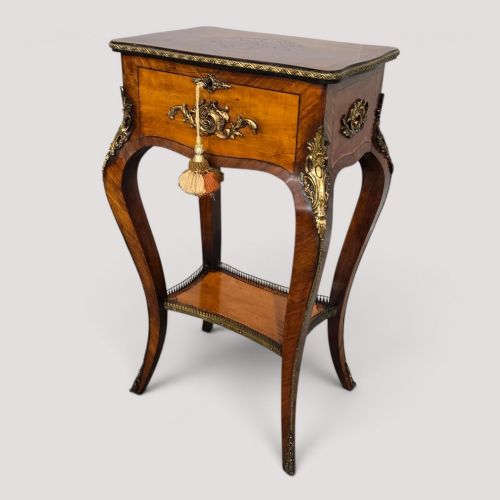
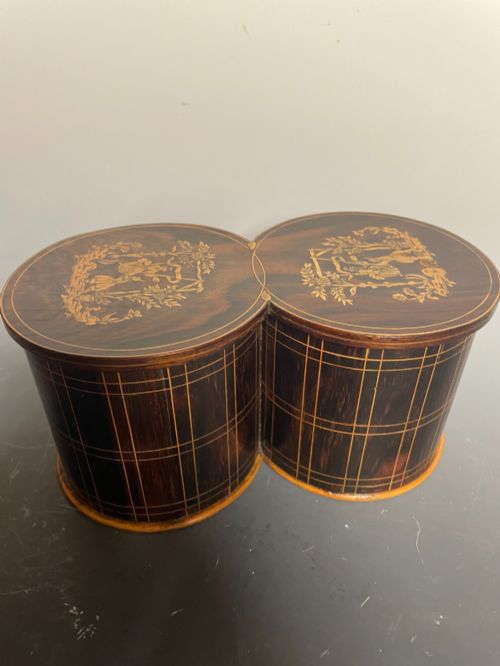
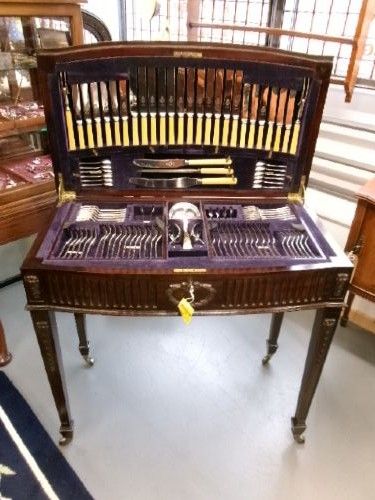
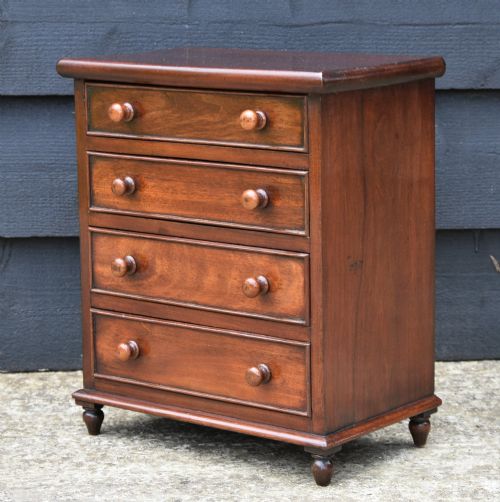
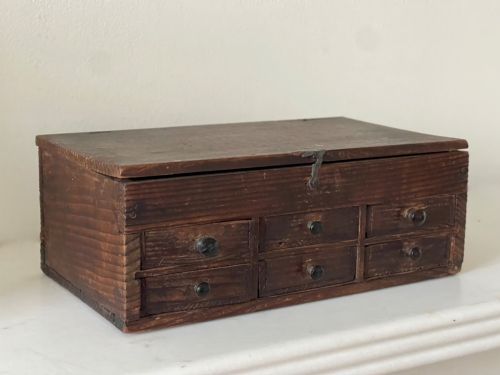
When searching for an antique chest box, buyers encounter a diverse range of robust storage forms spanning from seventeenth-century oak coffers to nineteenth-century camphorwood trunks. The selections available on this page encompass everything from heavy six-plank blanket chests and mule chests with lower drawers to compact document boxes, tea caddies, and specialised cellarettes.
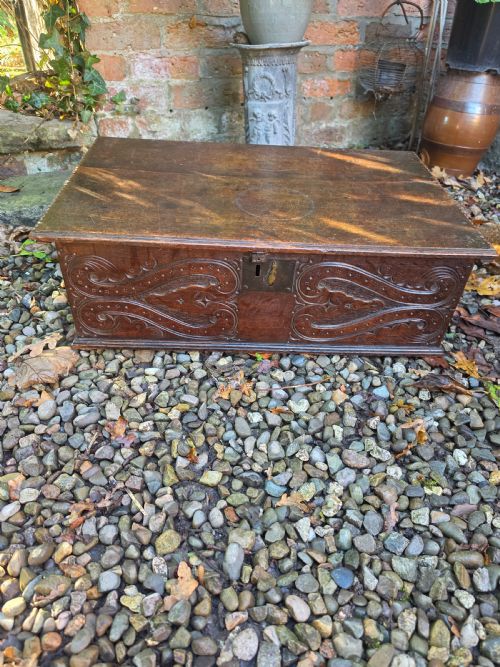
Early examples heavily feature domestic British timbers like oak and elm, often carved with panels or simple geometric motifs. Later nineteenth-century items frequently reflect travel and trade, incorporating exotic woods like padouk and camphor, alongside heavy brass mounts and robust locks designed for maritime journeys.
How they were made
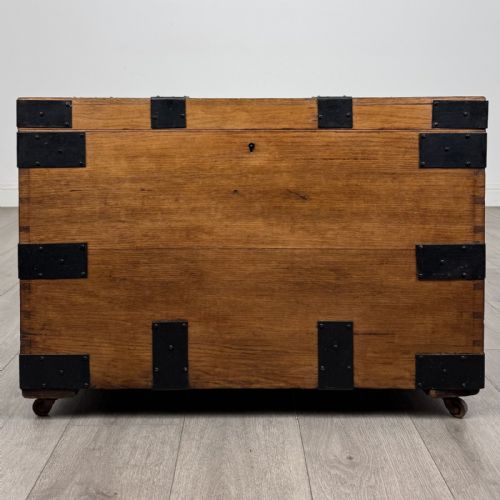
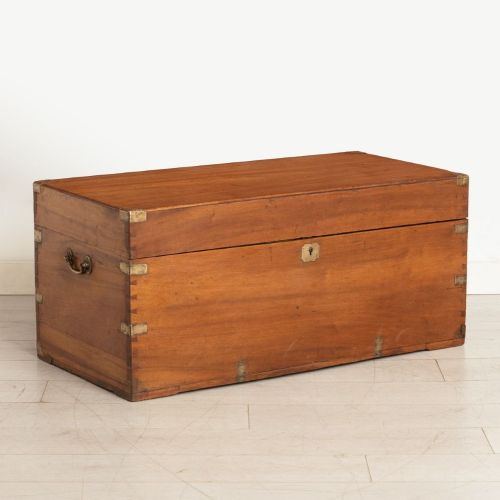
Makers relied on solid native and imported timbers, joining structural boards with traditional pegged mortise and tenon joints in early oak coffers. For travelling trunks and campaign pieces, stable woods like camphor and mahogany were selected to withstand shifting climates, complemented by hand-beaten brass strapping and flush-fitting iron hardware.
Surface decoration varied widely according to origin and period, ranging from chip-carved panels and marquetry inlay on seventeenth-century oak to polychrome painted finishes and elaborate brass studwork on nineteenth-century Zanzibar and maritime chests.
Listings span centuries of cabinet-making, featuring robust seventeenth-century oak coffers alongside nineteenth-century campaign chests built from exotic camphorwood and brass.
What varies in quality
The distinction between ordinary utility items and exceptional pieces rests upon the integrity of the original construction and timber selection. Superior examples retain their original hinges, complex internal locking mechanisms, candle boxes, and feet without extensive timber replacement or unsympathetic modern repairs.
Susse Freres Paris·Samuel Pratt·Parkins and Gotto
The Antique Chest Box Glossary
- Coffer
- A heavy wooden storage chest, typically constructed from oak with hinged lids and panelled fronts, used historically for valuables and textiles.
- Mule chest
- A traditional storage chest featuring one or more drawers built into the base beneath the main compartment.
- Cellarette
- A specialised lockable container or cabinet designed specifically to hold wine bottles and decanters safely.
- Campaign trunk
- A portable storage box constructed from dense timbers like camphorwood or mahogany, reinforced with brass corners and recessed carrying handles for military transport.
- Six-plank coffer
- A primitive chest form constructed from just six principal boards joined simply at the edges, representing some of the earliest surviving domestic furniture.
Antique Chest Box: Frequently Asked Questions
What is the difference between a coffer and a blanket box?
A coffer generally denotes an earlier, heavily constructed oak chest featuring panelled sides and often intricate carving. They were originally designed for safeguarding precious household goods rather than bedding.
Blanket boxes typically emerge in slightly later periods, constructed from pine, elm, or mahogany to store textiles and linens. They often feature simpler surfaces or practical lower drawers, functioning as both storage and furniture.
How were campaign trunks used?
Campaign trunks accompanied military officers, diplomats, and merchants across the British Empire during the nineteenth century. Their dense camphorwood or mahogany construction resisted humidity and insects while protecting uniforms and documents.
These boxes were built with recessed brass handles, reinforced corners, and robust locks to endure rough handling during global maritime and overland transit.
How can I tell the period of an oak chest?
Early pieces from the seventeenth century display hand- split oak boards, pegged frame-and-panel construction, and traditional iron strap hinges. Tool marks left by adzes and pit saws remain visible on unplaned interior surfaces.
Later revivals or eighteenth-century examples introduce machine-sawn timber, standardised fixings, and secondary woods like pine or deal used for internal framing and drawer linings.
Where should I place a chest box in a modern home?
These versatile pieces suit almost any room, functioning readily as coffee tables in living spaces, storage at the foot of a bed, or hallway seating. Their flat lids and robust construction allow them to support lamps, books, or decorative objects.
Placing wooden chests away from direct heat sources and sunlight protects the historic timber and maintains the natural wax patination.