


Antique Champagne Urn
An antique champagne urn brings a grand proportion and a cool gleam to the table, holding bottles steady in ice for hours.
Antique Champagne Urn
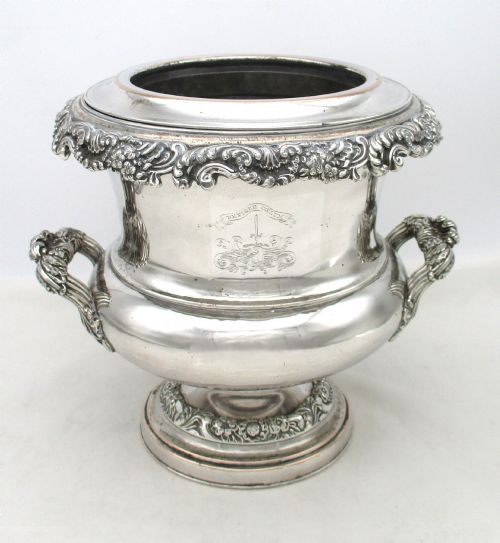
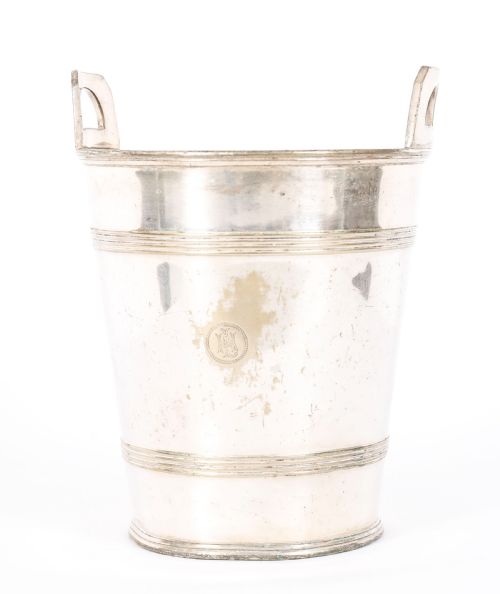
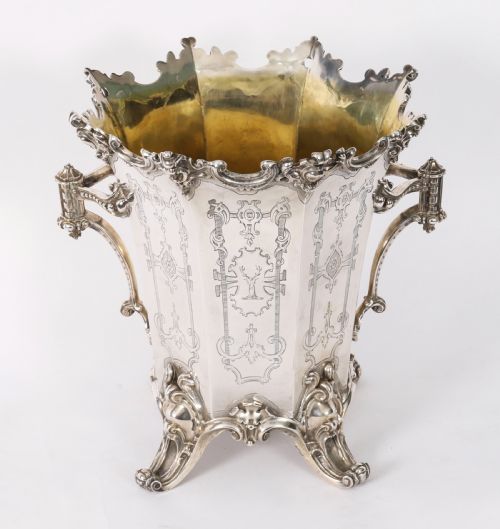
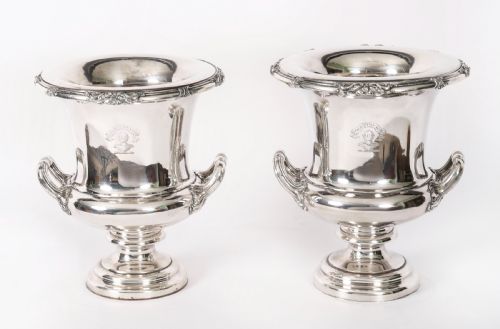
When you search for an antique champagne urn, you encounter substantial vessels designed to chill wine and champagne at the dining table, often listed interchangeably as wine coolers, ice pails or champagne buckets. The versions you meet most frequently on this page date from the Georgian and Regency periods through to the Victorian era and the 1920s.
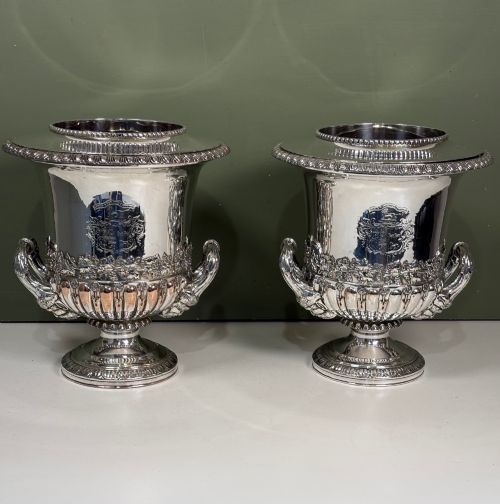
Forms range from campana urns and twin-handled vessels to deep footed bowls and cylindrical pails. Many pieces display crisp heraldic crests, lion mask handles or fluted bodies suited to formal entertaining.
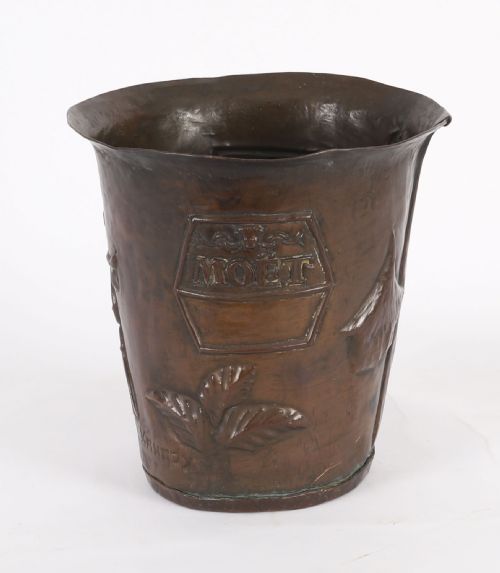
Origins span English workshops in Sheffield and Birmingham alongside French copper and brass iterations, reflecting a shared European tradition of lavish hospitality.
Materials and construction
Old Sheffield Plate and silver plate dominate the selection, utilising a thin sheet of silver fused over a copper base, a technique that produces a warm lustre where the base metal subtly shows through wear.
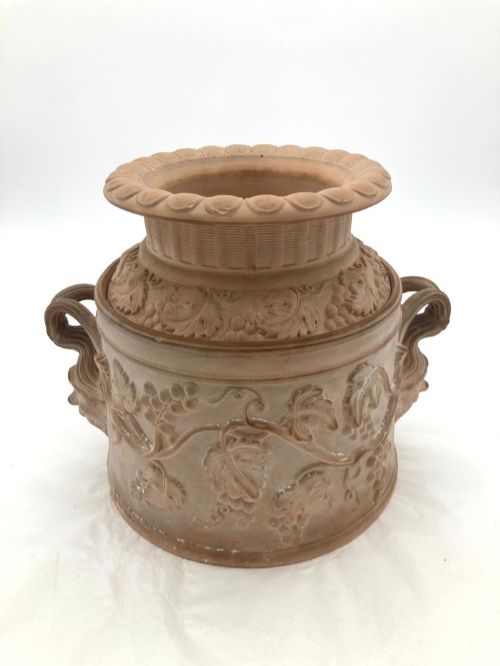
Heavier sterling silver, solid brass and French copper provide structural depth, while earthenware such as terracotta and cut crystal offer alternative textures for cooling and display.
Master metalsmiths raised these bodies by hand, soldering handles and cast appliqués with precision to ensure watertight integrity.
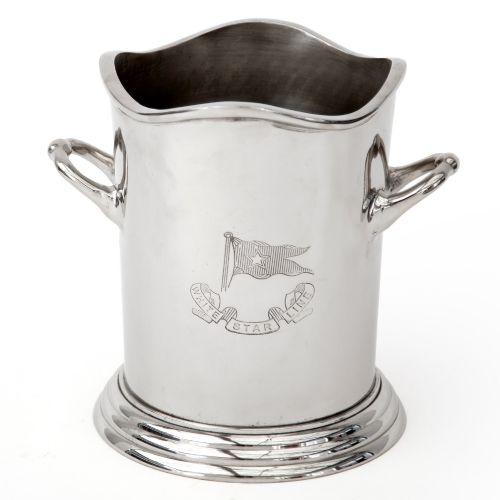
A white star line wine cooler whispers of transatlantic luxury, ready to chill a vintage long after the liner docked.
The markers of distinction
Quality rests in the crispness of the cast mounts and the fidelity of the proportions, where top-tier examples exhibit sharply modelled handles, finely chased crests and balanced classical silhouettes.
The integrity of the fused silver layer upon Old Sheffield Plate separates superior specimens from later electroplated wares, as does the weight and gauge of the metal used in the body.
Maker attribution elevates a piece significantly, with identified works from distinguished workshops commanding greater attention through documentary provenance and superior finishing.
Hutton Sheffield·Elkington, Mason & Co·Elkington·Flight, Barr & Barr Worcester·James Dixon & Sons·Matthew Boulton & Co·Lipscombe & Co
The Antique Champagne Urn Glossary
- Old Sheffield Plate
- An early method of fusing a sheet of silver to a copper ingot before rolling them together into sheets for smithing. This technique creates a distinctive edge where the copper core becomes visible.
- Campana
- A bell-shaped vessel form popular in classical antiquity and revived during the Regency period. These urns typically feature an everted rim and a footed base.
- Ice Pail
- A smaller lidded vessel used at the dining table to supply ice or chill individual carafes. They often match larger wine coolers in pairs or sets.
- Sheffield Plate
- A general term encompassing both fused Old Sheffield Plate and later nineteenth-century electroplated wares produced in the industrial hub of Sheffield.
- Chasing
- A metalsmithing technique of indenting metal with a hammer and punch to create surface decoration without removing material. This adds relief and texture to heraldic crests and floral motifs.
Antique Champagne Urn: Frequently Asked Questions
How were antique champagne urns used?
These vessels stood upon the dining table or sideboard filled with ice and water to keep wine bottles chilled throughout a lengthy meal. Servants replenished the ice as needed while guests dined.
Larger cisterns rested directly on the floor beside the table to hold multiple bottles in readiness for pouring.
Can I still use my antique champagne urn today?
Most metal and ceramic coolers remain fully functional for holding ice and bottled beverages during dinner parties. You should line delicate or porous earthenware gently and dry the interior thoroughly after use.
Avoid abrasive cleaners that might damage thin silver plating or historic patination.
How do I distinguish Old Sheffield Plate from later silver plate?
Old Sheffield Plate reveals a thin line of copper along exposed rims and high points where the silver layer has worn away through generations of polishing. Electroplated pieces display a uniform base metal underneath worn spots.
Weight and construction methods also help differentiate the fused technique from mass-produced Victorian electroplate.
What is a campana wine cooler?
A campana wine cooler takes its bell-like silhouette from ancient Roman garden vases, featuring a wide flared rim that tapers sharply toward a stem and foot. This classical shape dominated Regency dining rooms.
Pairs of these urns often sat upon sideboards or floor stands to display armorial crests.