

Antique Chair Back Sofa
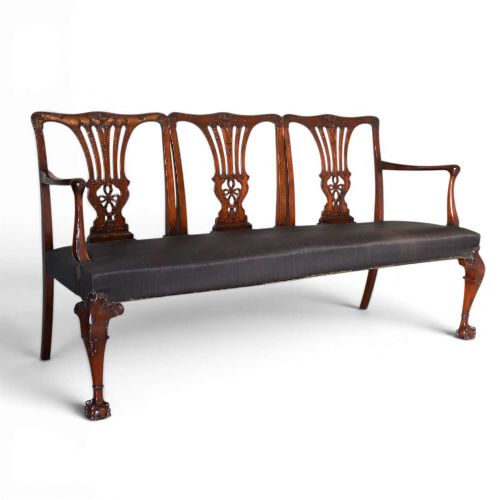
An antique chair back sofa connects the look of several dining chairs into a single long frame for the salon.
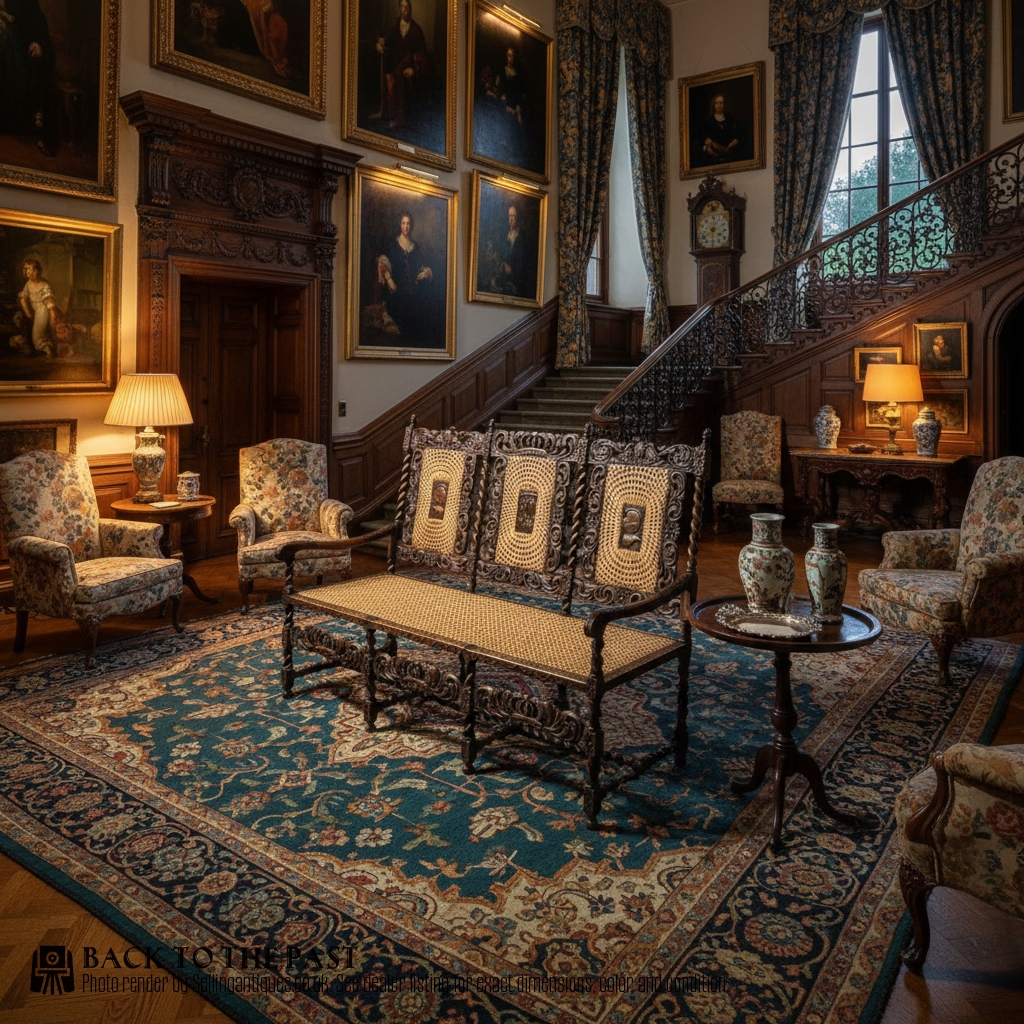
Antique Chair Back Sofa
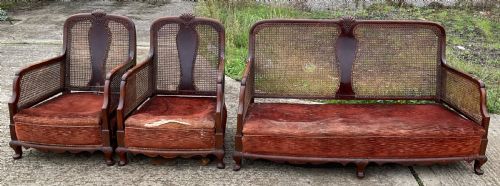
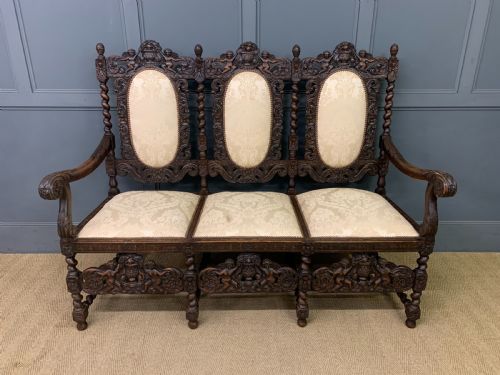
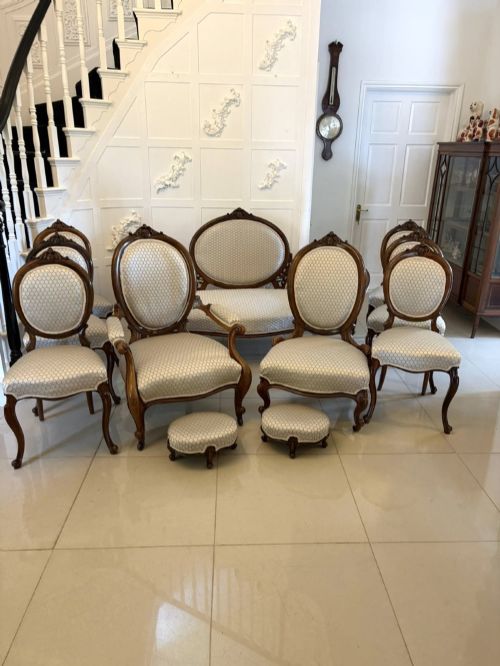
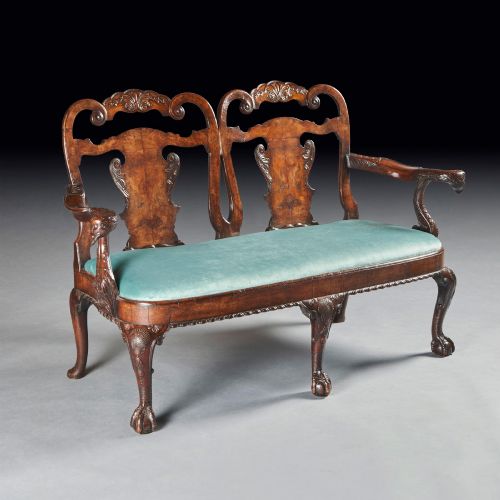
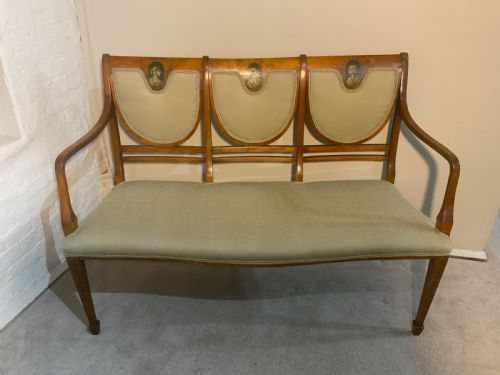
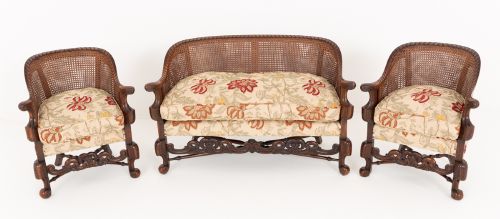
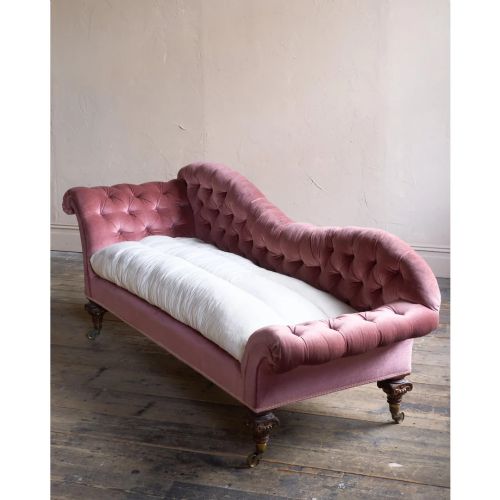
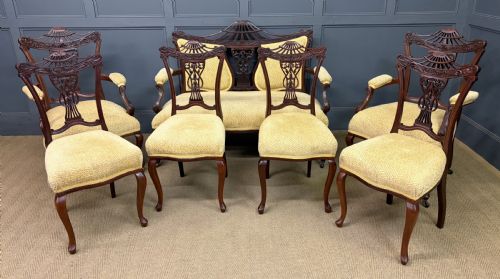
An antique chair back sofa blends the upright geometry of individual seating with the extended comfort of a multi-seat settle. These pieces range from double and triple chair back frames in mahogany or walnut to grander salon suites and painted satinwood creations.
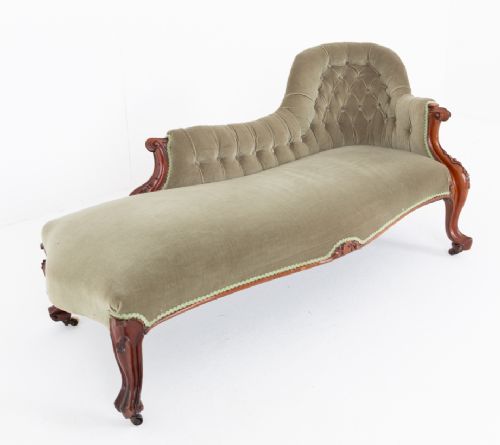
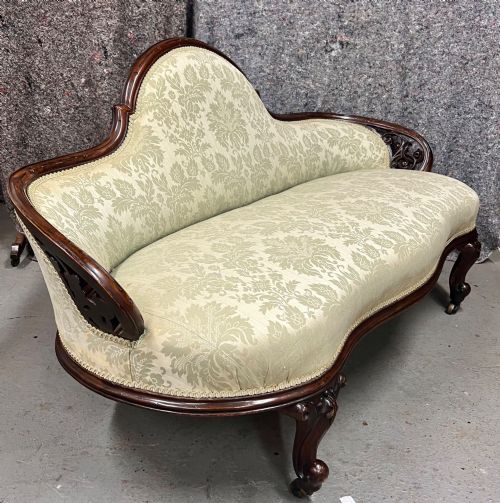
Most examples hail from the nineteenth century and the Edwardian period, though earlier eighteenth-century Georgian influences persist strongly through revival styles. Buyers encounter both twin and triple chair back formats alongside related daybeds and settees featuring open carved woodwork.

Materials and construction
Craftsmen built the structural frames of these sofas primarily using dense timbers such as mahogany, walnut, and satinwood, occasionally supplemented by painted finishes or gilding. Joinery relied on traditional techniques to support the interlocking vertical splats and open lattice work of the connected backrests.
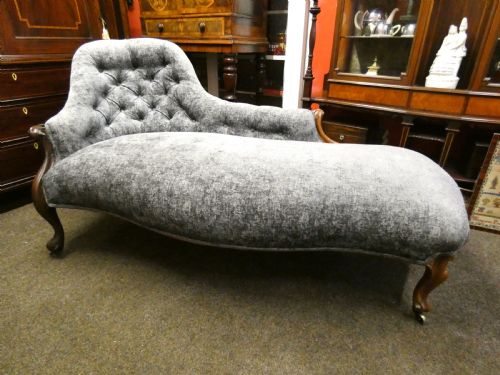
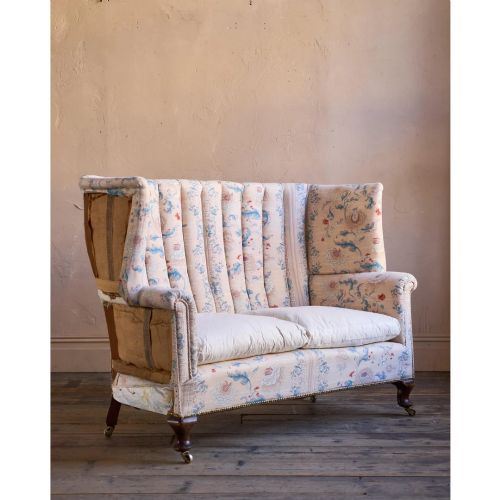
Upholstery varied from exposed polished wood backs to deep-buttoned fabric, velvet, and brocade over sprung bases or textile webbing. Brass accents and detailed carving completed the decorative scheme across arms and legs.
Antique Chair Back Sofa Retail Price Guide 2026
Typical asking prices for chair back sofa among the pieces listed under this phrase on Sellingantiques today, from the lower quarter to the upper quarter. They describe what is for sale here now, not the wider market.
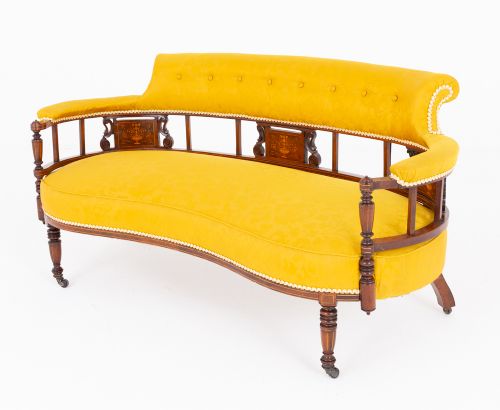
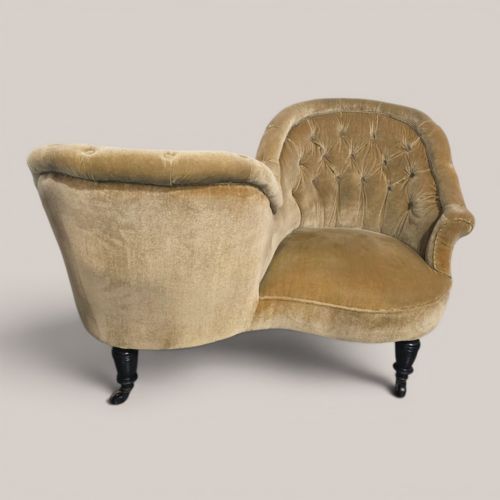
Several Victorian conversation sofas on record ensure that two people can sit face-to-face without getting neck strain from awkward angles.
Evaluating craftsmanship and condition
Quality rests heavily on the crispness of the timber carving along the top rail and the fidelity of revival styles to earlier Georgian or Chippendale models. Heavy figuring in the mahogany or walnut veneer and refined proportions distinguish finer salon pieces from utilitarian seating.
The integrity of the frame construction where the individual back sections join the main seat rail determines longevity. Original fabric or sympathetic re-upholstering using period-appropriate brocade or velvet preserves the intended character of the woodwork.
Holland and Sons·Epstein
The Antique Chair Back Sofa Glossary
- Chair back sofa
- A settee whose backrest is constructed to mimic a row of joined dining chairs, often featuring pierced splats. This design draws heavily on eighteenth-century cabinet maker patterns.
- Splat
- The vertical central strip of wood within a chair back frame that connects the crest rail to the seat. Finer versions feature intricate piercing and carving.
- Settee
- A long wooden or upholstered seat with a back and arms designed for multiple occupants. The term frequently interchanges with sofa in nineteenth-century inventories.
- Salon suite
- A matching set of seating furniture, including a sofa alongside armchairs and side chairs, meant for a formal drawing room. These matched groupings share identical wood framing and upholstery textiles.
- Satinwood
- A lustrous, durable timber native to the tropics, frequently used for fine inlay and painted decoration on late nineteenth and Edwardian furniture.
Antique Chair Back Sofa: Frequently Asked Questions
What is a chair back sofa?
A chair back sofa is a settee whose upper framework replicates the joined backs of multiple chairs. This design creates an open, architectural silhouette distinct from fully upholstered settees.
These pieces typically feature exposed mahogany or walnut frames with carved splats, drawing inspiration from earlier Georgian and Chippendale aesthetics.
How do I date an antique sofa?
Dating relies on timber selection, structural joinery, and stylistic revival markers. Pieces from the eighteenth century show different framing techniques compared to Victorian or Edwardian reproductions.
Examining secondary woods and upholstery foundations helps confirm whether a frame dates to its original period or a later revival era.
Were these sofas used in bedrooms?
While most chair back settees and salon sofas furnished formal drawing rooms, smaller variants occasionally served as end-of-bed seating. Edwardian catalogues list compact chair back seats intended for bedroom placement.
Their narrow profile allowed them to sit comfortably at the foot of a bed without blocking walkway space.
How should I care for the wood?
Maintain polished mahogany and walnut frames by dusting gently with a dry, soft cloth. Avoid placing antique timber in direct sunlight or near heat sources to prevent veneer cracking.
Feed dry wood surfaces occasionally with appropriate conservation wax rather than modern silicone sprays.