




Antique Ceramic Water Ewer
These antique ceramic water ewer examples combine functional pouring vessels with decorative flair, spanning centuries of global ceramic artistry.
Antique Ceramic Water Ewer
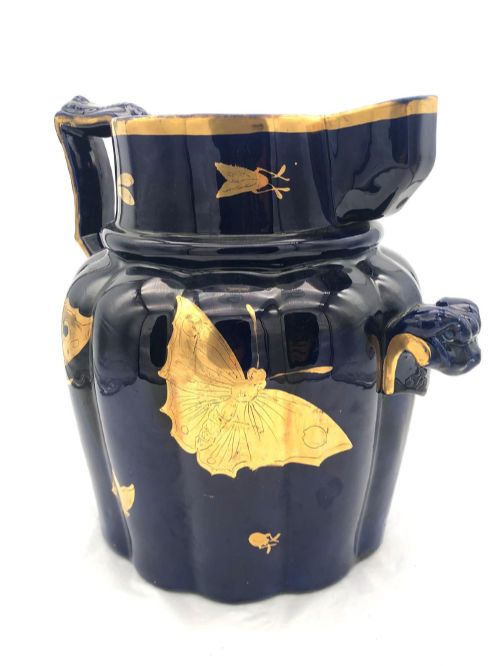
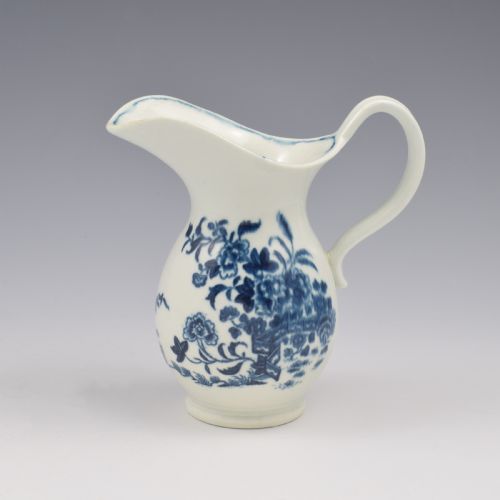
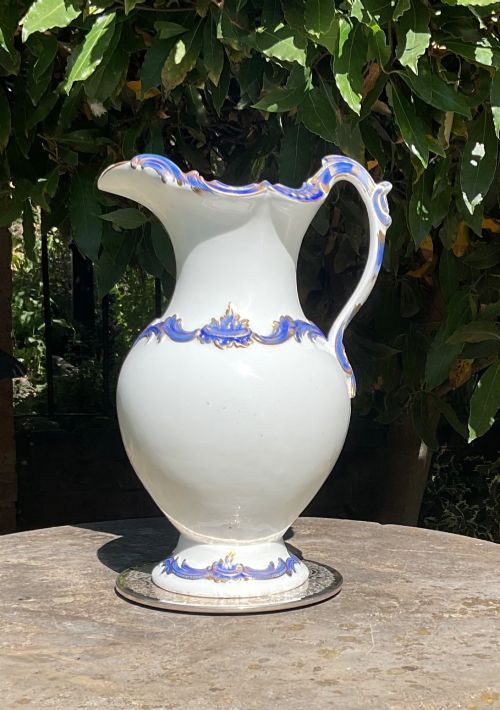
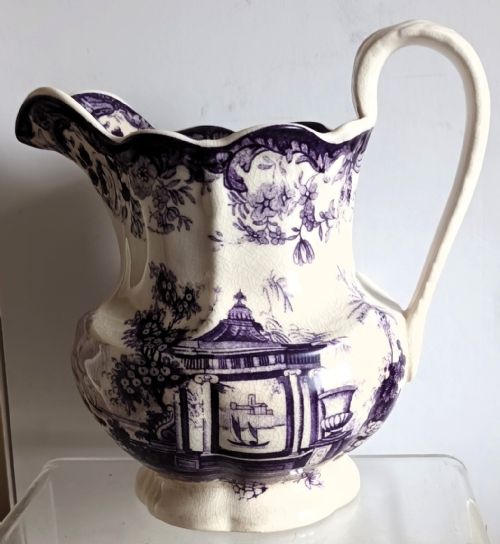
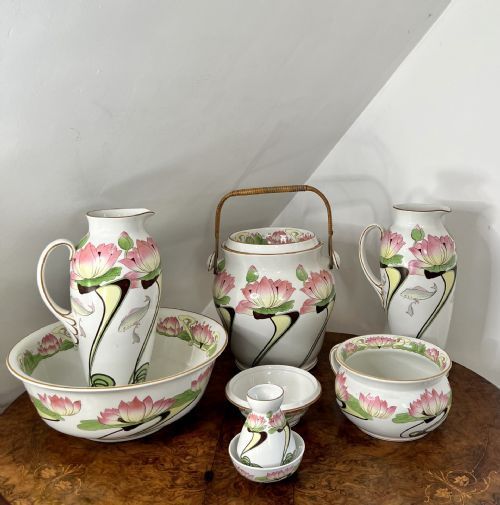
When you search for an antique ceramic water ewer, you find pouring vessels spanning utility and display, from wash sets to cabinet pieces. The pieces on this page range from Georgian milk jugs to large Victorian washstand ewers.
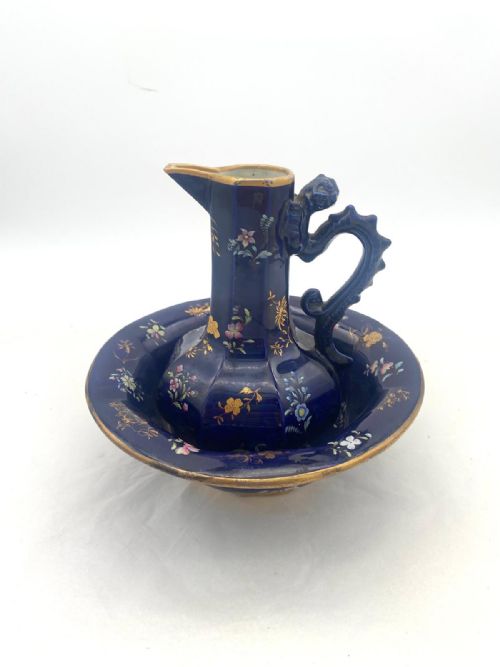
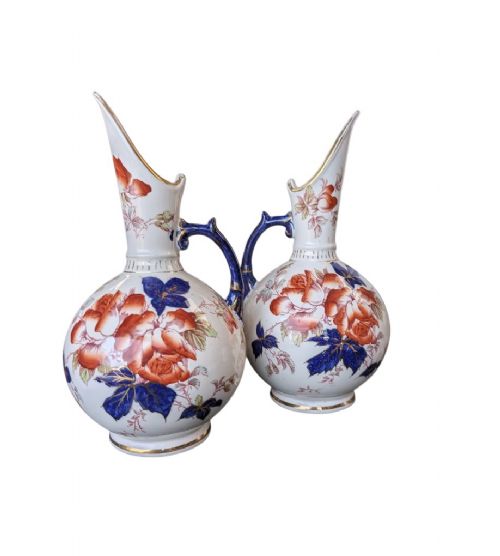
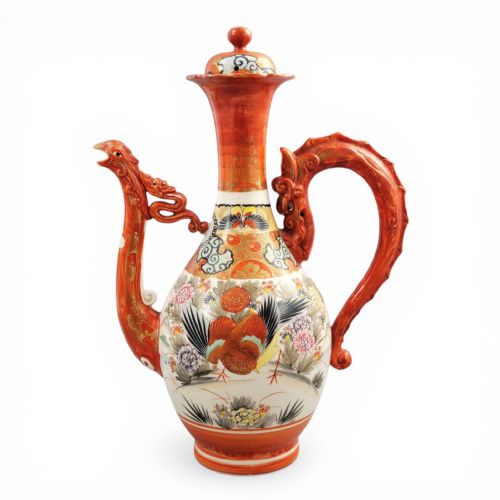
Forms vary from robust ironstone octagonal jugs to delicate porcelain pieces with phoenix spouts or mythological figures. Many arrive with matching bowls as part of complete bathroom sets.
Origins stretch across English potteries like Masons and Royal Worcester, alongside French faience and Japanese porcelain. They appear across the eighteenth, nineteenth, and early twentieth centuries.
How they were made
Maker's workshops utilised materials such as porcelain, earthenware, and heavy ironstone to form the body of the vessel. Glazes seal the ceramic, often complemented by hand-painted enamel, transfer printing, or gold leaf detailing.
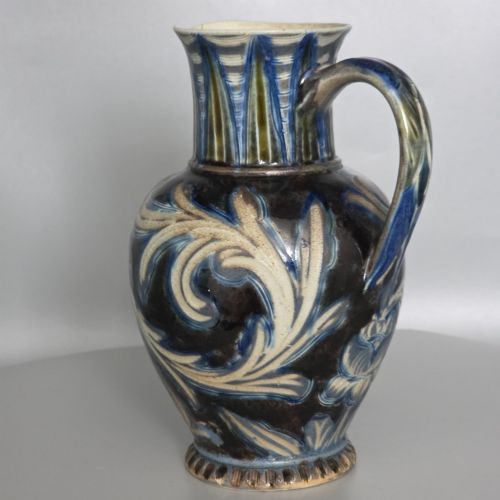
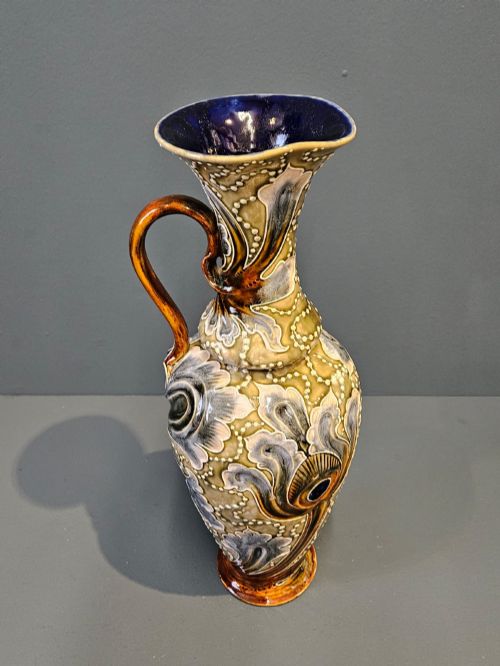
Potters shaped these ewers using moulds and the wheel, applying specialised firing techniques in kilns. Decorations range from cobalt blue designs to aubergine glazes and marble patterns applied across the surface.
Some nineteenth-century water ewers survived because their matching basins broke first, turning humble washstand workhorses into solo ornamental sculptures.
What varies in quality
The standard of a piece rests on the crispness of the moulding and the execution of the glaze or enamel work. Finer examples display intricate hand-painting, such as mythological figures and cherubs, rather than simple transfer prints.
The distinction between a utilitarian wash set jug and a decorative cabinet ewer lies in the ambition of the form and the reputation of the pottery. Marks from factories such as Royal Worcester or Doulton Lambeth elevate the standing of the object.
Masons Ironstone·Doulton Lambeth·Royal Worcester·Minton·Spode
The Antique Ceramic Water Ewer Glossary
- Ewer
- A large jug with a wide spout and handle, traditionally used for holding water for washing. They often appear alongside matching basins in period bedroom sets.
- Ironstone
- A type of heavy, durable earthenware patented in the nineteenth century. It resists chipping better than soft-paste porcelain while taking bright enamel colours.
- Faience
- Tin-glazed earthenware produced in France and other European regions. It provides a smooth white background suitable for elaborate painted decoration.
- Transfer print
- A method of decorating ceramics by pressing a paper design inked from an engraved copper plate onto the fired clay body. This allowed intricate patterns to be repeated consistently.
Antique Ceramic Water Ewer: Frequently Asked Questions
How do I use an antique ewer today?
These vessels make striking flower vases or decorative shelf centrepieces in a modern interior. Their generous handles and spouts accommodate long-stemmed arrangements quite naturally.
For safety, avoid using antique ewers for daily drinking water, particularly older glazed earthenware that may not meet modern standards. Display them where their painted glazes and forms can be appreciated without heavy daily handling.
Are these ewers part of wash sets?
Many of the listed pieces originated as part of large bathroom sets that included matching bowls for washing. These larger washstand items formed an essential part of Victorian and Edwardian bedroom furnishings before plumbed bathrooms.
Other examples are purely decorative cabinet ewers made for display on sideboards or mantlepieces. You can usually distinguish them by their delicate porcelain bodies and lack of a matching basin.
How do I identify the period of an ewer?
Makers' marks stamped or painted on the base offer the most reliable guide to dating a ceramic ewer. Puce marks, specific crown stamps, and registry numbers help narrow down the exact decade of manufacture.
Stylistic clues such as Japanese Imari motifs, Aesthetic Movement cranes, or Art Nouveau curves also point to specific eras like the late nineteenth century. Comparing the weight of the ceramic, from heavy ironstone to fine porcelain, further clarifies the period.