





Antique Ceramic Tea Vessel
An antique ceramic tea vessel is a tactile piece of history, prized for its craftsmanship and historical connection to domestic rituals of the past.
Antique Ceramic Tea Vessel
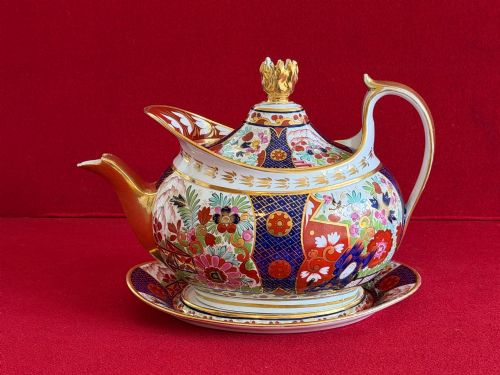
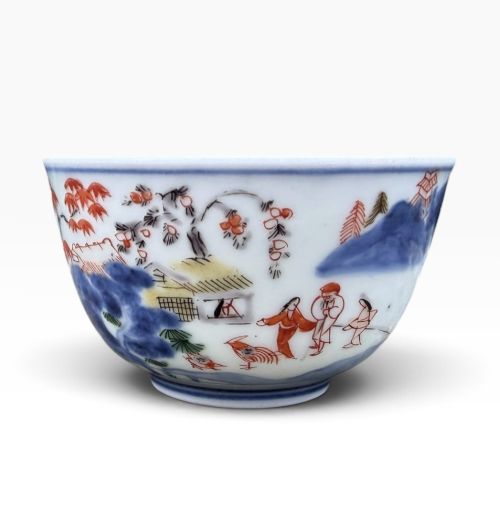
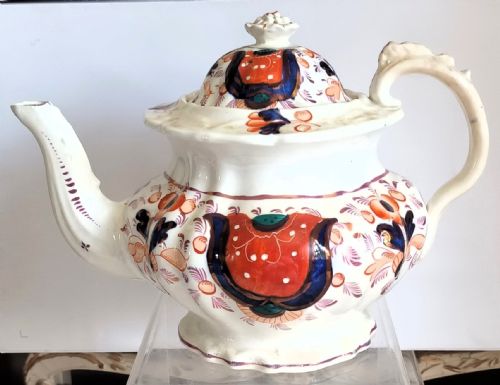
An antique ceramic tea vessel encompasses forms such as teapots, tea caddies, sugar bowls, and teacups originating from diverse global traditions. These domestic items span centuries of design, ranging from early English earthenwares to refined Chinese export porcelains and Staffordshire wares.
Buyers on this page most frequently encounter pieces representing 18th-century and 19th-century periods, alongside earlier East Asian ceramics. These vessels include functional tea services as well as decorative bowls and jars utilised in historic tea ceremonies.
The selection bridges European folk traditions and imperial Asian aesthetics, capturing shifts in global trade and domestic habits. Each vessel reflects the specific dining culture and ceramic technology of its place of origin.
Materials and methods of manufacture
Potters shaped these vessels using primary ceramic bodies like earthenware, stoneware, and fine porcelain, often finished with specialised glaze treatments. Techniques such as cobalt underglaze painting, enamel decoration, and lustre glaze application provided both colour and surface protection.
Many items incorporate handpainted details, gilt highlights, and incised motifs executed by skilled artisans in European manufactories and Asian kilns. Specialised manufacturing methods like agateware mixing and pearlware glazing defined the distinct textures seen across different periods.
Antique Ceramic Tea Vessel Retail Price Guide 2026
Typical asking prices for ceramic tea vessel among the pieces listed under this phrase on Sellingantiques today, from the lower quarter to the upper quarter. They describe what is for sale here now, not the wider market.
Listings feature items spanning from pre-16th century dynasties through the 19th century, utilising earthenware, porcelain, stoneware, and gold leaf.
Distinctions in quality and execution
Quality in these ceramics rests on the precision of the potter's form, the clarity of the glaze, and the fineness of any handpainted or incised details. Superior examples display controlled kiln results, balanced proportions, and well-preserved decorative surfaces without distracting loss to gilding or enamel.
The sophistication of the raw ceramic body and the complexity of the decorative scheme distinguish standard domestic production from high-status export wares or specialised studio pieces. Greater artistic ambition in the moulding and painting elevates a vessel's overall standing.
The Antique Ceramic Tea Vessel Glossary
- Earthenware
- Porous pottery fired at lower temperatures, typically requiring a glaze to hold liquids. It represents one of the earliest and most widespread ceramic bodies.
- Underglaze
- Pigment applied to a ceramic body before it receives a coat of clear glaze and enters the kiln. This technique protects the painted design beneath a glassy layer.
- Celadon
- A pale green jade-like glaze originating in historic Chinese kilns, achieved through iron oxide in the glaze reducing during high-temperature firing.
- Sucrier
- A small lidded vessel designed specifically for holding lump or loose sugar during formal tea service. These containers often match the accompanying teapot and teacups.
- Imari
- A style of decorative ceramic originating in Japan featuring a distinct palette of cobalt blue, iron red, and gold highlights. The aesthetic was later copied by European factories.
Antique Ceramic Tea Vessel: Frequently Asked Questions
How do I date an antique teapot?
Dating relies on examining the ceramic body, glaze characteristics, base marks, and stylistic clues typical of specific centuries and manufacturing centres.
Comparing the potting technique and decorative pigments to documented examples helps narrow the period of origin.
Are these tea vessels safe for use?
Most antique ceramic vessels are intended for display and collection rather than daily modern food use due to historic glaze compositions and fragile materials.
Thermal shock and modern dishwashers can easily damage centuries-old ceramics and delicate gold leaf details.
What is Chinese export porcelain?
Chinese export porcelain refers to ceramics manufactured in China specifically for overseas markets in Europe and the Americas from the sixteenth century onward.
These pieces often blended traditional Asian forms and motifs with shapes requested by Western buyers.
How should I clean my antique ceramic?
Cleaning should be limited to gentle dusting with a soft brush or occasional wiping with a dry microfiber cloth.
Avoid soaking or using harsh detergents, particularly on pieces with overglaze enamels or delicate gold leaf.