


Antique Ceramic Tea Plate
An antique ceramic tea plate brings tactile history to the table, offering a small surface shaped by centuries of changing dining habits.
Antique Ceramic Tea Plate
An antique ceramic tea plate is a small vessel designed for afternoon hospitality, frequently found in porcelain, earthenware, and stone china forms. When looking for an antique ceramic tea plate, buyers encounter pieces spanning the Georgian, Victorian, and Edwardian eras, alongside later Art Deco iterations.
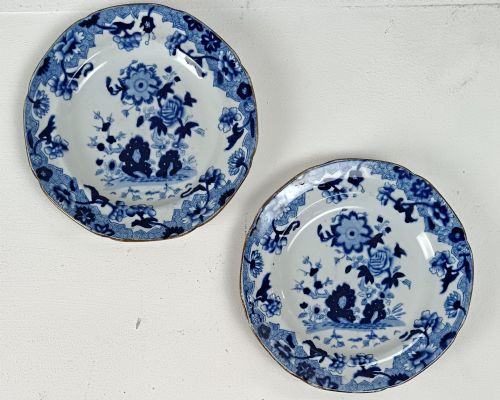
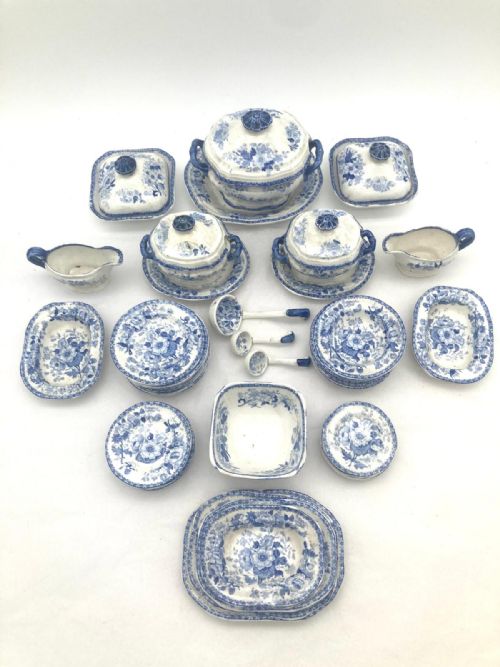
The selection ranges from individual blue and white transfer-printed examples dating to the early nineteenth century up to matching sets from the early twentieth century. Alongside standard tea plates, related tea wares such as saucers and small dishes appear frequently within these periods.
Materials and construction methods
Potters utilised refined bodies including porcelain, bone china, and dense stone china to form these wares, often applying transfer-printed motifs in blue and white or hand-painted enamel palettes. Glazes were carefully formulated to seal the ceramic body, providing a smooth surface suited to daily service.
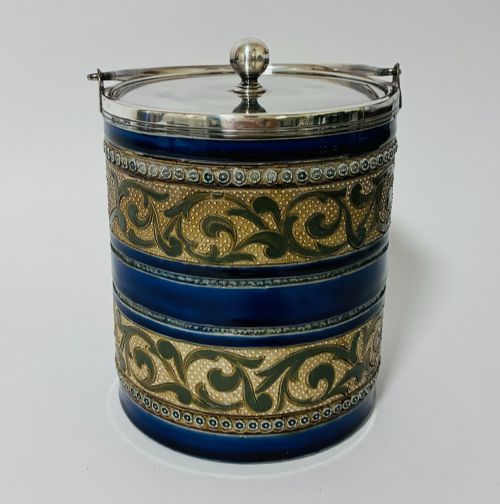
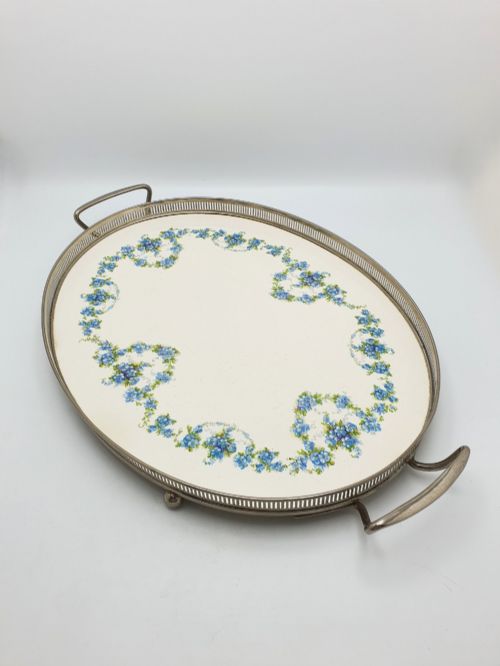
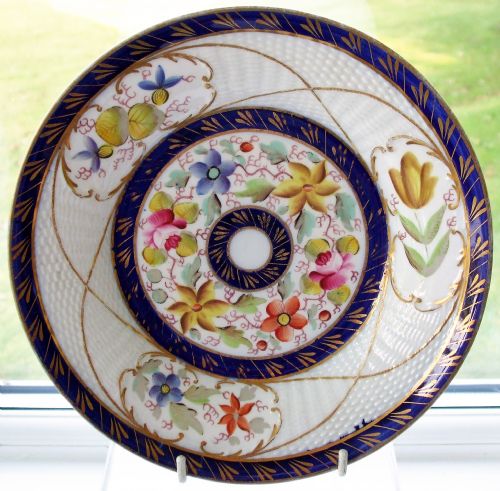
Detailing often incorporated gold leaf, gilding, and silver plate mounts, particularly on biscuit barrels and serving trays from the Victorian and Edwardian periods. These applied metallic elements required skilled firing and finishing to adhere securely to the ceramic or metal substrate.
Listings feature porcelain, earthenware, and stone china items spanning the eighteenth, nineteenth, and early twentieth centuries.
Factors of distinction
Quality rests upon the crispness of the transfer print or the precision of the hand-painted brushwork, alongside the refinement of the ceramic body itself. Early porcelain and stone china pieces often show superior thinness and translucency compared to heavier utilitarian earthenware.
The preservation of original gilding and enamel colours heavily influences the character of a piece, as does the clarity of the underlying glaze. Wares retaining intact gold leaf and sharp cobalt decoration demonstrate careful handling through generations of use.
Spode·Minton·New Hall·Royal Worcester·Doulton Lambeth·Carlton Ware·Royal Doulton·Wileman Foley Shelley·Copeland Spode·Davenport
The Antique Ceramic Tea Plate Glossary
- Transfer printing
- A mechanical method of applying a detailed design to ceramic surfaces from a copperplate engraving. This technique allowed intricate pictorial scenes to be reproduced consistently across multiple plates.
- Stone china
- A durable, heavy ceramic body developed in the nineteenth century to bridge the gap between earthenware and true porcelain. It offered high resistance to chipping during regular dining use.
- Biscuit barrel
- A covered ceramic container utilised for storing dry biscuits on the tea table, frequently fitted with a silver-plated rim, handle, and lid. These vessels were popular throughout the Victorian and Edwardian eras.
- Mandarin palette
- A polychrome enamel decoration style featuring figurative Chinese scenes, often bordered by intricate floral or geometric motifs. It appears widely on export porcelain from the eighteenth century.
Antique Ceramic Tea Plate: Frequently Asked Questions
How do I date an antique ceramic tea plate?
Dating relies on examining the ceramic body, the manufacturing style, and any transfer-printed marks stamped or painted on the reverse. Stylistic clues such as floral borders or transfer patterns often align with specific decades.
Comparison with documented factory designs helps narrow down the period of production, distinguishing Georgian stone china from later Victorian earthenware.
Can I use these plates for everyday dining?
While these pieces were made for practical use, older ceramics often require gentle hand washing rather than dishwasher cleaning to protect fragile glazes. Avoiding sudden temperature changes prevents thermal shock to aged bodies.
Many collectors prefer to reserve them for light occasional use or display to preserve delicate enamel and gilded details.
How should I display my tea plates?
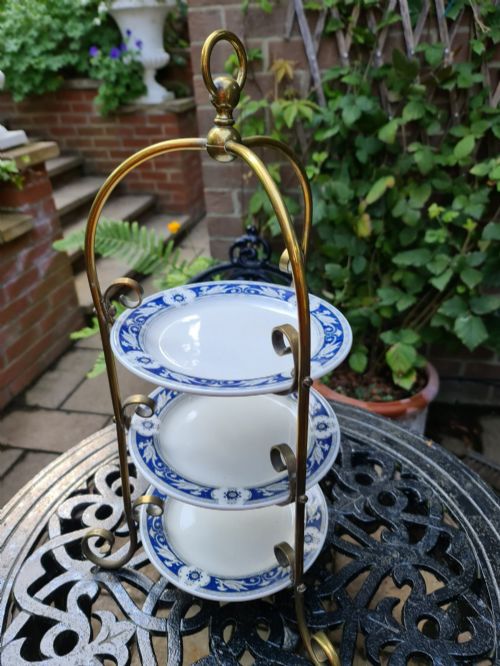
Wall-mounted wire plate hangers or dedicated plate stands allow these ceramics to be shown safely without risking surface abrasion. Placing them away from direct sunlight protects coloured enamels from fading.
Grouping plates by pattern or period creates a cohesive display that highlights variations in nineteenth-century ceramic design.