



Antique Ceramic Panel
An antique ceramic panel brings hand-painted scenes and rich glazes directly to the wall or object, offering a tangible record of historical kiln work.
Antique Ceramic Panel
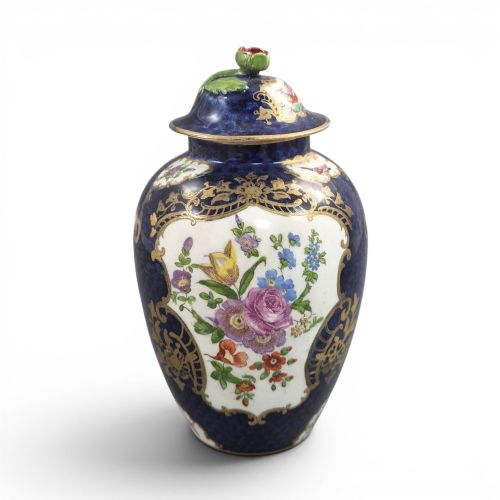
When searching for an antique ceramic panel, a buyer encounters a diverse range of forms, from framed wall art and decorative tiles to painted porcelain plaques and integrated furniture insets. These pieces originate from various traditions, including English potteries, European factories, and Japanese workshops.
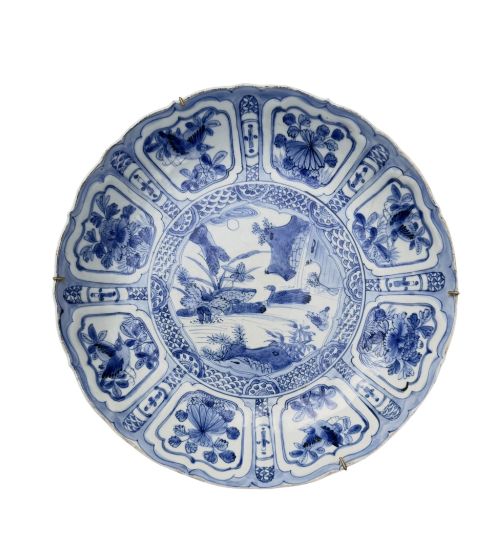
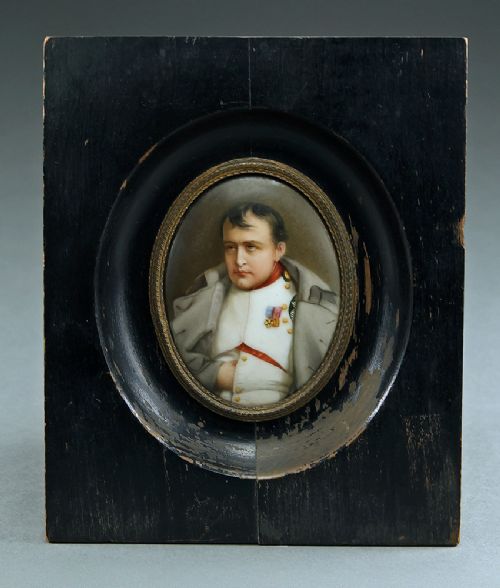
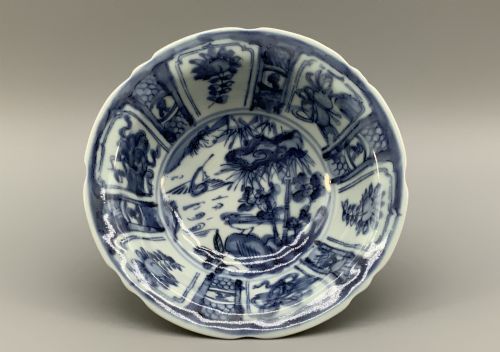
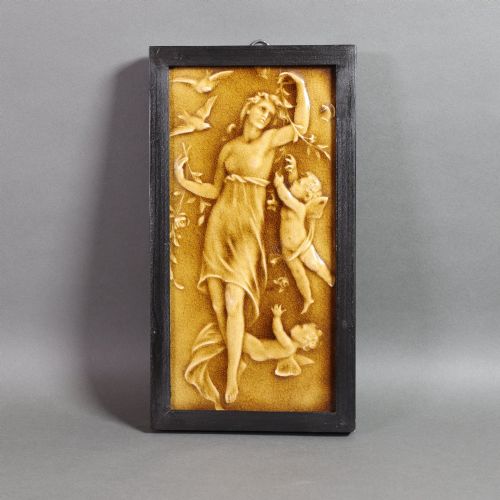
The version most commonly met on this page is the individual tile or porcelain plaque, often hand-painted with figural scenes, landscapes, or botanical motifs. Many examples stem from the nineteenth century, reflecting periods such as the Victorian and Arts and Crafts eras, alongside earlier Dutch Delft and Persian pieces.
Beyond standalone wall plaques, the evidence shows ceramic panels incorporated into larger objects like cabinets, mirrors, and jardinieres. These decorative surfaces serve as miniature canvases, capturing detailed brushwork, cobalt underglaze, or enamel decoration within a durable ceramic body.
How they were made
Makers shaped these panels using earthenware, stoneware, or soft-paste and hard-paste porcelain, depending on the regional workshop and period. Once formed, artisans applied glazes, cobalt underglaze, or enamel colours directly to the clay body or over an initial fired glaze.
Firing took place in kilns designed to reach specific temperatures to vitrify the ceramic and fix the painted pigments. Many pieces received additional layers of gold leaf or overglaze gilding, requiring subsequent low-temperature firings to bond the metallic details to the surface.
Materials recorded across the inventory include earthenware, soft-paste porcelain, enamel, and gold leaf.
What varies in quality
The refinement of the hand-painted brushwork distinguishes exceptional panels from standard production, particularly in portraiture and detailed landscape scenes. Master artists achieved subtle gradations of colour and precise line work that lesser examples lack.
The depth and brilliance of the glaze, alongside the crispness of moulded relief work, dictate the visual impact of the piece. Superior panels maintain uniform colour application and precise registration during firing, avoiding distortion or dullness in the finished surface.
Royal Worcester·Philip Christian·William Rayworth
The Antique Ceramic Panel Glossary
- Plaque
- A flat ornamental plate, typically made of porcelain or earthenware and designed for mounting on a wall. These surfaces frequently display detailed hand-painted portraits or scenic views.
- Delftware
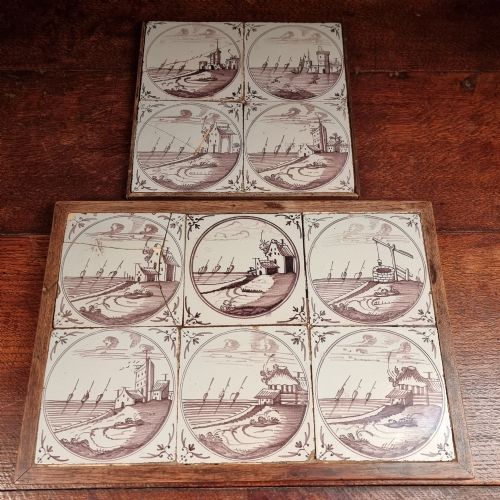
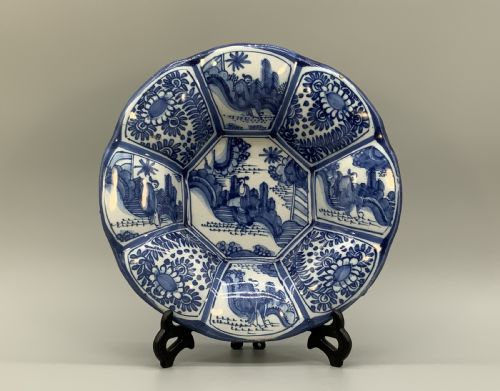
- Tin-glazed earthenware produced in the Netherlands and England, known for its distinct white surface and blue painting. It often takes the form of wall tiles or decorative dishes featuring Chinoiserie motifs.
- Imari
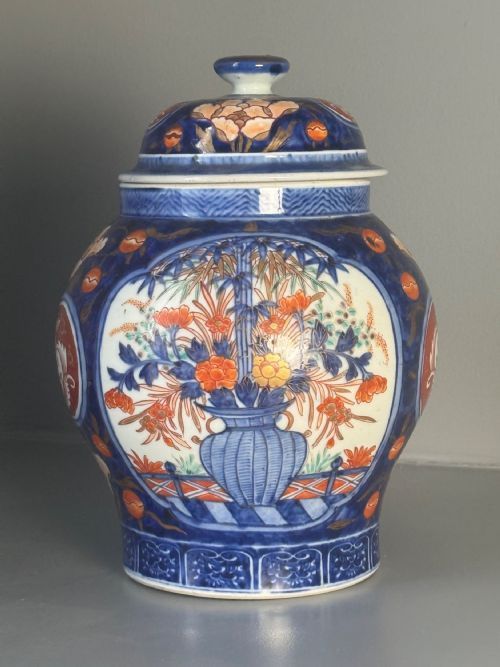
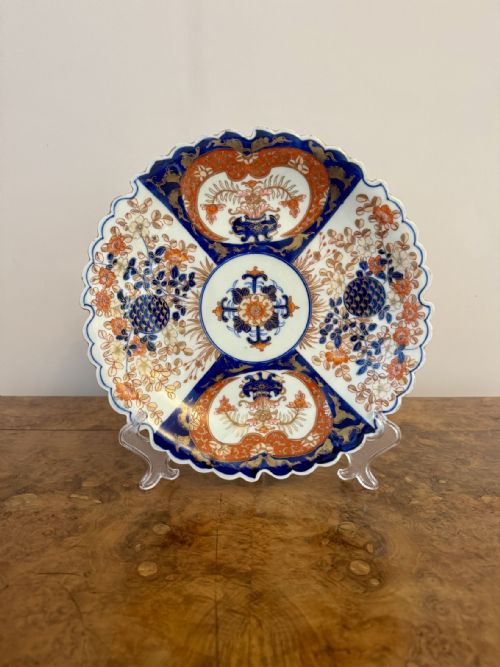
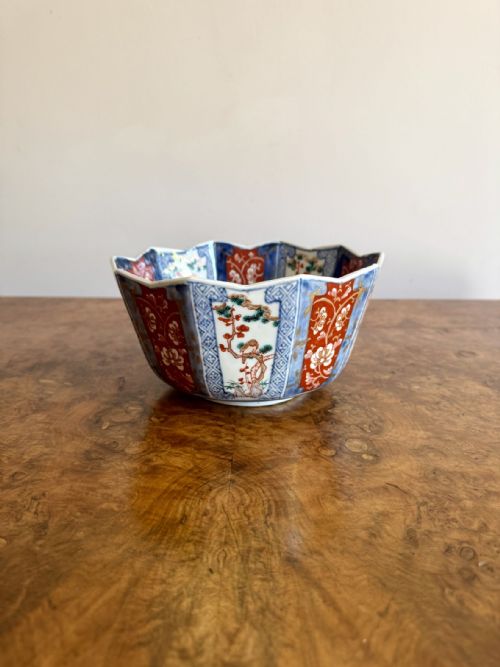
- Japanese export porcelain decorated in underglaze blue, iron red, and gold. This style gained immense popularity across Europe during the historical trading periods.
- Soft-paste
- A ceramic paste composed of clay and glass frit, fired at lower temperatures than true hard-paste porcelain. It is characteristic of various eighteenth-century European factories.
- Moriage
- A decorative technique in Japanese ceramics where slip is piped onto the surface to create raised designs. This method often appears alongside heavy gilding on Satsuma wares.
Antique Ceramic Panel: Frequently Asked Questions
How were antique ceramic panels displayed?
Many panels were framed as standalone works of art or installed directly into architectural settings and furniture backplates. Others served as decorative tiles mounted individually or in sets on walls.
Larger pieces often featured integrated hanging loops or wooden surrounds to support their weight safely during domestic display.
What is the difference between porcelain and earthenware panels?
Porcelain panels are fired at much higher temperatures, resulting in a dense, vitrified body that is non-porous and often translucent. Earthenware panels utilise a softer, more porous clay body that requires a tin glaze to achieve an opaque white surface for painting.
Porcelain generally allows for finer, more detailed brushwork, while earthenware offers distinctive crackle or soft glaze textures.
How do you date an antique tile panel?
Dating relies on analysing the composition of the ceramic body, the manufacturing technique, and the style of the painted decoration. Pigment analysis and glaze characteristics also provide strong indicators of the period of production.
Maker marks, registration numbers, and backstamps stamped into the clay offer precise clues for nineteenth and twentieth-century examples.
Are painted porcelain panels fragile?
While the fired ceramic material is hard, the surface enamel and overglaze gilding can be sensitive to abrasion or harsh cleaning agents. The thin nature of some plaques means they require careful handling and secure mounting to prevent structural stress.
Displaying them away from high-traffic areas protects the corners and edges from accidental impact.