

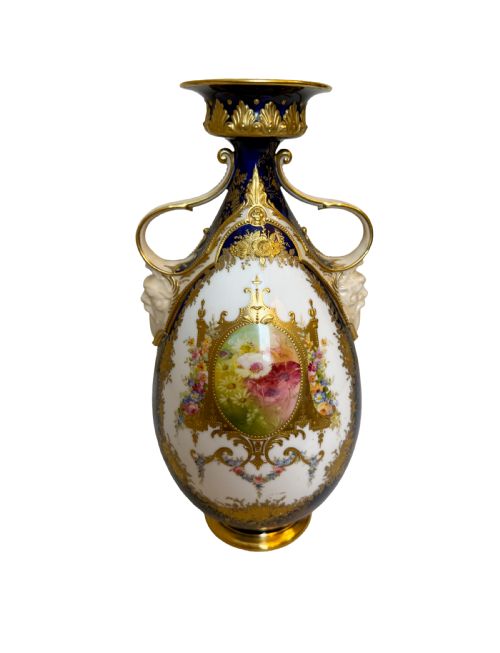
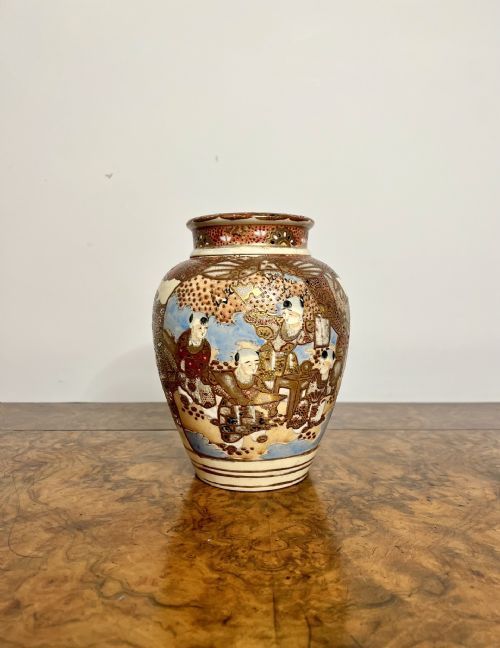


Antique Ceramic Ornamental Urn
These antique ceramic ornamental urn pieces bring neoclassical and rococo elegance to a room, offering classic form and hand-painted detail for the collector.
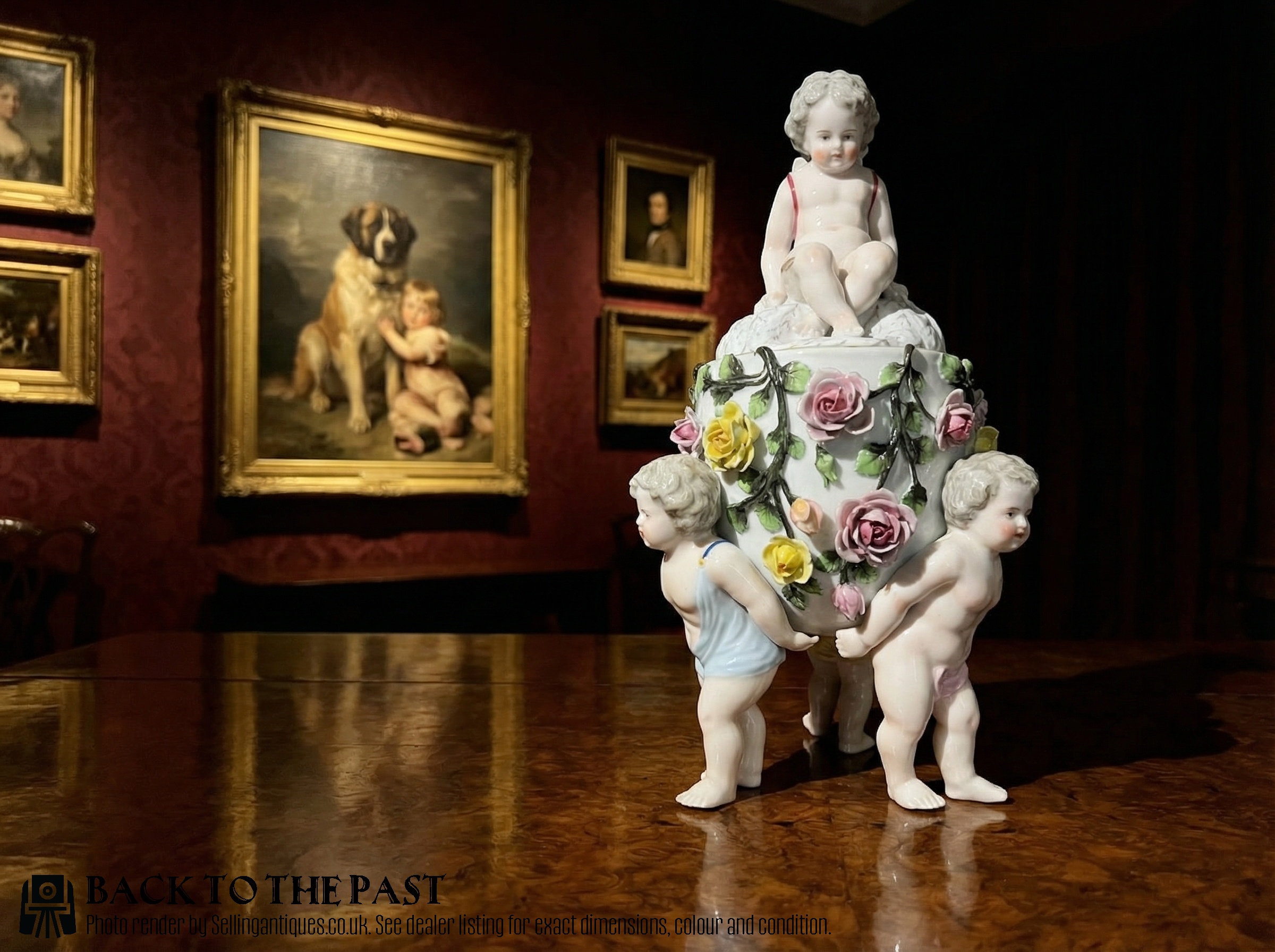
Antique Ceramic Ornamental Urn
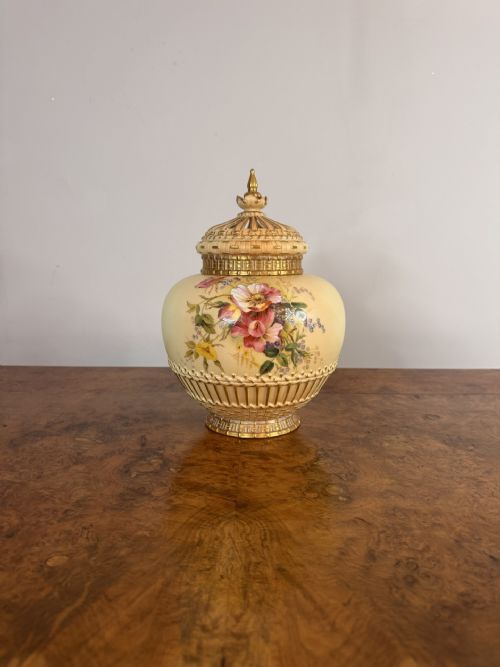
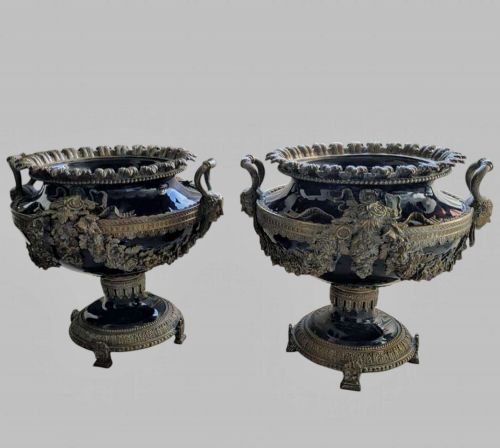
When you search for an antique ceramic ornamental urn, you encounter a variety of decorative vessels including vases, ewers, ginger jars, and lidded urns intended for display rather than utility.
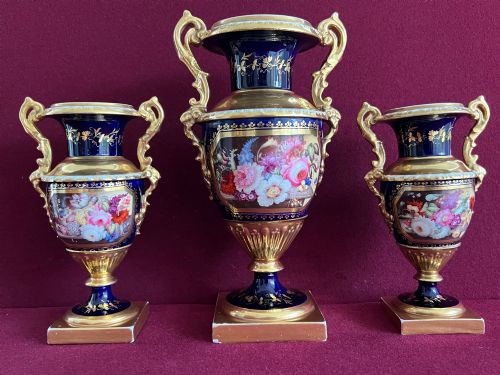
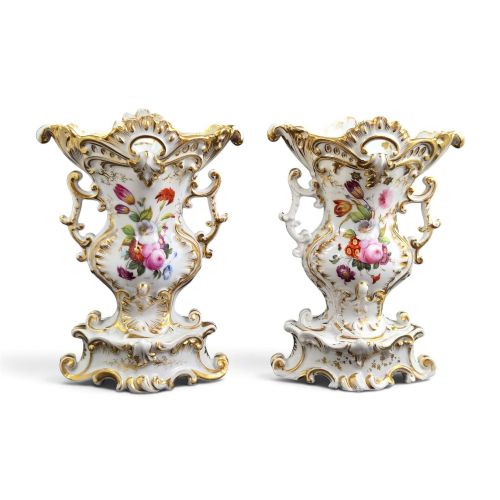
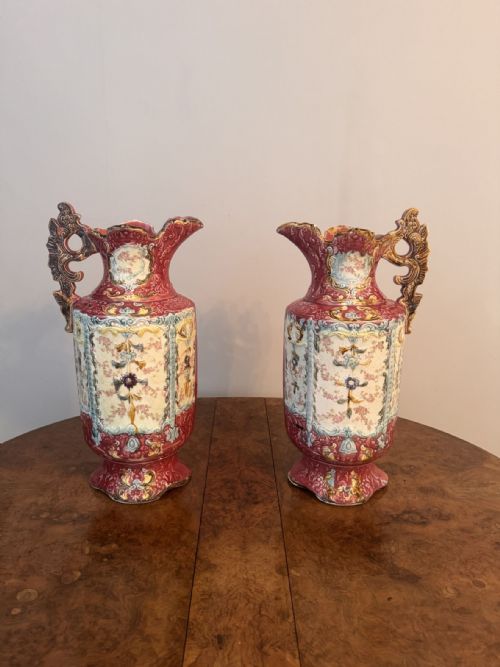
The pieces appearing on this page span the Regency period, the nineteenth century, and the Edwardian era, showing styles from Victorian rococo revival to neoclassical revival.
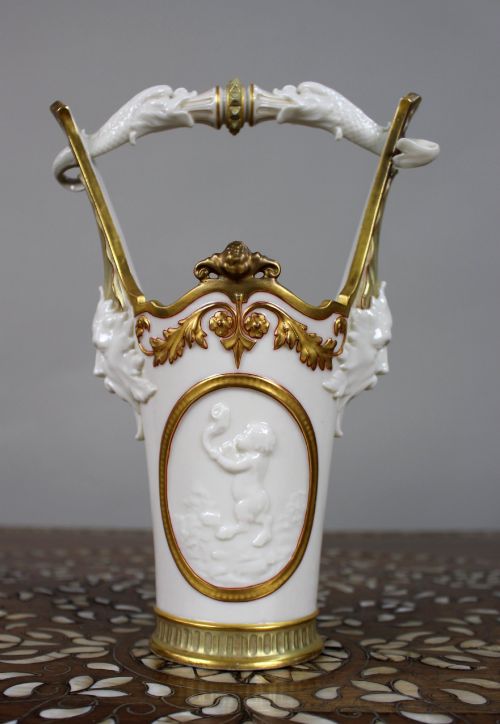
You are most likely to meet nineteenth-century porcelain and earthenware pieces, often richly gilt or hand-painted, originating from English factories like Royal Worcester and continental kilns.
What varies in quality
The standard of an antique ceramic ornamental urn rests upon the crispness of the moulding and the skill evident in the hand-painting.
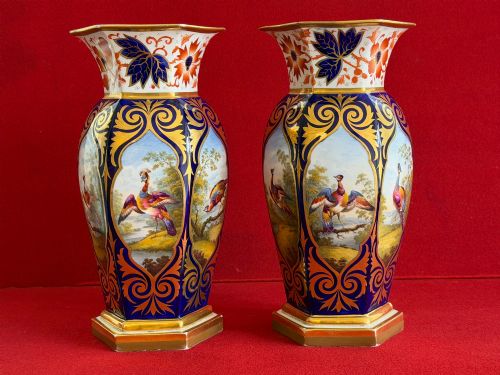
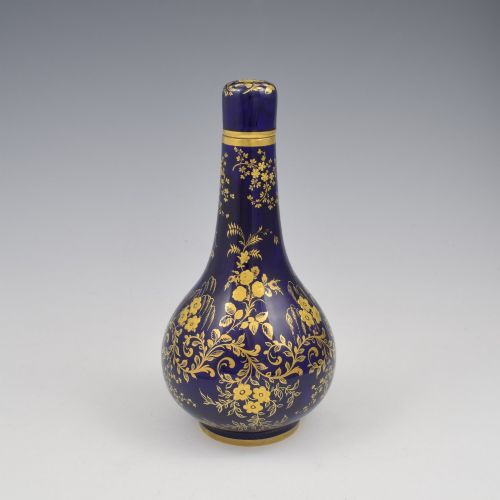
Pieces featuring detailed artist work, such as signed bird panels or intricate raised gold decoration, stand apart from standard factory output.
Antique Ceramic Ornamental Urn Retail Price Guide 2026
Typical asking prices for ceramic ornamental urn among the pieces listed under this phrase on Sellingantiques today, from the lower quarter to the upper quarter. They describe what is for sale here now, not the wider market.
Listings include items from the Regency period, eighteen-eighty, the Edwardian era, and the nineteenth century, made in porcelain, earthenware, and bone china.
Flight Barr and Barr·Jacob Petit·Royal Worcester·Royal Doulton·Crown Staffordshire·Royal Vienna·Royal Crown Derby·Miles Mason·Hadley and Sons·Coalport
The Antique Ceramic Ornamental Urn Glossary
- Ewer
- A large jug with a wide spout and handle, frequently produced as a decorative ornamental piece rather than for pouring water.
- Gilding
- The application of gold leaf or powdered gold to the ceramic surface, enhancing details and borders.
- Pot pourri
- A vessel equipped with a pierced or lidded body designed to hold dried scented plant material.
- Ironstone
- A heavy, durable type of earthenware developed in the nineteenth century to imitate porcelain.
- Satsuma
- A type of Japanese earthenware featuring a crackle glaze and elaborate overglaze enamels.
Antique Ceramic Ornamental Urn: Frequently Asked Questions
What is an ornamental urn used for?
These vessels were created purely for interior display on mantelpieces, pedestals, or console tables. They served to showcase wealth and artistic taste in nineteenth-century drawing rooms.
Today, they function as focal points in period or eclectic interiors, appreciated for their sculptural form and painted detail.
How do I identify Regency pieces?
Regency items date from the early nineteenth century and often exhibit classical neoclassical shapes, fine painting, and restrained gilding.
Look for characteristics typical of factories like Worcester and Miles Mason from around eighteen-ten to eighteen-twenty.
Are these urns made of porcelain?
The pieces utilise various ceramic bodies including porcelain, bone china, ironstone, and earthenware. Each material affects the weight, translucency, and appearance of the glaze.
Continental and English makers chose different bodies depending on whether they sought a delicate translucent finish or a robust decorative shape.
How do I care for my urn?
Dust the surface gently with a soft, dry cloth to prevent the accumulation of dirt within the crevices of handles and raised gilding. Avoid using liquid cleaners, as moisture can damage hand-painted enamel and gold leaf.
Keep the piece away from direct sunlight to preserve the vibrancy of the colours over time.