


Antique Ceramic Lion Sculptures
Antique ceramic lion sculptures bring fierce guardians and stately beasts indoors and out, uniting centuries of sculptural modelling with rich glazes and terracotta.
Antique Ceramic Lion Sculptures
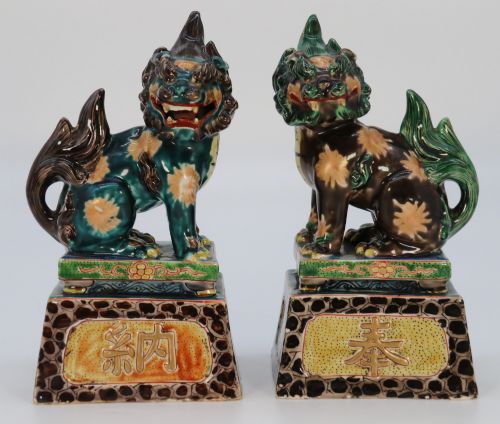
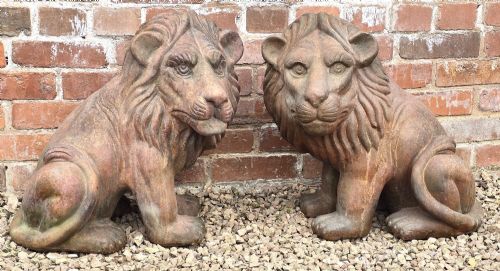
When you search for antique ceramic lion sculptures, you encounter a striking variety of sculptural forms spanning European garden statuary, Japanese guardian figures, and Chinese porcelain beasts. These range from imposing terracotta pairs designed for terraces and grounds to finely glazed porcelain figures modelled as bookends, shelf sculptures, and temple guardians.
The pieces you are most likely to meet on this page include substantial nineteenth-century buff terracotta garden lions, often sold as matching pairs, alongside intricate Japanese Meiji period Shishi figures and English Victorian recumbent bookends. Makers utilised diverse regional traditions, from Scottish salt-glazed pottery works to Italian studios and Asian kilns, giving each beast a distinct posture and character.
How they were made
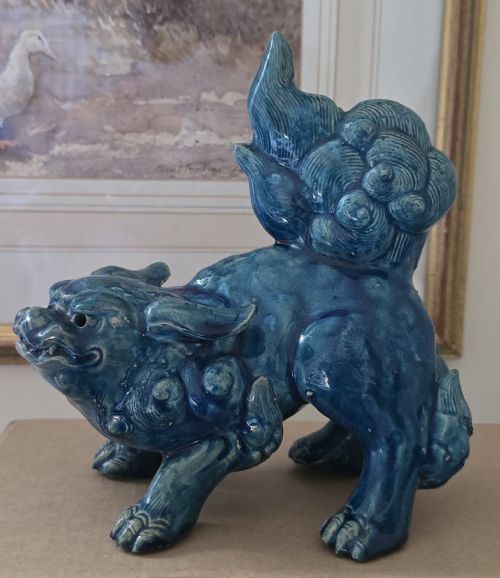
Potters and sculptors shaped these lions from terracotta, earthenware, and porcelain, applying hand-sculpted details to capture muscular forms and flowing manes. Artisans finished the surfaces with various treatments, including copper lustre glazes, turquoise and cobalt underglaze, and salt glazing that imparted a durable sheen to pottery intended for outdoor display.
Larger architectural and garden pieces often required robust buff terracotta or salt-glazed pottery fired in sections to withstand the weight and elements, while smaller decorative figurines and bookends relied on delicate porcelain bodies painted with enamel or left with a uniform glaze.
Even fierce guardian lion dogs occasionally sport bright turquoise glazes that make their traditional menace rather charming.
What varies in quality
Scale and proportion also define the higher end of the range, particularly in grand pairs of garden statuary where symmetry and presence matter immensely. The preservation of the original surface, whether unglazed terracotta or glossy enamel, preserves the maker's intended visual impact.
The Antique Ceramic Lion Sculptures Glossary
- Terracotta
- Fired clay used for sculptural works, valued for its warm earthy tone and ability to hold fine modelling.
- Shishi
- A traditional East Asian guardian lion dog figure, often depicted protecting sacred spaces or domestic thresholds.
- Salt glaze
- A glassy finish created by throwing salt into the kiln during firing, producing a durable texture suited to utilitarian and garden pottery.
- Foo dog
- A popular Western term for Chinese guardian lions, which traditionally combine feline strength with mythical protector attributes.
- Recumbent
- Sculptural figures modelled in a resting or lying position, frequently utilised in pairs for bookends or mantel ornaments.
Antique Ceramic Lion Sculptures: Frequently Asked Questions
Where should I place ceramic lion sculptures?
Large terracotta and salt-glazed pottery lions suit gardens, terraces, and entranceways where their robust materials withstand outdoor conditions.
Smaller porcelain and glazed figures function effectively as interior bookends, mantel ornaments, or decorative shelf sculptures.
How do I care for terracotta lion figures?
Terracotta requires protection from severe frost if kept outdoors, as trapped moisture can cause the fired clay to crack during winter.
Gentle cleaning with water and a soft brush removes dirt without damaging the porous surface of the earthenware.
What is the difference between Foo dogs and Shishi?
Foo dogs originate from Chinese ceramic traditions, often featuring rich enamels and porcelain bodies associated with dynastic periods.
Shishi figures emerge from Japanese Meiji and Edo periods, reflecting distinct regional styles of guardian lion iconography.
Are these lions always sold as pairs?
Many large garden statuary and bookend examples survive as matching pairs intended for symmetrical placement on either side of a doorway or shelf.
Single figures also appear frequently, particularly among detailed decorative sculptures and temple models.