
Antique Ceramic Dessert Plate
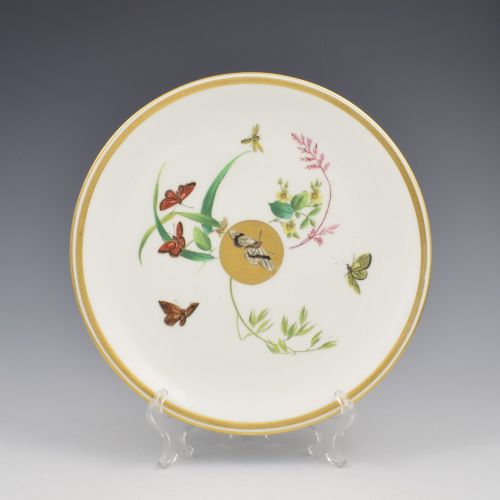
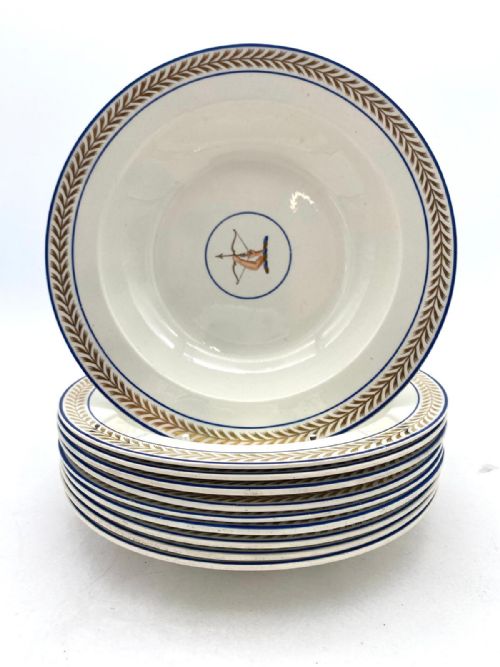
An antique ceramic dessert plate brings the painted flora, armorials and botanical studies of the eighteenth and nineteenth centuries straight to the table.
Antique Ceramic Dessert Plate
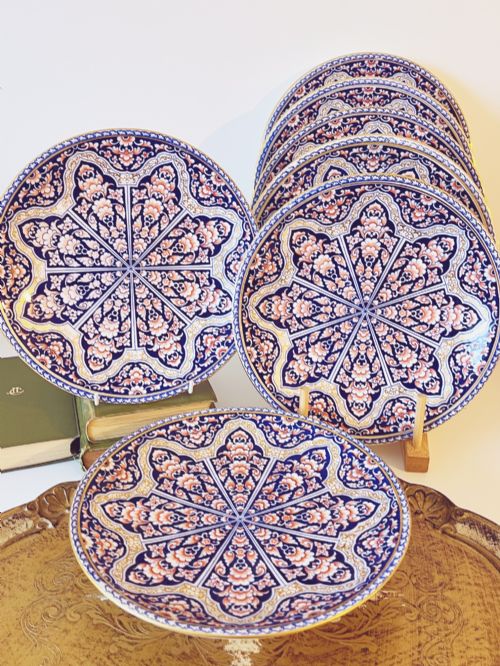
An antique ceramic dessert plate is a specialised piece designed for the final course of a formal meal, ranging from single cabinet pieces to complete multi-item dessert services. Buyers searching this phrase encounter forms spanning the eighteenth, nineteenth, and early twentieth centuries, produced by major English and continental factories.
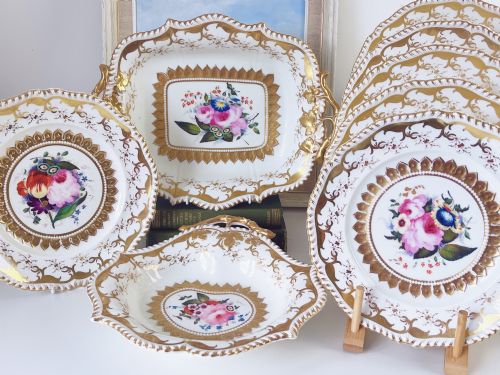
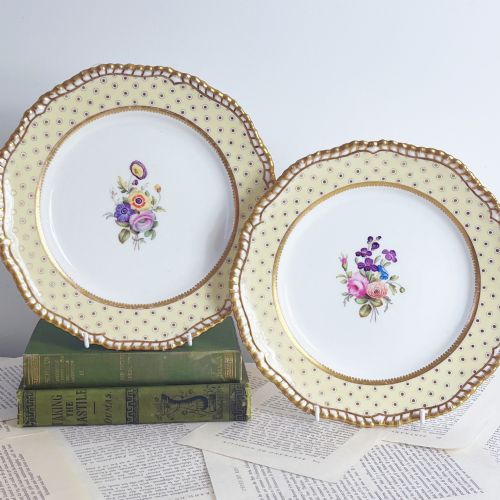
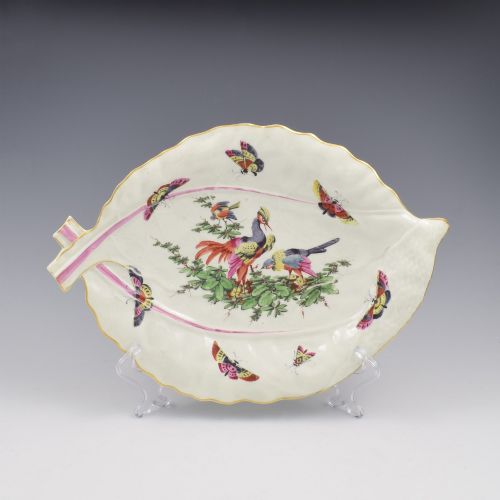
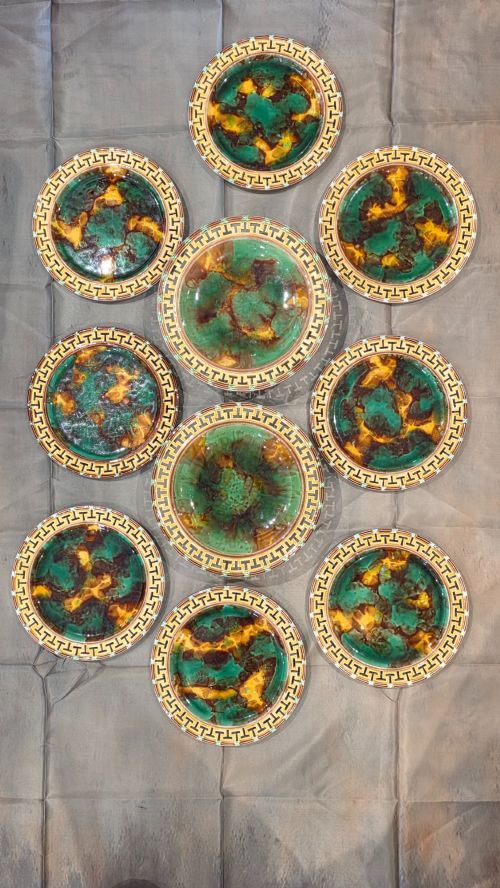
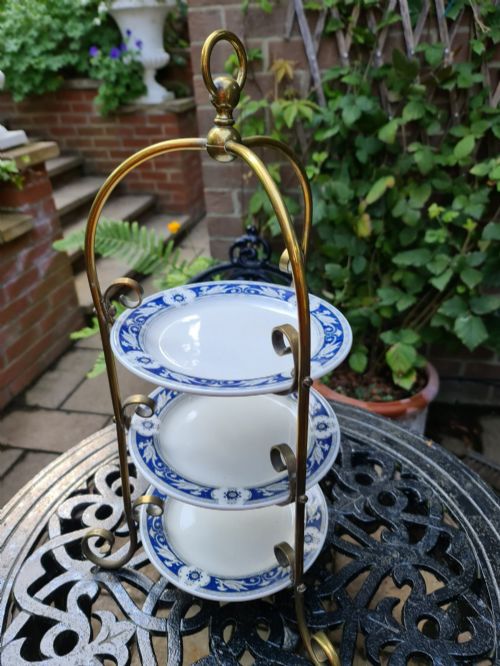
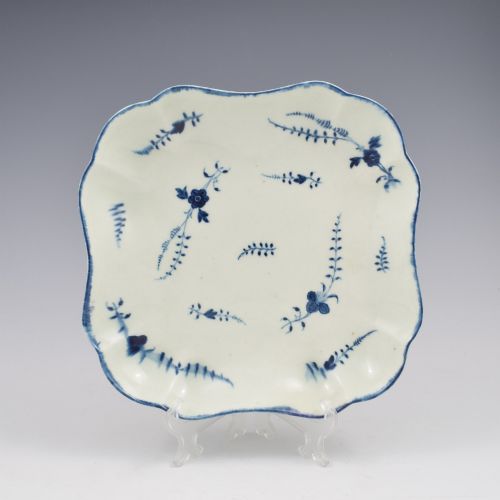
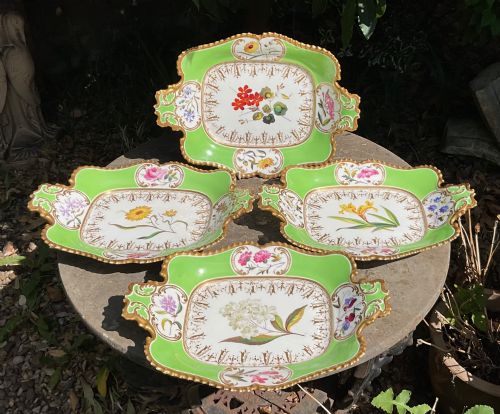
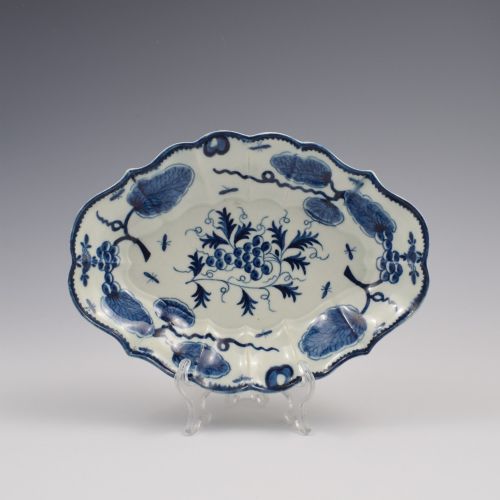
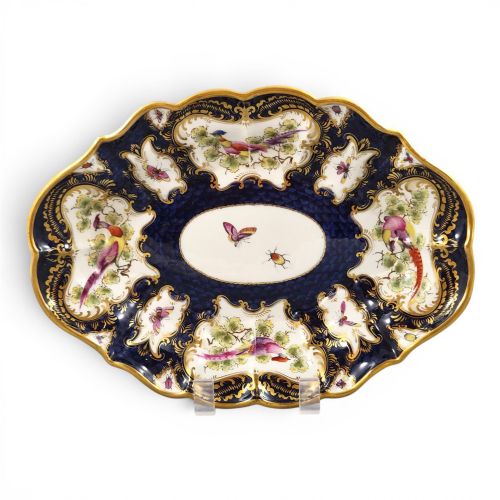
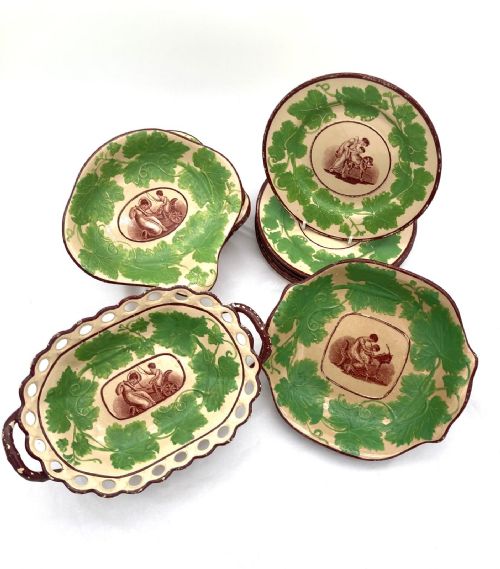
The selections on this page appear in various shapes, from standard round dishes to square lobed dishes, leaf-shaped dishes, and basketweave plates. Many form part of larger sets comprising comports and serving dishes alongside the individual plates.
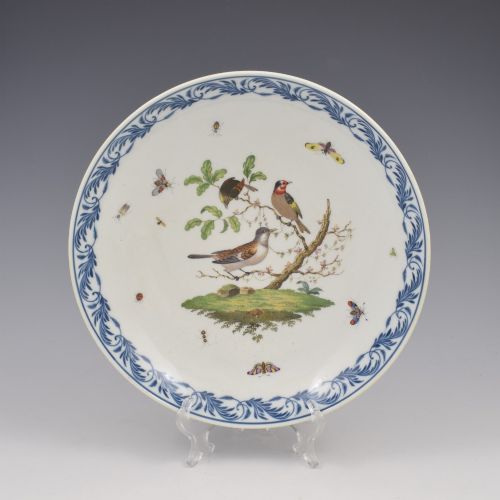
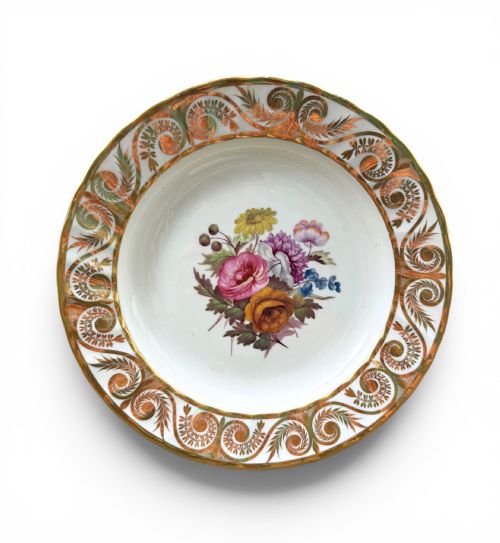
Origins include notable domestic factories such as Worcester, Derby, Minton, and Spode, alongside continental works like Meissen and Chantilly. These pieces frequently feature hand-painted botanical studies, topographical views, birds, and armorial crests tailored to elite dining tables.
How they were made
Potters utilised body materials such as soft paste porcelain, bone china, creamware, earthenware, and majolica, shaping them into plates and specialised serving dishes. These forms often received clear or coloured glazes as a base for subsequent decoration.
Decoration relied heavily on hand-painted enamels, sometimes enhanced with gold leaf, gilding, or pearl jewelling. Factories applied transfer printing for certain patterns before finishing the pieces in high-temperature kilns.
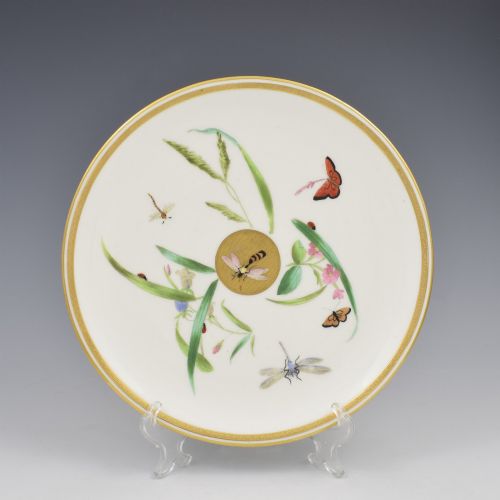
Dinners of the Regency period finished with a flourish of garden pests when dessert plates were painted with detailed caterpillars and beetles.
What varies in quality
Quality rests on the precision and execution of the hand-painted artistry, distinguishing carefully rendered botanical specimens or ornithological studies from standard factory output. The sophistication of the porcelain body, whether translucent bone china or early soft paste, also marks the tier of the piece.
The application of gilding and enamel work reveals the skill of the decorator, with raised gold leaf and complex colour grounds indicating superior workshop standards. Association with known decorators or specific royal and armorial commissions further elevates the standing of an individual plate.
Grainger Lee And Co·Spode·Royal Crown Derby·Meissen Porcelain·Chamberlains Worcester·Wedgwood·Royal Worcester·Coalport·Copeland And Garrett·Cauldon Ltd·Doulton Burslem·Bloor Derby·John Ridgway·Rockingham Pottery·Flight Barr And Barr·Chelsea Derby·James Giles·Minton
The Antique Ceramic Dessert Plate Glossary
- Bone china
- A type of porcelain strengthened by the inclusion of bone ash, producing a durable and bright white body. It became a staple material for English dessert services during the nineteenth century.
- Armorial
- A design featuring a coat of arms or family crest hand-painted onto the ceramic surface. These bespoke plates were commissioned by landed families for grand dining occasions.
- Enamel
- Opaque vitreous colours applied over the glaze and fired at a lower temperature to fix the pigments. This technique allowed artists to achieve rich palettes of pinks, greens, and blues on dessert plates.
- Gilding
- The application of gold leaf or gold paint to the rims and borders of a dish. It signals a high-status piece intended for formal dining.
- Comport
- A raised dish or pedestal stand used for serving fruit or sweetmeats as part of a grand dessert service. It typically matches the surrounding plates in pattern and palette.
Antique Ceramic Dessert Plate: Frequently Asked Questions
How were antique dessert plates used?
These plates were set out for the final course of a formal dinner, which typically consisted of fruit, nuts, cheeses, and sweet dishes. They formed part of an elaborate tablescape that often included matching comports and central serving dishes.
Because dessert was served after the main table had been cleared, these dishes allowed hosts to display their wealth and taste through artistic hand-painted botanical scenes and armorial crests.
How do I identify the period of a plate?
Dating relies on a combination of paste composition, factory marks stamped or painted on the base, and stylistic clues. Eighteenth-century pieces often feature soft paste porcelain and unstructured floral sprays, while Victorian examples show bolder colours and aesthetic movement influences.
Shape and pattern numbers recorded in factory archives also help narrow down the decade of production. Comparing the style of the hand-painted border to known design periods provides further confirmation.
What is the difference between a plate and a dish?
In historical dessert services, plates generally refer to the flat, circular pieces handed to individual guests. Dishes encompass a wider variety of specialised shapes, including square lobed dishes, leaf-shaped dishes, and deep serving vessels.
Dishes were typically placed along the centre of the table to hold fruit or sweetmeats, whereas plates were part of the individual place setting.