

Antique Ceramic Coffee Cup
An antique ceramic coffee cup brings the refined porcelain forms of the eighteenth, nineteenth, and early twentieth centuries directly to the modern table.
Antique Ceramic Coffee Cup
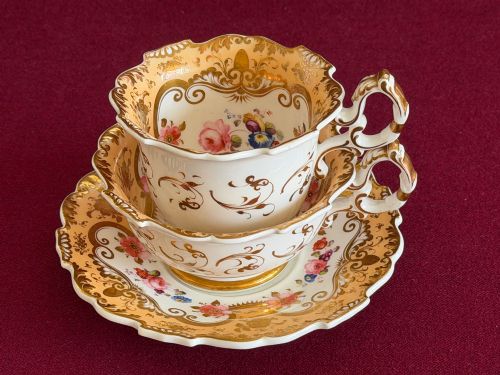
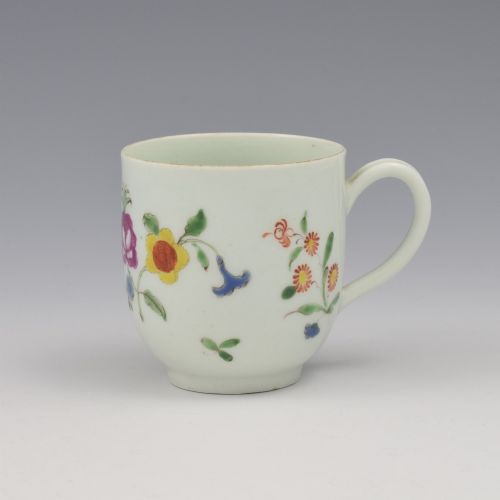
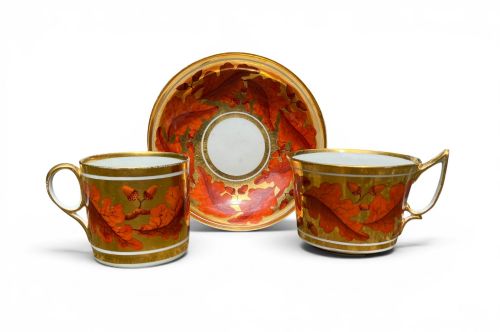
An antique ceramic coffee cup encompasses domestic vessels designed for serving hot coffee, including individual coffee cans, matched trios, and extensive cabinet sets. These pieces span centuries of ceramic production, ranging from eighteenth-century soft-paste porcelain to twentieth-century hand-painted art pottery.
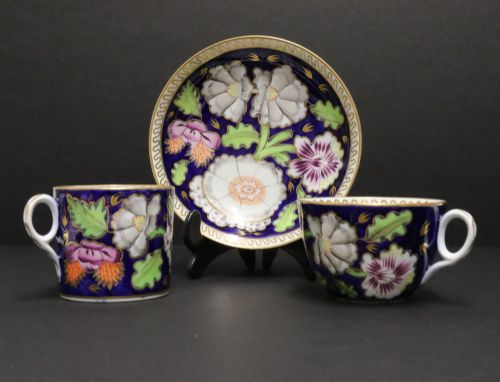
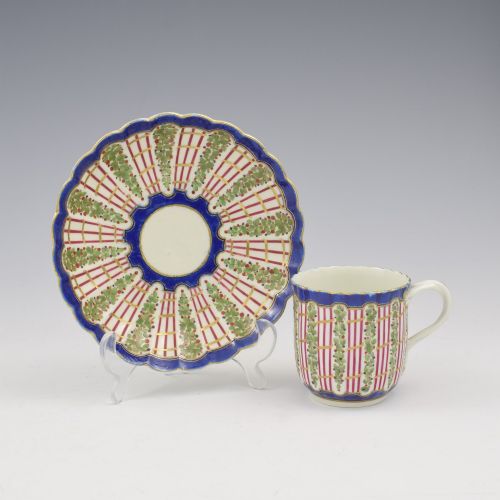
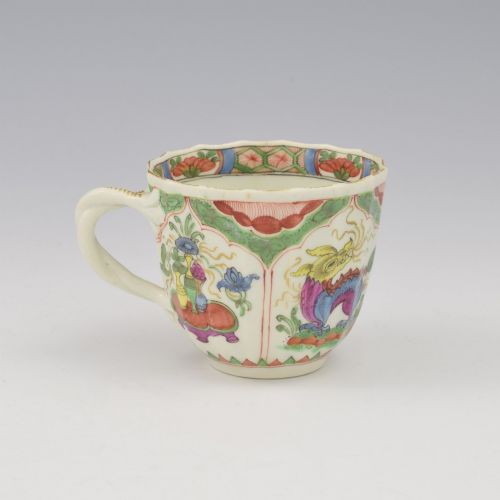
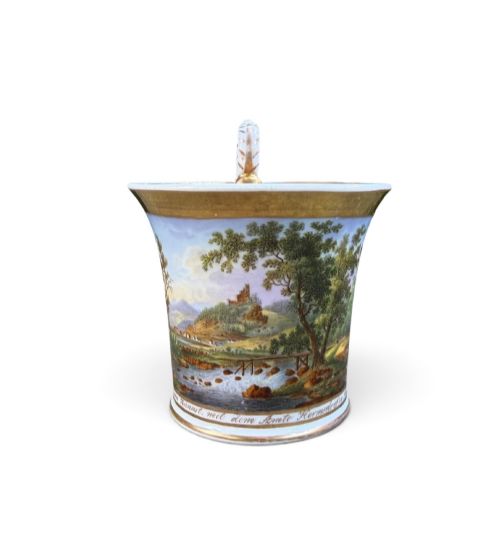
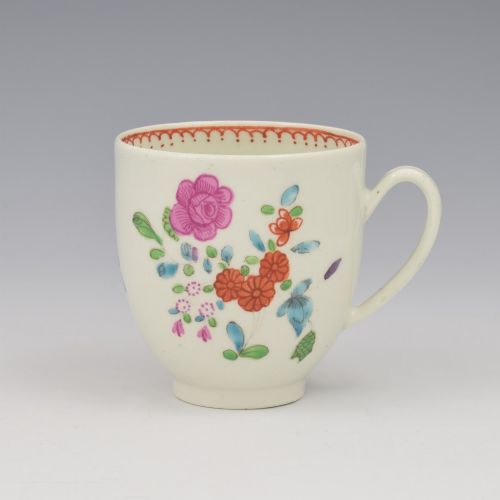
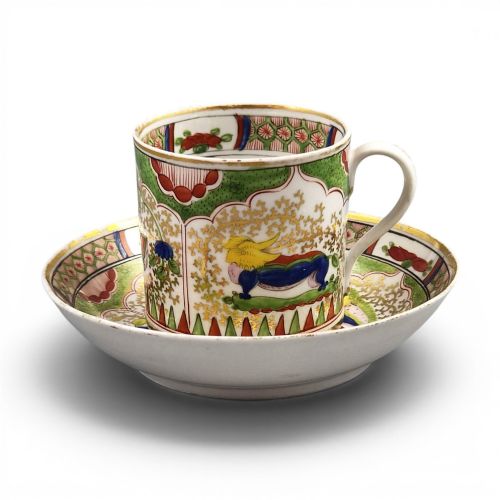
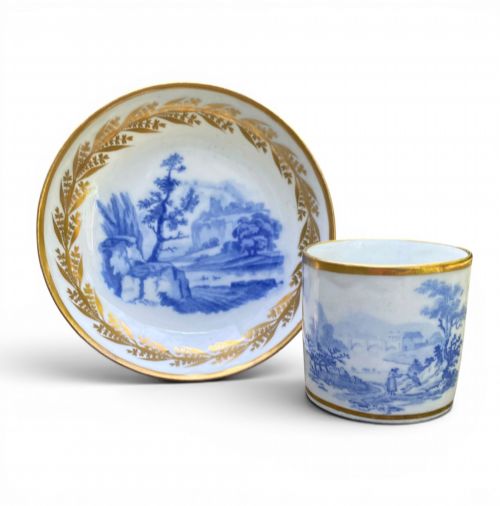
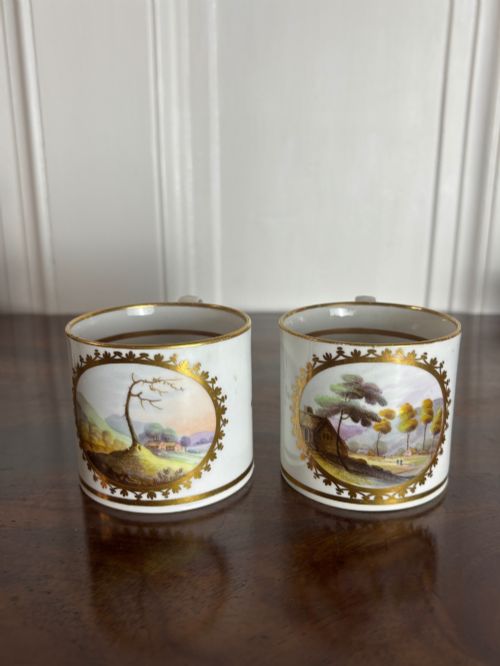
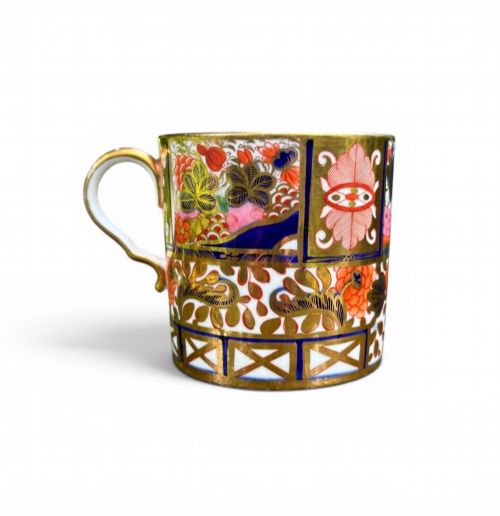
The selections available on this page most frequently include eighteenth-century Worcester porcelain, nineteenth-century cabinet cups, and early twentieth-century art deco sets. Buyers encounter forms decorated with traditional oriental motifs, topographical scenes, and vibrant polychrome florals across various English and continental factories.
Makers represented in these listings include established names such as Worcester, Minton, Spode, Coalport, and New Hall, alongside continental works like KPM Berlin. Each period brings distinct shapes, from straight-sided coffee cans to delicate fluted cups accompanied by matching saucers.
How They Were Made
Makers utilised porcelain, bone china, and soft-paste or hard-paste ceramic bodies moulded or thrown into specific vessel shapes. These bodies were then fired at high temperatures to achieve durability before receiving hand-painted or transfer-printed decoration.
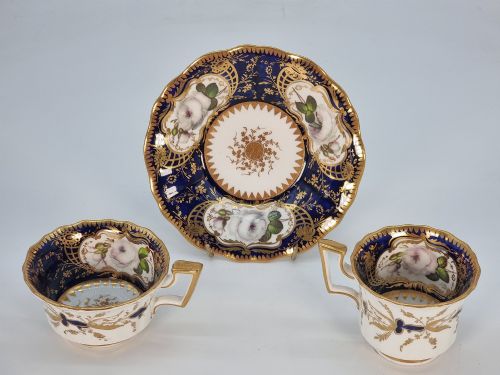
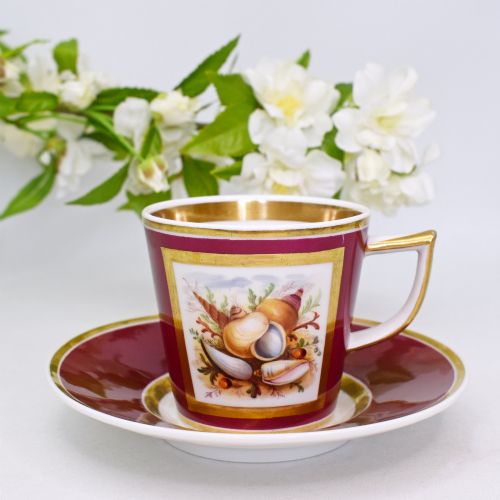
Artisans applied intricate surface details using enamel colours, gilding, and gold leaf. Many pieces incorporate hand-painted pictorial panels, cobalt blue grounds, and delicate metallic highlights fixed by subsequent kiln firings.
Decoration techniques span hand-painted enamels, topographical cabinet scenes, and bold art deco patterns.
What Varies in Quality
Quality in an antique ceramic coffee cup rests upon the precision of the body moulding and the clarity of the ceramic glaze. Early soft-paste bodies often display characteristic pooling or minor surface undulations, whereas later hard-paste porcelain achieves a more uniform finish.
The execution of the painted decoration dictates the distinction between standard production wares and superior cabinet pieces. Superior examples exhibit fine miniature brushwork, stable gilding preservation, and complex multi-coloured enamel schemes executed by named artists or skilled factory decorators.
Richard Chaffers·John Rose·Flight and Barr·Thomas Steel·Clarice Cliff·Royal Worcester
The Antique Ceramic Coffee Cup Glossary
- Coffee Can
- A straight-sided cylindrical cup specifically designed for serving strong black coffee, typically lacking the curved handle shape found on standard teacups.
- Trio
- A matched set consisting of a coffee cup or teacup, a matching saucer, and a corresponding side or cake plate.
- Soft-paste Porcelain
- An early artificial porcelain composition made from white clay and glass frit, fired at lower temperatures than hard-paste porcelain and possessing a warm, slightly creamy glaze.
- Gilding
- The application of gold leaf or gold paint to ceramic surfaces, used to highlight rims, handles, and decorative borders.
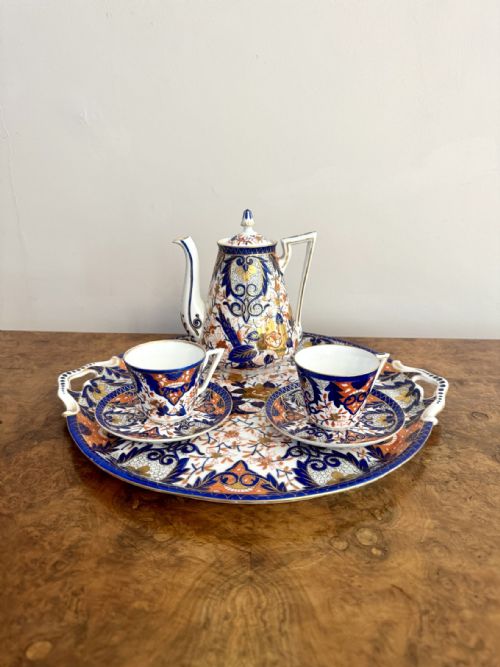
- Imari
- A decorative style inspired by Japanese export wares, featuring a distinctive palette of underglaze cobalt blue, iron red, and abundant gold highlights.
Antique Ceramic Coffee Cup: Frequently Asked Questions
How do I use an antique coffee cup safely?
These delicate antique ceramic pieces require careful handling and hand washing in warm water without abrasive detergents. They are best reserved for special occasions rather than daily mechanical dishwasher use.
Sudden thermal shock should be avoided by warming the vessel gradually before pouring boiling water. Storing them safely away from heavy modern tableware prevents rim chips and handle fractures.
How do I identify eighteenth-century Worcester porcelain?
Early Worcester pieces often display distinct blue underglaze crescent marks, square seal marks, or painted numbers on the base. The paste can exhibit fine underglaze speckling and warm translucency when held to a strong light source.
Decoration styles on these pieces commonly include transfer-printed oriental landscapes, hand-painted floral sprays, and rich cobalt blue grounds known as wet blue.
Can I display these cups in a cabinet?
Displaying these ceramic cups in a dedicated glass cabinet protects them from accidental bumps and dust accumulation. Adequate spacing between pieces prevents friction damage to delicate gilded rims and painted surfaces.
Using specialised plate stands allows saucers to stand securely upright behind their matching cups for optimal visual presentation.