

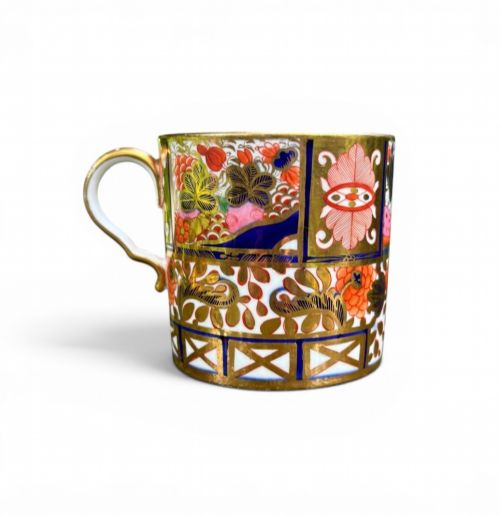


English Porcelain Demitasse
An English porcelain demitasse brings cabinet-worthy small-scale ceramics and intricate hand-painted detail directly to your coffee service.
English Porcelain Demitasse
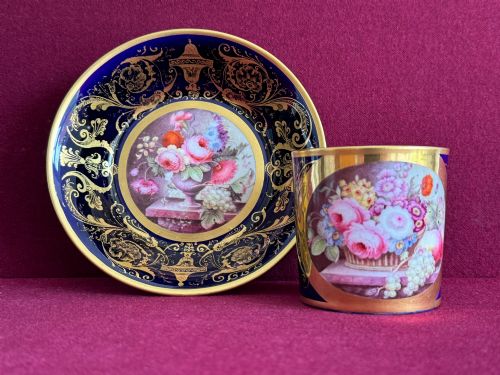
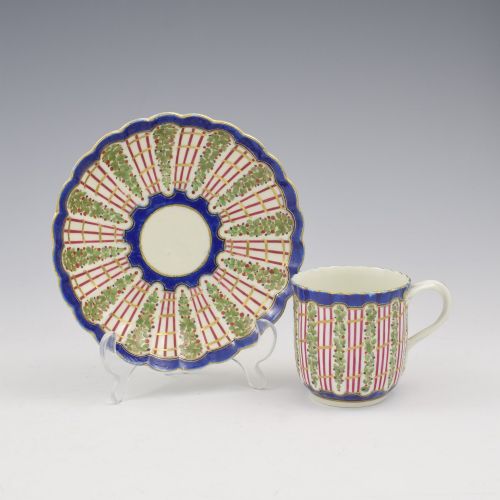
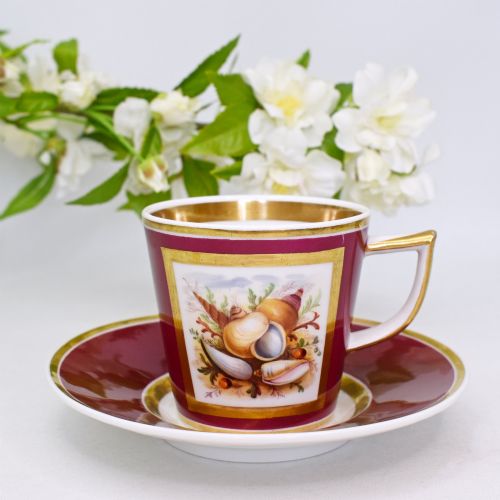
An english porcelain demitasse sits at the smaller end of the teaware scale, designed specifically for serving strong black coffee rather than morning tea. When you search for this phrase, you meet miniature cups, saucers, and cylindrical coffee cans spanning the eighteenth century through to the mid-twentieth century.
The pieces on this page range from First Period Worcester and Georgian cabinet cups to later twentieth-century Royal Worcester sets. Forms vary from traditional footed coffee cups to straight-sided coffee cans paired with shallow saucers.
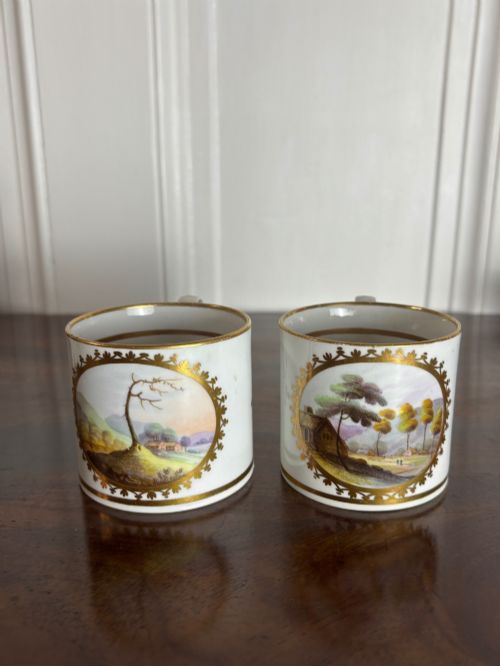
Earlier examples reflect the Georgian and Regency periods with hand-painted landscapes and Imari palettes, while Victorian and later twentieth-century items show changing domestic tastes. Collectors encounter both individual cabinet specimens and matched sets suited for actual use.
Materials and manufacture
Potters constructed these small vessels using porcelain, soft-paste porcelain, and bone china body pastes shaped by hand or thrown on a wheel. Makers then fired the bodies before applying complex overglaze enamels and underglaze pigments.
Decoration relied heavily on skilled brushwork, incorporating paint, enamel, gold leaf, and gilding to highlight delicate motifs. Specialised artists painted landscape panels, botanical subjects, and orientalist patterns directly onto the glazed ceramic surface.
English Porcelain Demitasse Retail Price Guide 2026
Typical asking prices for english porcelain demitasse among the pieces listed under this phrase on Sellingantiques today, from the lower quarter to the upper quarter. They describe what is for sale here now, not the wider market.
Early porcelain makers occasionally painted tiny hidden insects inside the cups just to surprise whoever finished the coffee.
Assessing quality and execution
The standard of an english porcelain demitasse depends primarily on the crispness of the porcelain body and the refinement of the painted decoration. Hand-painted landscape scenes or named artist contributions elevate a piece far above standard factory transfer-printed wares.
Gilding execution also marks the division between ordinary production and top-tier cabinet pieces. Heavy, burnished gold leaf applied by hand retains its lustre and detail better than thin, flat gold gilt washes.
Dr Wall Worcester·Rockingham·Minton·Spode·Royal Worcester·Coalport·Ridgeway
The English Porcelain Demitasse Glossary
- Demitasse
- A small cup used for serving black coffee after a meal. The term translates literally from French as half-cup.
- Coffee Can
- A small, straight-sided cylindrical cup without a traditional footring, popular during the late eighteenth and early nineteenth centuries. These vessels held concentrated coffee.
- Soft-Paste Porcelain
- An artificial porcelain body composed of clay, glass frit, and white sand, fired at lower temperatures than hard paste. It creates a warm, creamy translucent glaze characteristic of early English factories.
- Imari
- A decorative style inspired by Japanese export porcelain featuring deep cobalt blue, iron red, and abundant gilding. English factories adapted this colourful aesthetic extensively during the Georgian era.
- Gilding
- The application of gold leaf or gold powder to the ceramic surface for decorative borders and handles. Artisans burnished the dried gold to achieve a bright metallic shine.
English Porcelain Demitasse: Frequently Asked Questions
What is a demitasse?
A demitasse is a small cup designed specifically for serving concentrated black coffee. These vessels hold less liquid than a standard teacup.
In historical contexts, they formed part of grand after-dinner coffee services and often featured delicate cabinet-grade decoration.
How do I date an antique demitasse?
Dating relies on examining the factory mark, the shape of the handle, and the ceramic body paste. Soft-paste porcelain and unhandled coffee cans typically point towards the eighteenth or early nineteenth century.
Later twentieth-century pieces display different factory stamps and brighter, more uniform enamel colours associated with modern production.
Can I use these cups for drinking?
Many antique cups remain structurally sound enough for gentle use, though collectors often treat them as cabinet displays. Hand washing is essential to protect fragile overglaze enamels and historic gold leaf.
Very early soft-paste porcelain pieces are particularly vulnerable to thermal shock and are best reserved for display.