



Antique Ceramic Cherub Bowl
An antique ceramic cherub bowl brings sculptural romance and nineteenth-century table theatre straight to a modern room.
Antique Ceramic Cherub Bowl
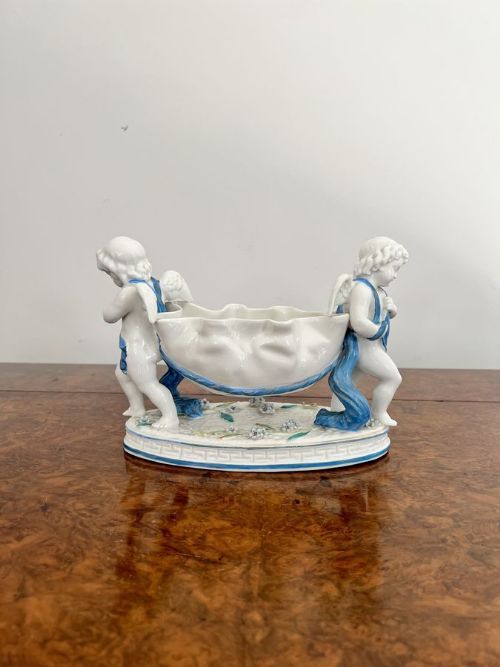
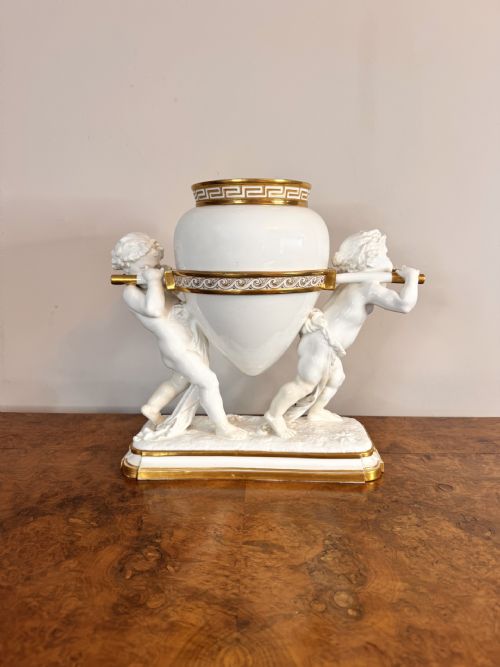
The antique ceramic cherub bowl covers elaborate table furnishings, decorative baskets, and comports shaped around winged figures, putti, and cupids. These sculptural vessels emerge primarily from Victorian and Edwardian production, spanning the mid-nineteenth century into the early twentieth century.
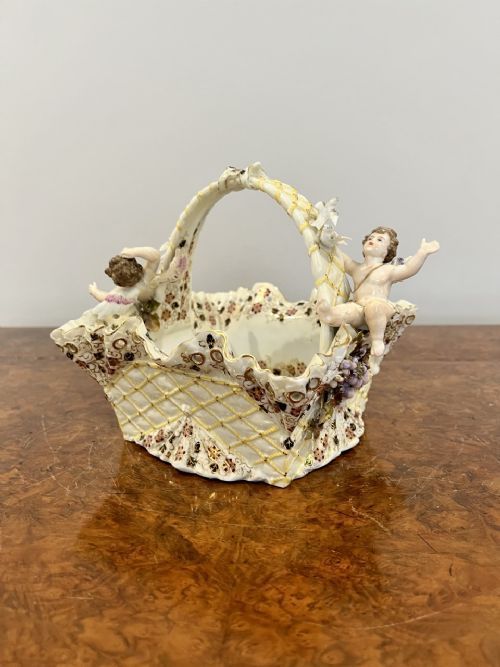
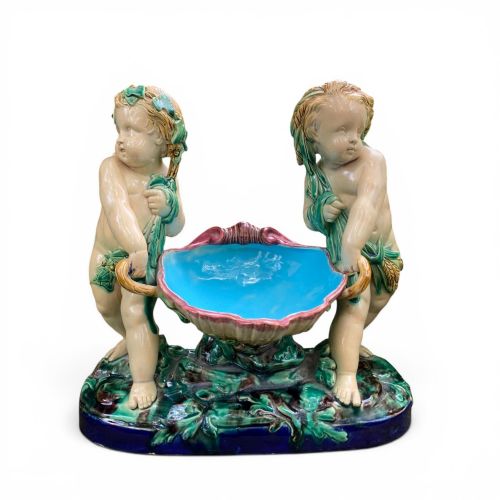
Most examples found here take the form of large centrepieces, sweetmeat dishes, and fruit bowls where figures of cherubs support shells, baskets, or tazze. Continental European factories and English potteries dominate these designs, employing styles derived from Rococo Revival and Victorian Neoclassical movements.
Buyers encounter substantial German porcelain creations alongside English earthenware and majolica pieces. The physical presence ranges from intimate sweetmeat figures to large musical putti centrepieces designed to anchor a formal dining table.
How they were made
Potters utilised porcelain and earthenware as the primary ceramic bodies, shaping them through detailed mould-work and hand-modelling. Skilled artisans applied intricate decorative elements separately, including applied roses, fruit, and individual winged figures before the initial firing.
Coloured glazes, enamel decoration, and occasional gold leaf accents were added to highlight facial expressions, drapery, and floral motifs. Majolica techniques brought vibrant opaque coloured lead glazes to English pieces, while continental workshops focused on delicate polychrome enamels over porcelain.
Antique Ceramic Cherub Bowl Retail Price Guide 2026
Typical asking prices for ceramic cherub bowl among the pieces listed under this phrase on Sellingantiques today, from the lower quarter to the upper quarter. They describe what is for sale here now, not the wider market.
Listings span the Victorian and Edwardian eras, featuring porcelain and earthenware formed into comports, majolica baskets, and figurative centrepieces.
What varies in quality
Glazing application and enamel work also separate ordinary vessels from masterworks. Quality shows in the subtlety of the painted palette, the integration of gold leaf, and the structural balance of complex multi-figure centrepieces.
Minton·Schierholz·Volkstedt·Dresden
The Antique Ceramic Cherub Bowl Glossary
- Putti
- Plural of putto, representing plump, wingless or winged infant boys often seen in classical art. These figures appear frequently climbing over bowls and supporting fruit baskets.
- Majolica
- A type of earthenware coated with an opaque tin glaze and painted with metallic oxide colours. English potteries utilised this technique to produce richly hued centrepieces.
- Comport
- A tall-standing dish or bowl raised on a stem and foot, used historically for serving fruit or sweets. They form a significant category among these figurative ceramic vessels.
- Sweetmeat dish
- A small vessel designed for holding delicate confections, nuts, or dried fruits during formal dining. Figures of cherubs often embrace or steady these smaller receptacles.
- Tazza
- An Italian term for a shallow saucer-like dish mounted on a stem and foot. In these collections, tazzas feature figural supports and elaborate basketweave borders.
Antique Ceramic Cherub Bowl: Frequently Asked Questions
What is an antique ceramic cherub bowl?
An antique ceramic cherub bowl is a decorative nineteenth or early twentieth-century vessel featuring sculpted infant figures or putti. Makers designed these pieces as elaborate centrepieces, fruit holders, and sweetmeat dishes for formal dining tables.
They combine functional vessels with sculptural porcelain or earthenware artistry, incorporating styles from the Rococo Revival and Victorian periods.
How were these centrepieces used?
These pieces served as ornamental centrepieces on dining tables during the Victorian and Edwardian eras. Hosts used them to display fresh fruit, sweetmeats, or decorative flowers during formal meals.
Today, collectors place them on sideboards or mantelpieces as standalone decorative art objects that showcase nineteenth-century ceramic craftsmanship.
How do I identify German porcelain pieces?
German porcelain centrepieces from factories such as Schierholz or Dresden often feature distinct applied elements like roses and musical putti. They frequently date from the late nineteenth to the early twentieth century.
Look for detailed hand-modelling, continental porcelain bodies, and specific factory styles characteristic of German workshops operating around nineteen hundred.
What distinguishes majolica cherub bowls?
Majolica pieces employ earthenware bodies covered in colourful, opaque lead glazes rather than traditional porcelain finishes. English potteries like Minton produced notable majolica centrepieces with vibrant tones and Bacchanalian cupids.
These items present a heavier physical weight and a glossier, richly coloured surface compared to standard white porcelain vessels.
How do I care for antique porcelain?
Care for antique porcelain by dusting gently with a soft, dry brush to protect delicate applied elements like fingers and flower petals. Avoid submerging pieces in water, particularly those with gold leaf or enamel details.
Display them on stable, level surfaces away from direct sunlight and heavy foot traffic to safeguard the protruding sculptural figures.