
Antique Central Asian Embroidery
These antique central asian embroidery pieces bring rich textiles into modern interiors through bold motifs and vibrant needlework.
Antique Central Asian Embroidery
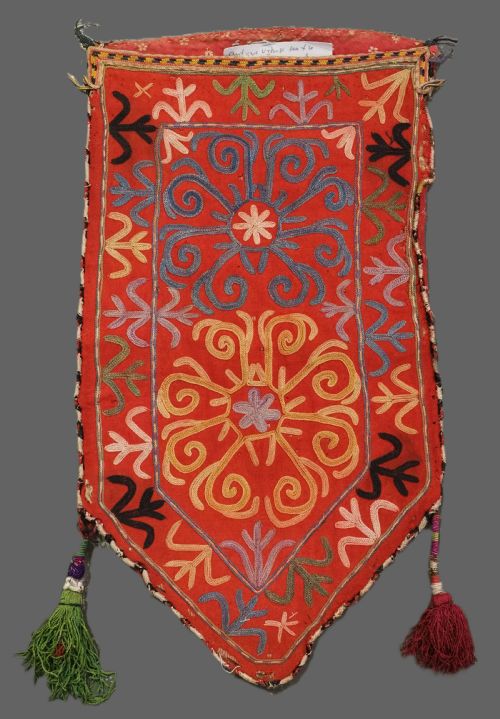
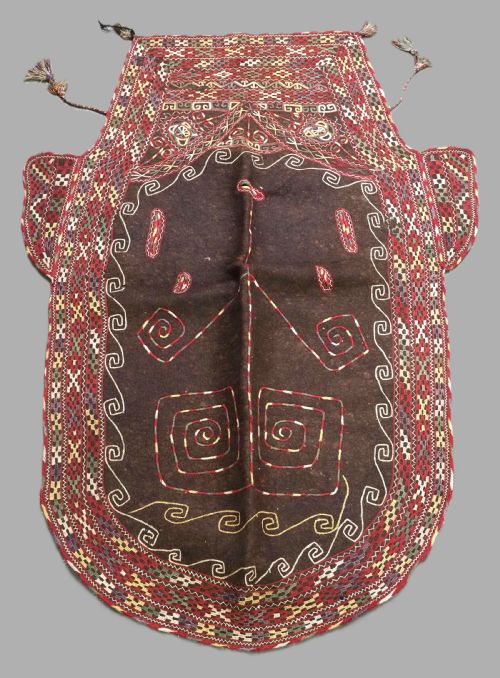
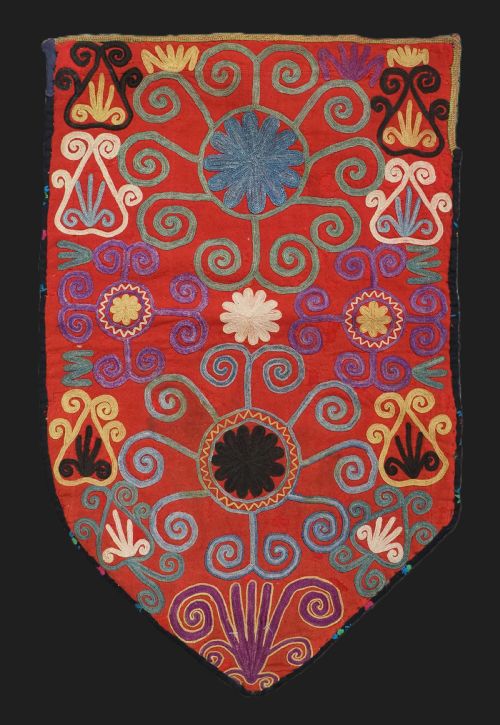
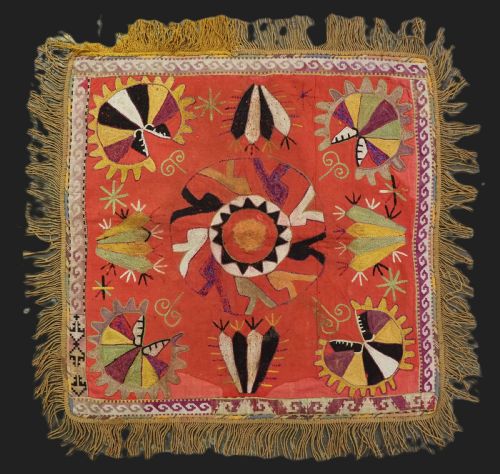
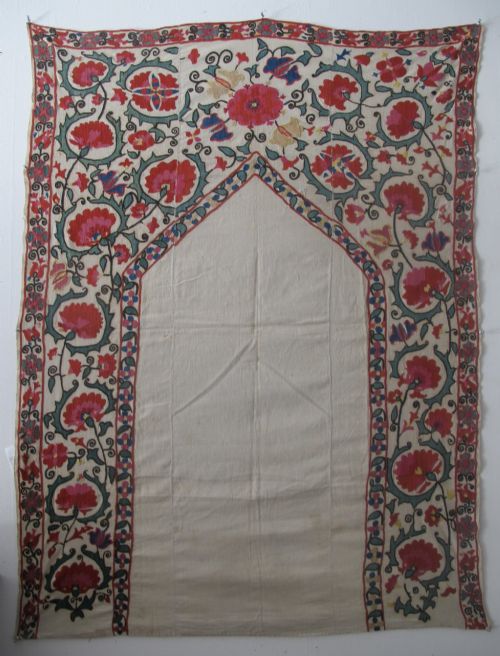
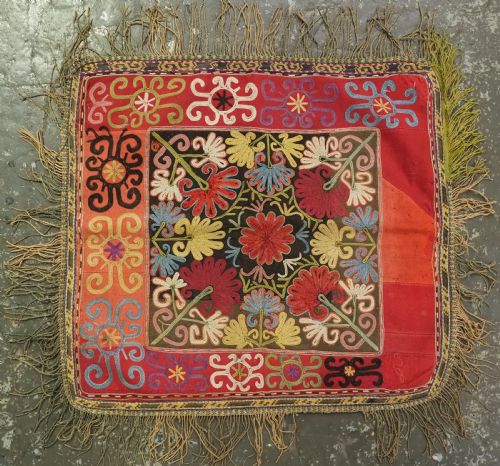
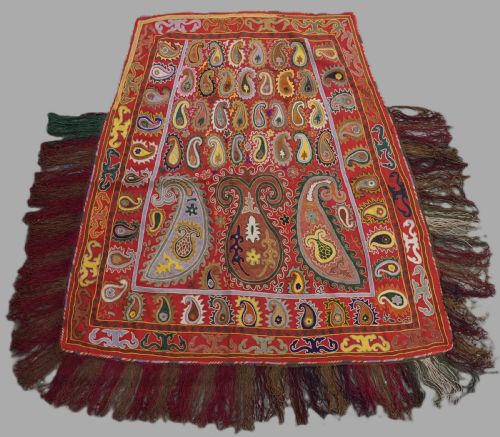
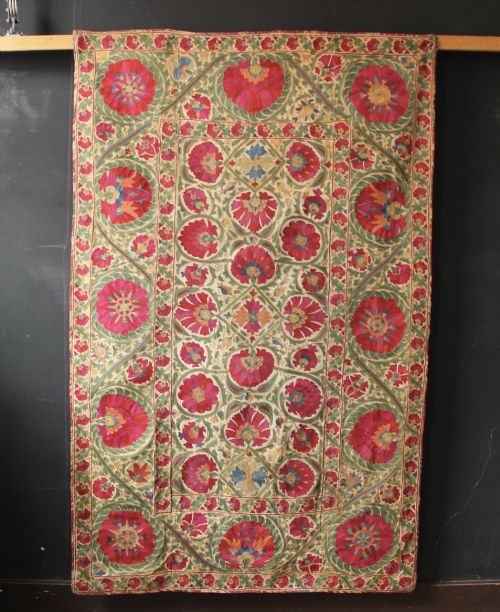
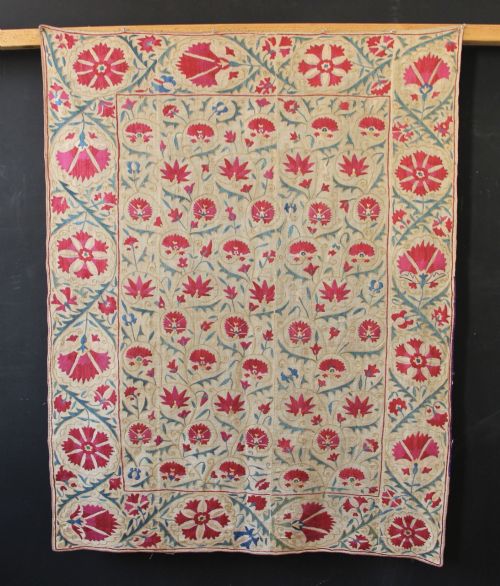
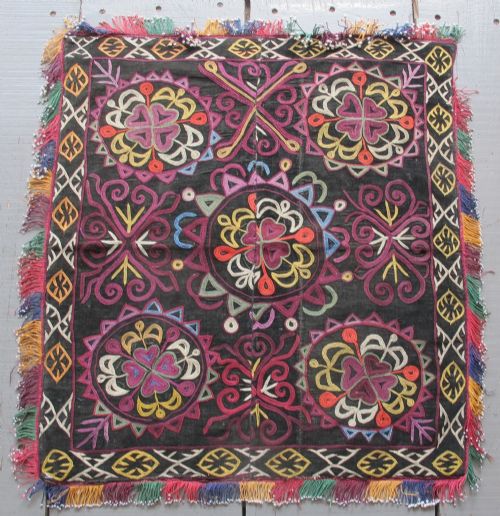
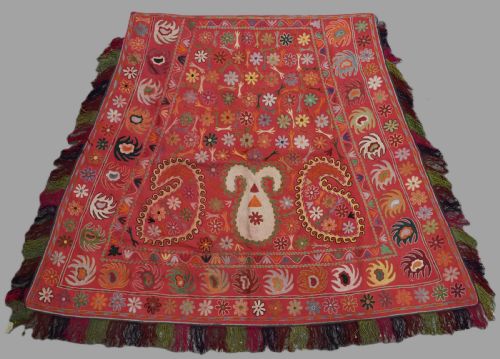
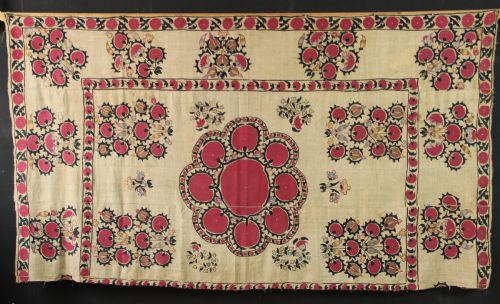
Antique central asian embroidery encompasses remarkable textiles originating from regions including Uzbekistan and Kyrgyzstan. Buyers frequently encounter wall hangings, suzanis, and horse covers created by nomadic and tribal groups across the nineteenth and early twentieth centuries.
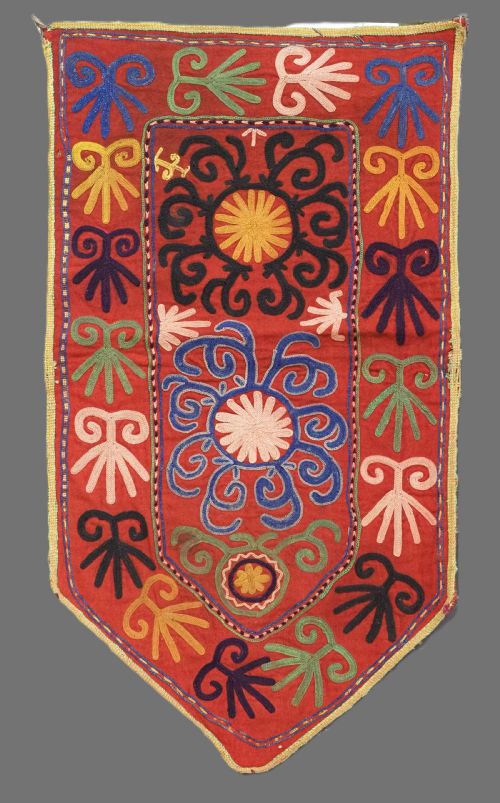
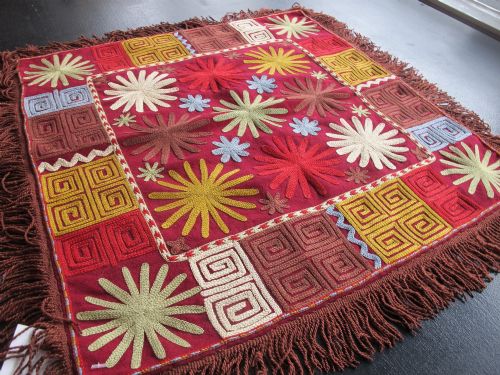
The selection ranges from large architectural suzanis and prayer formats to compact dowry embroideries likeilgich and yurt wall hangings. These items functioned as practical furnishings, ceremonial objects, and household decorations within traditional pastoral communities.
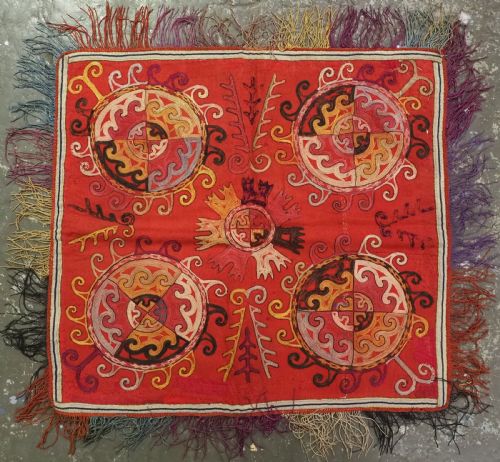
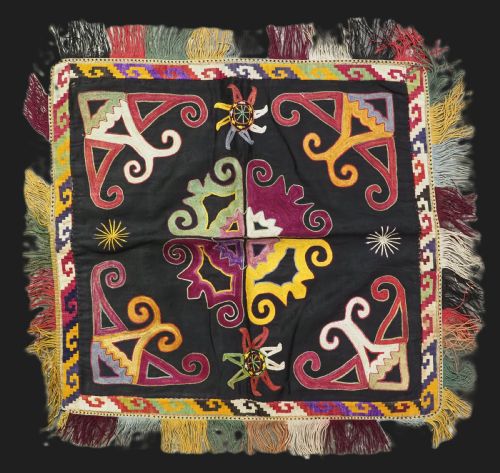
Uzbek traditional and Lakai tribal pieces dominate the available forms, often showcasing intricate floral or geometric compositions. Each textile reflects the distinct cultural heritage and domestic artistry of Central Asian makers from periods spanning eighteen-fifty to nineteen-twenty.
How they were made
Artisans constructed these works primarily using natural grounds of cotton and wool, upon which they applied dense hand-stitched embroidery. Silk thread provided the lustrous palette necessary for the elaborate patterns seen across suzanis and yurt wall hangings.
Techniques relied on sustained needlework executed by hand, utilising supplementary threads to build up saturated fields of colour. Makers combined sturdy woven backings with fine silk embroidery to ensure both decorative impact and functional durability.
Antique Central Asian Embroidery Retail Price Guide 2026
Typical asking prices for central asian embroidery among the pieces listed under this phrase on Sellingantiques today, from the lower quarter to the upper quarter. They describe what is for sale here now, not the wider market.
Materials recorded in this group include cotton, wool, silk, and silk thread across various regional styles.
What varies in quality
Quality rests upon the fineness of the needlework, the complexity of the design layout, and the preservation of the original ground material. Pieces displaying balanced proportions and intricate detailing separate themselves from simpler utilitarian examples.
The integrity of the silk threadwork and the vibrancy of the remaining dyes significantly influence the visual strength of a textile. Superior specimens retain their structural stability across the cotton or wool foundation alongside crisp execution of traditional motifs.
The Antique Central Asian Embroidery Glossary
- Suzani
- A large embroidered tribal hanging from Central Asia, traditionally worked in silk on a cotton or linen ground by brides as part of their dowry.
- Ilgich
- A specific type of Central Asian embroidery used traditionally as a wall hanging or domestic furnishing within nomadic households.
- Uut kap
- A decorative storage bag or hanging panel associated with nomadic yurt interiors, often worked in silk thread on a wool ground.
- Lakai
- A distinct tribal group within Central Asia known for dynamic, asymmetrical embroidered horse covers and small utilitarian trappings.
Antique Central Asian Embroidery: Frequently Asked Questions
How were these embroideries used?
Nomadic and village communities utilised these textiles primarily as domestic furnishings, dowry items, and ceremonial wall decorations within yurts and houses.
Specific pieces served as horse covers, marriage hangings, or protective architectural wall panels rather than flat pictures meant solely for display.
How do I hang a textile safely?
Mounting requires a conservation-grade approach that distributes the weight evenly across the entire upper edge of the fabric.
Specialists often attach a fabric sleeve or use Velcro stitching to a padded backing board, avoiding direct piercing by pins or nails.
What materials make up these pieces?
Surviving examples typically combine a woven ground of cotton or wool with hand-spun silk thread embroidery.
Grounds range from natural undyed cottons to vibrant red wool foundations, decorated entirely with dyed protein fibres.
How can I tell regions apart?
Stylistic variations in motif and construction point toward specific groups, such as Kyrgyz yurt decorations or Uzbek suzanis.
Lakai tribal pieces often display distinct geometric asymmetry and bold colour blocking compared to standard floral suzanis.
How do I care for antique silk?
Preservation demands protection from direct sunlight, excessive humidity, and handling that strains aged natural fibres.
Gentle vacuuming through a mesh screen helps remove surface dust without disturbing delicate silk embroidery threads.