
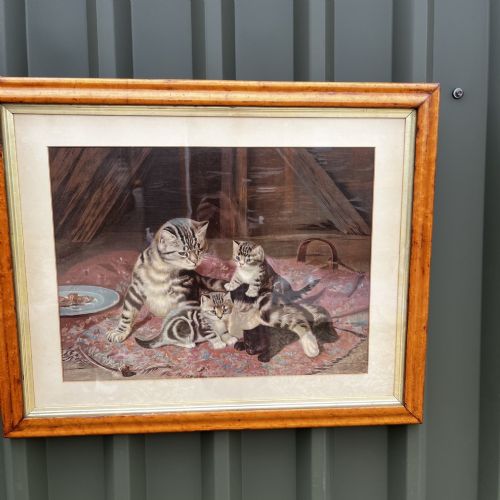


Antique Cat Artwork
These antique cat artwork pieces capture domestic felines and big cats through centuries of oil paintings, prints, and drawings.
Antique Cat Artwork
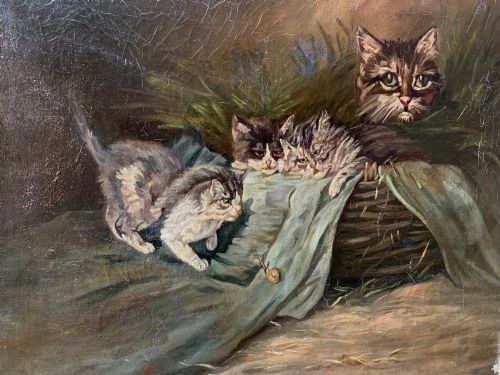
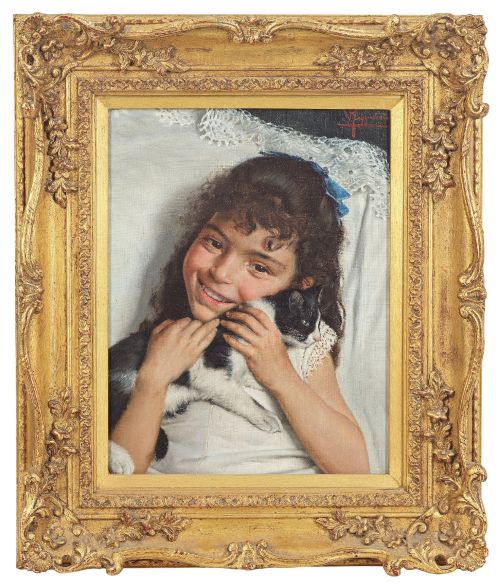
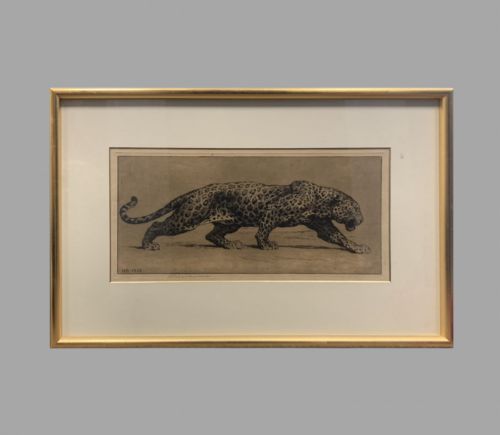
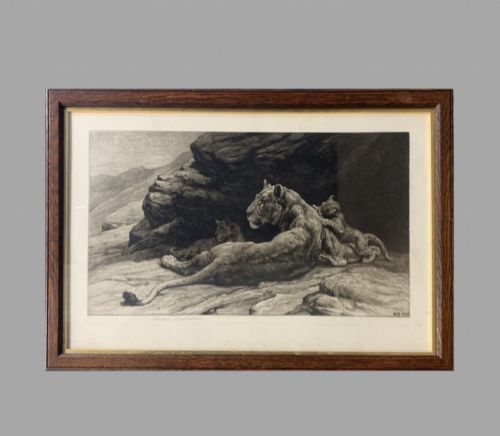
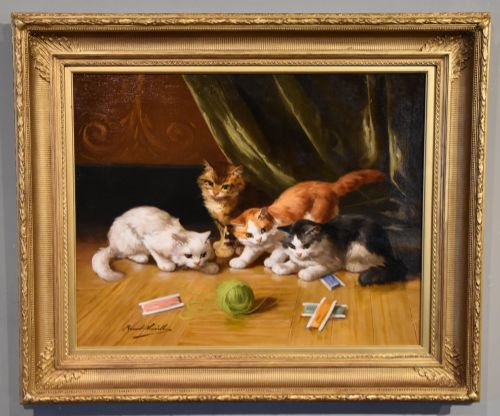
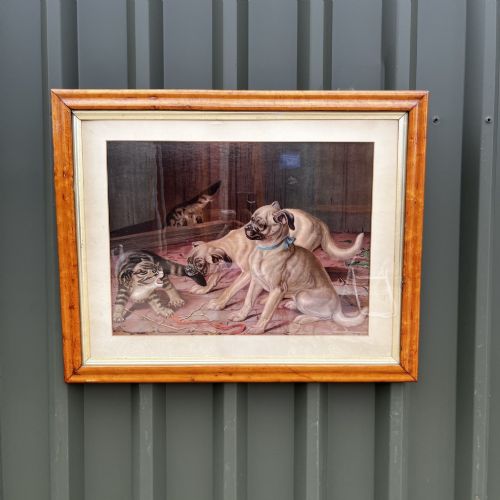
When searching for antique cat artwork, buyers encounter a diverse range of depictions extending from domestic kittens at play to powerful wild cats rendered by notable painters and printmakers. The selection spans the nineteenth century through the mid-twentieth century, capturing the feline form in oil on canvas, oil on panel, board, ink, pastel, and pencil.
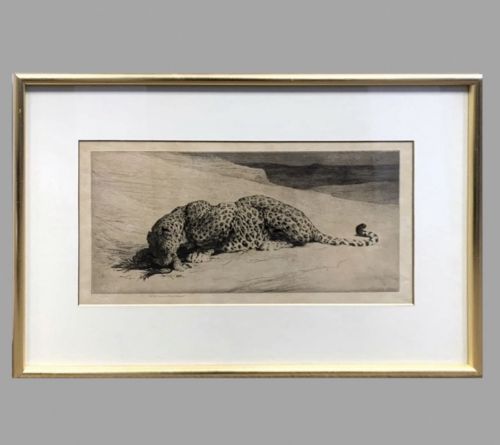
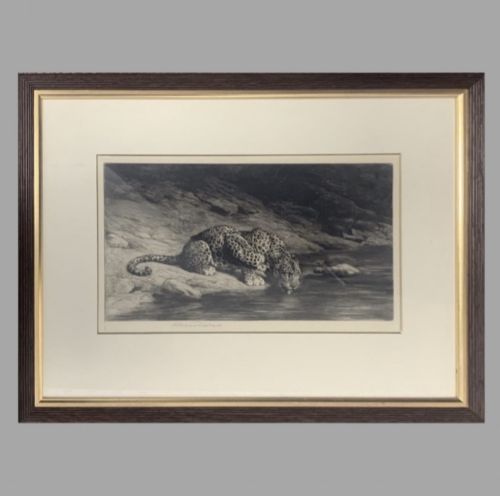
Domestic subjects frequently showcase playful kittens and prize pets attributed to Victorian and Edwardian artists, while larger felid species appear in detailed etchings and oil paintings. The offerings incorporate British and continental schools alongside Japanese and Chinese glass paintings, presenting varied regional interpretations of the subject.
Materials and methods
Makers utilised traditional canvas, panel, paper, and vellum as surfaces for oil paint, water-based media, ink, and pencil. Etchings and chromolithographs provide printed editions that capture fine line work and tonal variation.
Framing often involves period wood and giltwood surrounds that complement the fine art execution of the paintings and signed artist proof prints.
Listings feature works spanning the 19th century, Victorian period, Edwardian era, and mid-20th century.
Judging quality in feline pieces
Quality rests in the draughtsmanship and the artist's ability to render feline anatomy, texture, and expression accurately. Works signed by established painters or produced as limited artist proofs carry distinct provenance that elevates the piece.
The preservation of the original surface, whether delicate ink lines, pastel pigments, or oil layers, determines the visual strength and integrity of the artwork.
Herbert Dicksee·Alfred Arthur Brunel de Neuville·Horatio Henry Couldrey·Louis Wain·Agnes Augusta Talboys·Cuthbert Edmund Swan
The Antique Cat Artwork Glossary
- Artist proof
- A trial print pulled to allow the printmaker to check the state of the plate before the main edition is printed. These carry particular weight with collectors.
- Chromolithography
- A colour lithographic printing technique using multiple stones or plates. It produces vibrant multi-coloured reproductions of original paintings.
- Etching
- A printmaking method where acid cuts into unprotected parts of a metal plate to hold ink. It creates fine, detailed lines.
- Vellum
- A fine parchment prepared from calfskin. It offers a smooth, durable surface prized for delicate etching impressions.
- Oil on panel
- A painting executed on a wooden board rather than stretched canvas. This provides a rigid and stable support for the pigments.
Antique Cat Artwork: Frequently Asked Questions
How do I date an antique cat painting?
Dating relies upon stylistic markers, costume details in accompanying figures, and framing materials. Signatures and period documentation further anchor the piece in its era.
Material analysis of the canvas, board, or paper provides additional chronological context for the artwork.
Were these pieces always framed?
Works on paper, etchings, and drawings often entered collections unframed before later mounting and framing by galleries or owners. Oil paintings on canvas or panel typically retained contemporary frames.
Re-framing remains common to protect vulnerable edges and suit domestic interiors.
What is the difference between an etching and a painting?
Paintings are unique hand-painted works executed directly onto canvas, panel, or glass using pigments. Etchings are printed impressions pulled from a metal plate bearing engraved lines.
Print runs allow multiple copies, whereas original oils exist as singular creations.
How should I care for paper art?
Paper and vellum works require protection from direct sunlight to prevent fading of inks and watercolours. Acid-free mounting preserves the integrity of the sheet over time.
Maintaining stable humidity levels prevents warping and deterioration of the support.