
Antique Castor Leg Table
When you handle an antique castor leg table, you hold a piece designed to move easily across the floor for dining, writing or tea.
Antique Castor Leg Table
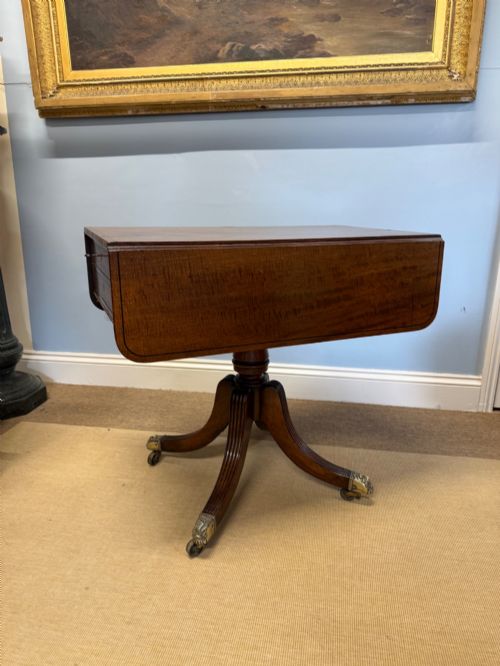
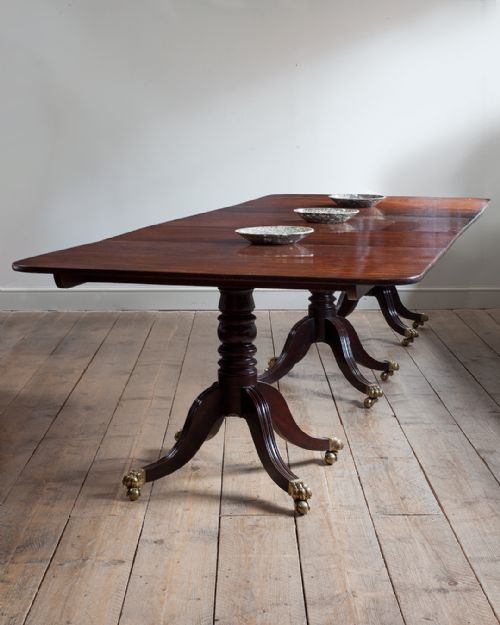
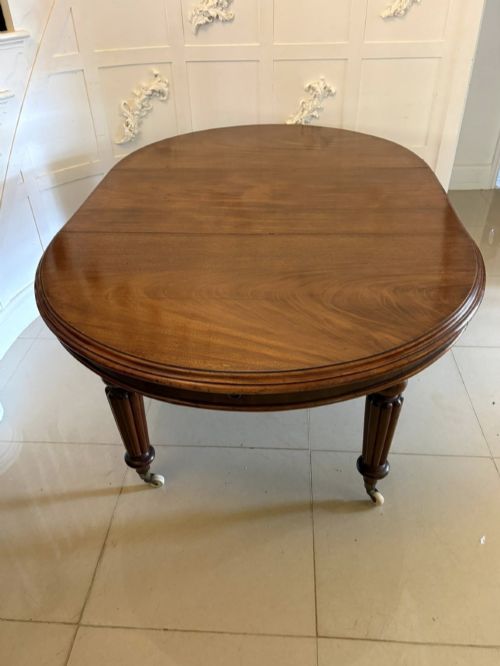
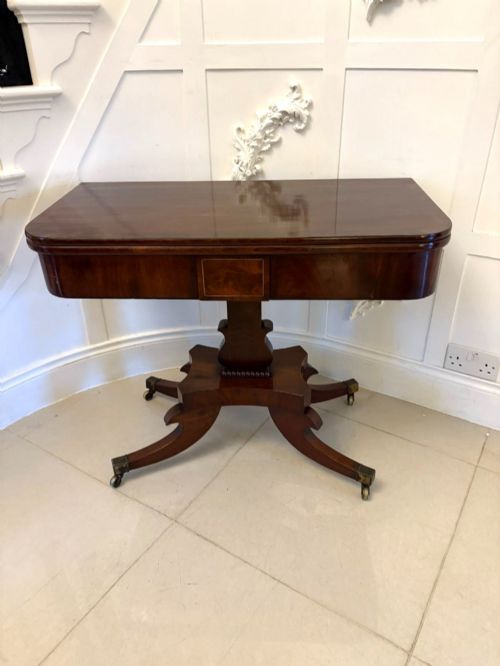
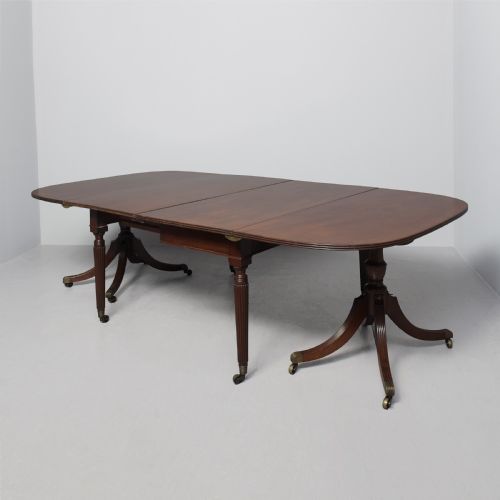
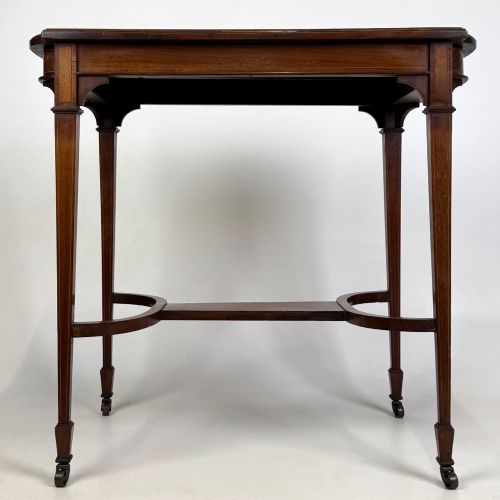
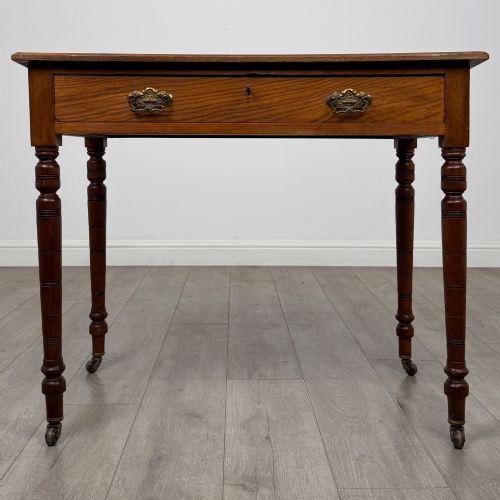
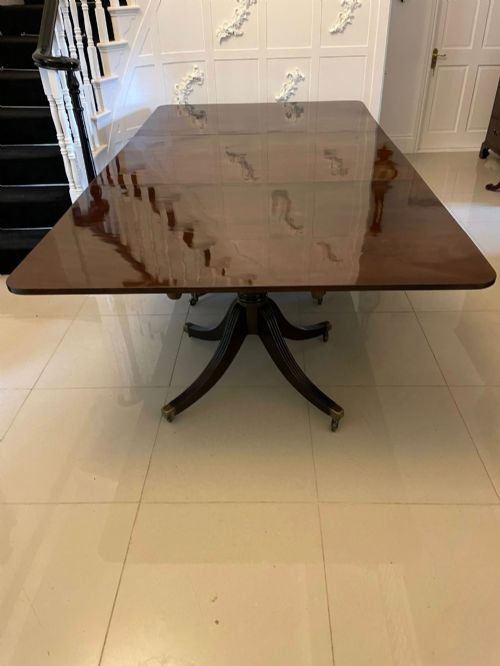
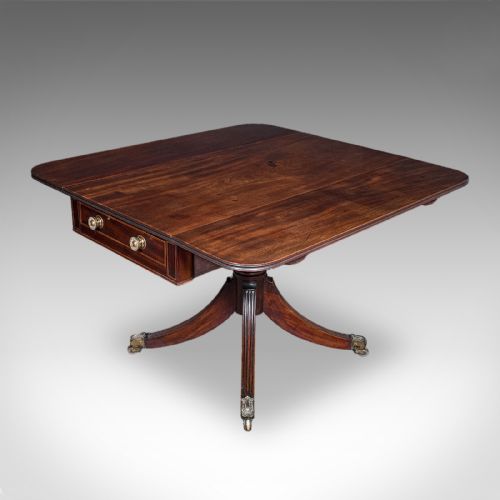
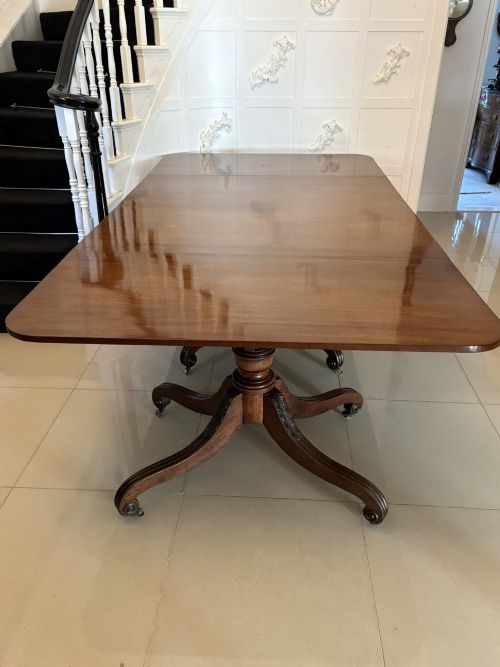
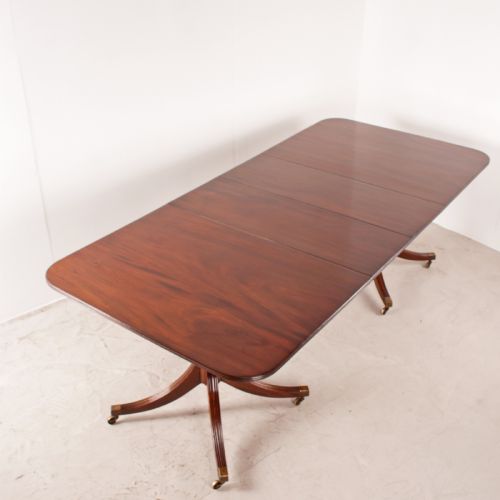
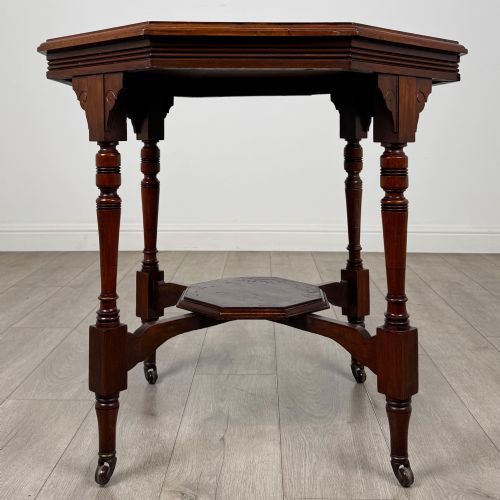
An antique castor leg table encompasses forms ranging from grand multi-pedestal dining tables and Pembroke tables to compact writing desks and side tables. Buyers seeking this phrase most frequently encounter 19th-century mahogany dining and Pembroke tables set upon small brass or ceramic wheels. These pieces originate across Georgian, Regency and Victorian periods, reflecting a sustained demand for practical domestic furniture.
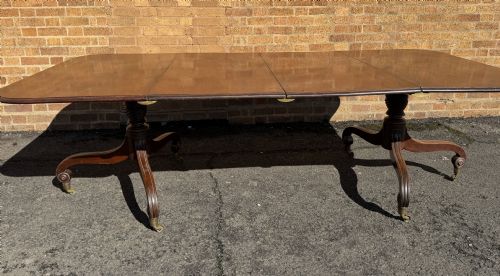
Dining variations often feature twin or triple pedestals with extending leaves, while smaller occasional and Pembroke forms provide drop leaves or drawer space. The presence of castors indicates that these tables were meant to be repositioned within a room as daily activities required. The selection spans formal dining furniture to intimate side tables, all sharing the defining attribute of mobility at the base.
Materials and construction methods
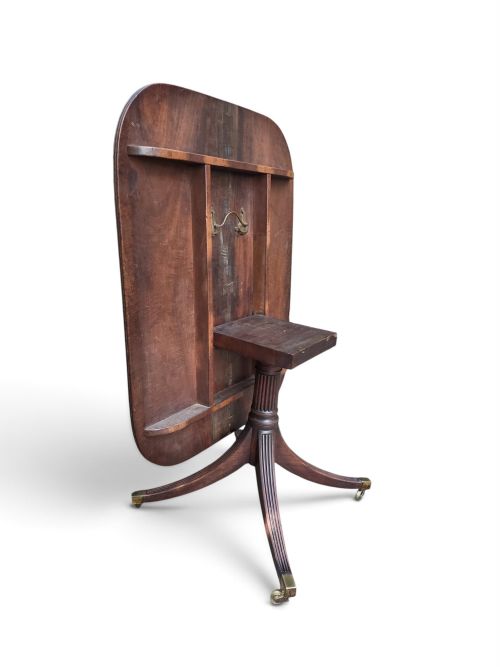
Makers relied heavily on solid and veneered mahogany, alongside rosewood, walnut and oak, shaping timbers chosen for rich grain patterns and structural resilience. Cabinetmakers employed techniques such as drop leaves, tilt-top mechanisms and wind-out extension screws to add versatility to dining and Pembroke tables. Boxwood inlay appears on select surfaces, adding linear contrast to darker primary woods.
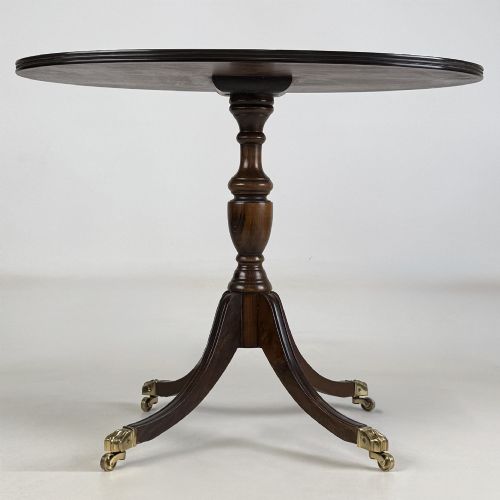
The characteristic castors at the foot of each leg typically combine cast brass mountings with ceramic or metal roller wheels, fixed securely to the timber feet. These functional elements allowed heavy tables to glide across carpets and wooden floors without damaging the surface. Joinery standards of the Georgian and Victorian eras ensured that pedestals and legs remained stable despite the stress of moving.
Object types span large multi-pedestal dining tables, Pembroke drop-leaf tables, writing desks and small side tables.
Distinguishing quality in construction and design
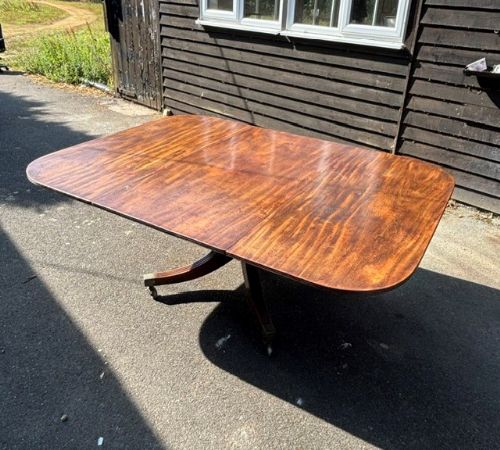
Superior examples display finely figured mahogany timber with consistent grain matching across table leaves and drop-leaf flaps. The sophistication of the pillar turnings, pedestal bases and any boxwood stringing distinguishes workshop output from standard commercial production. Fine brass castor mounts fitted flush to the timber reflect thoughtful craftsmanship rather than utilitarian assembly.
Structural integrity of extension mechanisms and pedestal joints separates finer dining tables from lesser pieces. Smooth operation of wind-out screws, stable drop-leaf hinges and well-fitted extension leaves demonstrate the longevity built into higher-tier pieces. The weight and proportion of the timber frame relative to the castor attachments govern the balance of the table.
Gillows of Lancaster·Thomas Butler of London·Gregory & Co
The Antique Castor Leg Table Glossary
- Castor
- A small wheel fitted to the foot of a table leg to permit smooth rolling movement across the floor. They are commonly made of brass and ceramic.
- Pembroke table
- A small rectangular table featuring two hinged drop leaves on opposing sides. It often includes one or two small drawers.
- Wind-out table
- An extending dining table operated via a mechanical winder handle that separates the top to insert additional leaves. This system gained popularity during the Victorian era.
- Pedestal table
- A table supported by one or more central pillars rising from a stable base rather than four corner legs. They offer increased legroom for diners.
Antique Castor Leg Table: Frequently Asked Questions
How do I use an extending dining table?
Extending tables utilise internal runners or a wind-out mechanism operated by a handle. Turning the handle separates the table halves to accommodate removable leaves.
Once the leaves are inserted, the mechanism closes tight to secure the surface for dining. This design allows the table to adjust in size for daily use or larger gatherings.
What is a Pembroke table used for?
A Pembroke table functions as a versatile surface for writing, breakfast or bedside placement. The drop leaves drop down to save space against a wall.
Raising the leaves supported by hinged brackets creates a larger workspace. Small drawers often provide storage for writing materials or household items.
How do I distinguish Regency from Victorian tables?
Regency tables, produced in the early nineteenth century, favour clean neoclassical lines and dark figured mahogany. They often display restrained brass inlays and elegant pillar supports.
Victorian tables, dating from the mid-nineteenth century onward, tend to be heavier in scale with bolder carved details. They frequently incorporate mechanical wind-out systems for extending leaves.
Are castor legs original to these tables?
Castors on Georgian and Victorian tables were standard fittings designed to protect floors and ease movement. Original castors match the period brasswork and timber wear of the legs.
Replacement castors do occur due to centuries of floor friction and movement. Inspecting the brass patination helps determine whether the fittings have remained with the table since manufacture.