
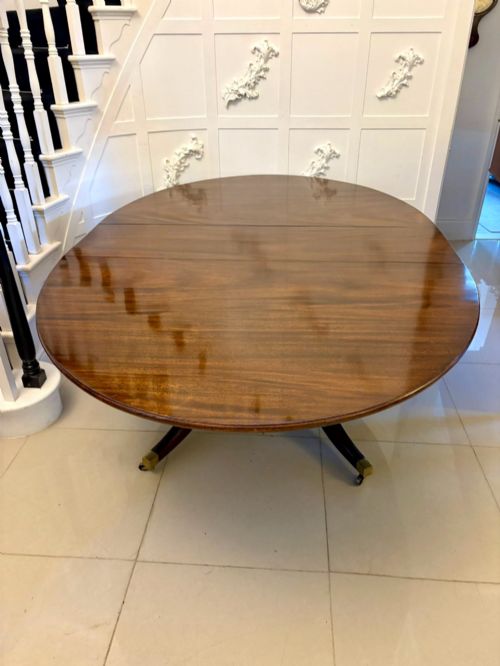
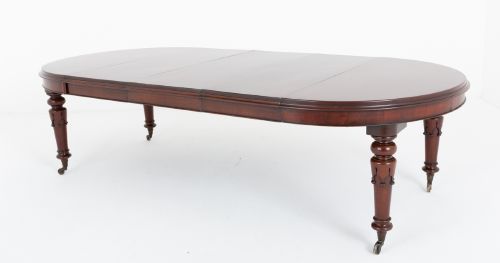
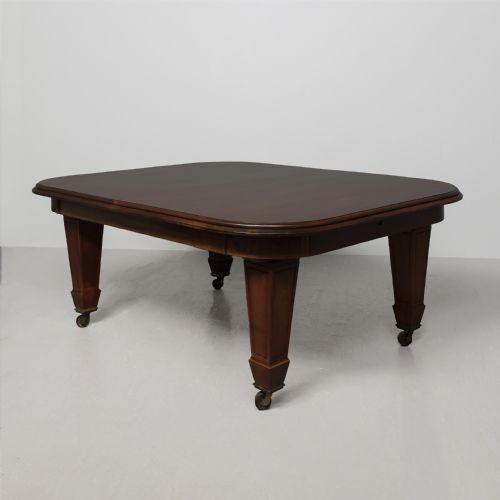


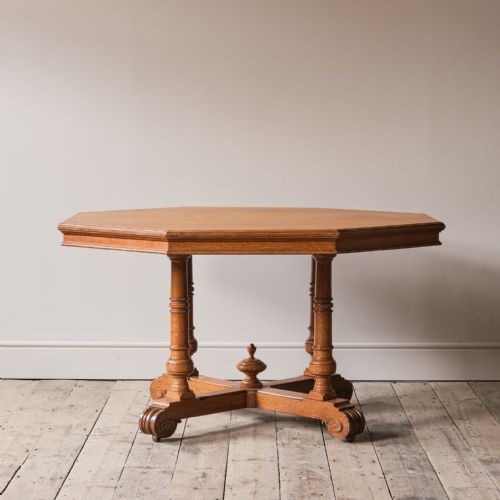
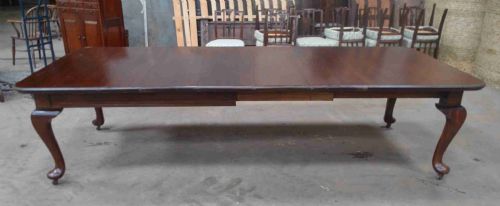
Large Victorian Table
When you need a large victorian table, these substantial pieces anchor a room with period weight and generous proportions for daily gatherings.
Large Victorian Table
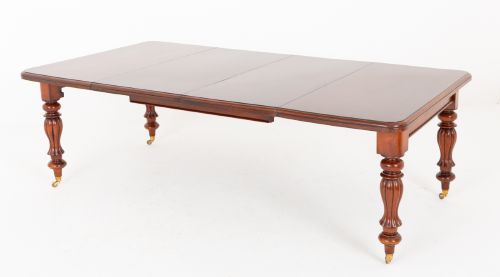
A large victorian table spans formal dining rooms, libraries, and country kitchens from the nineteenth century. These items include extending dining formats with multiple leaves alongside sturdy oak and pine farmhouse boards built for heavy daily use.
Makers adapted classical, gothic, and revival idioms to suit domestic architecture across the Victorian era. Buyers encounter solid mahogany pedestal variants, walnut library tables, and scrubbed pine work surfaces.
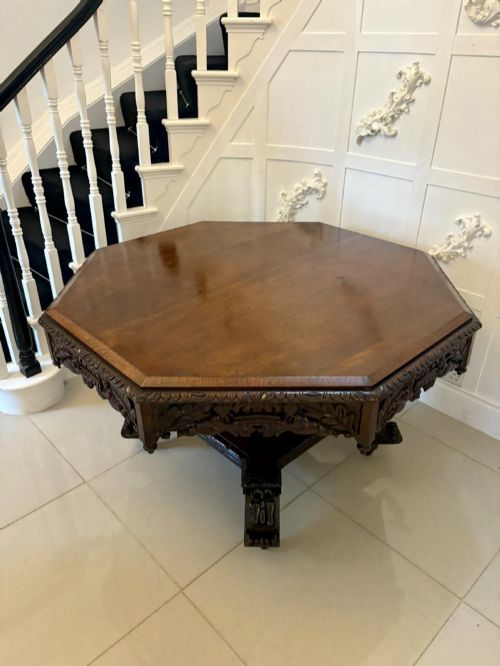
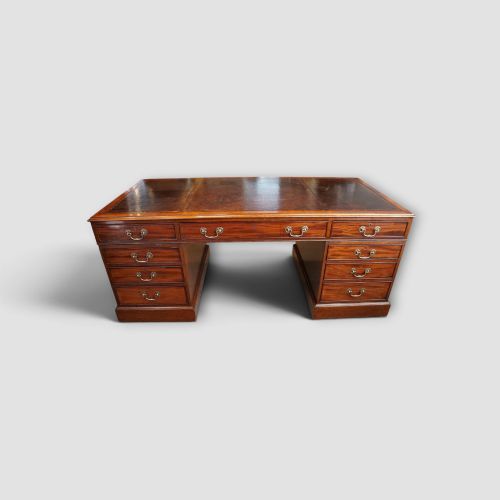
The phrase encompasses monumental partner desks and centre tables designed to stand free in expansive spaces. Mahogany and oak dominate the surviving examples, supported by regional walnut and pine variants.
How They Were Made
Joiners relied on dense hardwoods such as mahogany, oak, and walnut, often selecting figured veneers for table tops and aprons. Secondary timbers like pine provided internal framing for drawers and leaves.
Extending mechanisms utilised heavy brass runners, winding screws, and folding legs to support multiple timber leaves. Carved decoration, marquetry inlay, and turned pedestals reflected regional cabinet-making traditions from London to Glasgow.
What Varies in Quality
Proportion and timber selection separate standard utilitarian furniture from exhibition pieces commissioned for wealthy households. Flame mahogany, burr walnut, and thick quarter-sawn oak indicate high workshop standards.
The integrity of the extending mechanism and the presence of original winding handles dictate functional success. Refined carving, hand-cut dovetails, and matching timber grain across added leaves mark superior craftsmanship.
Gillows·Wylie and Lochead·Charles Andrea Nosotti·Richard Hodd and Son·Hinks
The Large Victorian Table Glossary
- Extending table
- A dining table fitted with a central gap and internal runners to accommodate removable leaves for expansion. This mechanism allowed Victorian households to adjust seating capacity for large dinners.
- Partners desk
- A double-sided writing table designed for two people to work opposite one another with drawers and cupboards on both faces. These large pieces often featured inset leather writing surfaces.
- Marquetry
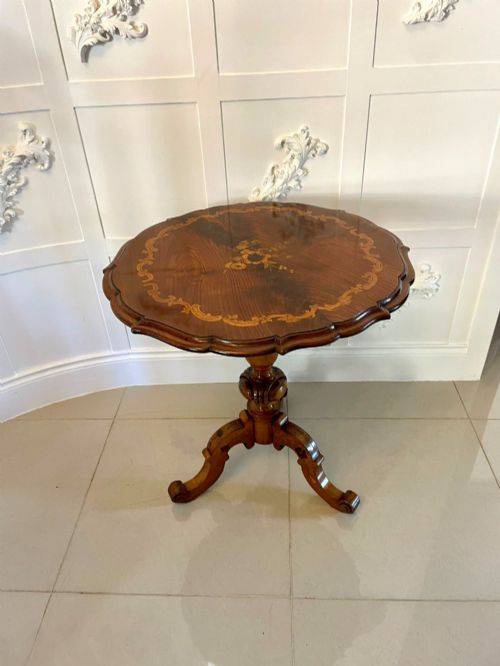
- Decorative veneer work using various tinted woods to create pictorial or geometric patterns on table tops. Artisans cut thin wood sections and fitted them together before gluing them to the carcass.
- Demilune
- A half-moon shape used for console tables placed flat against a wall. These decorative items frequently stood in entrance halls and parlours.
- Figured mahogany
- Timber cut to reveal distinctive grain patterns such as flame, curl, or fiddleback effects. Cabinet makers prized these boards for prominent display surfaces.
Large Victorian Table: Frequently Asked Questions
How many people can a dining table seat?
Extended versions commonly accommodate ten to twelve guests comfortably when all original leaves are in place. The exact capacity depends on the length and the presence of pedestals or legs.
Shorter formats seat six to eight individuals for daily meals without requiring extra boards. Measuring the kneehole clearance helps determine chair placement.
How do I care for a nineteenth-century timber surface?
Apply traditional beeswax periodically to nourish the wood and maintain a soft protective sheen. Avoid harsh chemical cleaners and excessive moisture.
Keep tables away from direct heat sources and strong sunlight to prevent timber shrinkage and veneer lifting. Using felt pads under hot dishes protects the polished finish.
How do I distinguish early from late Victorian examples?
Early examples often display Regency influences with rosewood, heavy pillar supports, and classical proportions. Late pieces frequently incorporate oak or bleached finishes alongside heavier carving.
Construction details inside drawers and underframes also shift over the decades as industrial methods expanded. Examining secondary woods provides clues to the exact decade of manufacture.
Were these items meant for formal or kitchen use?
Mahogany and walnut examples furnished formal dining rooms, libraries, and drawing rooms for elite households. Pine and scrubbed oak variants served country house kitchens and workshops.
Robust construction allowed farmhouse tables to withstand heavy daily preparation tasks. Finer woods remained protected within reception spaces.