



Antique Castle Oil Painting
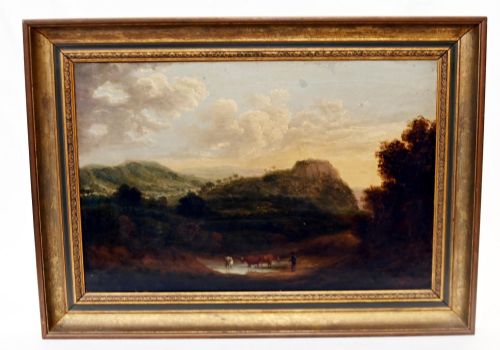
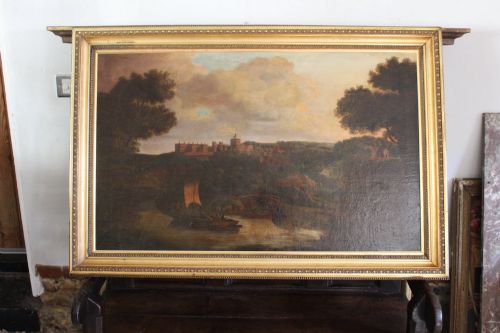
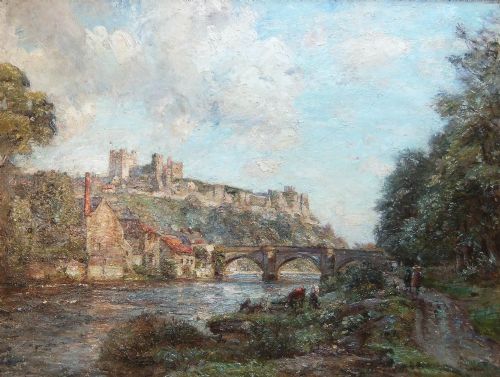
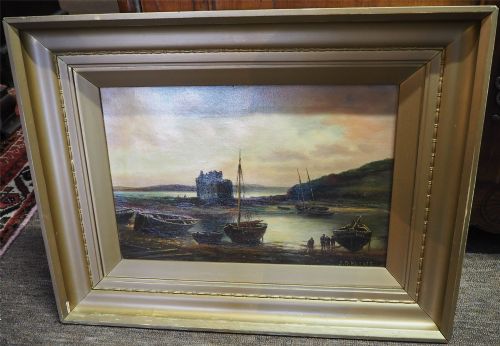
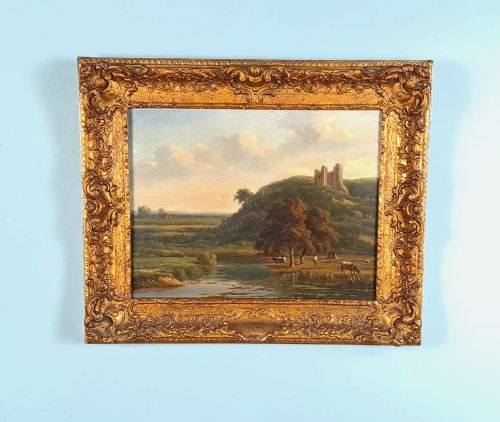
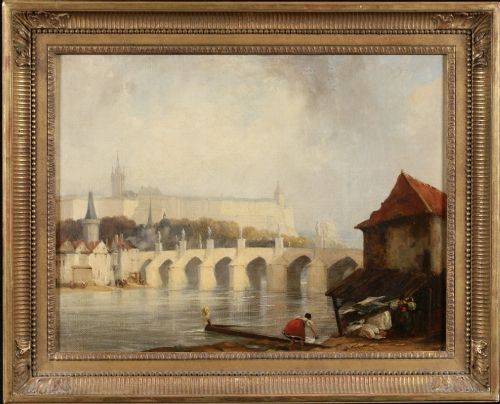
An antique castle oil painting captures romantic stone fortresses and historic ruins across British and European landscapes from the seventeenth century onwards.
Antique Castle Oil Painting
An antique castle oil painting depicts fortified architecture, royal residences, and medieval ruins set within expansive rural, river, or coastal landscapes. These works reflect changing artistic perceptions of heritage and topography over successive centuries.
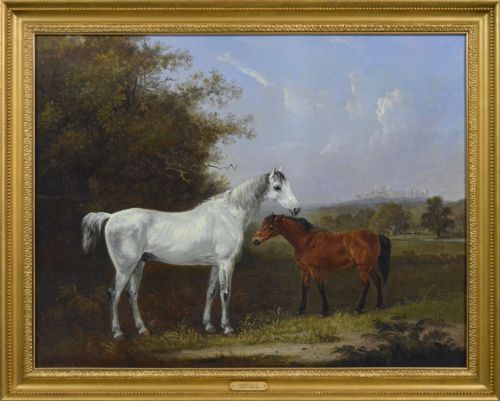
The pieces on this page span several key eras, most notably the nineteenth century and the Victorian period, alongside earlier seventeenth and eighteenth-century examples and later twentieth-century interpretations. Common subjects include well-known fortresses such as Windsor, Bamburgh, and Barnard Castle, captured by both named artists and regional schools.
Surviving formats range from intimate cabinet panels to massive country house canvases framed in period giltwood. Buyers encounter domestic water views, dramatic moonlight scenes, and detailed architectural studies.
How They Were Made
Artists painted primarily using oil on woven canvas, wooden panels, or canvas boards prepared with gesso grounds. The pigment was built up in layers, moving from dark underpainting to luminous surface glazes that rendered water, stone, and atmospheric sky.
Supports varied according to scale and period, with heavier oak panels and stretched canvases dominating earlier centuries, while board and card supports appeared more frequently in later regional works.
Frames formed an integral part of the construction, utilising carved and gilded wood or decorative plaster moulding designed to complement the tonal depth of the oil pigments within.
Listings feature works spanning from the seventeenth century to the mid-twentieth century, executed in oil on canvas, wood panel, and board.
What Varies in Quality
Quality rests in the precision of the brushwork and the artist's command of light, atmosphere, and architectural perspective. Superior compositions capture the specific mass and texture of ancient masonry rather than relying on generic formulas.
The handling of surrounding elements such as water, foliage, and figures distinguishes master painters from competent regional copyists. Stronger works integrate the fortress naturally into the topography of the river valley or coastline.
Original framing and historical provenance contribute significantly to a piece's standing. Intact period giltwood frames and documented attribution to a known hand elevate the overall integrity of the artwork.
Angelo Maria Crivelli·Herbert Royle·T C Hofland·William Mellor·George Gregory·George Morland·Claude Thomas Stanfield Moore·James Bell Anderson·Karl Herrle·Thomas Whittle the Younger·George Lambert·William Edward Webb·George Willis Pryce·Charles Walter Radclyffe·R E Richardson·Peter Lely·F E Jamieson·Bernard Benedict Hemy
The Antique Castle Oil Painting Glossary
- Gesso
- A plaster-like mixture applied to canvas or wood to create a smooth, stable surface for oil paint. This preparation seals the support and holds the subsequent layers of pigment securely.
- Giltwood
- Timber carved and coated with a thin layer of gold leaf. It defines the ornate frames commonly found on nineteenth-century landscape and castle paintings.
- Oil on Canvas
- Pigment suspended in a drying oil applied to a stretched woven textile support. This combination offers flexibility and allows for subtle blending of tones.
- Panel
- A rigid support made from wood, such as oak or mahogany, used primarily for smaller or earlier paintings before canvas became standard.
- Provenance
- The documented history of ownership of an artwork from its creation to the present day. Clear provenance helps verify authenticity and attribution.
Antique Castle Oil Painting: Frequently Asked Questions
Are these paintings usually signed by the artist?
Signatures appear on a significant portion of these works, frequently placed discreetly in a lower corner among the landscape details. Monograms, initials, or inscriptions on the stretcher bars and canvas reverse also identify the creator.
Unsigned paintings often originate from regional art schools or productive studio workshops. Stylistic comparison with documented works by known painters helps attribute authorship where signatures are absent.
How should I care for an oil painting on canvas?
Display the artwork away from direct sunlight, excessive heat sources, and damp environments to prevent the canvas from sagging and the paint layer from cracking. Maintain stable room temperatures to protect the structural integrity of both the support and the frame.
Dust the surface gently with a soft, dry brush without applying pressure. Avoid using liquid cleaners or touching the pigment directly, and consult a professional conservator for deeper cleaning.
What does attribution to an artist mean?
Attribution indicates that an expert has studied the style, brushwork, and subject matter to link the work to a specific painter or workshop. Terms like 'attributed to' suggest strong stylistic evidence but lack definitive documentation.
Works bearing a full signature or secure provenance offer the highest certainty of authorship. School attributions point to a period and region rather than an individual hand.