



Windsor Castle Painting
A windsor castle painting captures royal history on canvas or paper, offering buyers a timeless piece of British landscape heritage.
Windsor Castle Painting
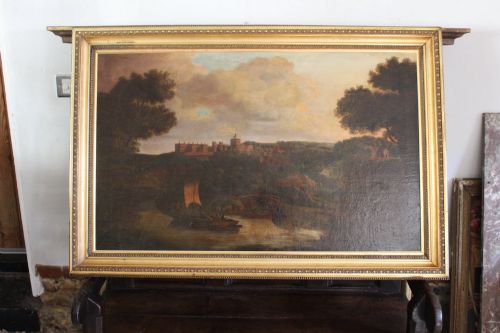
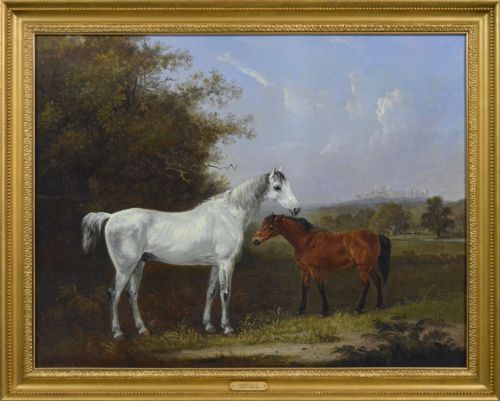
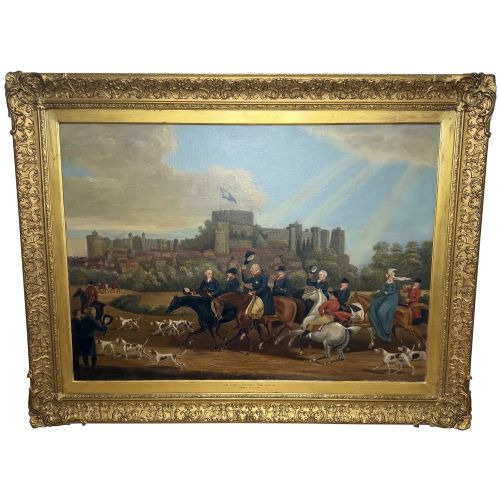
When you search for a windsor castle painting, you encounter works spanning the Victorian and Edwardian periods, stretching back to Georgian times. These pieces capture the royal residence and its surrounding river views from the Thames.
The most common formats you meet on this page are watercolour paintings on paper and oil paintings on canvas. Artists frequently depict the Berkshire landscape with the castle viewed from the river.
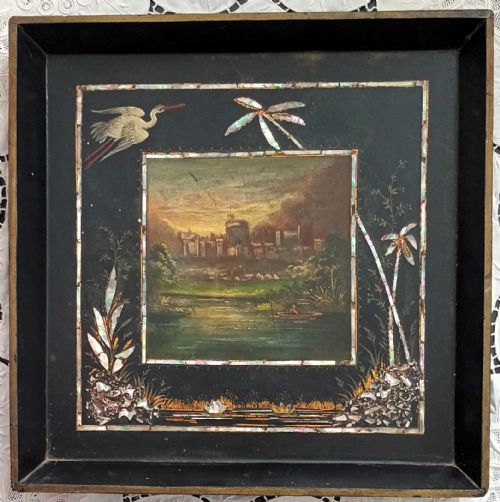
Beyond traditional canvas and paper, the subject extends to decorative objects including papier-mâché trays and hand-painted pottery vases. These diverse forms bring nineteenth-century royal iconography into domestic interior settings.
Materials and technique
Painters applied oil on canvas and watercolour pigment on paper to record the Berkshire landscape, often framing their finished works in gilt wood. These traditional media dictate the visual texture of nineteenth-century British landscape art.
Specialised decorative items utilise papier-mâché and lacquer alongside reverse-glass painting techniques. Craftsmen combined these substrates with meticulous hand-painting to produce functional items adorned with royal scenes.
Materials across these listings include oil on canvas, watercolour pigment, gilt wood, and papier-mâché.
What varies in quality
The distinction between standard works and exceptional pieces rests on the handling of atmospheric light and architectural precision. Master painters define the stone ramparts and distant river mists with secure, confident brushwork.
Provenance and attribution elevate specific watercolours and oils above anonymous school pieces. Signed works by documented artists command greater attention through their established artistic lineage.
Alfred Young Nutt·Royal Doulton·Thomas Whittle the Younger·Frederick Tully Lott·David Cox Senior
The Windsor Castle Painting Glossary
- Watercolour pigment
- A colourant ground with a water-soluble binder, used extensively on paper for translucent landscape effects.
- Papier-mache
- A composite material made of paper pulp mixed with adhesive, moulded and dried to form durable trays and decorative objects.
- Gilt wood
- Timber frames or decorative elements treated with gold leaf or gold-coloured gilding.
- Reverse-glass painting
- A technique where the artist paints directly onto the back of a glass pane, viewed through the front to achieve a lustrous finish.
- Grisaille
- A painting executed entirely in shades of grey or neutral monochrome, frequently employed for preparatory sketches.
Windsor Castle Painting: Frequently Asked Questions
What periods do these paintings span?
The available selection covers the late eighteenth century through to the early twentieth century. Victorian and Edwardian examples predominate alongside earlier Georgian works.
Most items date from the nineteenth century when royal landscape painting reached its height.
How were these watercolours displayed?
Period watercolours on paper typically lived behind glass within gilt wood frames to protect the delicate pigments from moisture and light.
Collectors house these works in traditional reception rooms where subdued lighting preserves the paper.
What subjects appear besides the castle?
Artists frequently included the River Thames, surrounding Berkshire countryside, and local livestock in their compositions. Views often capture the royal residence from the water or nearby meadows.
Depictions extend to mail ships named after the royal seat and decorative vases bearing hand-painted vistas.
How do oils differ from watercolours here?
Oil paintings utilise heavy pigments on canvas or board, offering rich textures and deep chromatic range. Watercolour works employ fluid washes on paper to capture atmospheric light and river mists.
Both media served nineteenth-century artists seeking to document British royal architecture.