


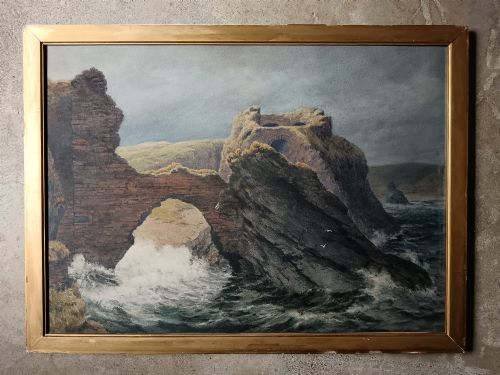


Antique Castle Landscape
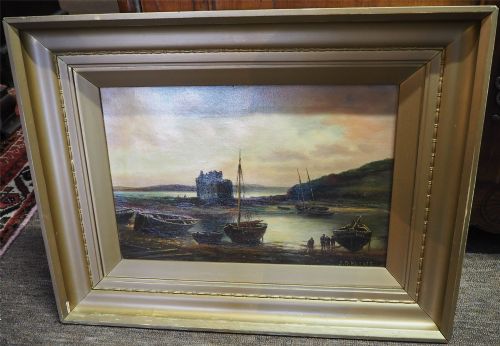
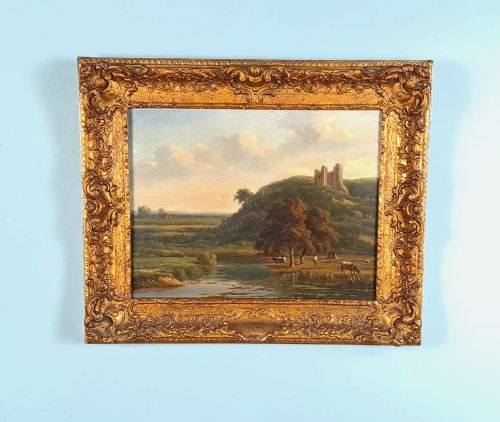
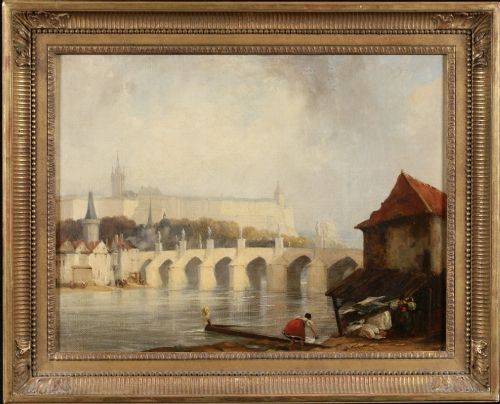
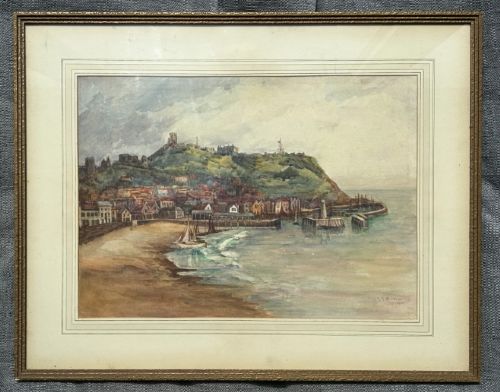
These antique castle landscape works capture historic fortifications set against rivers, coasts, and valleys.
Antique Castle Landscape
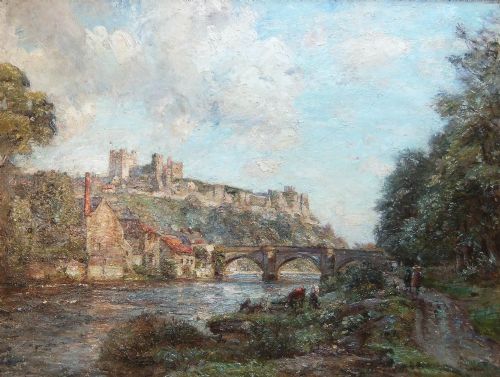
An antique castle landscape captures historic fortifications, ruined strongholds, and royal seats placed within sweeping regional views across Britain and Europe. These works document specific landmarks such as Windsor Castle, Bamburgh Castle, and Barnard Castle set against rivers, coastal bays, and highland lochs.
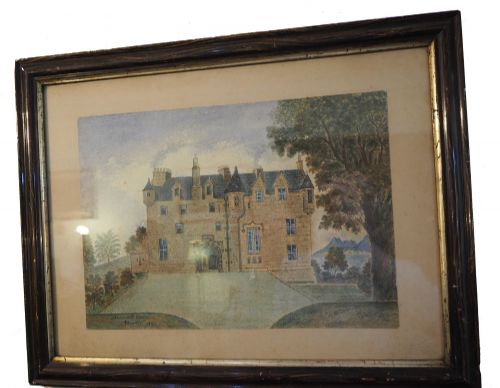
Buyers will encounter original watercolours on paper and oil paintings on canvas or board dating primarily from the nineteenth and early twentieth centuries. Many examples record topographical views created during the Victorian and Edwardian periods, alongside occasional decorative porcelain plates and folk art pieces.
The selection ranges from detailed architectural studies to atmospheric Romantic scenes featuring moonlight, shipping, and cattle grazing near ancient stone walls.
How They Were Made
Artists painted these subjects using oil on canvas, oil on board, and watercolour pigment on paper, applying layered washes for skies and water alongside firmer brushwork for stone masonry. Support materials varied from traditional stretched canvas to wooden panels, card, and heavy watercolour paper.
Framing often utilised giltwood to enhance the visual depth of the painted scene, while specialised decorative items incorporated hand-painted porcelain or carved Welsh slate and leaded glass.
Several castle views come complete with grazing cows that appear entirely unbothered by centuries of dramatic masonry and looming sieges.
What Varies in Quality
Quality rests upon the artist's ability to render architectural perspective accurately while maintaining atmospheric harmony between the fortress and its surrounding landscape. Finer works display confident handling of light, water reflections, and topographical detail rather than generic foliage and repetitive stonework.
Condition and provenance further distinguish the range, with signed sheets, dated panels, and works retaining their original decorative gilt frames holding greater art-historical significance.
Angelo Maria Crivelli·Thomas Cooper Moore·David Cox Jnr·William Mellor·George Gregory·George Morland·Frank Wood·Karl Herrle·Samuel Sidley·Thomas Whittle the Younger·Robert Gallon·John Syer·George Graham·William H Harriott·John Bates Noel
The Antique Castle Landscape Glossary
- Grisaille
- A painting executed entirely in shades of grey or neutral monochrome. This technique often served preparatory or sculptural purposes in nineteenth-century works.
- Folk art
- Utilitarian or decorative objects created by self-taught makers outside academic traditions. Examples include carved slate hearth pieces featuring local fortresses.
- Romanticism
- An artistic movement emphasising emotion, awe, and the sublime power of nature. Scenes often feature ruined castles under moonlight or stormy skies.
Antique Castle Landscape: Frequently Asked Questions
What subjects appear in these castle paintings?
The artworks depict notable British and European fortifications, including royal residences like Windsor Castle alongside coastal ruins such as Bamburgh and Dunluce.
Artists frequently positioned these stone structures alongside rivers, bridges, harbours, and highland lochs to create balanced scenic compositions.
How do I date an antique castle watercolour?
Dating relies on visible artist signatures, period inscriptions on the reverse, and stylistic markers typical of nineteenth-century or Edwardian picture framing.
Paper stock, pigment characteristics, and documented exhibition dates for known painters also help establish the correct era.
Were these works painted outdoors?
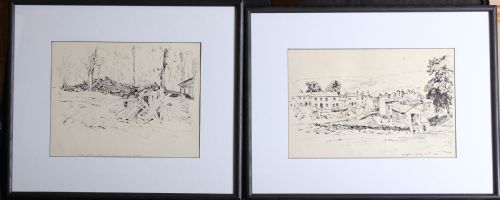
Many nineteenth-century artists produced preliminary pencil sketches and watercolour studies on location before finishing larger oil paintings within a studio.
Quick observational sketches captured exact topographical details of castle architecture and river valleys for later studio development.
How should I care for antique paper watercolours?
Watercolour paintings on paper require protection from direct sunlight to prevent fading of pigments and discolouration of the paper support.
Displaying works away from sources of dampness and using acid-free framing materials preserves the integrity of the piece over time.