


Framed River Scene Art
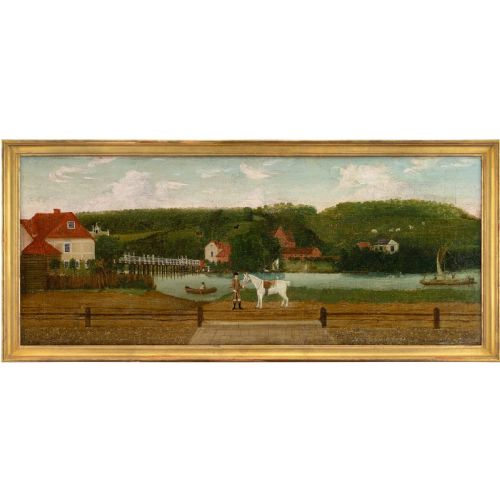
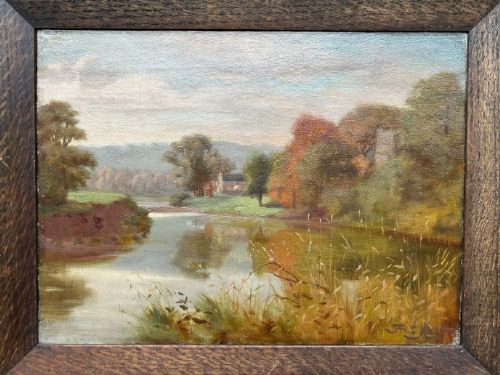
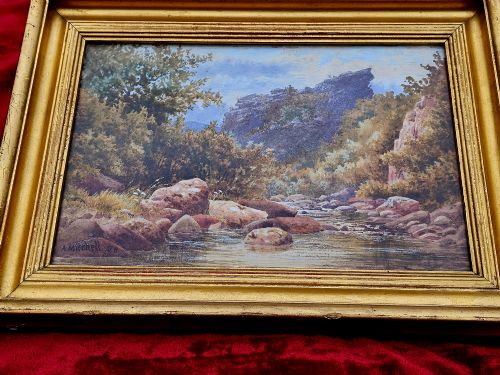
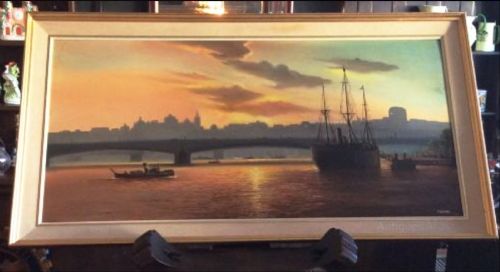
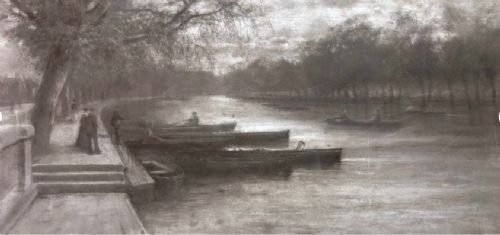
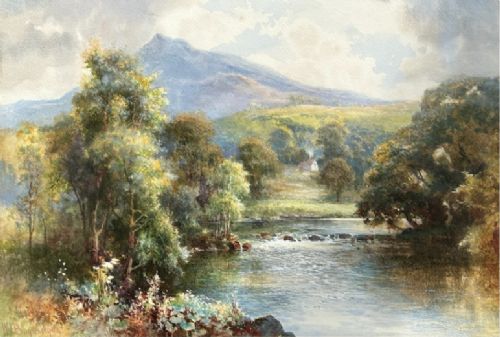
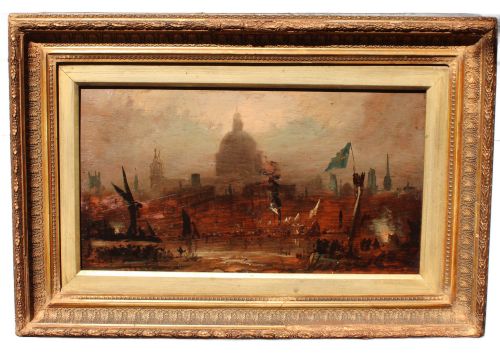
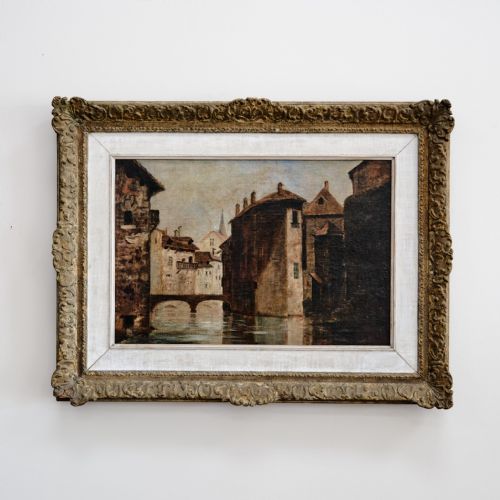
Framed river scene art captures flowing waterways, pastoral banks and maritime reaches across centuries of painted and drawn traditions.
Framed River Scene Art
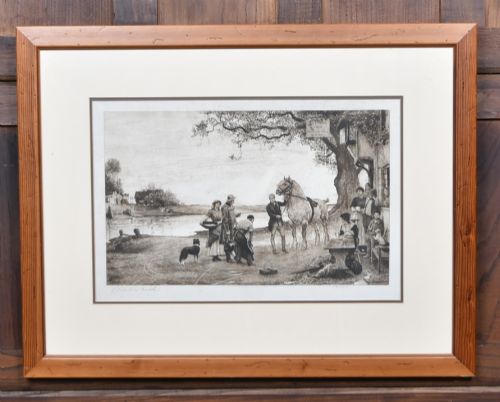
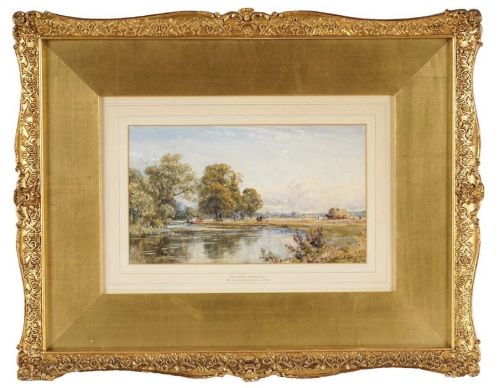
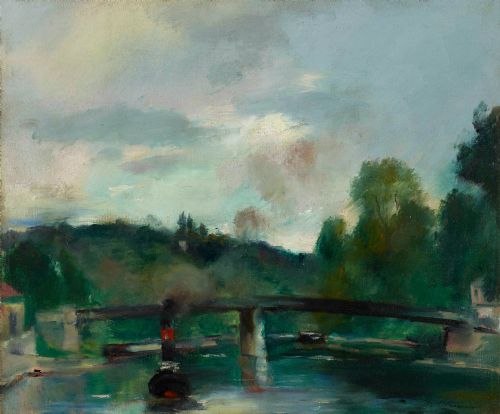
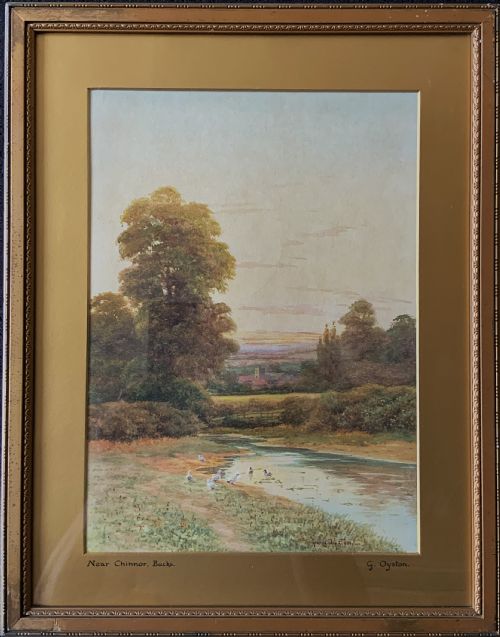
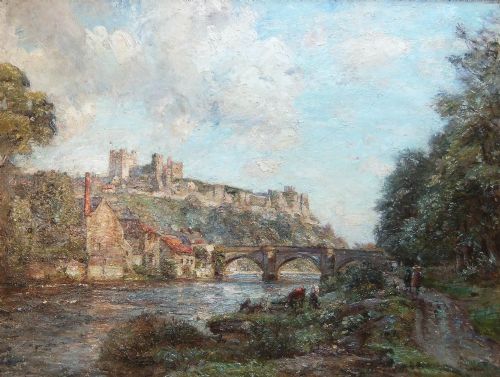
Framed river scene art encompasses oil paintings, watercolours, etchings and charcoal drawings depicting watercourses, bridges, locks and tidal estuaries. When searching for framed river scene art, buyers encounter works executed on canvas, wood panels, paper and card, enclosed in protective frames.
The pieces appearing on this page span the eighteenth, nineteenth and twentieth centuries, reflecting changing aesthetic movements from Georgian romanticism to British impressionism and the Dutch school. Landscapes featuring the Thames, Welsh rivers, and continental waterways predominate among these selections.
Many items present signed compositions by named historical painters and Royal Academy exhibitors, alongside pieces originating from British and French regional schools. These artworks document pastoral life, industrial ports and quiet rural tributaries through varied artistic interpretations.
Materials and technique
Artists painted primarily in oil upon stretched canvas, wood panels and board, or applied watercolour and ink pigments onto paper supports. Oil paints provided rich textures and deep tones suitable for atmospheric skies and reflective water, while watercolours offered luminous transparencies.
Framing utilised traditional methods involving wood mouldings, applied gesso ornamentation and gilt finishes to complement the artwork. Pencil underdrawings, charcoal marks and pen and ink work often formed the structural basis for landscape compositions before colour was applied.
Represented artistic styles range from Georgian and Romanticism to Victorian Pastoral, British Impressionism and Dutch School influences.
Factors of quality
Quality rests upon the artist's ability to render light, movement and atmospheric depth within the natural landscape. Superior examples demonstrate confident brushwork, balanced composition and an acute sensitivity to the reflective qualities of water.
The preservation of the original support, whether canvas, panel or paper, alongside the integrity of the period frame, influences the standing of a piece. Works retaining their original signed attribution and documented provenance command greater appreciation among collectors.
George Graham·Frederick Marriott·Robert Thorne Waite·Henri Ottmann·George Oyston·Herbert Royle·Florence Adelina Hess·T C Hofland·Henry H Parker·David Cox·T. Bergman·Frederick Hines·Sydney Yates Johnson·Hubert Wellington·Archibald Kay·Thomas Baker·André Prévot-Valéri·Arthur Herbert Rigg·John Bell
The Framed River Scene Art Glossary
- Oil on Canvas
- Pigments mixed with drying oils applied to a woven fabric stretched across a wooden frame. This medium allowed artists to build rich layers and rework surfaces.
- Watercolour
- Finely ground pigments suspended in a water-soluble binder and applied to paper. It relies on the white of the paper to shine through translucent washes.
- Gesso
- A paint mixture consisting of a binder mixed with chalk, gypsum or pigment. It was used on wooden frames to create a smooth surface before gilding.
- Giltwood
- Timber carved and coated with a thin layer of gold leaf or metallic powder. It provided decorative and reflective borders for significant artworks.
- Tondo
- A Renaissance term for a circular work of art. These round paintings presented distinct compositional challenges compared to standard rectangular formats.
Framed River Scene Art: Frequently Asked Questions
What periods do these river scenes cover?
The works span from the eighteenth century through the Victorian and Edwardian eras into the mid-twentieth century. They reflect evolving artistic approaches across different decades.
Georgian and Victorian pieces sit alongside later impressionist interpretations of waterways and bridges.
Are these artworks supplied with frames?
The pieces are presented within their individual frames, which often include wood mouldings, gesso details and gilt finishes. These mountings complement the age and style of the artwork.
Original framing helps preserve the physical context of the painting or drawing.
How can I identify the artist?
Many works bear visible signatures, monograms or inscriptions penned by the hand of the creator. Archival records and stylistic traits also help connect unsigned pieces to specific schools.
Exhibition labels on the reverse sometimes offer further clues to authorship and origin.
What mediums were used for these river scenes?
Artists employed oil paint on canvas, wood panel and board to capture atmospheric river views. Others chose watercolour, pen and ink, or charcoal on paper for lighter landscape studies.
Each medium creates a distinct visual texture suited to the subject matter.