



Traditional British Oil Artwork
Traditional british oil artwork captures centuries of rural life, portraiture, and landscape on canvas and wood panel.
Traditional British Oil Artwork
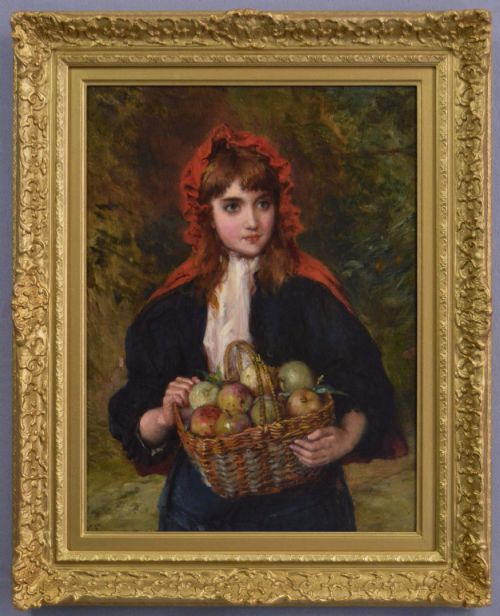
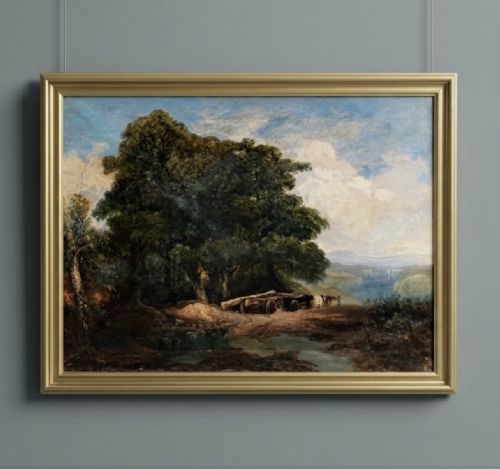
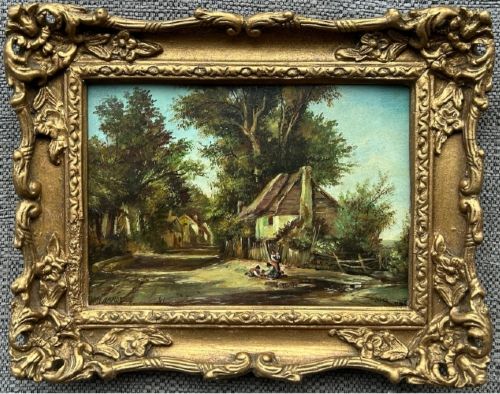
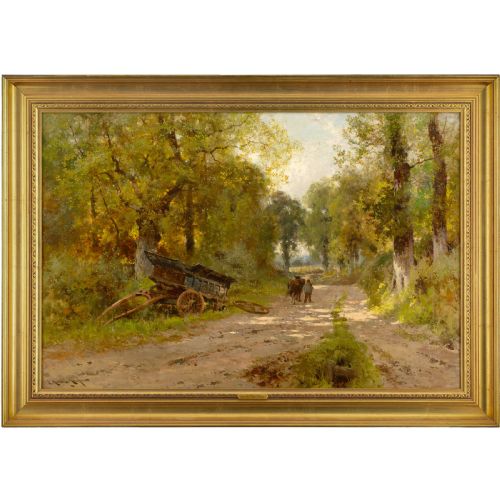
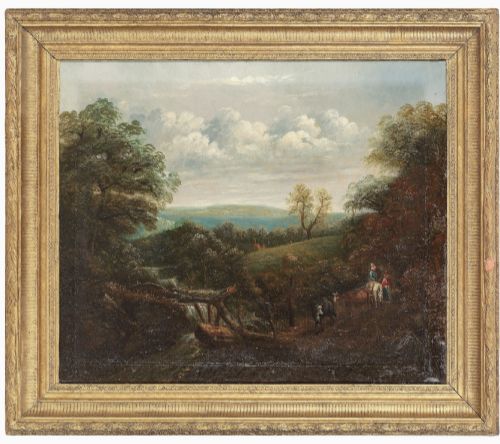
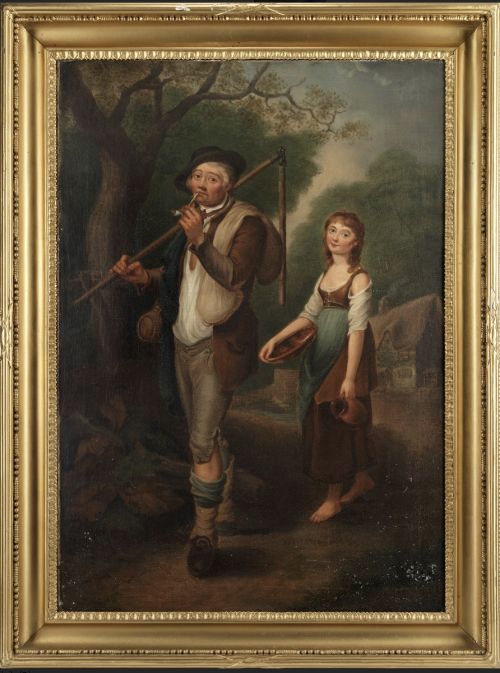
Traditional british oil artwork encompasses painted scenes executed in oil medium by artists working across the eighteenth, nineteenth, and twentieth centuries. These pieces record pastoral landscapes, rural villages, equine subjects, and human portraits from various British schools.
Most examples encountered here date from the Victorian era and the early twentieth century, reflecting academic training and local topographical traditions. Canvases and wooden panels preserve the brushwork and pigments applied by named painters and anonymous regional hands alike.
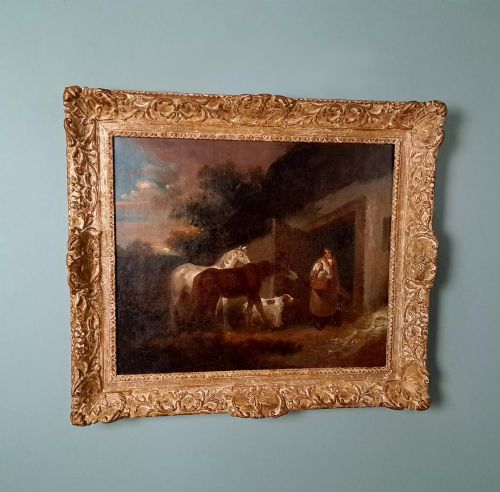
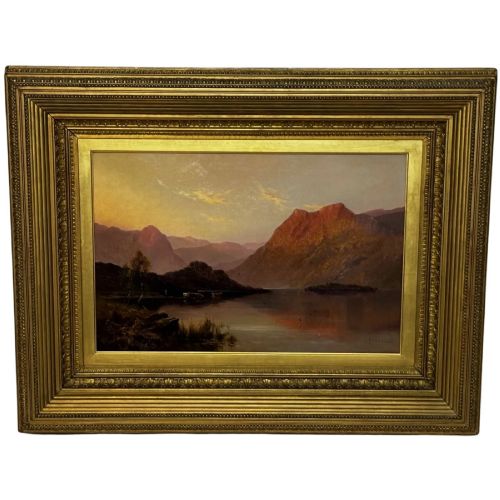
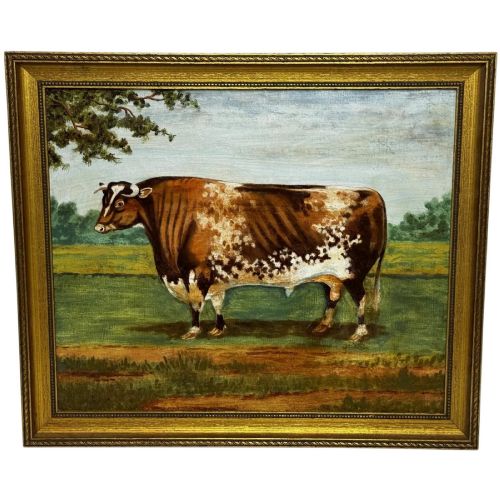
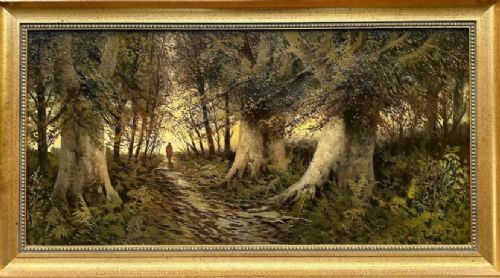
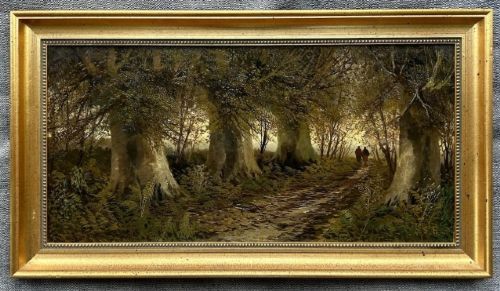
Subjects range from expansive Scottish highlands and woodland paths to detailed studies of livestock, hunting dogs, and domestic interiors. Each canvas provides a direct window into historical rural existence and academic painting conventions.
How they were made
Makers applied oil paint onto woven canvas supports or prepared wooden panels, often building up rich layers of pigment to create depth and texture in landscapes and portraits. The combination of oil binder and slow-drying pigments allowed artists to blend tones deliberately and achieve subtle shifts in light.
Surviving works frequently retain their original giltwood or moulded wood frames, which were constructed to complement the palette and scale of the painting. Grounds and priming layers applied beneath the final paint surface ensured the longevity of the oil medium across decades.
Current listings span the eighteenth, nineteenth, and twentieth centuries, utilising canvas, wood panel, oil paint, and giltwood.
What varies in quality
The degree of anatomical precision in animal and human figures distinguishes finer studio pieces from more routine regional output. Works by formally trained artists display controlled handling of light, shade, and spatial recession that lesser decorative paintings lack.
Preservation of the original paint surface and the stability of the canvas or wood panel dictate the enduring integrity of the piece. Subtle brushwork and careful compositional balance separate accomplished academic productions from mass-produced cottage industry output.
William Oliver·Richard Sebastian Bond·William H Myers·Tom Campbell·William Howard Hardy·John Horace Hooper·William Joseph Shayer Senior·Alfred Fontville de Breanski Jr·Edward Mills·Thomas Barker of Bath·Thomas W Lascelles·David Bates·Thomas Smythe·Albert Clark·Robert John Hammond·Walter Heath Williams·Thomas Creswick·Stephen Pearce·George Wright·William Albert Clarke·Carl Whitfield·Ernest Payne·E Brown·Delapoer Downing·Vernon DeBeauvoir Ward
The Traditional British Oil Artwork Glossary
- Canvas
- A heavy woven fabric stretched across a wooden frame to serve as a painting surface. It provides the flexible foundation for the majority of nineteenth-century oil paintings.
- Giltwood
- Timber carved and coated with a thin layer of gold leaf or metallic gilt. It forms the decorative framing commonly found surrounding traditional oil paintings.
- Wood Panel
- A rigid flat wooden board utilised as a support for oil paint instead of stretched fabric. Panels were favoured by artists working on smaller scales.
- Oil Paint
- A slow-drying paint made by combining pigments with a drying oil such as linseed. This medium allows for rich colour saturation and extended blending time on the support.
Traditional British Oil Artwork: Frequently Asked Questions
What subjects appear in traditional british oil artwork?
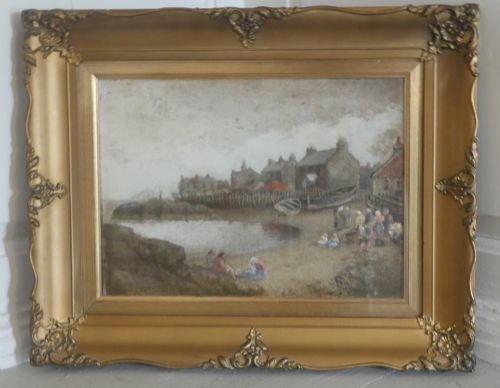
These paintings depict rural landscapes, pastoral scenes, coastal views, and woodland paths alongside portraits of people and animals. Equestrian subjects, hunting dogs, and livestock also recur frequently across the available inventory.
Artists drew inspiration from the British countryside and domestic life, recording regional topography and agricultural scenes with careful attention to natural lighting and atmosphere.
How should I care for an oil painting on wood panel?
Wood panels require stable indoor humidity and temperature to prevent the wood from warping or cracking over time. Keep the painting away from direct sunlight and sudden heat sources.
Dust the surface gently with a soft, dry brush and avoid using liquid cleaners or abrasive cloths on the delicate oil paint.
How can I tell the period of a landscape painting?
Stylistic clues such as clothing fashions, framing types, and brushwork techniques help narrow down the date of execution. Victorian and Edwardian landscapes often display specific colour palettes and compositional conventions tied to academic training.
Signatures, exhibition labels on the reverse, and the type of canvas or panel support provide further historical context for dating the work.