

Antique Casting Figurine
An antique casting figurine captures form through metal and mineral, offering tangible history and enduring sculptural weight to any desk or shelf.
Antique Casting Figurine
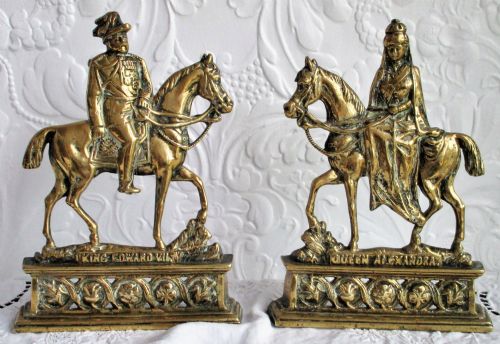
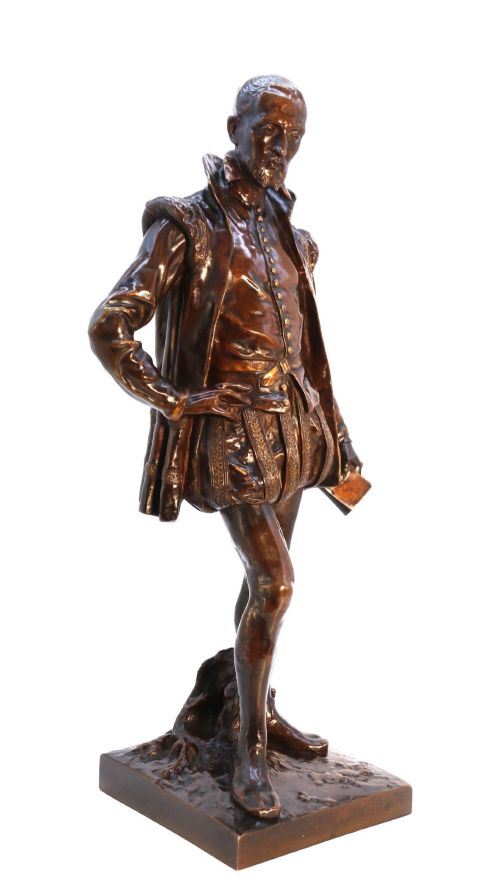
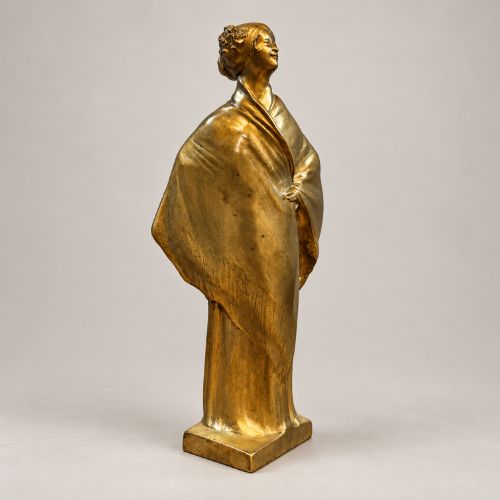
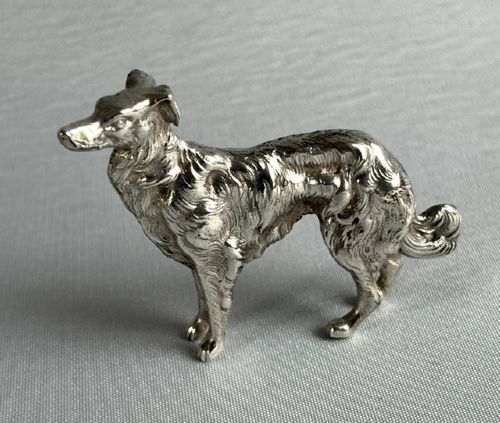
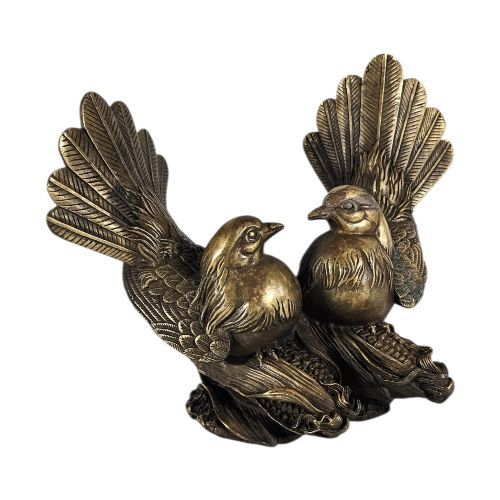
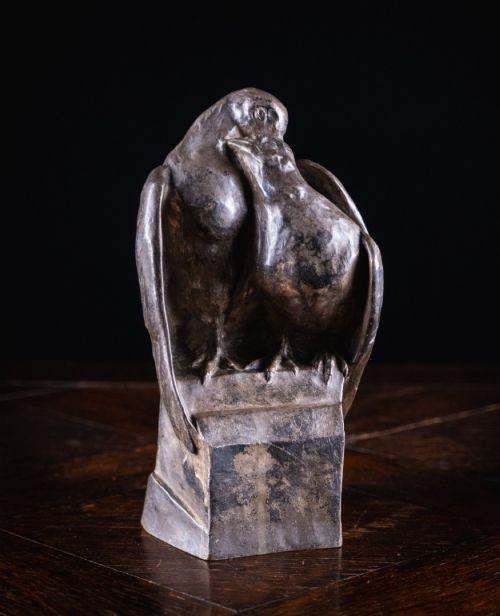
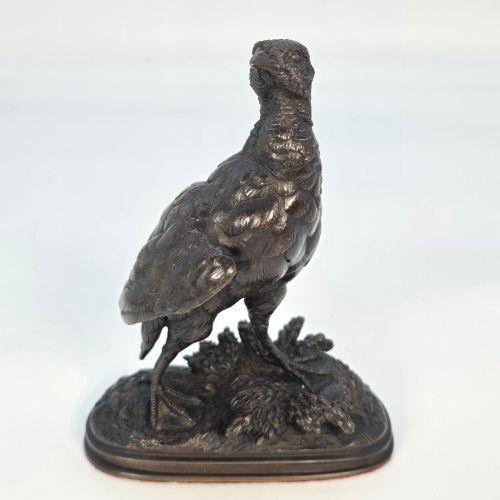
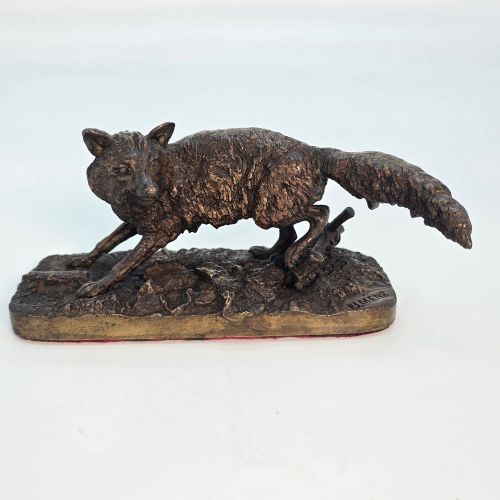
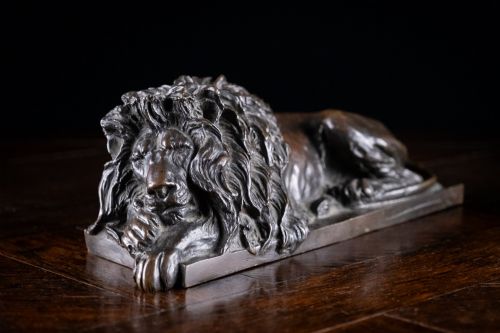
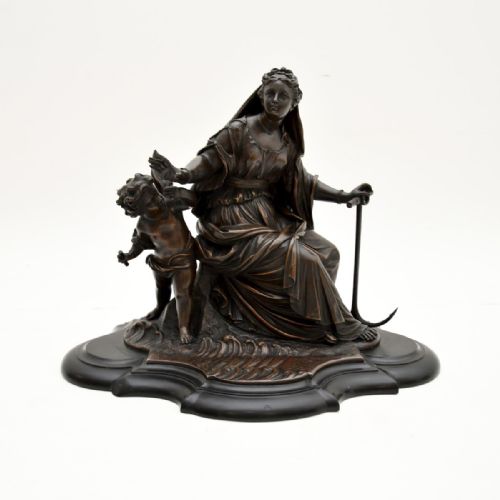
An antique casting figurine encompasses small metal sculptures, figurative table ornaments, novelty peppers, and portrait busts produced across the nineteenth and twentieth centuries. These objects range from naturalistic animal studies and domestic pets to classical figures, human subjects, and architectural chimney ornaments.
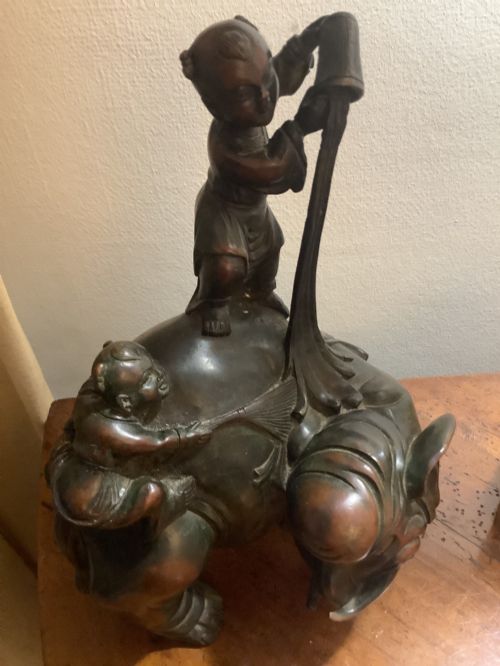
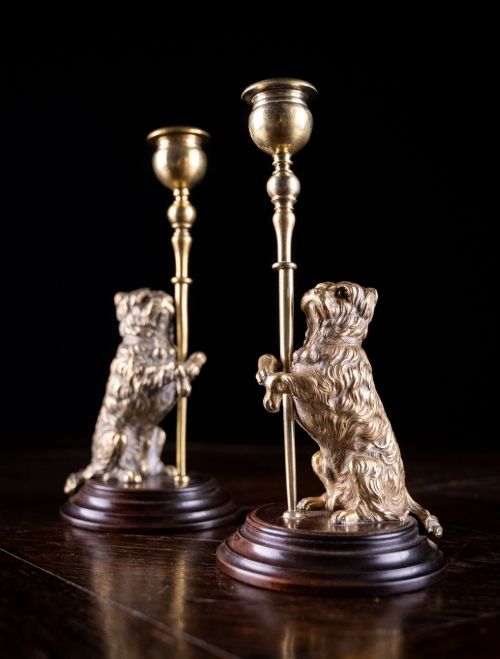
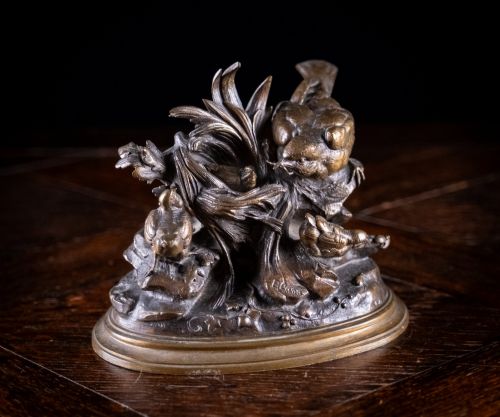
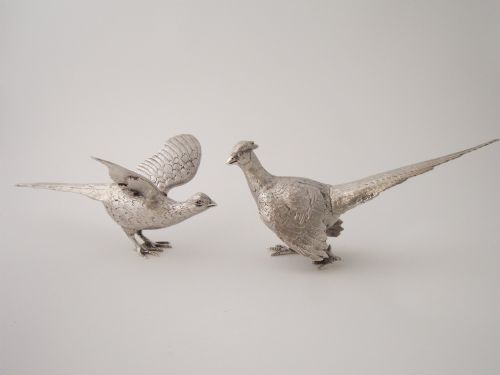
Buyers encounter French animalier bronzes, cold-painted Austrian desk pieces, sterling silver birds, Japanese Meiji period okimono, and English brass figures. The selection spans domestic animal subjects like dachshunds and horses alongside allegorical human representations.
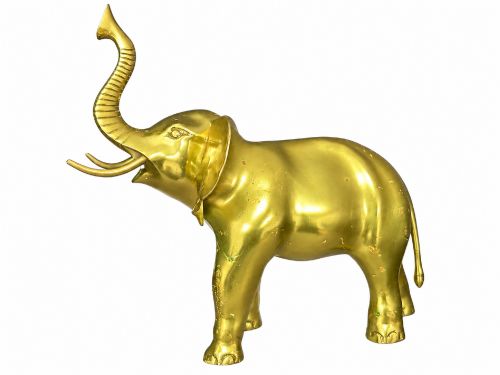
The material form shifts between hollow-cast bronze, solid sterling silver, cast brass, and patinated metal surfaces mounted upon marble bases. Pieces frequently arrive paired with founders' signatures or period hallmarks linking them to European workshops and Eastern foundries.
Methods and materials of cast figures
Foundries utilised the lost-wax technique or sand-casting methods to capture minute anatomical details in molten metal. Molten bronze, brass, or silver poured into moulds created durable forms that accepted surface chasing, file work, and applied patination.
Cold-painted Austrian pieces received layered polychrome pigments applied directly to the chilled metal surface rather than kiln-fired enamel. Sterling silver models required smithing and soldering of separate cast components like feathers or reins.
Bases of polished marble or slate provided stable weighting for top-heavy animalier bronzes and figural studies. Patination treatments involved chemical applications to oxidise metal surfaces, producing deep brown, black, or green finishes.
Antique Casting Figurine Retail Price Guide 2026
Typical asking prices for casting figurine among the pieces listed under this phrase on Sellingantiques today, from the lower quarter to the upper quarter. They describe what is for sale here now, not the wider market.
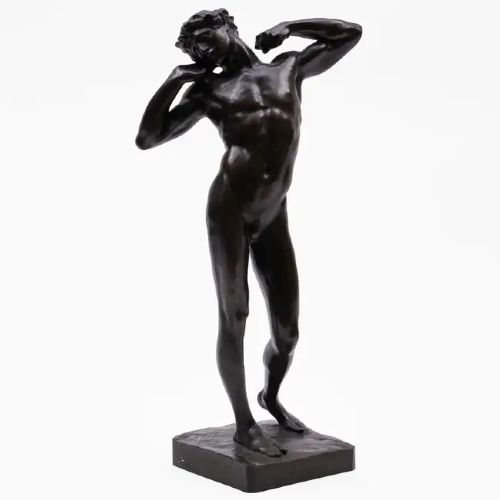
Sculptural forms range from monumental human busts and dancing figures to miniature novelty pepper pots shaped as farmyard animals.
Distinctions in craftsmanship and fidelity
Precision in anatomical rendering separates workshop output, where master founders preserved muscle tension, fur texture, and facial expression without soft edges. Crisp chiselling after casting removes mould seams and sharpens fine details.
Surface finish integrity determines longevity, with original patination and intact cold-painted pigments commanding greater regard than later repainting or chemical stripping. Heavy-gauge metal casting prevents structural flexing and maintains correct balance on display.
Foundry stamps, artist signatures, and distinct serial numbers or registration marks confirm authenticity and execution period. Weight distribution in solid silver and bronze pieces reflects material density rather than hollow-shell economy.
Auguste Moreau·P J Mêne·Franz Bergman·Alfred Dubucand·Christophe Fratin
The Antique Casting Figurine Glossary
- Animalier
- A nineteenth-century sculptural movement focused on realistic depictions of animals, particularly predators, horses, and dogs in dynamic motion.
- Cold-painted bronze
- Metal figures decorated with unfired paint layers applied over a primed surface, popular in Austrian workshops around nineteen hundred.
- Lost-wax casting
- A method where a wax model is melted from a ceramic mould to create a cavity for pouring molten metal.
- Okimono
- A Japanese decorative ornament designed for display on a tabletop or within a tokonoma alcove, often cast in bronze.
- Patination
- The natural or chemically induced surface coloration developed on metal through age or deliberate studio treatment.
- Novelty pepper
- A small hollow-cast silver or metal container shaped as an animal or figure with piercing holes for table seasoning.
Antique Casting Figurine: Frequently Asked Questions
What is an animalier bronze?
An animalier bronze is a nineteenth-century sculptural study focusing specifically on the accurate anatomy and natural behaviour of animals. These pieces capture creatures in motion or repose, reflecting heightened scientific and artistic interest in wildlife during the period.
Foundries across France and Europe produced these figures in varying sizes, mounting many upon marble plinths. Collectors prize them for their anatomical fidelity and expressive character.
How do I care for antique metal figurines?
Maintenance requires dry dusting with a soft brush to prevent particulate accumulation within crevices and chased surface details. Avoid chemical polishes, abrasive cloths, and moisture, which can strip away historic patination or delicate cold-painted pigments.
Display figures away from direct sunlight and damp environments to protect patinated surfaces and marble bases. Stable indoor temperatures prevent thermal expansion stress in mixed-media objects.
Are cold-painted bronzes fragile?
Cold-painted pieces demand careful handling because the polychrome surface pigment sits on top of the metal without high-temperature kiln firing. Friction, moisture, and rough contact can cause the original paint layers to chip or flake away over time.
Examining these figures under good light helps verify pigment retention. Preserved paint surfaces significantly affect the character of Austrian animal studies.
How can I date a cast metal sculpture?
Dating relies on stylistic markers, foundry stamps, artist signatures, and material composition associated with specific periods like the Victorian era or the early twentieth century. Technological transitions in casting methods and standard alloy mixtures also provide chronological clues.
Comparing a piece's patination style and mounting technique against documented workshop examples helps narrow its production window. Hallmarks on silver items offer precise assay office dates.