



Antique Cast Iron Furniture
Antique cast iron furniture brings heavy structural permanence and intricate moulded detail to gardens, hallways and interiors.
Antique Cast Iron Furniture
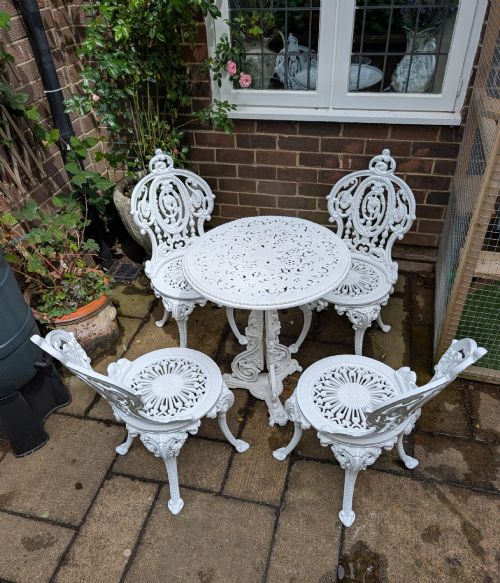
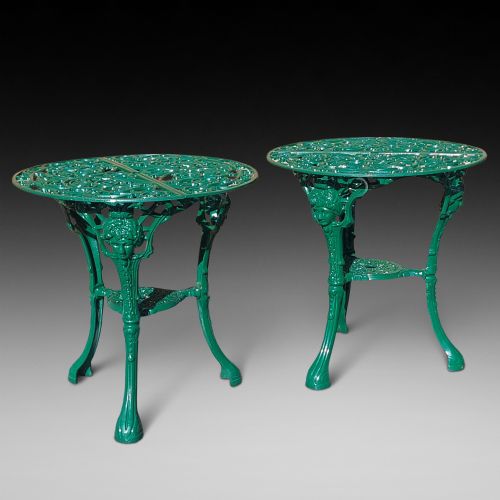
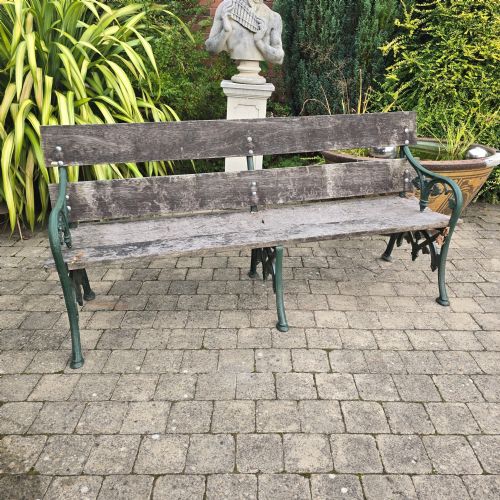
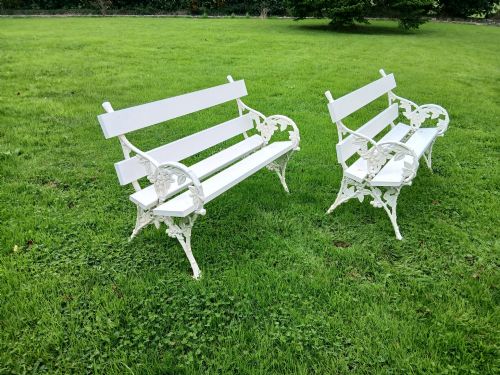
When searching for antique cast iron furniture, buyers encounter heavy outdoor garden benches, pub tables, and intricate hallway stands dating primarily from the Victorian period through to the early twentieth century. These pieces combine utilitarian strength with elaborate decorative motifs such as botanical leaves, rustic branches, and gothic tracery.
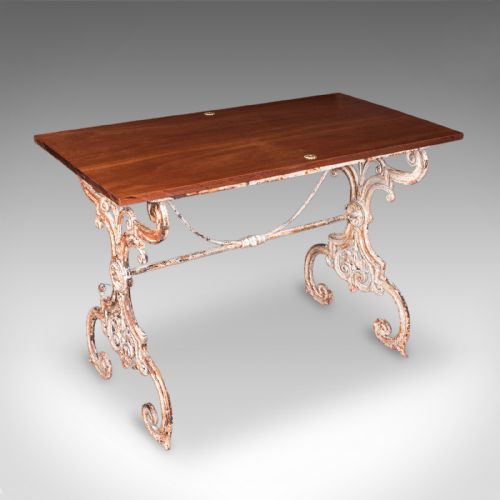
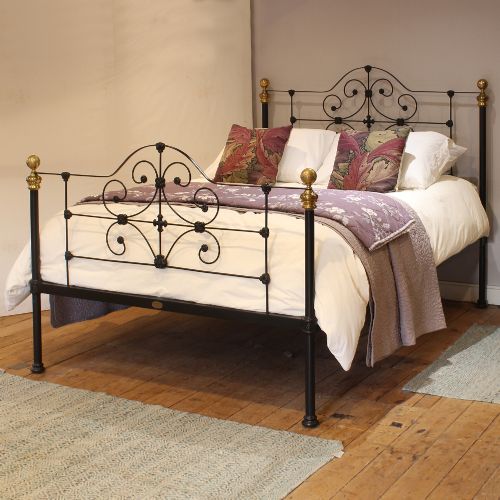
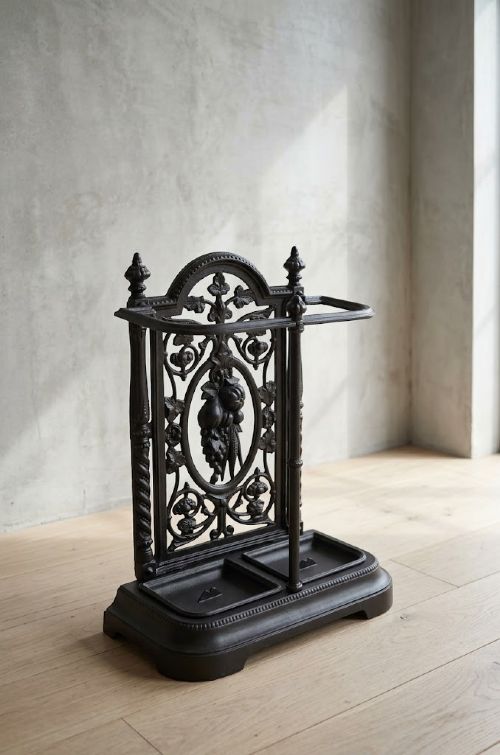
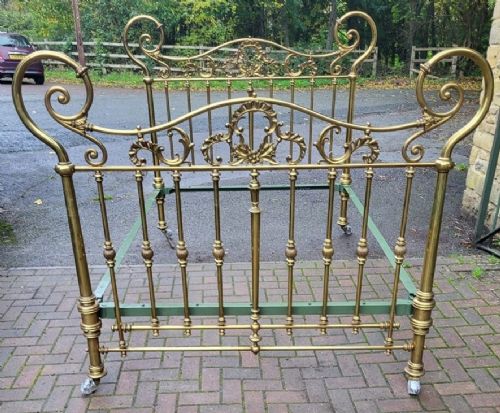
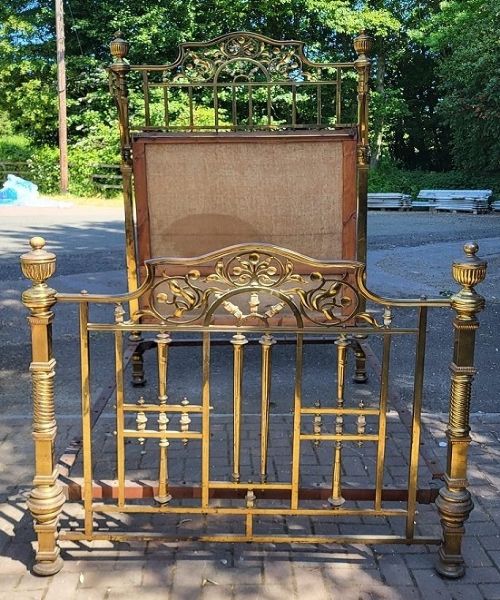
Garden seating forms the most common category, frequently appearing alongside indoor occasional pieces like umbrella stands and console tables. Many domestic items integrate secondary materials, pairing the heavy metal framework with timber slats, marble tops, or brass fittings to soften the industrial weight.
Origins span English foundries and continental workshops, with French examples often displaying distinctive faux bamboo or art nouveau styling. The resulting variety accommodates both manicured outdoor lawns and compact interior entrance halls.
Materials and foundry techniques
Production relied on molten metal poured into sand moulds, a technique that allowed foundries to mass-produce complex repeating patterns with high fidelity. This method captured deep relief work, from naturalistic blackberry leaves to geometric gothic arches.
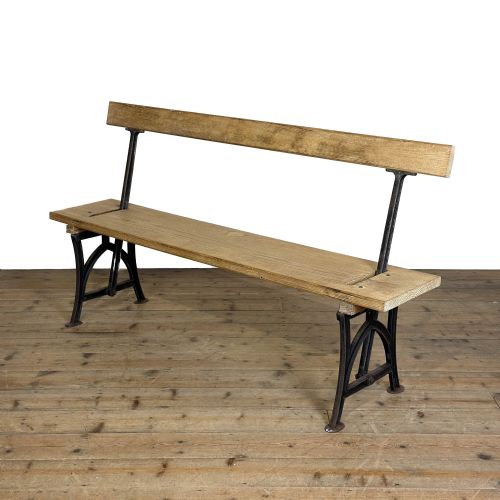
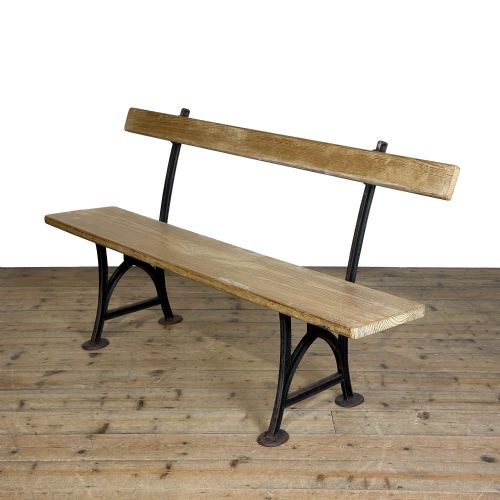
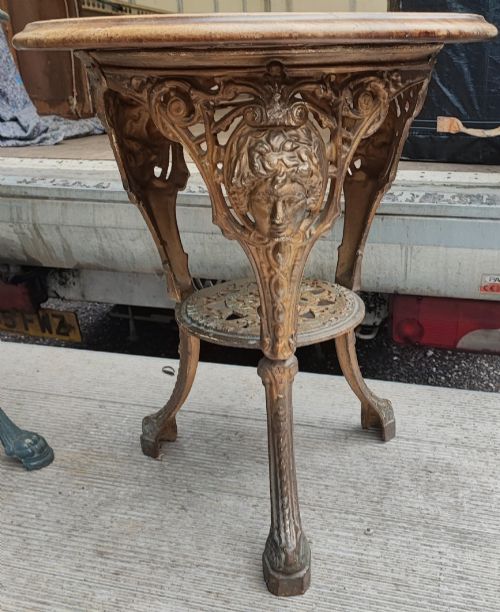
Makers frequently combined the primary metal structure with contrasting elements, bolting wooden slats onto bench seats or mounting white marble and mahogany tops onto pub and bistro tables. Surface finishes typically involved protective layers of paint or enamel to prevent oxidation on outdoor pieces.
Antique Cast Iron Furniture Retail Price Guide 2026
Typical asking prices for cast iron furniture among the pieces listed under this phrase on Sellingantiques today, from the lower quarter to the upper quarter. They describe what is for sale here now, not the wider market.
Listings feature Victorian and 1930s periods, combining cast iron with wood, brass, marble, and mahogany.
Distinctions in quality and execution
Quality rests in the crispness of the casting and the depth of the relief work, where superior examples retain sharp botanical details rather than smoothed, blurred contours. The original definition of the mould determines whether the finished item appears refined or heavy-handed.
Attribution to documented foundries or notable designers elevates a piece above anonymous utilitarian production. Structural integrity also matters, as skilled repairs differ significantly from crude welds that obscure the original casting lines.
Falkirk Carron Foundry·Christopher Dresser·Archibald Knox
The Antique Cast Iron Furniture Glossary
- Faux bois
- Imitation wood. This technique mimics natural timber grain and rustic branches in cast iron, popular on Victorian garden seats.
- Stick stand
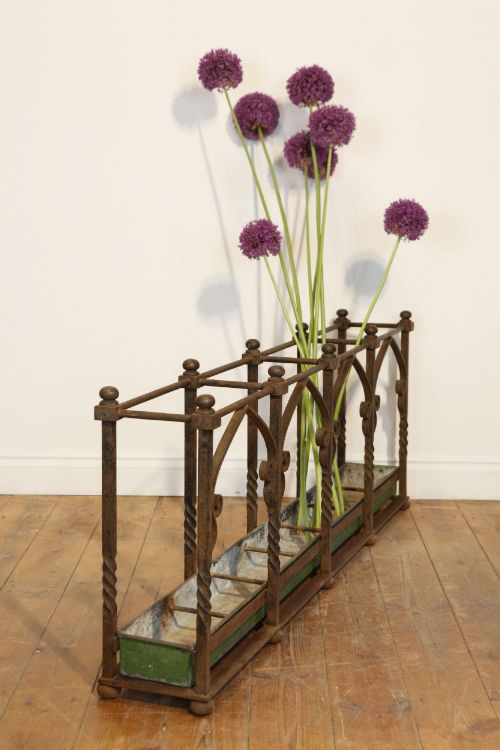
- Hall furniture. A vertical holder designed specifically for walking sticks, umbrellas, and riding crops, often featuring an integrated drip tray.
- Gothic
- Architectural style. Design characterised by pointed arches, trefoils, and vertical tracery borrowed from medieval buildings.
- Bistro set
- Small outdoor furniture. A matching combination of a lightweight table and chairs suited for compact garden spaces or conservatory use.
- Coalbrookdale
- Ironfoundry. A prominent English manufacturer known for ornate garden benches and decorative castings during the nineteenth century.
Antique Cast Iron Furniture: Frequently Asked Questions
How do I maintain antique cast iron?
Keep the metal dry and periodically repaint surfaces with suitable outdoor paint to prevent rust formation.
Avoid harsh chemical cleaning agents that might strip historic protective coatings from the cast surfaces.
Can these pieces stay outside?
Most garden benches and tables tolerate outdoor conditions well due to their heavy metal construction.
However, pieces incorporating wooden elements or delicate marble tops benefit from winter storage under cover.
How do I date a cast iron bench?
Examine the bolt types, assembly methods, and registered design markings cast into the underside of the frame.
Stylistic cues like naturalistic faux bois or strict gothic revival motifs also point toward specific Victorian decades.
Are indoor and outdoor items different?
Indoor pieces like umbrella stands and console tables often feature finer decorative details and cleaner painted finishes.
Outdoor garden seating prioritises heavier gauge metal and weather-resistant wooden slats to handle continuous exposure.